





By VFC PestMan | 30-09-2026
Food factories contain many areas where pests can occur, from raw material receiving areas, warehouses, production and packaging areas to drains and perimeter zones. An effective IPM programme needs to accurately identify risks in each area, establish an appropriate monitoring system and clearly define how to respond when abnormal signs are detected.
Therefore, pest management in food factories should be developed as a continuous management process supported by data and a mechanism for adjustment according to actual operating conditions.
1. What is IPM in food factories?
IPM - Integrated Pest Management - is an approach that combines multiple measures to manage pests based on actual risk. The programme typically includes site assessment, species identification, sanitation management, entry prevention, device-based monitoring and treatment when signs exceed the control level.
A key aspect of IPM is identifying the cause of pest occurrence. Rodent activity at one point may be related to a door gap, a pallet staging area or a nearby food source. An insect light trap recording an increase in fly numbers may be associated with frequently opened doors, drains or areas containing organic matter.
Therefore, IPM-based pest management in food factories needs to link pest data with the facility’s operating conditions. Each on-site finding needs to lead to the next questions: where are the pests coming from, which factors are creating favourable conditions, and which measures can reduce long-term risk?
2. First step: develop the factory risk map
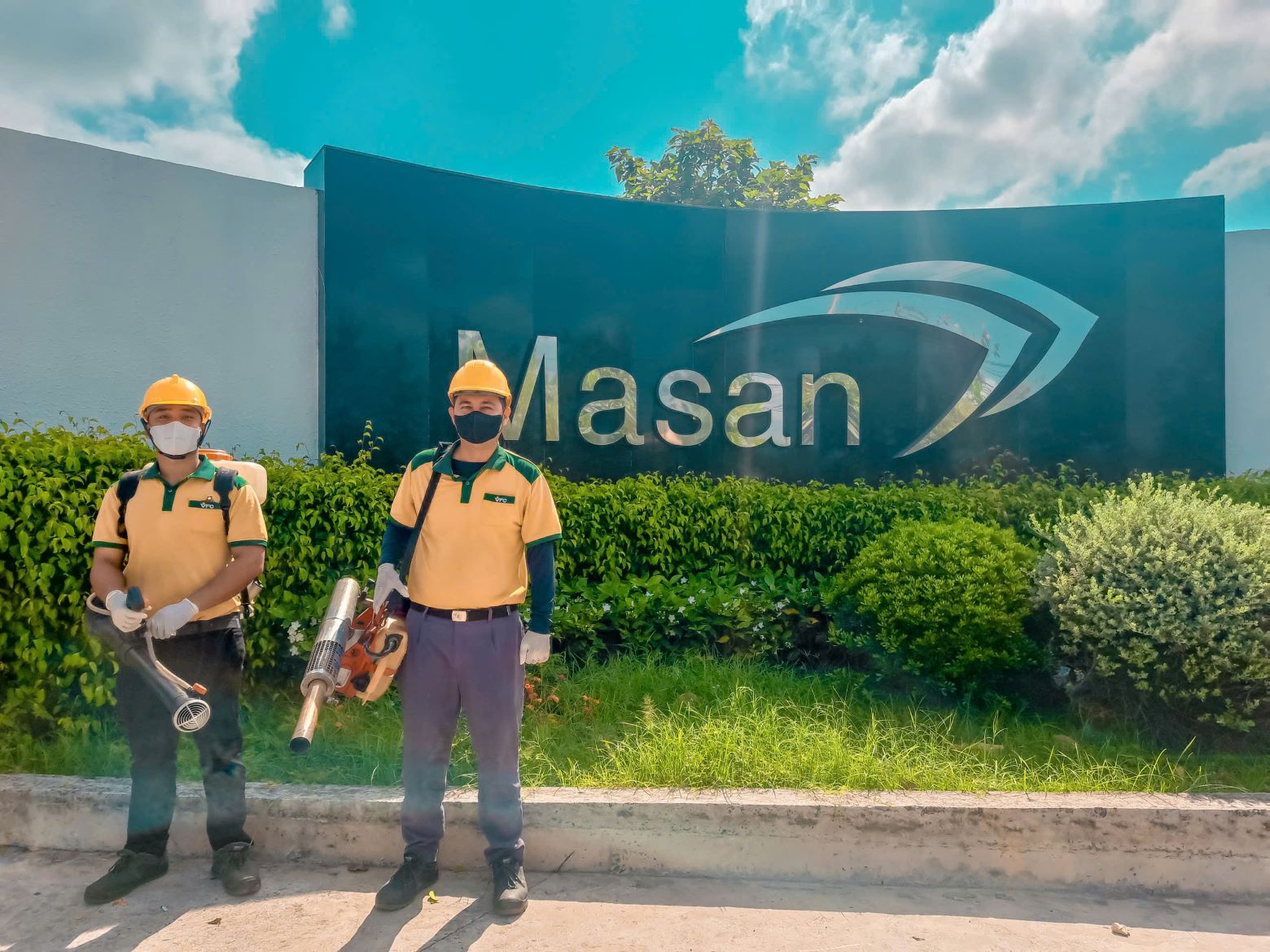
An IPM programme should begin with a survey of the entire facility before deciding where to place traps or which treatment methods to use. The technical team needs to follow the actual operational flow, from the external perimeter fence to raw material receiving areas, warehouses, production, packaging and finished-goods warehouses.
Each area needs to be assessed based on four groups of factors: food sources, water sources, harbourage and entry routes. For example, the loading area may have frequently opened doors and high vehicle traffic; raw material areas contain food sources; drainage areas have high moisture; and perimeter zones may contain vegetation or materials that provide harbourage.
A risk map helps businesses identify areas under greater pest pressure. It also provides a basis for determining monitoring-device density, inspection frequency and priority levels for each area. If a risk map has not yet been developed, the factory should begin with a site assessment and build the IPM programme according to actual conditions.
A large factory where risks are concentrated at a few specific points will require a different arrangement from a smaller factory with many sensitive areas. Therefore, the IPM programme should be developed according to actual conditions rather than based on a fixed standard layout.
3. Zone the factory according to sensitivity level
After the assessment, the factory needs to divide areas according to their risk level and the level of impact if pests occur. This zoning approach helps businesses select more appropriate control methods for each location.
Perimeter areas are often exposed to pressure from the outside environment and need to focus on preventing pests from approaching the building. Receiving areas need to control risks associated with vehicles, pallets and incoming materials. Raw material warehouses need to monitor rodents, stored-product insects and packaging condition.
Production and packaging areas have higher sensitivity because they are directly related to products and processing surfaces. Finished-goods warehouses need to pay attention to packaging condition, rodent activity and receiving and dispatch routes.
Zoning also helps QA assess the severity of each finding. The same insect found in a perimeter area and in a packaging area represents different levels of risk, so the next action also needs to differ.
4. Identify the pest groups that need to be managed
A pest management programme in a food factory needs to clearly identify the pest groups that may occur at the facility. This list depends on raw materials, products, the surrounding environment and the factory’s pest history.
Rodents are often associated with warehouses, loading areas, waste houses, service routes and perimeter zones. Fly numbers may increase in areas containing organic matter, wastewater or frequently opened doors. Cockroaches often harbour in enclosed, damp areas near food sources and service gaps. Rodents often appear in warehouses and perimeter areas when entry routes or attractants remain uncontrolled.
Factories using flour, grains, seeds, spices or dry ingredients need to additionally monitor beetles and other stored-product insect groups. Ants may also occur around areas containing sugar, sweet substances or routes leading to food sources.
Correctly identifying pest groups helps select appropriate devices and monitoring methods. It also helps the factory avoid installing many devices while collecting data that do not accurately reflect the main risks.
5. Establish a monitoring system for each area
Monitoring devices are an important part of an IPM programme, but their greatest value lies in the data collected from each point. Each device needs a clearly defined location, identification code and inspection schedule so that the business can track its history over time.
The system may include rodent control stations, mechanical traps, glue traps, insect light traps or specialised devices for specific pest groups. Placement needs to be based on species behaviour and area characteristics while ensuring that devices remain accessible for inspection and cleaning. In receiving areas and warehouses, attention needs to be given to LED light-trap placement for monitoring flying insects.
The device map also needs to accurately reflect actual site conditions. When the factory changes its layout, adds machinery or increases the number of pallets, a monitoring point may become obstructed or lose its ability to monitor the area that needs to be controlled.
Therefore, QA should periodically cross-check the map against actual site conditions. The monitoring system only has value when devices remain in the correct locations, function normally and provide data that can be compared across inspection cycles.
6. Establish action thresholds for each pest signal
Monitoring data need to lead to specific actions. The factory should define in advance which situations require additional monitoring, which require investigation of the cause and which require immediate treatment.
Action thresholds may differ between areas and pest types. For example, a small change in a perimeter area may be placed under observation, while a similar finding in a production area may require immediate assessment because of its higher sensitivity.
Trends across multiple inspection cycles are also important. If an insect light trap records a continuous increase in insect numbers, QA needs to expand inspection to nearby doors, drains, waste areas or sanitation conditions. If a rodent point continuously shows signs of activity, entry routes and the surrounding environment need to be inspected instead of treating only at that trap.
This is the step that helps the IPM programme move from data recording to actual risk management.
7. Prevent pests from entering before they reach production areas
An important part of IPM is reducing pressure from outside. Doors, gaps at the base of walls, pipes, cable trays, service openings and drainage systems can all become routes through which pests access the inside of the factory.
Gaps need to be identified during the site assessment and included in the maintenance plan. Damaged door seals, spaces beneath doors or wall penetrations around pipes should be addressed in a manner appropriate to the building structure.
Perimeter areas also need to be managed together with internal areas. Vegetation close to walls, standing water, pallets stored for long periods, waste or materials left outdoors can provide harbourage for rodents and insects.
Therefore, pest management in food factories needs to connect pest control with maintenance and landscape management. Reducing entry routes helps the internal monitoring system operate more effectively.
8. Sanitation needs to be linked with pest data
Sanitation is one of the factors that directly affects the ability of pests to survive. However, effective sanitation needs to focus on the specific areas providing food, water or harbourage.
Spilled materials beneath racks, flour dust in floor gaps, organic matter in drains and waste that remains for long periods can all sustain insect populations. IPM data help identify where cleaning should be prioritised and whether sanitation conditions are related to pest trends.
For example, if cockroaches are repeatedly recorded around a support area, QA can simultaneously inspect sanitation, moisture and service gaps. If fly numbers increase near a waste area, the collection schedule and the condition of waste containers need to be assessed together with trap data. QA can also refer to 5 cockroach hotspots in factories to prioritise inspection.
In this way, the sanitation programme and the IPM programme support each other rather than operating as two separate activities.
9. Clearly define how to respond when abnormalities occur
An IPM programme needs to have a response procedure when new signs are detected. Responsible personnel must know who receives the information, who inspects the site, when monitoring needs to be increased and when treatment measures need to be implemented.
The response should begin by determining the scope. If a pest is detected at one point, the technical team needs to inspect nearby locations to determine whether it is an isolated event or a sign of a broader problem.
The next step is to identify causes related to goods, sanitation, structure or the environment. Treatment measures are selected based on the assessment results and the sensitivity level of the area.
After treatment, the point needs to be monitored in subsequent inspection cycles. Whether the data decrease, remain unchanged or continue to increase will indicate whether the action taken has been effective or requires further adjustment.
10. Assign responsibilities among QA, warehouse, maintenance and the pest control provider
IPM works effectively when multiple departments participate. The pest control provider is responsible for technical expertise, monitoring and treatment, but many causes of pest occurrence are directly related to factory operations.
QA typically monitors data, documentation and corrective actions. The warehouse team controls incoming goods, pallets and storage conditions. Maintenance addresses gaps, doors, drains and structural issues. The sanitation team manages food sources, waste and areas requiring cleaning.
Production employees also play an important role because they are often the first to see insects, rodent droppings, gnawed packaging or abnormalities around equipment. A clear internal reporting procedure helps information reach the right person more quickly.
Therefore, IPM should be treated as part of the factory’s operational management system rather than assigning all responsibility to the external service team.
11. Data management and trend analysis
A major difference between a well-structured IPM programme and reactive treatment lies in the ability to track data over time. Each inspection cycle provides additional information about location, pest type, activity level and device condition.
When data are consolidated, QA can identify which areas experience recurring pest activity, which periods of the year show an increasing trend and which measures have helped reduce risk. This provides a basis for adjusting inspection frequency and prioritising resources.
In actual implementation, a digital system can support data recording and retrieval. The PestMan App supports technicians in recording the condition of each point on site, while the PestMan Dashboard helps consolidate data and monitor trends by area. The PestMan App supports technicians in recording the condition of each point on site, while the PestMan Dashboard helps consolidate data and monitor trends by area.
The management flow can be understood simply as: technician conducts on-site inspection → PestMan App records data → Dashboard consolidates and analyses data → QA monitors and makes decisions.
12. IPM documentation needs to accurately reflect what is happening in the factory
Pest management documentation typically includes monitoring-point maps, inspection history, pest data, on-site images, material information and corrective actions. The value of the documentation lies in its ability to demonstrate how the factory is monitoring and responding to risk. QA should also refer to 5 pest control documentation errors that are easily detected during factory audits.
If the data show an increase at one point but the report contains no follow-up action, the programme still has a gap. Conversely, when the report clearly shows the finding, cause, responsible department and follow-up results, QA can trace the entire treatment process.
This is particularly useful for food factories that regularly undergo internal audits, customer audits or food-safety management programmes. Documentation needs to reflect actual site conditions rather than exist as a separate set of documents.
13. When does an IPM programme need to be reassessed?
The IPM programme should be reviewed when the factory undergoes significant operational changes. Adding a new warehouse, changing the layout, installing a new production line, increasing production volume or changing raw material types can all create new risk points. The IPM programme should be reviewed when the factory undergoes significant operational changes.
See more: Signs that indicate the pest management programme needs to be reassessed
A prolonged increasing pest trend is also a signal that reassessment is needed. The factory should consider whether the current monitoring system remains appropriate, whether entry routes have changed or whether sanitation and structural conditions are creating new sources of pest activity.
Before peak season or an audit, QA should also review device condition, trend data and outstanding corrective actions. Early assessment gives the factory time to address areas requiring improvement before operational pressure increases.
14. What questions should a good IPM programme be able to answer?
QA can use several simple questions to evaluate the current programme: which area currently has the highest risk, which monitoring point shows increasing data, has the cause been identified, which department is responsible for the corrective action, and what are the results after treatment?
If the system can clearly answer these questions, the programme is generating valuable data for management. If reports mainly state “inspected” or “sprayed”, the business should review the link between findings and actions.
IPM-based pest management in food factories aims to help businesses understand where risks are located, why they occur and what needs to change in operations to reduce those risks.
15. Frequently asked questions about IPM in food factories
Does IPM mean that chemical use must be completely eliminated?
IPM combines multiple groups of measures and prioritises prevention, sanitation, entry prevention, monitoring and mechanical methods. Chemicals may be used when appropriate for the pest type, area and the factory’s safety requirements.
Do traps need to be placed in every area of the factory?
Devices should be positioned based on risk assessment and pest behaviour. A large number of devices does not necessarily create a good programme if placement is inappropriate or the data are not analysed.
Why is it necessary to monitor trends instead of only checking whether pests are present?
Trends help detect changes before a problem becomes obvious. An increase at one point across multiple inspection cycles may signal a new source of pest activity or a new entry route.
Does the IPM programme need to be updated when the factory layout changes?
Yes. A new layout may change goods flow, door locations, storage areas and access to devices. The monitoring map and risk map need to be reviewed after major changes.
An IPM programme in a food factory needs to be developed based on the actual risks of each area. Businesses need to identify potential pest entry routes, food sources, harbourage, sensitive areas and thresholds that require corrective action.
This provides the basis for QA, warehouse, production, sanitation, maintenance and the pest control provider to coordinate the implementation of the monitoring system, control environmental conditions and track results over time. As a result, the IPM programme can be adjusted according to actual changes within the factory and maintain appropriate control effectiveness at each stage of operation.
If businesses are looking for a pest control company for businesses, need to survey the current pest situation or build a control program suitable for a factory, warehouse, hotel, or building, VFC PestMan can assist with on-site evaluation and propose solutions based on actual risks.
Hotline: (+84) 932669883
Email: contact@pestman.vn


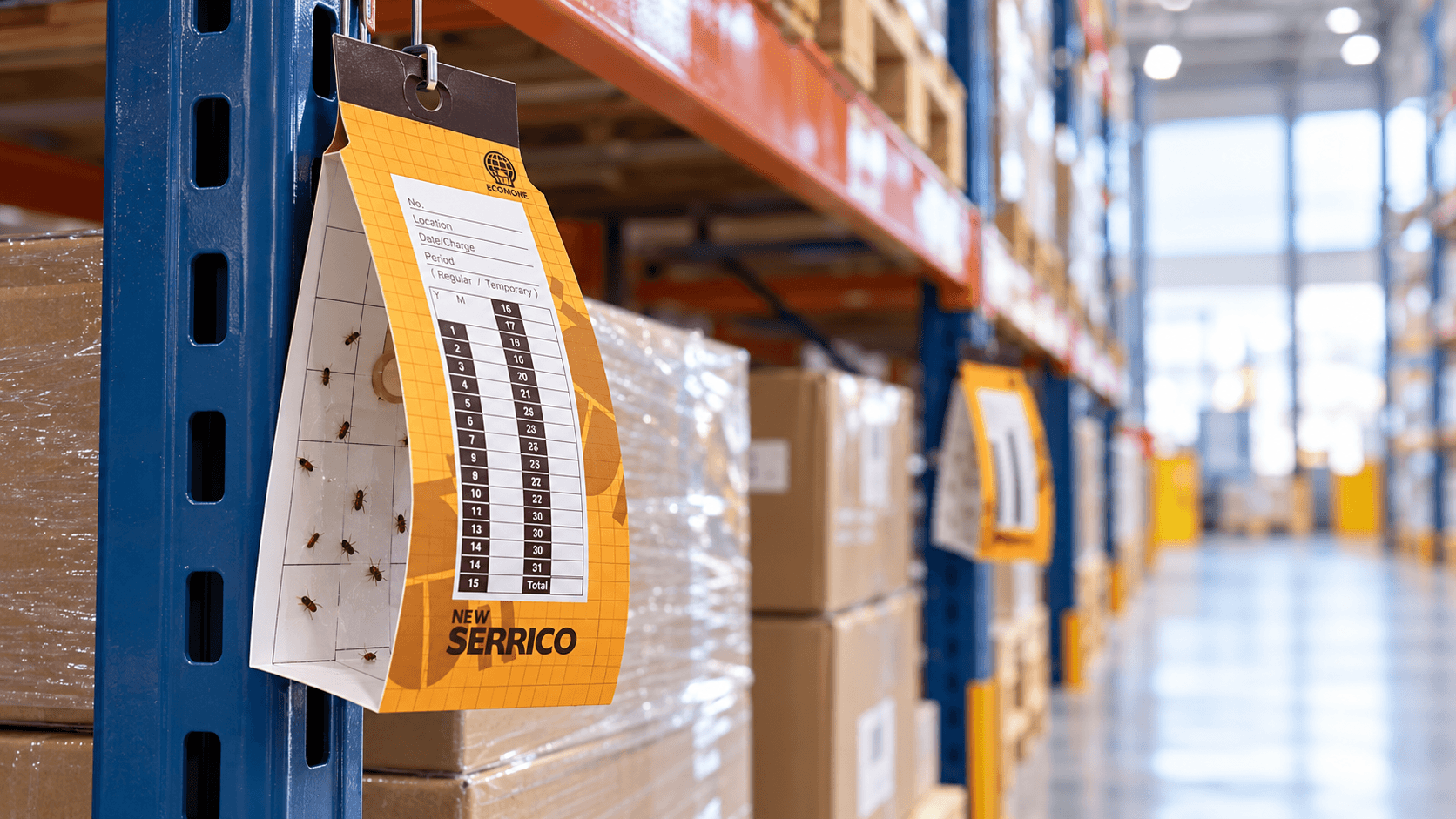
Pheromone traps: An insect monitoring solution for pest control
Pheromone traps are applied in pest control due to their ability to attract...
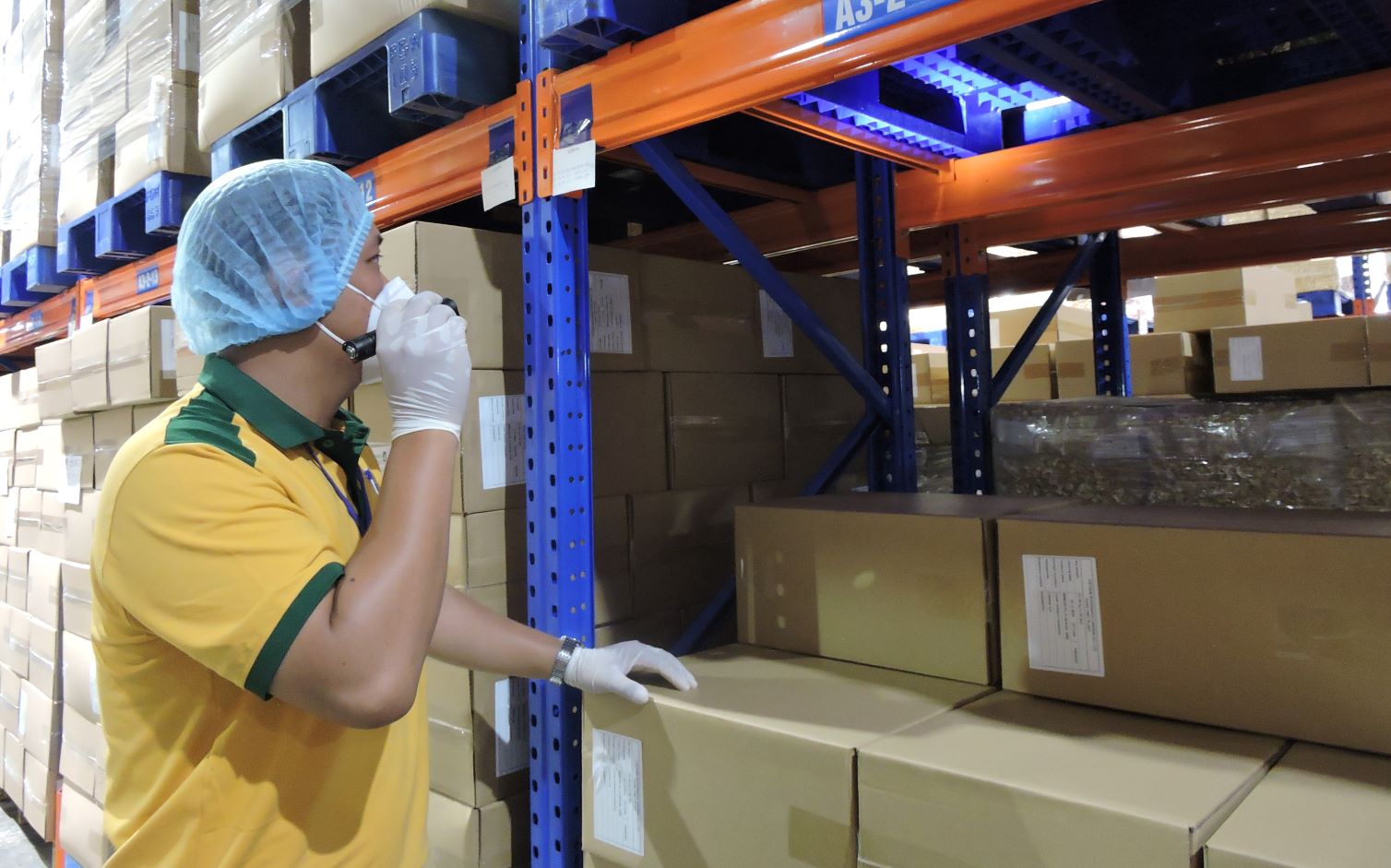
Effective methods and processes for warehouse pest control
Kho hàng là nơi tập trung nguyên liệu, thành phẩm, bao bì, pallet và lượng…
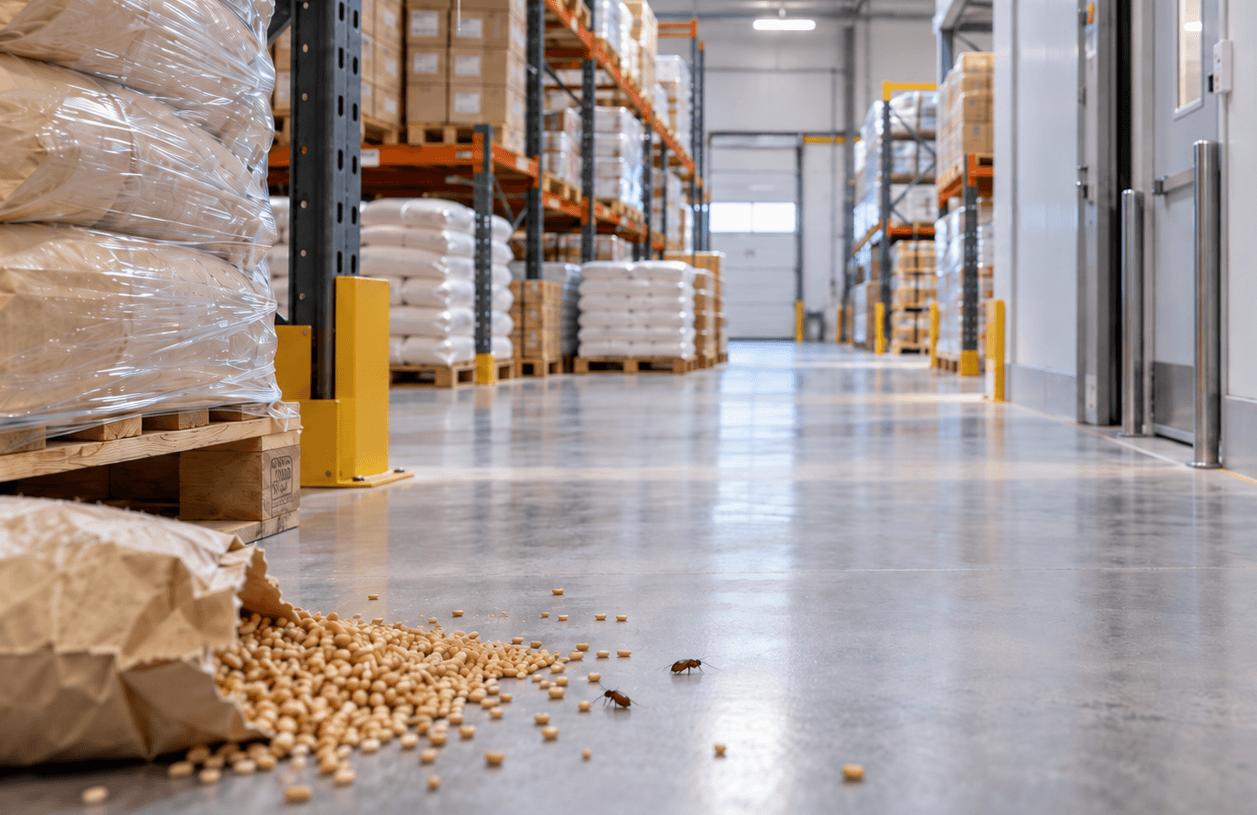
Related news

Ready to eliminate audit risks and proactively protect customer experience & brand reputation?





Dear Valued Visitor,
To protect our clients' interests, all materials here are copyrighted and may not be reproduced without permission.
We appreciate your cooperation. Should you need to use our content professionally, please contact us directly.