





By VFC PestMan | 23-09-2026
A large number of traps does not necessarily reflect effective rodent control. Rodents may still appear if movement routes have not been identified, structural gaps remain, food sources are still available, trap locations are unsuitable, or the factory layout has changed without the control map being updated. When rodent signs repeatedly appear, businesses need to review the entire system rather than simply add more traps.
1. Traps are not positioned along actual rodent movement routes
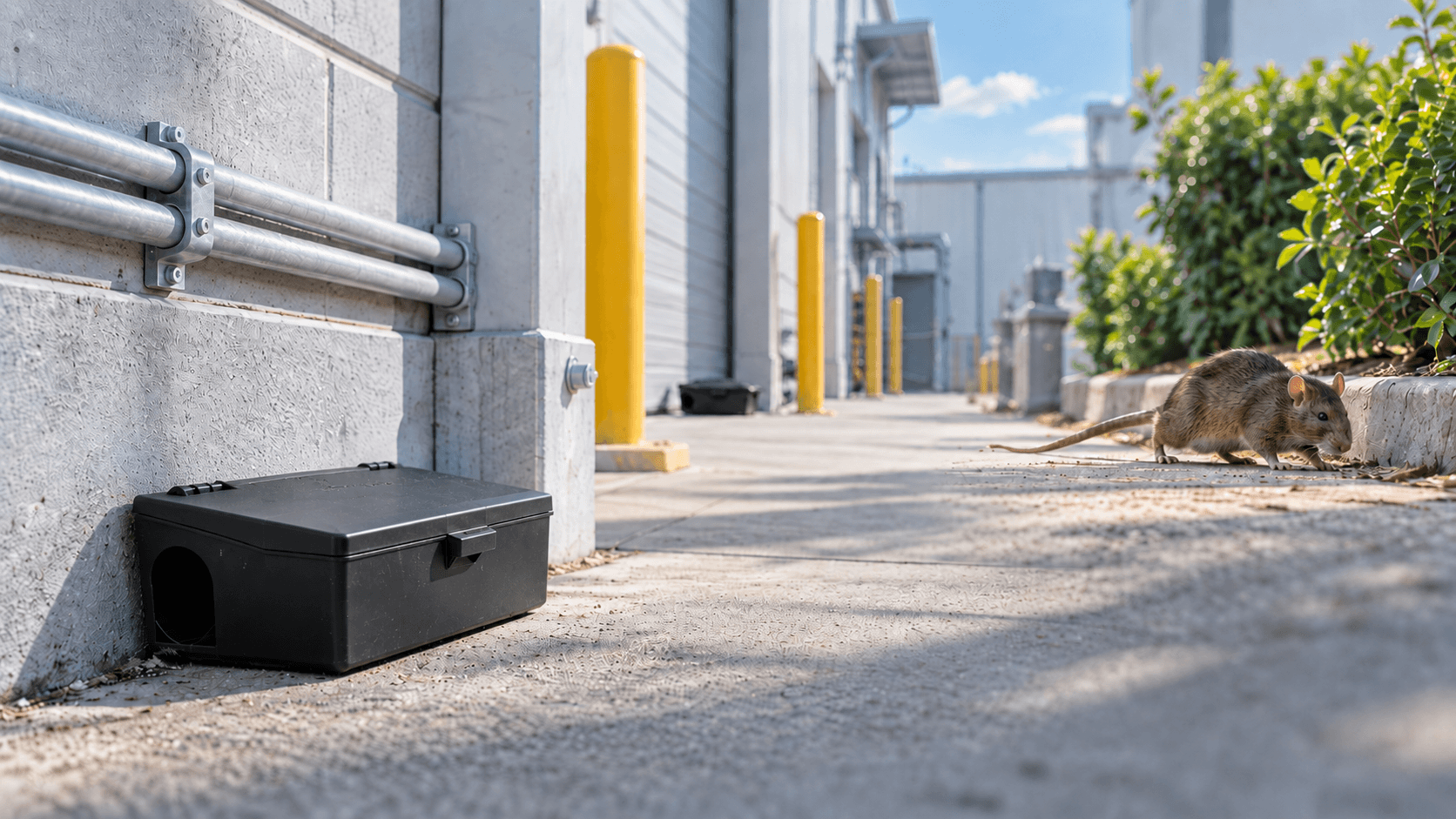
Rodents often move along relatively consistent routes such as wall edges, building perimeters, behind equipment, service routes, receiving and dispatch areas, and locations with cover. If traps are placed at fixed intervals but are not positioned along the routes rodents actually use, the likelihood of capturing them will be low.
Therefore, trap placement needs to begin with on-site observation. Droppings, gnaw marks, grease marks on walls, footprints or camera footage can all help identify movement direction. This information helps the responsible team adjust trap locations to better match actual rodent behaviour.
Before adjusting trap locations, the QA team or warehouse manager needs to distinguish signs of current rodent activity from old traces. The article common pests in factories and how to identify them includes a section on rodents that helps responsible personnel compare droppings, gnaw marks and other common on-site signs.
When camera footage records rodent activity at a new location, the business should trace the movement route back to nearby points. This approach is more effective than adding more traps without knowing where the rodents are actually moving.
2. The factory still has gaps that allow rodents to enter
An internal trapping system will remain under constant pressure if rodents from outside can still enter. Areas that commonly need inspection include gaps beneath doors, spaces around pipes, service openings, wall-to-roof junctions, warehouse doors, receiving and dispatch areas, and deteriorated structural components.
Even a few untreated openings can allow new rodents to continue entering after previous individuals have been captured. In this situation, the business may feel that the trapping system is “ineffective”, while the actual cause is that entry routes remain open.
Preventing rodent entry needs to be treated as part of the control programme, particularly in large factories with many doors, multiple service routes or frequent vehicle movement.
3. Food sources are still present in the factory
Rodents can adapt well to factory environments when a stable food source is available. Spilled raw materials, food in canteen areas, waste, goods with damaged packaging or food residues beneath racks can all sustain rodent activity.
In raw material warehouses and food-processing facilities, even small amounts of food that remain consistently available can create an attraction point. If these food sources are easier to access than the traps, rodents may show less interest in the control devices.
Therefore, rodent control needs to be combined with sanitation, management of spilled materials and inspection of low-access areas. Locations behind racks, beneath machinery, warehouse corners and goods-staging areas need to be included in the periodic inspection schedule.
4. The factory layout has changed but the trap map has not
A trap map may be appropriate at the time of installation but become less effective after several months if the factory layout changes. Building additional warehouses, relocating racks, adding machinery, opening new doors or changing transport routes can all create new rodent movement routes.
For example, a new row of pallets placed close to a wall may create a concealed corridor that did not previously exist. If trap points remain unchanged according to the old map, this new route may fall outside the monitoring coverage.
The factory should review the control map when the layout changes, new production lines are added, new warehouses are built, receiving areas are adjusted or material flow changes. The trap map needs to accurately reflect current operating conditions at each point in time.
When the layout changes, updating the trap map should be accompanied by reassessment of entry routes and the risk level of each area. The article when businesses need to reassess their pest management programme can help QA and maintenance teams identify situations in which the programme needs to be reviewed rather than simply relocating devices.
5. Trap density is high, but trap type or placement is unsuitable
The number of traps needs to be determined according to the risk level and characteristics of each area. Perimeter zones, entrances, raw material warehouses, production areas and finished-goods warehouses have different levels of sensitivity, so trap placement also needs to differ.
Traps need to be positioned close to rodent movement routes, remain unobstructed by goods and avoid locations where they are frequently moved. If devices are constantly relocated, blocked by materials or placed in open spaces that rodents rarely use, effectiveness will decrease.
Businesses also need to inspect device condition periodically. Damaged traps, trap doors that do not function properly or placement locations that have changed during operations can all reduce system effectiveness.
The same trap-placement approach should not be applied to perimeter fences, warehouse doors, production areas and finished-goods warehouses. For factories with multiple functional areas, you can refer to guidance on risk zoning and pest-control system placement in pharmaceutical factories to understand the principles of allocating devices according to the sensitivity level of each area.
6. Perimeter areas are creating significant rodent pressure
Rodents present around perimeter fences, vacant land, material yards, waste areas or neighbouring structures may continuously seek routes into the factory. If the programme focuses too heavily on interior areas, the business will remain in a reactive position after rodents have already entered.
Perimeter areas therefore need to be treated as the first layer of control. Fences, vegetation, material yards, waste collection areas and boundaries adjoining the outside environment need to be monitored together with areas inside the factory.
If rodent activity increases around the perimeter, doors, service gaps and receiving areas need to be inspected more closely. This helps businesses detect entry pressure before rodents move deeper into warehouses or production areas.
When businesses only treat rodents after they have entered warehouses or production areas, they may have to repeat the same work without reducing pressure from outside. The article why reactive pest treatment costs more than prevention helps explain why fences, landscaping, waste areas and entry routes need to be inspected before the problem spreads into the building.
7. Goods and vehicles can create additional rodent entry routes
Factories and logistics warehouses often have a continuous flow of vehicles, pallets and goods. Rodents may move along with vehicles, staging areas or concealed spaces created during receiving and dispatch operations.
When vehicle frequency increases, receiving areas remain open for longer periods or more pallets are staged, rodent pressure can change quite rapidly. If the monitoring map is not adjusted to reflect these changes, the existing trapping system may miss new routes.
Businesses should cross-check rodent data against operational activities. An increase in rodent signs after a change in supply source, an increase in vehicle movements or rearrangement of staging areas may be a signal that further inspection is needed.
For cold-storage facilities and warehouses with high inbound and outbound volumes, receiving areas, pallets, cardboard boxes and warehouse doors need to be inspected as potential pest-risk points. You can refer to 5 blind spots in cold-storage pest control to compare approaches for monitoring incoming goods and transition areas.
8. Rodents avoid locations that are frequently disturbed
Rodents often prefer routes that feel secure, provide cover and experience little disturbance. A trap placed where forklifts frequently pass, goods are constantly moved or personnel traffic is high may be less effective than one positioned along a route rodents actually use.
Conversely, areas behind racks, beneath machinery, in material stores or along service routes may receive less attention but can become movement corridors.
Data from cameras, droppings, gnaw marks and trap history help identify these routes more clearly. When site conditions change, trap locations should also be adjusted accordingly.
9. Trap data are not being used to adjust the programme
A trapping system only has real value when its data are reviewed and translated into action. If one point repeatedly records rodent signs while device locations and site conditions remain unchanged for months, the programme is missing a cause-analysis step.
Businesses should review trends by area, over time and in relation to operational changes. A sudden increase after a new warehouse door is opened has a different meaning from a steady increase at the same warehouse corner over several months.
These data can lead to very specific actions such as changing trap locations, addressing door gaps, inspecting areas with spilled materials, adjusting sanitation or expanding the inspection scope to perimeter areas.
If a trap point repeatedly records rodent activity but the report only shows the number of inspections, QA will find it difficult to identify the cause and evaluate the effectiveness of corrective actions. You can refer to guidance on how to read pest-control reports, analyse trends and convert data into preventive actions to review the quality of current reporting.
10. When should a factory reassess the entire rodent-control system?
The factory should review the system when rodents repeatedly appear in the same area, cameras continuously record activity, the number of signs increases across multiple inspection cycles, or additional traps are frequently required but the situation does not improve.
Changes to the layout, opening a new warehouse, adding production lines, adjusting receiving areas or changing material flow are also times when the control map needs to be updated.
Another sign is when the same problem recurs but the report has not identified the cause or next action. In that situation, the business needs to return to on-site assessment rather than continue increasing the number of traps.
11. What should factories inspect before adding more traps?
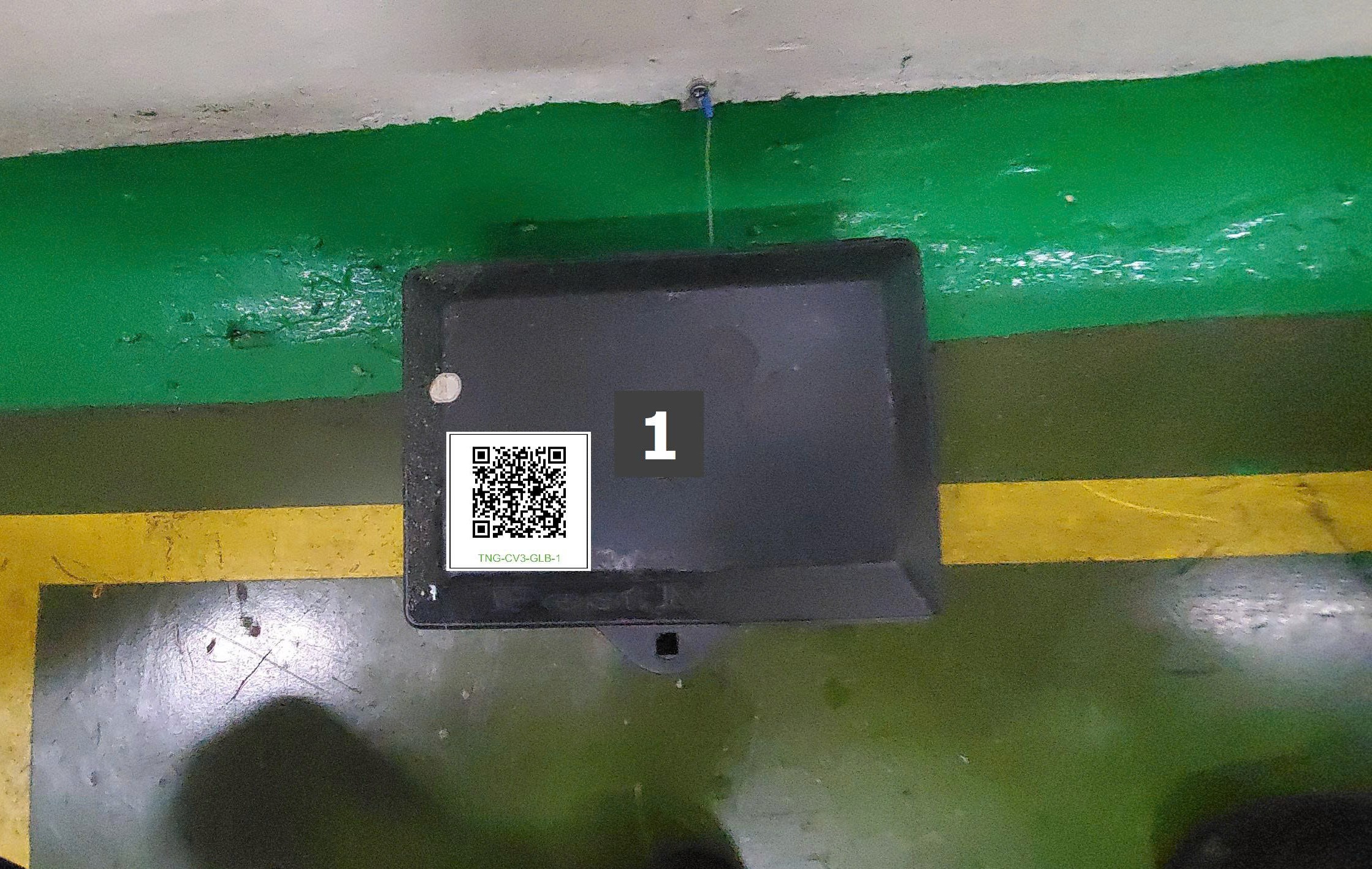
Before deciding to add more devices, QA, HSE or warehouse management should review several key factors: the location of the most recent rodent finding, nearby wall-edge routes and service routes, gaps beneath doors, wall penetrations, food sources, spilled materials, pallet condition, layout changes and data from surrounding traps.
This review helps distinguish an isolated incident from a systemic problem. When multiple signs are concentrated along the same route, priority should shift toward addressing the cause associated with that route.
This approach also helps avoid a situation where the number of traps keeps increasing while the underlying problem remains unresolved.
12. Rodent traps are only one part of the overall control programme
Effective rodent control needs to combine prevention, monitoring and treatment. Traps are an important tool, but they are only one part of the system.
For rodents, the programme needs to simultaneously inspect perimeter areas, prevent entry routes, manage food sources, position traps appropriately and track signs over time.
When these factors are addressed together, the business has a better basis for reducing rodent recurrence and clearly identifying which areas require continued monitoring.
To better understand how to combine assessment, prevention, monitoring devices and treatment by area, businesses can refer to common pest-control methods used today. This is a foundational step before selecting an appropriate approach for the rodent-control system.
13. Frequently asked questions
Should more traps be added immediately when a camera detects one rodent?
The site should be inspected first to identify the route the rodent is using, the condition of nearby traps and any related gaps. Adding traps may be necessary, but the location and cause need to be identified first.
Why do rodents still pass near traps without being captured?
The trap may be outside the actual movement route, frequently disturbed, obstructed by goods, or located in an area where more attractive food sources are available. On-site data need to be used to adjust placement.
When should a factory update the trap map?
When the layout, production lines, warehouses, receiving areas or goods flow change; when data indicate a new rodent route; or when the same area repeatedly experiences the problem.
Does rodent control also need to include areas outside the factory?
Yes. Fences, waste areas, landscaping, material yards and adjoining zones can create rodent pressure on the building. The control programme needs to cover both the outer perimeter and internal areas.
14. Correct trap placement is more important than having more traps
When rodents still appear even though the factory already has many traps, the cause usually lies in one or more factors at the same time: movement routes have not been identified, gaps have not been addressed, food sources remain, devices are not positioned correctly or the layout has changed.
An effective rodent-control programme needs to combine assessment of entry routes, treatment of openings, management of attractants, correct trap placement and periodic data monitoring. This approach helps businesses understand the causes more clearly, adjust the programme according to actual conditions and reduce the risk of rodents reappearing in sensitive areas.
If businesses are looking for a pest control company for businesses, need to survey the current pest situation or build a control program suitable for a factory, warehouse, hotel, or building, VFC PestMan can assist with on-site evaluation and propose solutions based on actual risks.
Hotline: (+84) 932669883
Email: contact@pestman.vn



Pheromone traps: An insect monitoring solution for pest control
Pheromone traps are applied in pest control due to their ability to attract...
Effective methods and processes for warehouse pest control
Kho hàng là nơi tập trung nguyên liệu, thành phẩm, bao bì, pallet và lượng…

Related news

Ready to eliminate audit risks and proactively protect customer experience & brand reputation?






Dear Valued Visitor,
To protect our clients' interests, all materials here are copyrighted and may not be reproduced without permission.
We appreciate your cooperation. Should you need to use our content professionally, please contact us directly.