


• kiem-soat-con-trung-trong-kho-hang

    Pest Control By Facility

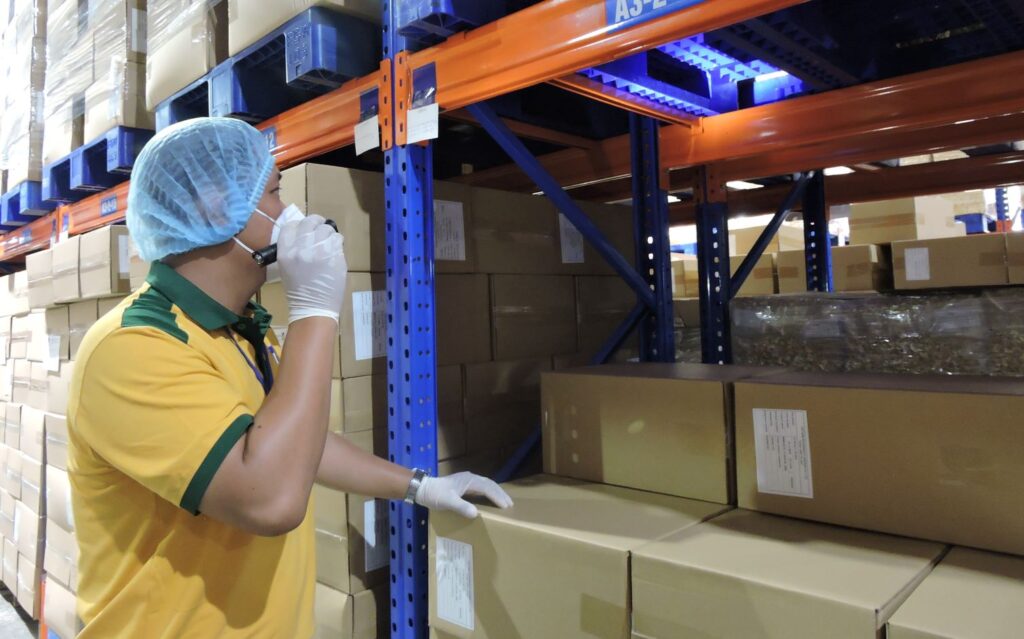
    Effective methods and processes for warehouse pest control

    Warehouses are locations where raw materials, finished products, packaging, pallets and large volumes of goods are stored for extended periods. Insects may enter with incoming goods, vehicles or through warehouse doors, or may develop within stored lots when conditions are favourable.

  • Nhà máy dược phẩm

    Pest Control By Facility

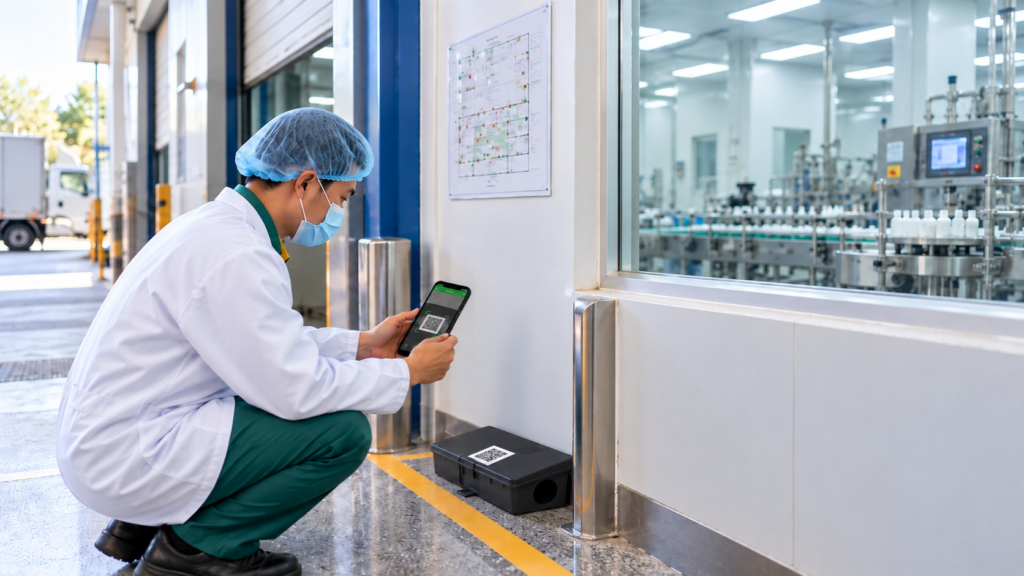
    Pest control in pharmaceutical manufacturing plants

    Pharmaceutical factories contain many areas with very different levels of sensitivity, ranging from perimeter fences and receiving warehouses to production areas, packaging areas, finished-goods warehouses and technical rooms. Therefore, pest management in pharmaceutical factories needs to be designed according to the risk level of each area, prioritising prevention, monitoring and entry prevention before direct treatment measures are considered.

  • nha-may-thuc-pham-ipm-kiem-soat-dich-hai

    Pest Control By Facility

    A guide to pest control in food processing plants

    Food factories contain many areas where pests can occur, from raw material receiving areas, warehouses, production and packaging areas to drains and perimeter zones. An effective IPM programme needs to accurately identify risks in each area, establish an appropriate monitoring system and clearly define how to respond when abnormal signs are detected.

  • Pest Control By Facility

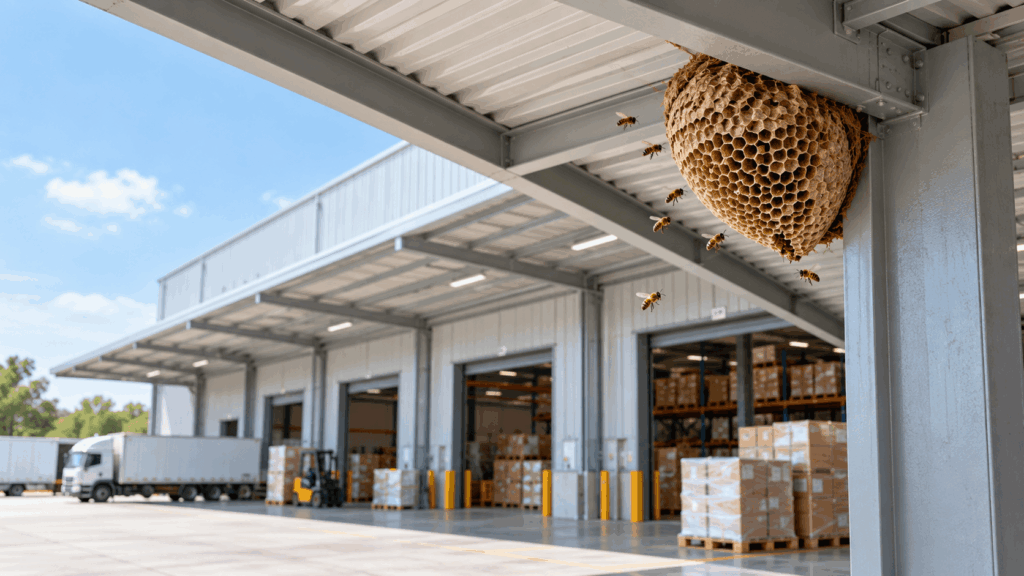
    Bees nesting in factories: How should businesses respond?

    Bees or wasps appearing around factory roofs, loading areas, warehouses or technical areas can create risks for workers, affect receiving and dispatch operations, and make sanitation and maintenance more difficult. In business environments, bee and wasp control in factories needs to begin with correctly identifying the nest location, level of activity, affected area and an appropriate solution based on actual operating conditions.

  • Pest Control By Facility

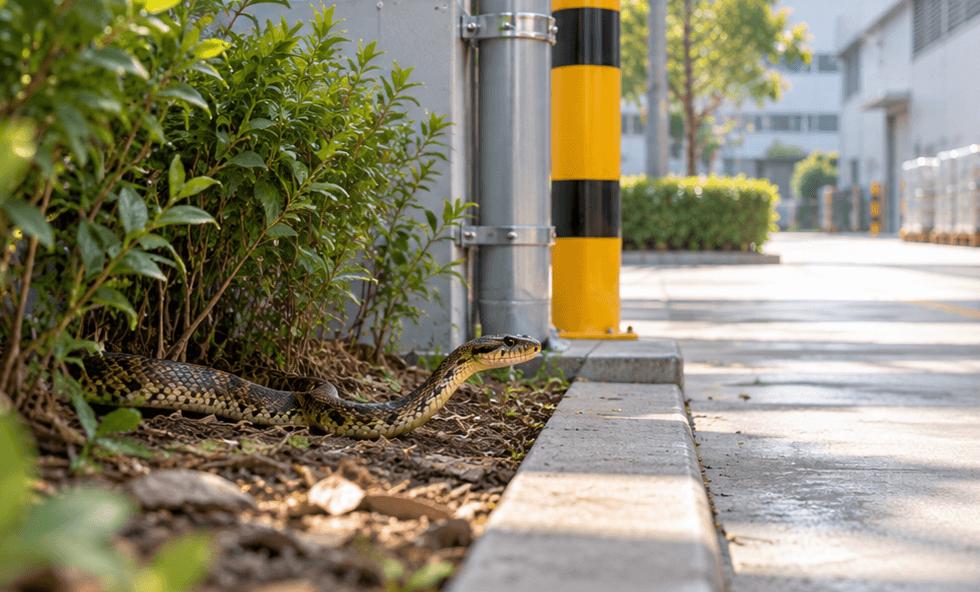
    What should you do when a snake is found in a factory or warehouse? On-site response procedures

    The presence of snakes in factories, warehouses or technical areas is a situation that needs to be handled according to a clear safety procedure. The risk is often associated with perimeter areas with dense vegetation, drains, food sources such as rodents and frogs, structural gaps or low-traffic locations.

  • Xu-ly-chim-trong-nha-may_Dia-phan-quang-ho-tro-xua-duoi-chim

    Pest Control By Facility

    A comprehensive guide to bird deterrent solutions for factories

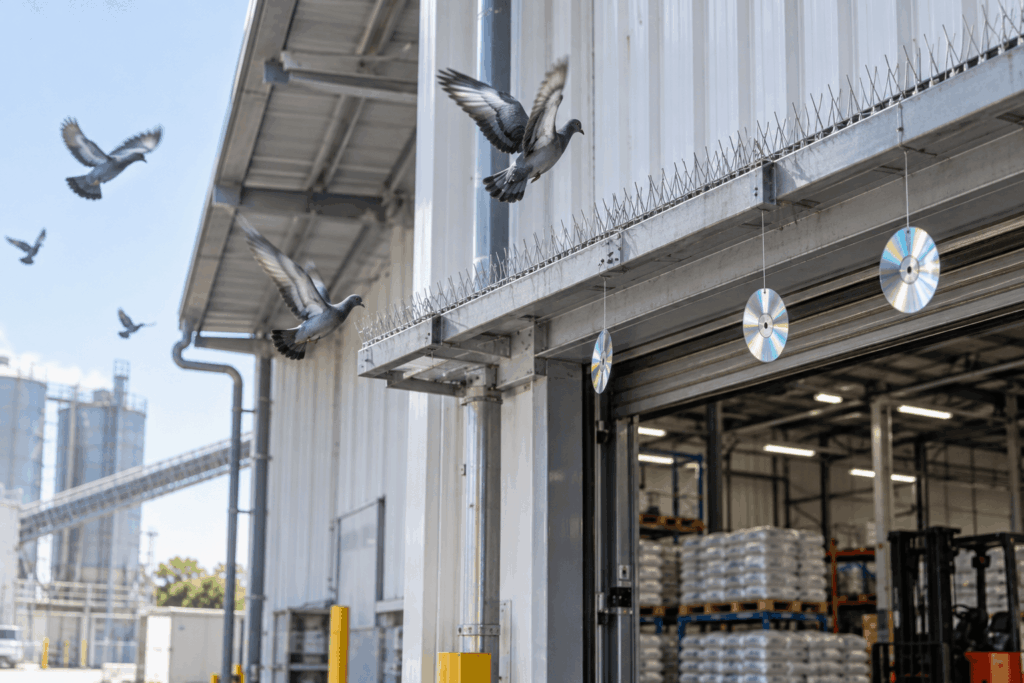
    Birds often gather in locations that provide favourable conditions for perching, nesting or finding food, such as purlins, roof beams, warehouse doors, canopies over receiving and dispatch areas, and raw material conveyors. When this activity continues over time, bird droppings, feathers, nests and associated organisms can affect hygiene, goods and factory operating conditions.

  • kiem-soat-than-lan-trong-nha-may-va-kho-hang

    Pest Control By Facility

    Guidelines for lizard control in factories according to IPM standards

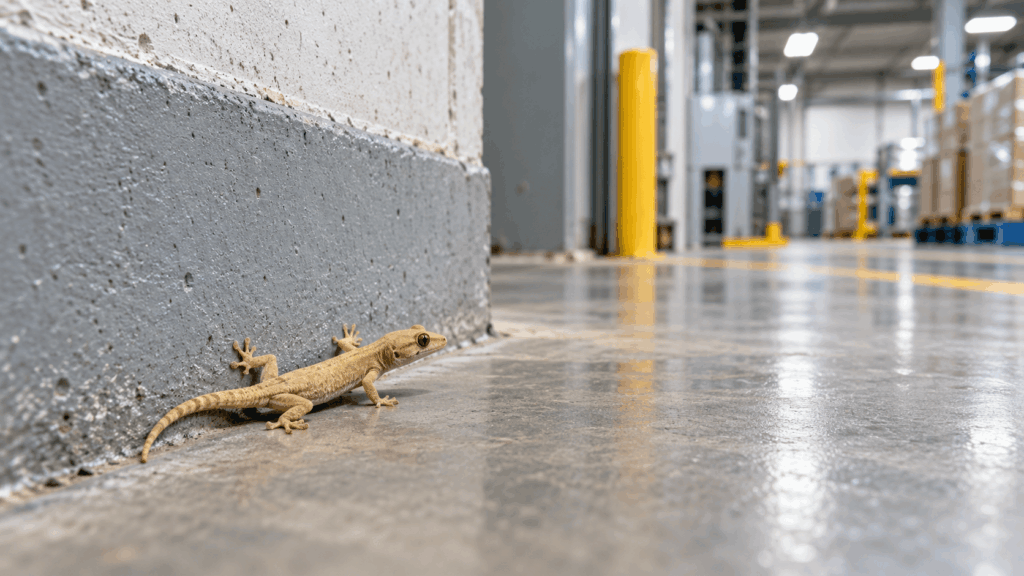
    The presence of lizards in production areas, raw material warehouses, packaging areas or technical areas can create hygiene and pest management issues, particularly in food, beverage and pharmaceutical facilities and other sites with strict management requirements.

  • chuot-xuat-hien-du-nha-may-dat-bay-nhieu

    Pest Control By Facility

    Why do rats keep appearing even when a factory has placed many traps?

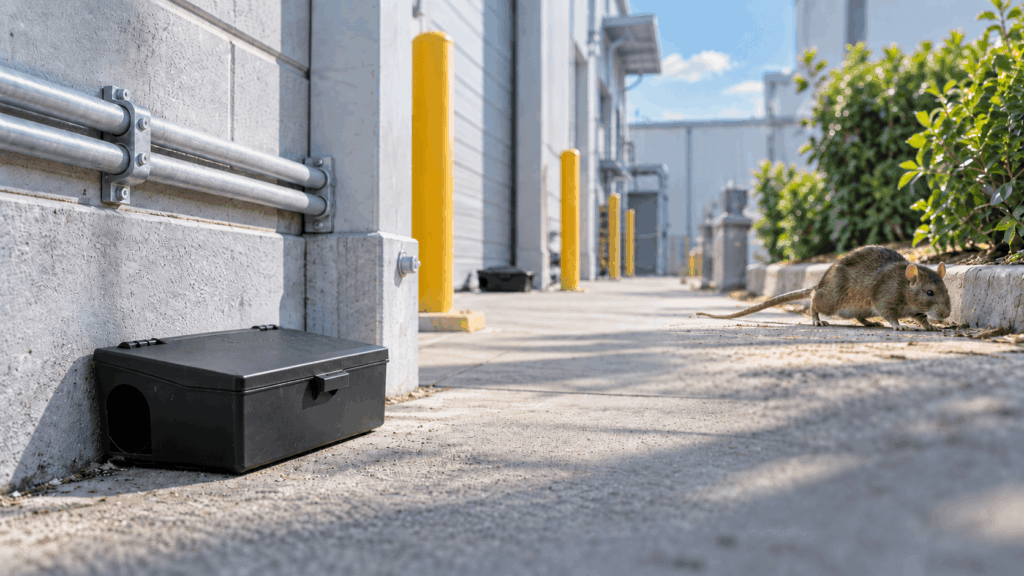
    A large number of traps does not necessarily reflect effective rodent control. Rodents may still appear if movement routes have not been identified, structural gaps remain, food sources are still available, trap locations are unsuitable, or the factory layout has changed without the control map being updated. When rodent signs repeatedly appear, businesses need to review the entire system rather than simply add more traps.

  • ho-so-kiem-soat-dich-hai-nha-may

    Pest Control By Facility

    5 pest control documentation errors commonly identified during factory audits

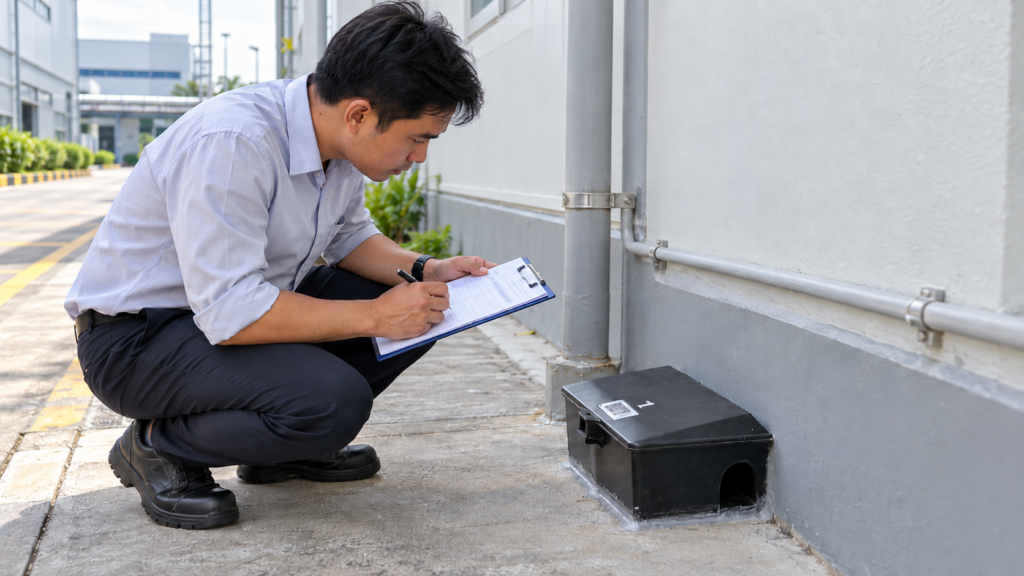
    A pest management programme may be implemented consistently but can still raise issues that require explanation when the documentation does not accurately reflect actual site conditions. Auditors often compare device maps, device IDs, reports, data and corrective actions with what is actually happening at the facility. Therefore, pest management documentation needs to show three things: which areas are being controlled, how risks are changing, and what the business has done when abnormalities are detected.

  • kiểm soát côn trùng

    Pest Control By Facility

    What does a pest and insect control program for school kitchens include?

    School canteens bring together food, water, heat, organic waste and daily deliveries, creating conditions that can attract flies, cockroaches, ants, rodents and stored-product insects. An effective pest control programme should cover site surveys, sanitation, structural repairs, monitoring devices, treatment and reporting.

  • Những loài dịch hại thường gặp trong nhà máy và cách nhận biết

    Pest Control By Facility

    Common pest species in factories and how to identify them

    Rats, cockroaches, flies, ants, stored-product pests, mosquitoes, birds, and termites can all occur in factories when suitable food, water, shelter, or entry routes are available. Each pest leaves different signs and affects different areas in its own way. Identify […]

  • Pest Control By Facility

    How to identify and manage pests in food and beverage (F&B) facilities

    Raw materials, water, heat, humidity, organic matter, and continuous goods movement create conditions that attract pests to food and beverage production facilities. A single fly near a mixing tank, grain beetles in a raw material warehouse, or rodent signs at a dispatch door […]

  • Kiểm soát côn trùng và dịch hại trong trường học

    Pest Control By Facility

    Pest and insect control in schools and educational facilities

    Pest control in schools and educational institutions must be implemented as an ongoing preventive program across classrooms, kitchens, cafeterias, dormitories, restrooms, schoolyards, and surrounding campuses. Educational environments accommodate a high density of people...

  • Diệt côn trùng ký túc xá

    Pest Control By Facility

    What should be considered when carrying out insect control in dormitories after an extended closure?

    Even during extended closures, dormitories can still experience infestations of cockroaches, ants, mosquitoes, bedbugs, flies, termites, and rodents in living quarters, kitchen areas, restrooms, or utility rooms. Prior to welcoming students back, the management board needs to survey potential breeding sources and treat areas...

  • kiem-soat-con-trung-o-nha-may-thuc-pham-vfc-pestman

    Pest Control By Facility

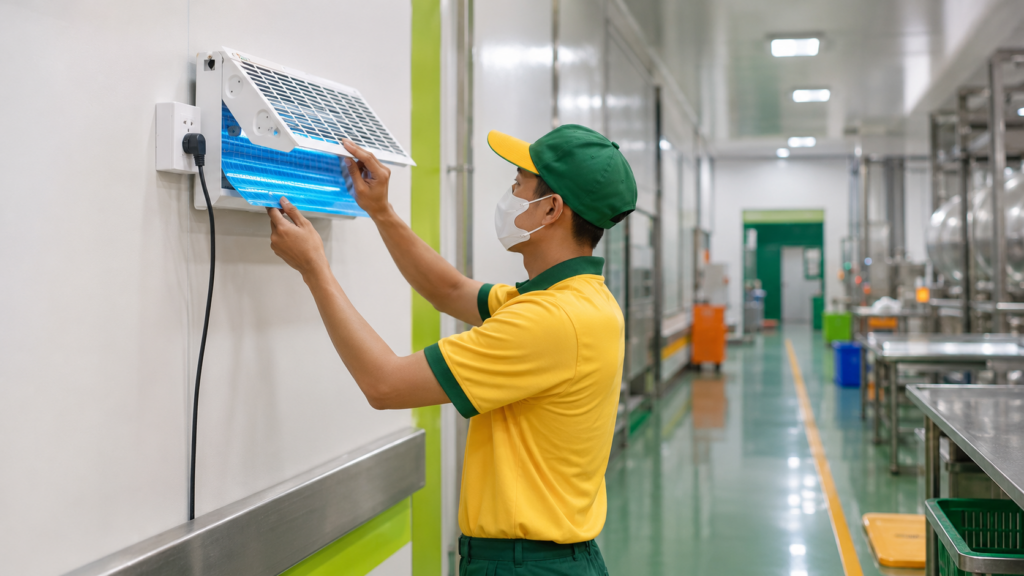
    Insect control in food manufacturing facilities: Process, standards and effective solutions

    In the food industry, insects not only create hygiene concerns but may also directly affect product quality, food safety and a company’s reputation. Flies, cockroaches, ants, stored-product insects and other flying insects may enter production areas, raw material warehouses, packaging areas or ancillary facilities when an appropriate control programme is not in place.

  • nhung-khu-vuc-nao-trong-sieu-thi-va-trung-tam-thuong-mai-de-phat-sinh-con-trung

    Pest Control By Facility

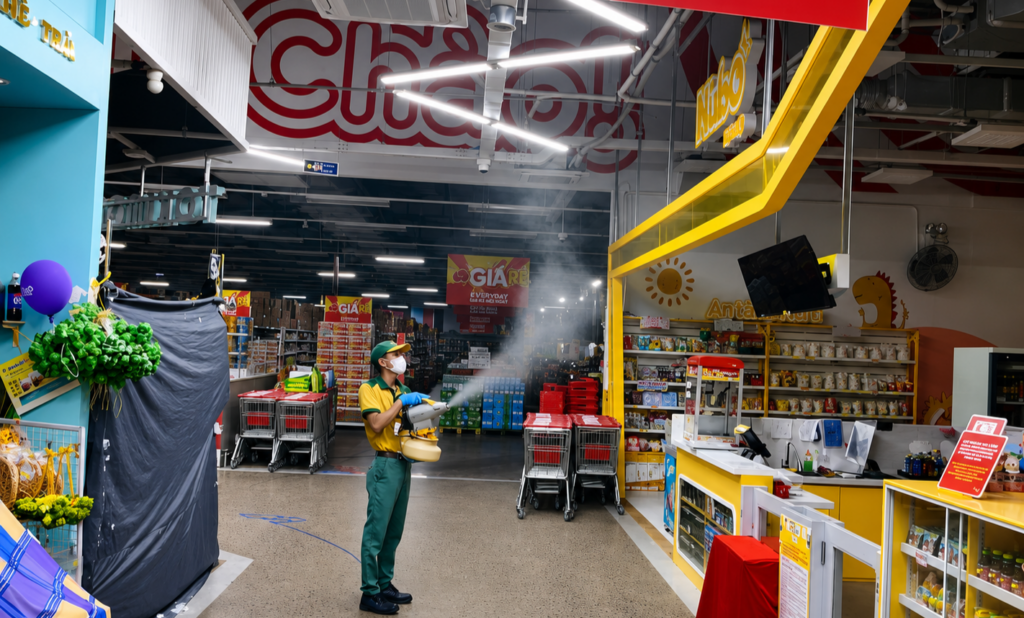
    Which areas in supermarkets and shopping malls are prone to pest infestation?

    Insects can appear anywhere in supermarkets and malls, from warehouses and fresh food sections to food courts and waste rooms. Therefore, control must rely on a comprehensive management program rather than isolated treatments at specific locations

image

Ready to eliminate audit risks and proactively protect customer experience & brand reputation?

    Fill out the form below and a VFC PestMan specialist will contact you as soon as possible.

    Dear Valued Visitor,
    ​To protect our clients' interests, all materials here are copyrighted and may not be reproduced without permission.
    ​We appreciate your cooperation. Should you need to use our content professionally, please contact us directly.