





By VFC PestMan | 29-08-2026
Dormitories that have been closed for a long period may still experience cockroaches, ants, mosquitoes, bed bugs, flies, termites and rodents in rooms, kitchens, toilets or technical areas. Before students return, management needs to survey pest sources, address high-risk areas and verify results so that dormitory pest control is effective and recurrence is reduced.
1. Why is dormitory pest control necessary before reopening?
Closing a dormitory reduces direct food sources from people, but it does not eliminate all conditions that allow pests to survive. Food crumbs, grease, cardboard, personal belongings, dry food or remaining waste can sustain cockroaches, ants and rodents. Leaking taps, equipment drip trays, tanks, gutters, plant pots, rooftops and manholes may continue to provide water or moisture.
The quiet environment also allows pests to remain undisturbed for longer periods. Rooms that are rarely opened, storage areas that remain untouched, technical ceilings that are seldom inspected and landscaping that is not regularly maintained can allow pests to move without being easily detected. Gaps beneath doors, damaged screens, unsealed wall penetrations or poorly fitted drain covers can become entry routes.
A dormitory pest control plan needs to consider food, water, harbourage and entry routes together. These four conditions explain why pests can continue to survive in a building that is temporarily out of use.
The risk at each facility depends on its structure, closure period, season, surrounding environment and pest history. Buildings near canals or waterways may experience higher mosquito and rodent pressure. Facilities with extensive wooden interiors need to pay closer attention to termites. Dormitories with a history of bed bugs need to inspect beds, mattresses and textiles before rooms are occupied again.
Dormitory pest controlshould therefore be treated as part of a reopening-preparation programme. The programme includes gathering historical information, conducting surveys, correcting favourable conditions, treating according to species and verifying effectiveness before rooms are handed over. For educational facilities with accommodation, kitchens, toilets and surrounding grounds, these activities should be connected within a comprehensive IPM programme for boarding schools rather than managed separately by area.
2. Seven pest groups to inspect during dormitory pest control
2.1. Cockroaches in kitchens, toilets and technical systems
Cockroaches often concentrate in areas with moisture, warmth, narrow gaps and organic food sources. In dormitories, important locations include shared kitchens, canteens, cabinets beneath sinks, waste rooms, toilets, laundry rooms, manholes, technical boxes and areas behind equipment.
For dormitory pest control, cockroaches should be prioritised in areas with water and food because these are often the sources that sustain populations throughout the closure period.
When the building is unoccupied, cockroaches may move from areas with limited food into neighbouring rooms through pipes, wall gaps, cable trays and suspended ceilings. Packaging, organic residue in drains and forgotten dry food can still support populations. Many cockroach harbourages are deep inside gaps and are difficult to detect through daytime visual inspection.
Signs to inspect include live cockroaches, carcasses, black speck-like droppings, egg cases, unusual odours and data from monitoring traps. A dormitory pest control programme needs to identify the cockroach species, concentration points and movement routes before selecting vacuum cleaning, gel bait, traps or targeted residual treatment.
2.2. Ants entering along foraging routes
Ants may enter from vegetation, wall gaps, pipes and nests outside the building. Rooms that have been closed for long periods may still contain sweets, beverages, dry foods or scented cosmetics. When food sources change, ant colonies may establish new foraging routes into other areas.
A dormitory pest control survey needs to record where ants appear and their direction of movement to distinguish a temporary foraging trail from colony activity within the building.
Ant trails often emerge from window gaps, electrical outlets, wall bases, pipes or tree branches touching the exterior of the building. Wiping away visible ants only provides immediate, short-term results. The dormitory pest control team needs to trace the route back, reduce attractants and treat the appropriate nest or foraging route to reduce recurrence.
2.3. Mosquitoes and larvae at water-holding points
Mosquitoes can develop in small water-holding locations such as plant trays, outdoor buckets, sagging tarpaulins, blocked gutters, manholes, rooftops, drainage channels, ornamental ponds, air-conditioning drip trays or discarded items.
Risk increases significantly when the closure period overlaps with the rainy season. Adult mosquito treatment can reduce the number of active mosquitoes at the time of application. However, larvae will continue to produce new adults if standing water is not removed or properly treated.
Therefore, mosquito control in dormitories must include inspection of water sources, larval control and assessment of adult mosquito resting sites. For grounds with many water-holding points, management can further consider combining source-based larval control with adult mosquito treatment.
The survey needs to cover both indoor and perimeter areas. Dark rooms, curtains, stair undersides, landscaped areas, sheltered corridors and technical rooms may provide resting areas for adult mosquitoes. Dormitory pest control should combine adult mosquito control with water-source management to maintain results after students return.
2.4. Bed bugs persisting in sleeping areas
Bed bugs commonly spread through luggage, clothing, mattresses, beds or second-hand furniture. Rooms that had bed bug activity before closure still need to be reinspected because adult bed bugs can survive for many months without a blood meal.
Areas to inspect include mattress seams and edges, bed frames, headboards, cabinet gaps, wall bases, electrical outlets near beds, curtains and furniture close to sleeping areas. Common signs include live insects, shed skins, eggs, dark faecal spots or small blood stains on fabrics. Skin bites alone are not sufficient to confirm bed bugs because individual reactions vary.
Within a dormitory pest control programme, confirmation of bed bugs determines which rooms need to be isolated and how mattresses, beds and related textiles should be treated.
Bed bugs require a dedicated process covering specimen confirmation, isolation of affected rooms, treatment of belongings and post-treatment monitoring. Broad spraying across all rooms may miss harbourages or cause bed bugs to spread if implemented incorrectly. Therefore, dormitory pest control plans need to treat bed bugs as a specialised item. Before determining the treatment scope, management should understand bed bug signs and how to confirm activity on mattresses, bed frames and gaps around sleeping areas.
2.5. Flies and small flies from organic sources
House flies, fruit flies and drain flies originate from different sources. Accumulated waste, spoiled food, residue inside waste bins, organic build-up in drains and forgotten fruit can all support fly breeding.
Drain flies commonly appear around floor drains, sinks and damp areas. Spraying adult flies only provides short-term results if the organic layer where larvae develop remains. Kitchens, canteens and waste rooms need to be cleaned not only on visible surfaces but also beneath equipment, in floor gaps and along the internal surfaces of drains.
Dormitory fly control needs to identify the correct organic source because each fly group has different breeding locations and sanitation requirements.
When students return, the volume of food and waste can increase rapidly, which may also increase fly density. The dormitory pest control programme needs to be linked with deep cleaning, door and screen control, organised waste-collection routes and a post-reopening monitoring plan.
2.6. Termites and wood-damaging insects
Termites operate discreetly inside wood, walls, floors and entry routes from the soil. Even when dormitories are unoccupied, cellulose remains available in door frames, cabinets, wooden beds, flooring, paper and building materials. Water leaks and prolonged moisture may also make some areas more favourable to termites.
Signs requiring attention include mud tubes, hollow or softened wood, discarded termite wings, blistered paint and damage around wall bases or toilets. These signs help identify areas requiring more detailed investigation. The extent of activity inside structures needs to be assessed by technicians before opening up or treating the area. In particular, if winged termites or discarded wings are found inside a room, management needs to determine whether termite activity is associated with the building structure or whether the insects have dispersed from surrounding areas.
When the dormitory pest control scope includes termites, management needs to clearly separate structural termite inspection from routine insect treatment.
For buildings with a history of termites, the dormitory pest control plan should include inspection of damp areas, at-risk wooden components and any existing termite monitoring system. The treatment approach depends on termite species, structural conditions and the extent of recorded activity.
2.7. Rodents in the dormitory pest management programme
Rodents are not insects, but they should always be included in the pest management programme. A quiet building may become a harbourage site when access routes exist through drains, roofs, door gaps, vegetation, technical ceilings or openings around pipes. Once rodent signs are recorded, the next step should be to trace entry routes through drains, gaps beneath doors, technical pipes, roofs and perimeter areas before simply increasing the number of traps or bait points indoors.
Food remaining in canteens, storage areas, vending machines, rooms and waste areas can attract rodents. They may also gnaw electrical wiring, soft materials and packaging and build nests in areas that are rarely disturbed. Droppings, gnaw marks, grease marks along runways, nesting materials, sounds or footprints are signs that need to be recorded.
Rodent data should be integrated into the same dormitory pest control documentation so that management can monitor all pest risks on one unified map.
When rodents are detected, the dormitory pest control team needs to coordinate with the technical department to identify movement routes and entry points. Traps or bait must be placed inside protective devices, secured in the correct locations and tightly managed in environments with many students.
3. Priority areas during a dormitory pest control survey
The survey should follow the function of each area and pest movement routes. This approach helps identify relationships between perimeter areas, technical zones, common service areas and rooms.
3.1. Rooms and sleeping areas

Beds, mattresses, cabinets, wall bases, curtains, electrical outlets, personal belongings left behind and gaps around pipes are key locations. These areas may show bed bugs, ants, cockroaches and termites. Rooms with previous complaints should be marked for closer inspection together with adjacent rooms.
Dormitory pest control surveys in rooms should follow the same sequence each time to reduce the risk of missing gaps or items with potential pest activity.
3.2. Shared kitchens, canteens and food storage areas
Management needs to review expired food, grease, areas beneath equipment, cabinets under sinks, dry storage, floor gaps and signs of cockroaches, ants, flies or rodents. Equipment should be moved for inspection when technical and safety conditions allow. These are often high-priority areas in dormitory pest control.
3.3. Toilets, laundry rooms and drainage systems
Leaks, standing water, organic residue, rarely used floor drains and pipes passing through walls need to be inspected. Dry drain traps should be restored according to the building’s operating instructions to reduce odours and movement of organisms from the drainage system.
3.4. Waste rooms and collection routes
Waste bins, floors, wall bases, doors, bin-washing points, transport schedules and outdoor waste locations may simultaneously relate to flies, cockroaches, ants and rodents. Waste-room cleaning needs to be completed before treatment so that chemicals or control devices can reach the intended surfaces.
3.5. Basements, technical rooms and suspended ceilings
Pipes, cable trays, wall penetrations, water leaks, electrical boxes and voids between floors form movement networks for cockroaches, rodents and ants. Survey findings in these areas help the dormitory pest control programme identify causes of recurrence across multiple rooms.
3.6. Rooftops, balconies and perimeter areas
Water-holding containers, gutters, tanks, plant pots, drains, vegetation touching the building, door gaps and materials stored against walls need to be inspected. Mosquito, ant or rodent pressure from the perimeter will continue to affect indoor areas if these sources are not managed.
4. Should the entire dormitory be sprayed?
Spraying the entire building should not be the default approach. Each pest has different habitats and requires different control methods. Adult mosquitoes may require space treatment or treatment of resting areas. Cockroaches often require a combination of sanitation, vacuuming of gaps, gel bait, traps and localised treatment. Ants require identification of foraging routes. Bed bugs require dedicated treatment of rooms and related belongings. Termites require investigation of activity routes within structures.
A spraying programme carried out without a survey may fail to reach the pest source, while areas without problems still have to go through isolation and post-treatment cleaning procedures. Dormitories have high occupancy, many personal belongings and continuous daily routines. A dormitory pest control plan needs to clearly define the treatment scope, isolation period, covering or removal requirements for belongings, ventilation conditions and the safe handover time.
Treatment decisions should be based on identified species, signs, trap data, complaint history and risk level. This approach helps focus on the true source, reduce recurrence and make it easier for management to explain actions to the school, students or parents.
Therefore, dormitory pest control needs to apply the correct method to the correct area instead of using the same spraying approach throughout the building. This is also the core difference between spraying to rapidly reduce pest density and IPM to manage sources, entry routes and long-term recurrence risks.
5. Dormitory pest control process before reopening
5.1. Collect history and establish risk zones
Management needs to compile complaints from before the closure, building maps, trap locations, maintenance records, areas with previous water leaks and rooms where bed bugs, cockroaches, ants or rodents were recorded. These data help the survey team prioritise the correct areas and identify possible spread between floors.
5.2. Survey and identify species
Technicians inspect signs, collect specimens when necessary, place monitoring devices and review entry routes. The survey results need to answer four questions: which species are present, where they are concentrated, which conditions are sustaining them and which areas are likely to be affected next.
5.3. Correct attractants and entry routes
The operations team removes remaining food, cleans grease, removes organic residue, dries damp areas, clears drainage, organises storage and manages waste. The technical team repairs leaks, replaces damaged screens, installs door sweeps and seals appropriate gaps. These actions provide the foundation for maintaining dormitory pest control results for longer periods.
5.4. Treat according to species and area
Methods are selected according to survey results. The programme may combine monitoring traps, gel bait, vacuum cleaning, gap treatment, targeted residual spraying, adult mosquito control, larval treatment, rodent control or specialised approaches for bed bugs and termites. Treatment areas, chemicals, dosages, isolation times and safety requirements need to be clearly recorded.
Each dormitory pest control activity needs completion criteria and a suitable reinspection time based on the biological characteristics of the target species.
5.5. Verify effectiveness before handover
After treatment, technicians recheck traps, signs and locations where activity was previously recorded. Areas that do not meet requirements need additional treatment or continued monitoring. Room handover based on inspection results helps confirm that the dormitory pest control programme has addressed the source rather than simply completed a spraying schedule.
5.6. Monitor after students return
The reopening phase may create new risks from luggage, food, furniture and increased waste volumes. Management needs to maintain a reporting channel, record the time and location of pest sightings and forward information to the pest control provider. Data by room, floor and time help detect trends early. In dormitories with many floors and monitoring points, data can be digitised to track trends over time, identify hotspots and retrieve the history of each monitoring point.
6. How should the parties coordinate in a dormitory pest control programme?
Management coordinates survey schedules, communicates treatment scope, controls access to rooms and maintains records. The technical department handles leaks, structural gaps, doors, screens, drainage and other recommended structural items. The sanitation team cleans the correct locations, manages waste and reports signs observed during its work.
Students need guidance on food storage, waste disposal, keeping toilets dry and ventilated, and how to report pest sightings. For bed bugs, independently moving mattresses, bedding or belongings from a suspected room to another room may increase the risk of spread. Communications need to clearly identify the contact point and appropriate temporary actions.
Coordination between the parties helps turn dormitory pest control into a data-based management programme. Management can track location, cause, actions taken and post-treatment results instead of handling each complaint separately. For facilities involving multiple departments, responsibilities should be standardised into training procedures, checklists and IPM monitoring mechanisms for management, technical teams, sanitation staff and other relevant operating departments..
Having one designated person responsible for dormitory pest control helps consolidate information from students, sanitation teams, technical staff and service providers more quickly.
7. How does VFC PestMan implement dormitory pest control?
VFC PestMan conducts site surveys, assesses risks and develops an Integrated Pest Management programme suited to the characteristics of each dormitory. The scope may include cockroaches, ants, flies, mosquitoes, bed bugs, termites, rodents and pest groups associated with the surrounding grounds.
The approach is designed according to each functional area, from rooms, canteens, laundry rooms, toilets and waste rooms to basements, technical areas, rooftops and external landscaping. The technical team combines sanitation, exclusion, monitoring and targeted treatment to suit room-opening schedules and the safety requirements of the educational facility.
After each dormitory pest control service, management receives information on pest-detection locations, favourable conditions, corrective items and follow-up results. These data support maintenance planning, internal coordination and resource prioritisation before students return.
An early survey provides enough time to address pest sources, repair structural issues and evaluate effectiveness. VFC PestMan can support the facility from survey and implementation through handover and monitoring during the reopening phase.
The proposed dormitory pest control scope is based on actual data from each building, helping management prioritise the correct areas and proactively organise operational schedules.
Once the scope and target pest groups have been identified, PestMan can implement an IPM-based insect and rodent control programme across the entire boarding facility, from rooms, kitchens and toilets to technical and perimeter areas.
8. Frequently Asked Questions about dormitory pest control
Will bed bugs disappear on their own if the dormitory is unoccupied?
This cannot be assumed. Adult bed bugs can survive for many months without a blood meal and hide in gaps around beds, mattresses, cabinets or wall bases. Rooms with a previous bed bug history need to be inspected, confirmed and monitored before new occupants are assigned.
Is one spraying treatment before reopening enough?
Results depend on the species, level of activity and source. A single spraying treatment may reduce active adult insects but may not address eggs, larvae, deeply hidden harbourages, water sources, entry routes or sanitation conditions. A survey, corrective action and reinspection will determine whether further treatment is required.
How long before students return should the survey be conducted?
Management should begin early enough to allow time for cleaning, repairs, treatment and reassessment. The exact timing depends on building size, number of rooms, pest history and treatment methods required. Facilities with previous bed bug, termite or rodent issues usually need a longer plan than a routine insect treatment.
The dormitory pest control schedule should allow enough time for reinspection and additional treatment if the initial results do not meet requirements.
Do all rooms need to be inspected?
The inspection scope is determined by history, connectivity between rooms and the pest group involved. Rooms with previous complaints, adjacent rooms, areas around technical shafts and rooms containing many stored belongings should be prioritised. For risks that may spread across multiple rooms, an expanded survey helps reduce the chance of missing affected areas.
Can a newly renovated dormitory still have pest risks?
Yes. Construction materials, cardboard, furniture, open doors during construction and incomplete technical gaps can introduce pests into the building. After renovation, there may also be standing water, debris, organic dust or wall penetrations that need sealing. Sanitation acceptance and dormitory pest control should be included in the reopening plan.
How can bed bugs entering through luggage be reduced?
Management should provide guidance on recognising signs, early reporting procedures and handling suspected items. Second-hand furniture or mattresses need to be inspected before being placed in rooms. When bed bugs are suspected, students should keep belongings in place, avoid moving them to other rooms and contact the responsible team for confirmation.
Dormitories that have been closed for long periods may still maintain many favourable conditions for cockroaches, ants, mosquitoes, bed bugs, flies, termites and rodents. Reopening also introduces food, water, waste, luggage and new belongings, which can cause hidden problems to become apparent.
Preparing dormitory pest control early gives departments enough time to complete sanitation, maintenance and effectiveness checks before students return.
A dormitory pest control programme should begin with a survey, species identification and source zoning. Sanitation, infrastructure repairs, entry prevention, targeted treatment and reinspection help management prepare a safe, clean accommodation environment that is ready to receive students.
If the facility has been closed for a long period or is preparing to return rooms to use, VFC PestMan can survey the site and develop a dormitory pest control plan suited to current conditions, operating schedules and the risk level of each area.


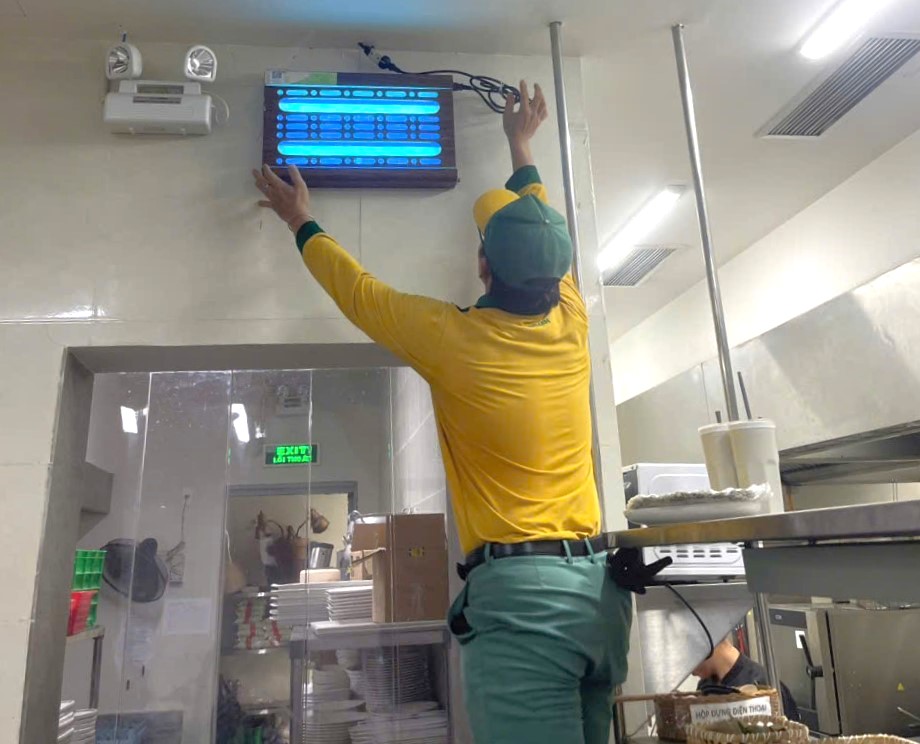
Các loại bẫy và thiết bị giám sát dịch hại trong nhà máy
Bẫy và thiết bị giám sát là một phần quan trọng trong chương trình kiểm…

Pheromone traps: An insect monitoring solution for pest control
Pheromone traps are applied in pest control due to their ability to attract...
Related news




Ready to eliminate audit risks and proactively protect customer experience & brand reputation?





Dear Valued Visitor,
To protect our clients' interests, all materials here are copyrighted and may not be reproduced without permission.
We appreciate your cooperation. Should you need to use our content professionally, please contact us directly.