





By VFC PestMan | 29-09-2026
The presence of snakes in factories, warehouses or technical areas is a situation that needs to be handled according to a clear safety procedure. The risk is often associated with perimeter areas with dense vegetation, drains, food sources such as rodents and frogs, structural gaps or low-traffic locations.
When a snake is detected in a factory, the business’s first priority is to protect people, control the site and assign the handling process to trained personnel.
1. Why can snakes appear in factories and warehouses?
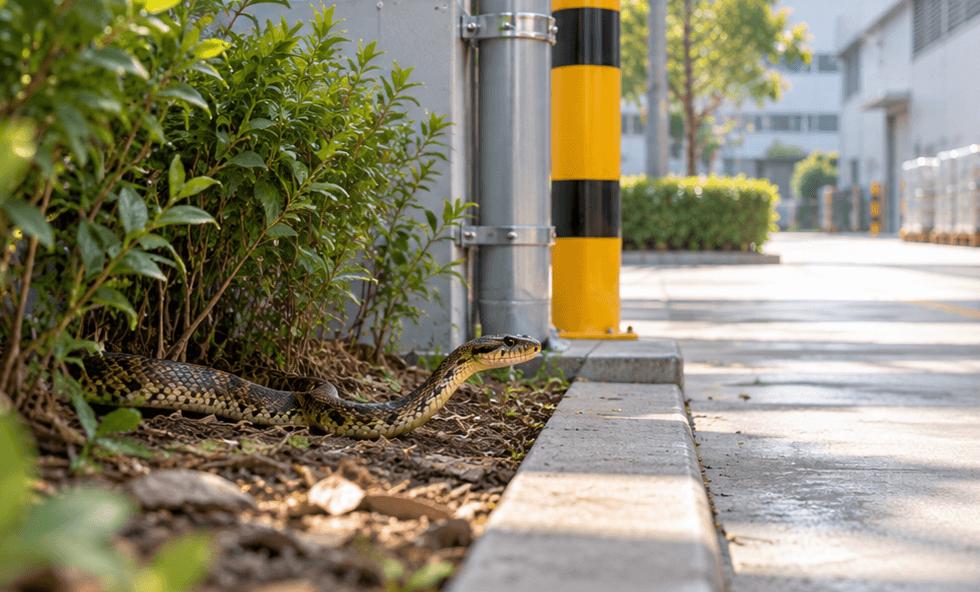
Factories and warehouses often contain multiple routes that snakes can use to access the facility from the outside environment. Drainage channels, fences, vegetation close to buildings, pipes, gaps beneath doors and service openings can all become movement routes.
Food sources also significantly affect the likelihood of snakes appearing. Areas with rodents, frogs or large numbers of insects provide conditions for snakes to search for prey. Therefore, a snake incident can sometimes also indicate that the business needs to review its rodent-control programme and perimeter conditions.
The presence of snakes may also be a sign that the factory needs to investigate why rodents continue to appear despite having many traps in place and reviewing perimeter conditions.
Weather conditions can change snake sheltering behaviour. After heavy rain, localised flooding or disturbances in the outside environment, snakes may move to higher and more enclosed areas such as warehouses, spaces beneath pallets, technical rooms or areas beneath equipment.
Businesses should treat the detection of a snake in the factory as both an on-site incident that needs to be handled and a data point for reassessing entry routes around the facility.
2. Step 1: Keep a safe distance and warn people nearby
The first person who sees the snake should stop approaching and maintain a safe distance. Attempts to chase, poke, throw objects at or capture the snake may increase the risk of a defensive reaction and cause personnel to lose track of its location.
The person who detects the snake needs to immediately notify the area manager, HSE/EHS, security or the responsible department according to the internal procedure. The information should be brief and specific: location, time, direction of movement and the area where the snake is hiding if it can still be observed.
If the snake can be observed from a safe position, the business should assign one person to monitor and update its location. This helps the response team know which area to approach when they arrive on site.
3. Step 2: Isolate the area where the snake was detected
After receiving the information, the responsible person needs to restrict personnel and vehicle access to the area. Warning tape, traffic cones or temporary control points can be used to create a clear boundary around the site.
In warehouses, isolation is especially important if the snake appears near forklift routes, picking areas, loading docks or main walkways. Temporarily adjusting operational flow within the necessary area helps reduce the likelihood of personnel accidentally approaching the snake.
The isolation zone should be adjusted according to site conditions and the snake’s actual location. The responsible person needs to avoid creating additional activity, noise or vibration immediately around the area where the snake is hiding.
4. Step 3: Maintain visual observation and limit the snake’s movement to other areas
Maintaining information about the snake’s location helps make the response safer and faster. If the snake is beneath a pallet, near equipment or in a warehouse corner, the observer should remember the exact location and provide updates if it moves.
If the snake is inside a room or an area that can be isolated, the door may be closed only if this can be done from a safe position without requiring personnel to approach the snake. Actions such as moving pallets, turning over materials or reaching into gaps to locate the snake need to be avoided.
For snake control in warehouses, keeping the site relatively undisturbed is very important. Moving goods before the snake’s location has been identified may cause it to move to another concealed area and expand the search zone.
5. Step 4: Assign the handling process to trained personnel
Snake capture and relocation need to be carried out by trained personnel using specialised tools. Regular operational staff should not improvise poles, use warehouse equipment or organise groups of people to surround and capture the snake.
The specialised team needs to assess the location, area characteristics, accessibility and level of risk before taking action. Personal protective equipment and handling tools need to comply with the service provider’s safety procedures and the specific conditions on site.
VFC PestMan provides snake control as part of its specialised pest-control services for factories, warehouses, hotels, resorts and B2B operating environments. The handling process is combined with an assessment of the surrounding environment to identify factors that may cause snakes to continue appearing.
6. Step 5: Review the causes after the snake has been handled
Resolving the on-site situation addresses only the immediate incident. The business needs to determine where the snake entered the facility and which conditions caused it to choose the area for shelter or food.
6.1. Inspect gaps and entry routes
Warehouse doors, gaps at the base of walls, structural joints, pipe penetrations, service openings and drains need to be inspected. Openings that may become entry routes need to be screened or sealed using materials appropriate to the structure.
Screens at drainage routes and technical areas also need to be inspected for damage or loss of connection. Some entry routes may be located quite far from where the snake was detected, so the assessment scope needs to be extended to perimeter areas.
6.2. Inspect food sources
The frequent presence of rodents, frogs or other small animals can make an area attractive to snakes. Therefore, a snake-control programme needs to be linked with Integrated Pest Management (IPM).
If rodent signs are being recorded in the warehouse, the business should reassess rodent entry routes, monitoring stations, waste areas and food sources. Effective control of prey populations helps reduce one of the conditions that attract snakes to the facility.
6.3. Inspect landscaping and perimeter materials
Tall grass, shrubs close to walls, damaged pallets, infrequently used materials and areas where items are stored for long periods create many concealed spaces. Maintaining clear space around the building helps the operations team observe abnormal signs more easily.
These areas should be included in the periodic inspection schedule, particularly after heavy rain or when the environment surrounding the factory changes.
7. How should businesses record snake incidents?
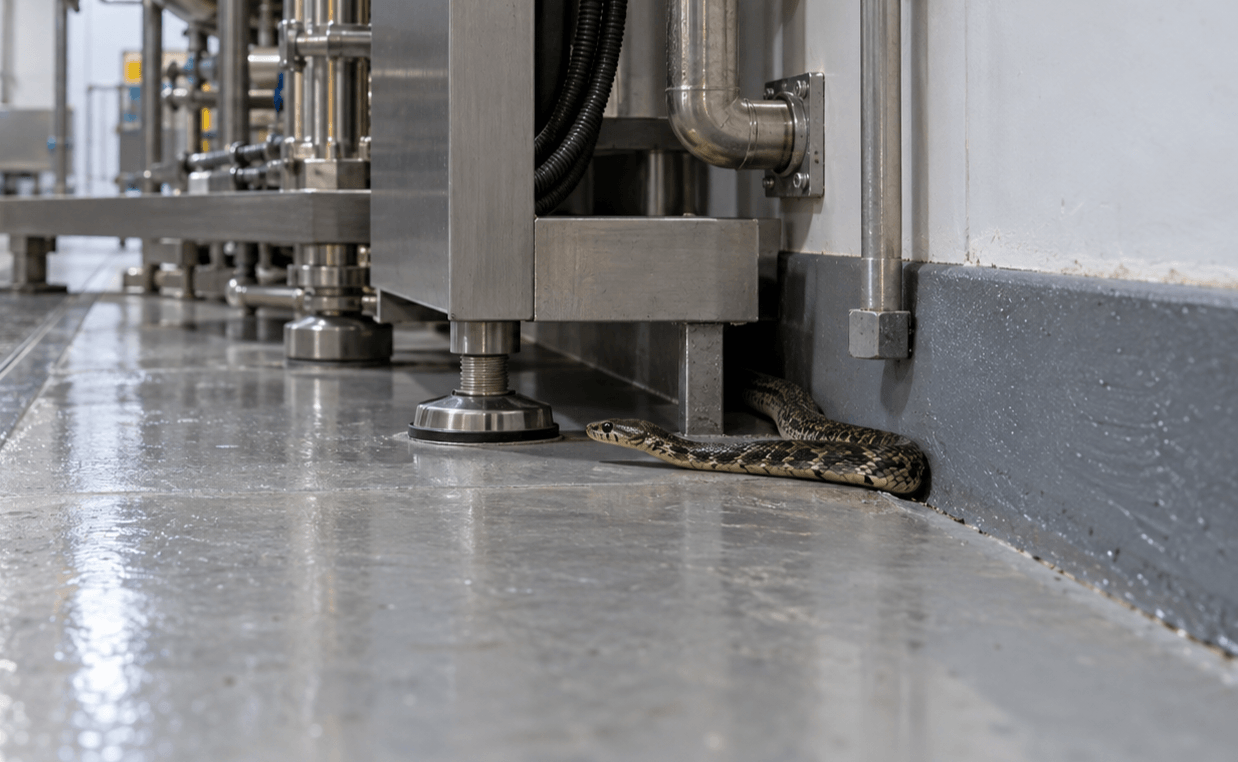
Each snake detection in a factory should be recorded as a safety incident requiring pest control. Records may include the time of detection, location, photographs taken from a safe distance if available, direction of movement, treatment area and corrective actions taken after the incident.
Pest-monitoring data help HSE, QA and the pest control provider identify locations with repeated occurrences. If multiple incidents are concentrated around the same loading area, technical drain or perimeter fence, the business has a basis for prioritising infrastructure improvements in that area.
Reports should also clearly record completed actions such as sealing gaps, clearing vegetation, adding screens or strengthening rodent control. This provides useful evidence when the business needs to review risks or present corrective actions during audits.
8. How can businesses reduce the risk of snakes returning?
8.1. Manage perimeter areas
Landscaping around the factory needs to be kept sufficiently clear to reduce hiding places. Tall grass, shrubs close to walls and accumulated materials should be included in sanitation and maintenance plans.
Drainage areas also need to be inspected regularly. Screens and junction points with the building need to remain in appropriate condition to limit crawling animals from entering.
8.2. Control rodents and food sources
Rodents are a potential food source for many snake species. An effective rodent-control programme helps reduce conditions that attract snakes around warehouses and factory buildings.
Businesses should monitor trap data, rodent signs, food sources and entry routes. Waste areas, canteens, raw material warehouses and locations with spilled materials need to be well managed.
8.3. Seal entry routes
Gaps beneath doors, spaces around pipes, wall penetrations and points connecting the outside with the inside need to be assessed periodically. Sealing these routes helps reduce the risk from snakes, rodents and several other pest groups at the same time.
This is an important part of an IPM programme because the business is directly addressing entry routes rather than waiting for pests to appear inside.
8.4. Increase inspections after heavy rain
Heavy rain can alter the natural sheltering areas of animals. After unusual weather events, the operations team should increase inspections of perimeter areas, drains, loading docks, spaces beneath pallets and low-traffic areas.
For facilities with repeated snake incidents, the monitoring schedule should be adjusted according to season and the occurrence history of the specific location. If snakes continue to return, the business should reassess its pest management programme.
9. What guidance should factory employees receive for snake encounters?
Employees should clearly understand one principle: detect – keep a safe distance – warn others – notify the responsible person. The simpler the procedure, the greater the likelihood of an appropriate response when an incident occurs.
HSE can include snake-response procedures in safety training at facilities with relevant risk. Employees need to know the internal contact number to call, the safe assembly area and the person responsible for coordinating the site.
Training also helps reduce attempts to capture or surround snakes out of curiosity. In warehouse snake incidents, a consistent employee response plays an important role in keeping the site safe before the specialised team arrives.
10. What first aid should be provided in the event of a snakebite?
A snakebite is a medical emergency. The person who has been bitten needs to limit movement, remain still and be transferred to a medical facility as soon as possible. WHO recommends immobilising the person, removing tight items around areas at risk of swelling and rapidly transporting the patient to a facility capable of treating snakebite.
Businesses need to avoid traditional practices such as cutting the bite wound, sucking out venom or using an arterial tourniquet. WHO warns that these measures may cause harm and delay access to appropriate treatment.
If it can be done safely, a photograph of the snake may be taken from a distance to help medical personnel identify it. CDC also recommends not attempting to capture or handle the snake, even if it is dead, because approaching it may create an additional risk of being bitten.
Businesses should establish a medical-transfer plan in advance as part of the emergency response plan, including contact points, transportation and the intended medical facility. This helps reduce decision-making time when an incident occurs.
11. Which snake-handling approaches should businesses avoid?
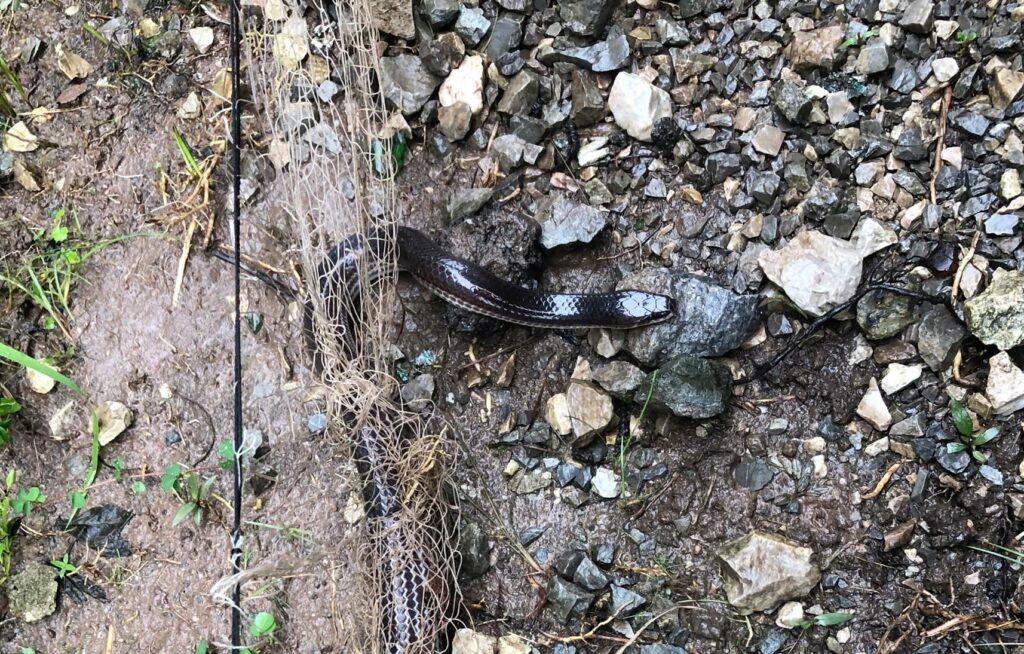
Organising employees to surround and capture the snake
A large group gathering around the snake increases the number of people exposed to the hazardous area. The situation also becomes more difficult to control when each person reacts differently.
Using poles or warehouse equipment to attack the snake
Short distance and unsuitable tools increase the risk of direct contact. The business should maintain area isolation and assign the handling process to trained personnel.
Moving pallets to search for the snake without proper assessment
The snake may be inside gaps between goods, beneath pallets or in technical areas. Moving materials may cause personnel to lose track of its location and drive the snake into another area.
Relying on traditional deterrent methods
Methods such as spreading lime, planting a particular type of plant or relying on a single repellent odour are unlikely to address the main factors such as rodents, shelter and entry routes. Businesses should prioritise environmental management, food-source control and structural improvements.
12. Frequently asked questions when a snake is detected in a factory
What should employees do first when a snake is detected in a warehouse?
Employees should keep a safe distance, warn people nearby and notify management, HSE or security according to the internal procedure. The area needs to be temporarily controlled to restrict personnel and vehicle access.
Should security personnel capture the snake themselves?
Only personnel who have been trained and have appropriate procedures and equipment should perform direct handling. Untrained personnel should focus on isolating the area and helping control access.
Why can snakes repeatedly appear in warehouses?
The cause may be related to rodent populations, perimeter conditions, vegetation, drains, gaps or shelter around the warehouse. Repeated occurrences are a signal that a comprehensive assessment is needed rather than handling individual snakes separately.
Does the factory need to be reinspected after the snake has been captured?
Yes. The area where the snake was detected and nearby routes should be assessed to identify entry points, food sources and shelter. Corrective actions need to be followed up to evaluate their effectiveness.
13. From a single snake detection to a long-term prevention programme
A single snake detection in a factory can provide more information than an isolated incident alone. The location may indicate an entry route, a landscaping area that needs adjustment, a location experiencing rodent pressure or a structure that needs better exclusion.
VFC PestMan implements snake control by combining incident response with environmental assessment and Integrated Pest Management. This approach helps businesses shift from reacting after an incident to proactively reducing the conditions that allow snakes to access factories and warehouses.
In addition to on-site snake control, VFC PestMan supports risk assessment and the development of IPM programmes to reduce the conditions that allow pests to return.
If your factory or warehouse is experiencing a snake incident, needs an assessment of the current pest situation, or wants to develop a control programme suitable for a factory, warehouse, hotel or other facility, VFC PestMan can support on-site assessment and recommend a solution based on actual risk.
Hotline: (+84) 932669883
Email: contact@pestman.vn


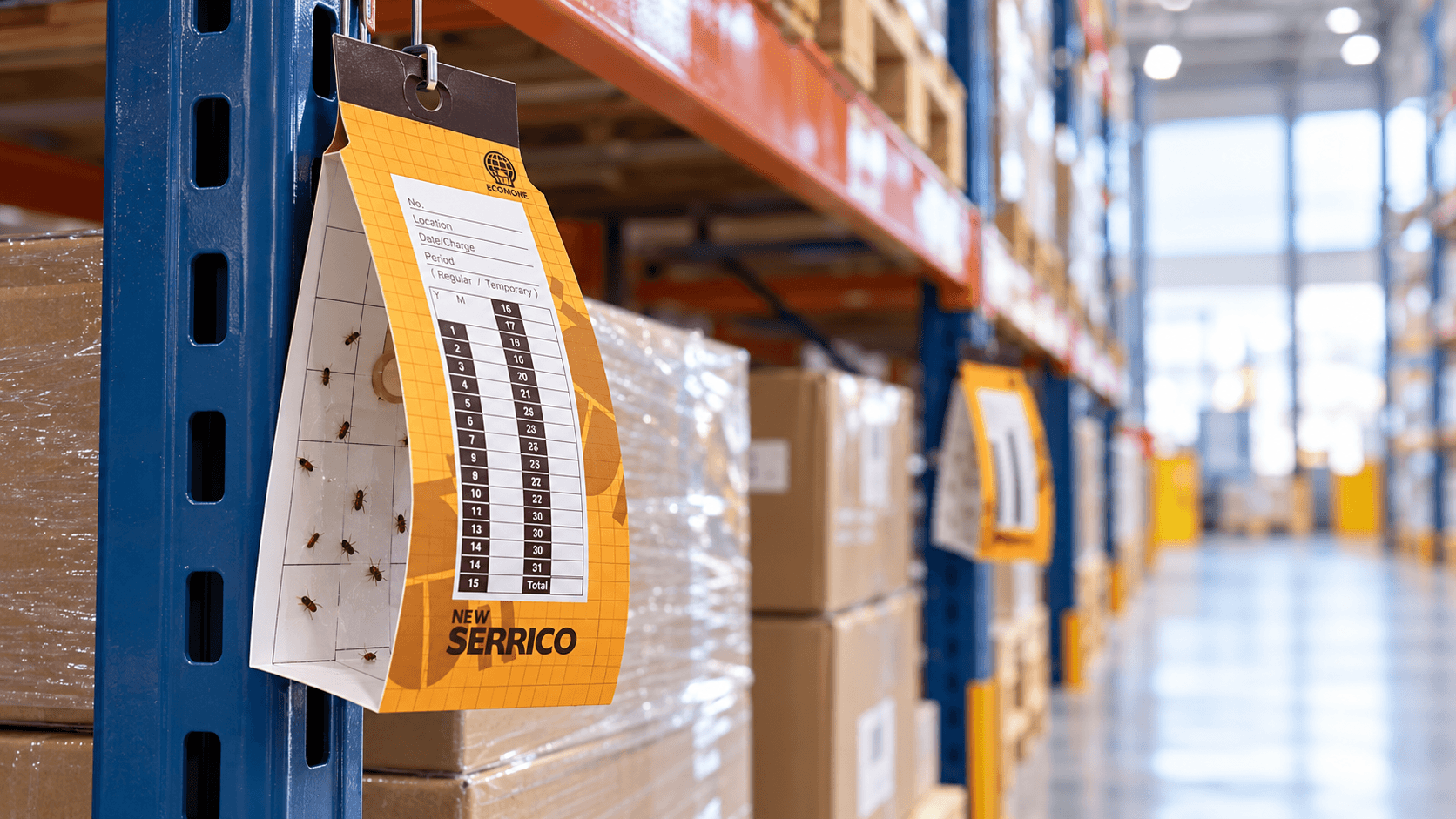
Pheromone traps: An insect monitoring solution for pest control
Pheromone traps are applied in pest control due to their ability to attract...
Effective methods and processes for warehouse pest control
Kho hàng là nơi tập trung nguyên liệu, thành phẩm, bao bì, pallet và lượng…

Related news

Ready to eliminate audit risks and proactively protect customer experience & brand reputation?





Dear Valued Visitor,
To protect our clients' interests, all materials here are copyrighted and may not be reproduced without permission.
We appreciate your cooperation. Should you need to use our content professionally, please contact us directly.