




By pestman | 28-01-2026
House flies are a constant nightmare in every kitchen, causing not only annoyance with their buzzing sound but also acting as vectors for transmitting over 65 dangerous diseases to humans. Despite appearing daily, not everyone knows how to accurately identify them and implement effective fly control measures.
1. What are houseflies?
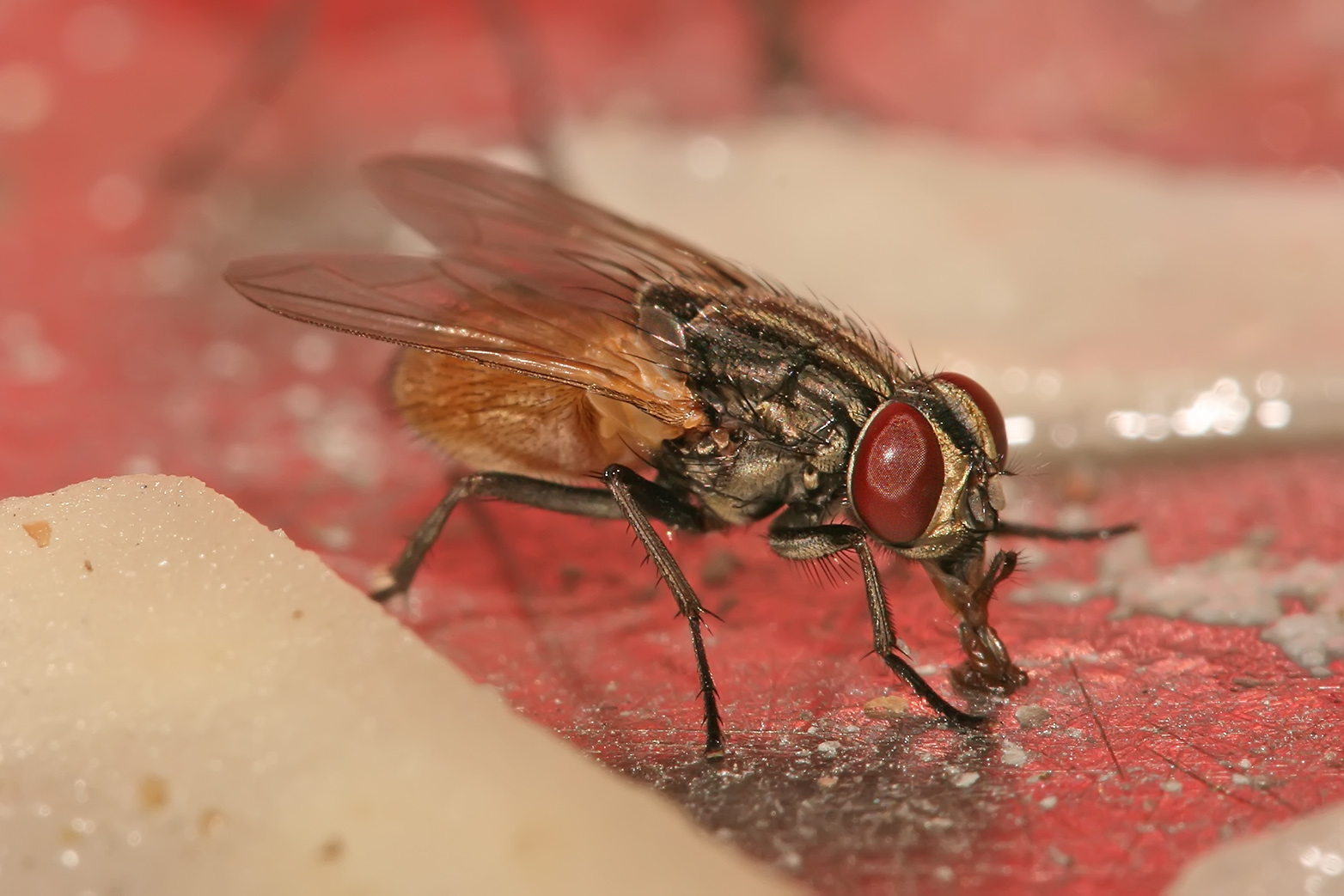
House flies are the most common species among all flies frequently encountered in residential areas. In terms of identification, this insect possesses very distinct characteristics to distinguish it from blow flies. An adult house fly typically ranges from 5 to 8mm in length with a dark grey body.
The presence of house flies is closely linked to sanitation conditions . Wherever there is organic waste or domestic garbage, flies will be present. Flies are not only pests but also a "gauge" of the cleanliness of the living environment.
What are houseflies?
2. Identifying characteristics and biological behavior of houseflies
2.1. Morphological structure
Effective control begins with proper identification. An adult house fly typically measures around 6–7mm in length. The body is gray with 4 distinctive dark stripes running longitudinally across the thorax.
The most recognizable feature is the pair of large reddish-brown compound eyes covering most of the head. Their mouthparts are designed for lapping and sucking. Although they cannot chew, they can absorb liquids extremely quickly.
2.2. Life cycle and rapid reproduction capability
The life cycle of the house fly consists of 4 main stages:
- Eggs: Hatch within 8–20 hours.
- Maggots (larvae): Thrive in moist environments.
- Pupae: The transformation stage inside the pupal case.
- Adult flies: Capable of flying and reproducing immediately.
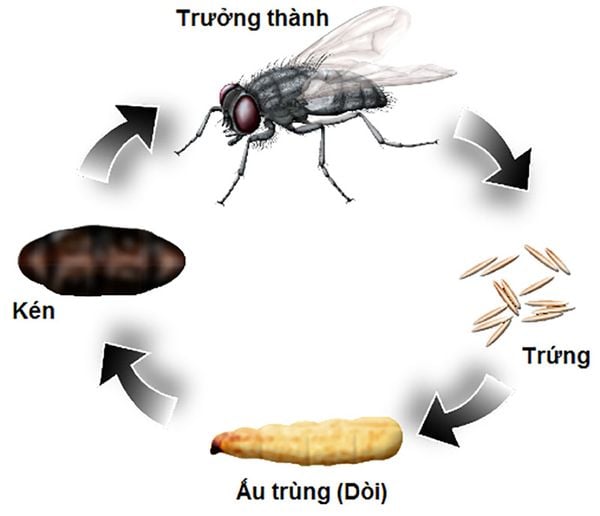
The life cycle of the housefly
You may be surprised to learn that a single pair of flies can produce millions of offspring within just a few weeks. Without timely control measures, infestations can rapidly escalate.
2.3. Feeding and harboring habits
2.3.1. Feeding habits
Preferred food sources: House flies are omnivorous and are especially attracted to decomposing organic matter, spoiled food, animal and human waste, garbage, sputum, vomit, blood, and foul-smelling substances.
Unique feeding behavior: When landing on solid food, flies release saliva containing digestive enzymes to soften and liquefy the food before sucking it up through their proboscis.
Feeding frequency: House flies need to feed 2–3 times per day. They are highly dependent on water and can survive for only around 48 hours without it.
Simultaneous feeding and excretion: House flies frequently regurgitate and defecate directly on food, which is a primary mechanism for transmitting pathogens such as typhoid, cholera, dysentery, and other infections.
2.3.2. Harboring habits (Dwelling and living places)
Resting sites (daytime): When not feeding, flies rest on floors, walls, ceilings, clotheslines, garbage bins, and low shrubs.
Resting sites (nighttime): Flies usually gather at elevated locations such as ceilings, electrical wires, or sheltered corners protected from wind.
Habitat: This fly species prefers warm environments (35–40°C), high humidity, foul odors, and areas protected from wind.
Egg-laying sites: Female flies lay eggs in clusters, with each cluster containing 75–100 eggs, within decomposing organic materials such as household waste, manure, animal carcasses, and moist garbage.
3. How to control house flies effectively and thorough prevention process
3.1. Effective fly control measures
3.1.1. Environmental sanitation measures (core)
- Waste management: Always use trash cans with tight-fitting lids, dispose of garbage daily, and periodically scrub the trash cans to eliminate odors and fly eggs.
- Kitchen sanitation: Wipe away spilled food stains and grease on tables and stoves immediately after cooking, and do not leave dirty dishes overnight in the sink.
- Animal waste management: If there are pets in the house, clean up their feces immediately, as this acts as a "magnet" attracting house flies to lay eggs.
- Moisture elimination: Repair leaking faucets and clear drains to avoid stagnant water and damp conditions.
3.1.2. Mechanical and physical methods (safe)
- Insect screens: Install screens on windows and doors to prevent flies from invading the house from the outside.
- Fly swatters and electric zappers: Use handheld electric zappers for direct elimination when flies appear sporadically.
- Sticky traps: Hang fly glue sheets at locations where they frequently rest (such as near lights or windows).
- Insect light traps: Use purple light traps to attract flies into the internal electric grid of the device.
>>> You may also be interested in: Ensystex LED insect light trap – an effective and safe flying insect control solution for all spaces
3.1.3. Using natural ingredients (Folk remedies)
- Natural essential oils: Spray or use a diffuser with lemongrass, peppermint, basil, or lavender essential oils. Flies are highly repelled by these scents.
- Vinegar and dish soap mixture: Pour apple cider vinegar into a bowl and add a few drops of dish soap. The vinegar scent attracts flies, but the dish soap breaks their surface tension, causing them to sink into the liquid.
- Orange and lemon peels: Place dried orange and lemon peels in kitchen corners or areas where flies frequently visit to repel them with natural essential oil scents.
3.1.4. Chemical measures (When house fly density is too high)
In cases of severe house fly infestations, chemical treatment may be necessary. However, only use fly baits or insecticides approved by the Ministry of Health. Always read the instructions carefully to ensure household safety.
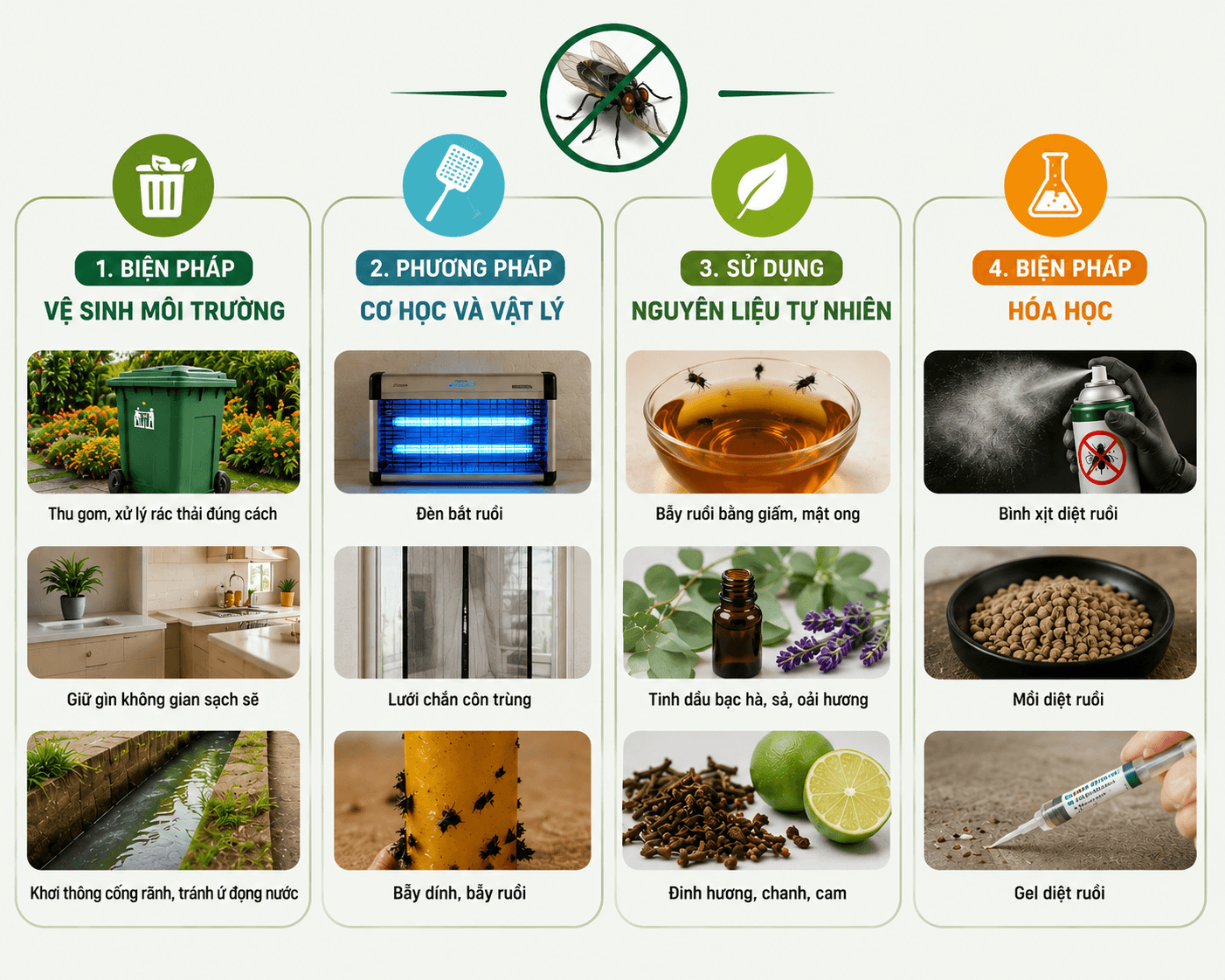
Methods for getting rid of houseflies
Nếu bạn đã áp dụng nhiều cách nhưng tình trạng vẫn không thuyên giảm, hoặc khu vực cần xử lý quá rộng lớn, việc tìm đến sự hỗ trợ chuyên sâu là vô cùng cần thiết. Một đơn vị uy tín sẽ giúp bạn xử lý triệt để mầm mống gây hại mà vẫn đảm bảo tiêu chuẩn an toàn cao nhất. Hãy tham khảo ngay dịch vụ tại Công ty diệt côn trùng tận gốc, hiệu quả an toàn và nhanh chóng để lấy lại không gian sống sạch khuẩn và yên tâm tuyệt đối cho gia đình.
3.2. Prevention process to stop house flies from returning
Quản lý nguồn thức ăn và vệ sinh (Triệt tiêu sức hút): Luôn sử dụng lồng bàn, màng bọc thực phẩm hoặc hộp kín cho mọi loại thức ăn, kể cả trái cây chín. Ngoài ra, lau sạch bàn ăn và bếp ngay sau khi nấu nướng bằng nước lau sàn hoặc giấm để khử mùi hữu cơ. Và cuối cùng là không để bát đĩa bẩn qua đêm trong bồn rửa, vì đây là “bữa tiệc” lý tưởng cho ruồi vào sáng sớm.
Quản lý rác thải chặt chẽ (Loại bỏ nơi đẻ trứng): Ưu tiên các loại thùng rác có bàn đạp và nắp kín hoàn toàn để ngăn mùi thoát ra ngoài. Đặc biệt đừng để đầy rác hữu cơ (thức ăn thừa, vỏ trái cây) mới đi đổ. Bên cạnh đó là rửa sạch thùng rác bằng chất tẩy rửa ít nhất 1 lần/tuần để loại bỏ dịch bẩn đọng lại dưới đáy.
Ngăn chặn xâm nhập vật lý (Xây dựng hàng rào) : Đầu tiên hãy kiểm tra các khe nứt quanh khung cửa sổ, cửa ra vào và các đường ống dẫn và sử dụng keo silicone hoặc miếng đệm cao su để trám kín. Kết hợp với đó là lắp lưới chống côn trùng – đây là giải pháp bền vững nhất. Lưới mắt nhỏ giúp bạn vừa đón gió thoáng vừa ngăn chặn 100% ruồi nhà và muỗi. Đối với các khu vực cửa ra vào thường xuyên (như nhà bếp, cửa kho), hãy lắp rèm nhựa PVC ngăn lạnh hoặc quạt cắt gió để cản trở đường bay của ruồi.

Quy trình ngăn ruồi nhà quay lại
4. Reasons why VFC Pestman is the most perfect choice for house fly control
Nếu bạn đã thử nhiều phương pháp thủ công nhưng ruồi nhà vẫn quay lại quấy nhiễu, đây là lúc cần đến sự can thiệp của các chuyên gia. VFC PestMan tự hào là đơn vị uy tín hàng đầu trong lĩnh vực kiểm soát dịch hại và diệt côn trùng, mang đến không gian sống an toàn cho hàng ngàn khách hàng.
Tại sao nên chọn dịch vụ tại VFC PestMan?
Điểm khác biệt lớn nhất của VFC PestMan chính là tư duy kiểm soát dịch hại (Pest Control) thay vì chỉ dừng lại ở diệt côn trùng (Pest Extermination) thông thường. Trong khi diệt côn trùng chỉ tập trung vào việc tiêu diệt những cá thể đang xuất hiện, thì quy trình kiểm soát dịch hại của chúng tôi tác động sâu vào nguyên nhân gốc rễ. Chúng tôi kết hợp giữa việc ngăn chặn nguồn thức ăn, phá hủy nơi trú ẩn và thiết lập hàng rào bảo vệ dài hạn, giúp ngăn chặn ruồi nhà tái xâm nhập một cách bền vững.
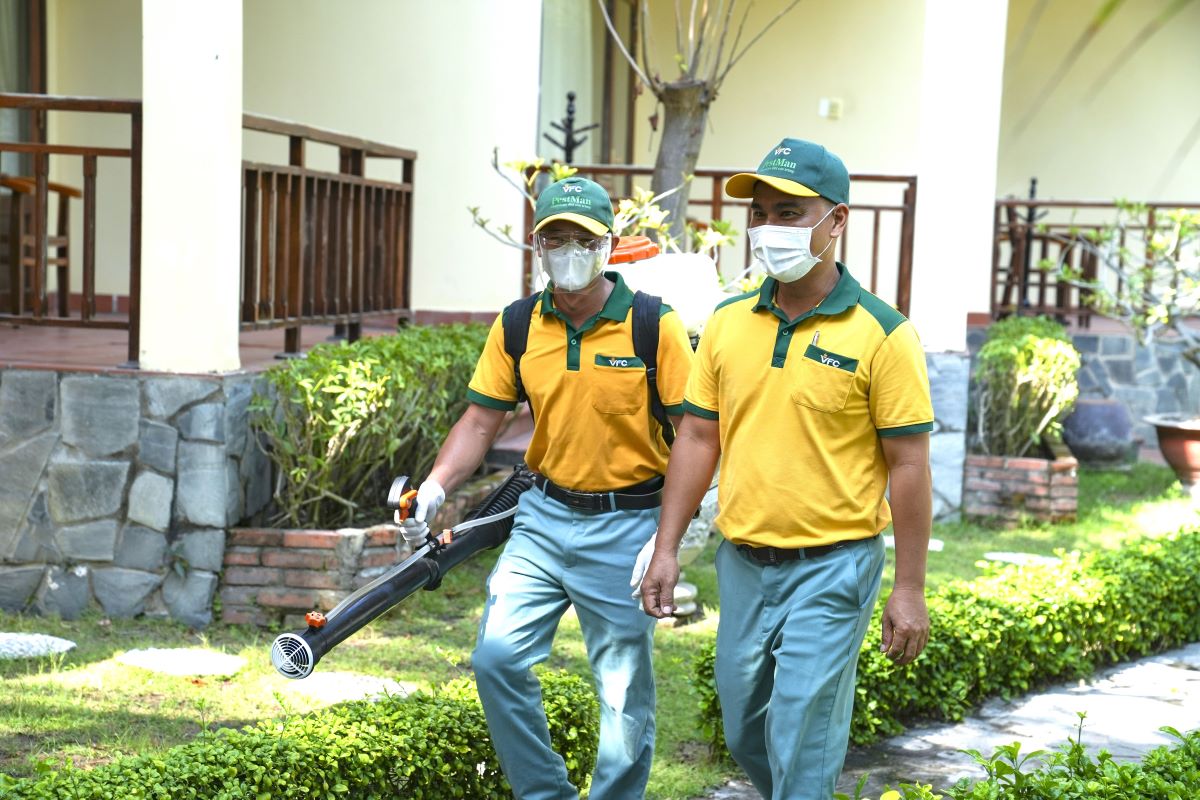
Bên cạnh đó, VFC PestMan sở hữu đội ngũ kỹ thuật viên giàu kinh nghiệm, am hiểu tường tận về tập tính sinh học của từng loài dịch hại. Chúng tôi cam kết sử dụng các loại thuốc và hóa chất được Bộ Y tế cấp phép, kết hợp với công nghệ phun xịt hiện đại, đảm bảo hiệu quả diệt ruồi tối đa mà vẫn an toàn tuyệt đối cho sức khỏe con người cũng như vật nuôi. Với mạng lưới dịch vụ rộng khắp, chúng tôi luôn sẵn sàng hỗ trợ bạn xử lý mọi sự cố côn trùng một cách nhanh chóng và chuyên nghiệp nhất.
5. How to distinguish house flies from other fly species
5.1. House flies
House flies are the most frequently encountered species in living spaces. This species can be identified by its moderate size (equivalent to a mung bean) with an ash-grey body. The most distinctive feature is the presence of four distinct longitudinal black stripes on the fly's thorax. Houseflies typically appear around dining tables, perch on walls or ceilings, and move around quite nimbly but don't make much noise.
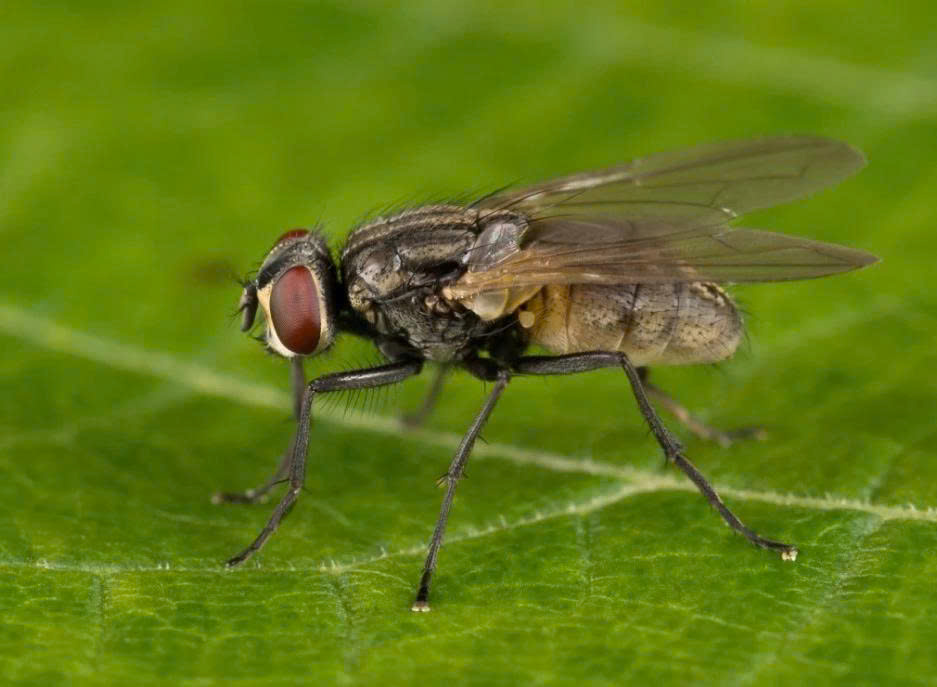
House flies
5.2. Blow flies
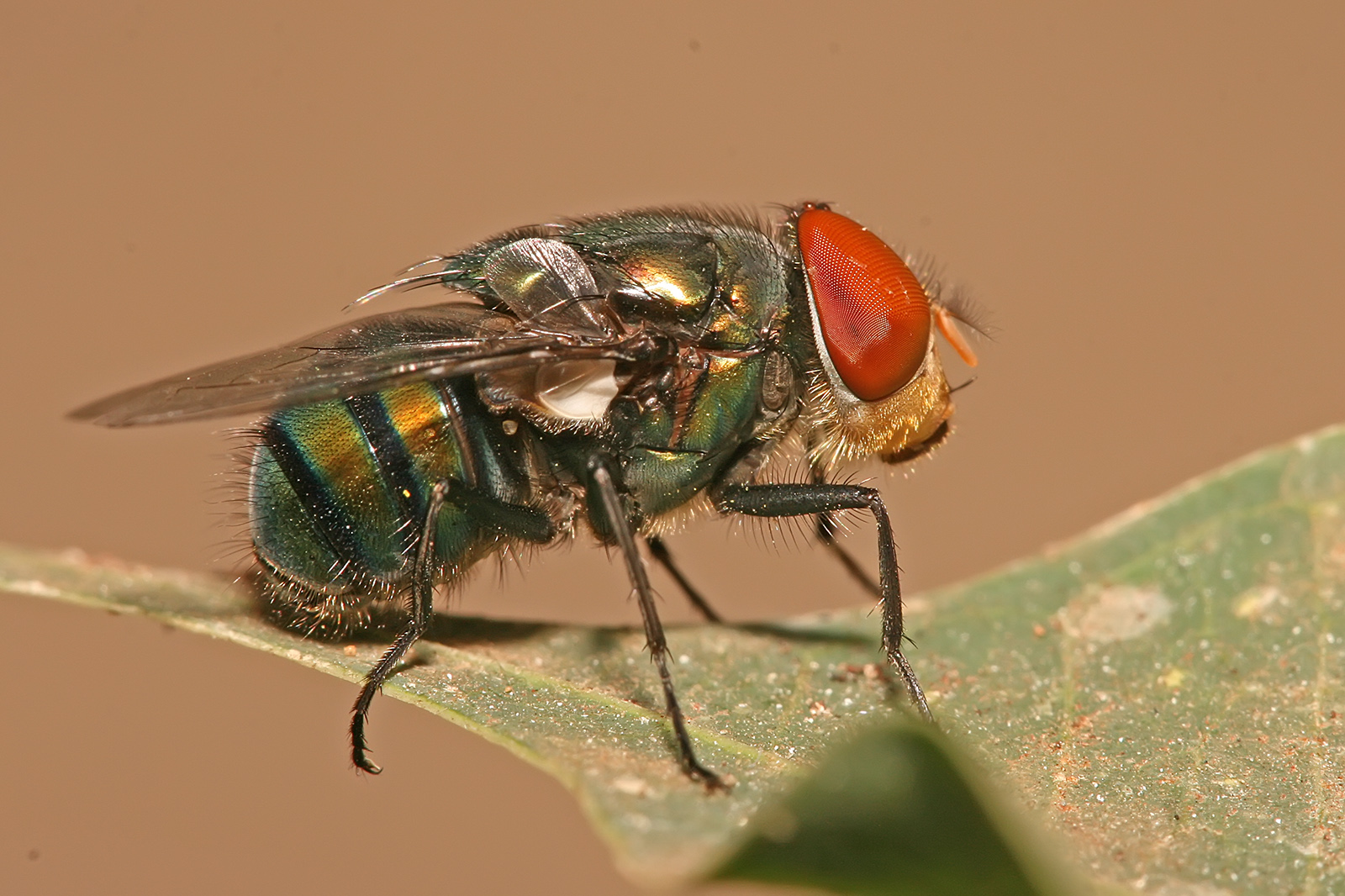
Ngược lại với ruồi nhà là nhặng xanh (hay còn gọi là ruồi xanh) lại rất dễ gây chú ý bởi kích thước lớn và lớp vỏ xanh óng ánh như kim loại. Loài này thường phát ra tiếng vo ve rất to khi bay và có khứu giác cực nhạy với mùi hôi thối. Loài côn trùng này ít khi đậu lâu trên đồ ăn sạch mà thường tập trung ở những nơi mất vệ sinh như bãi rác, xác động vật hoặc thịt cá ôi thiu.
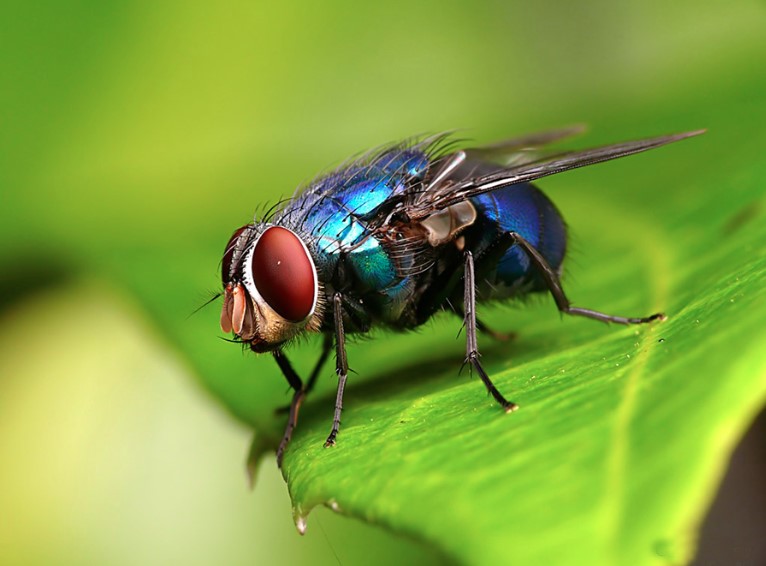
Blow flies
5.3. Fruit flies
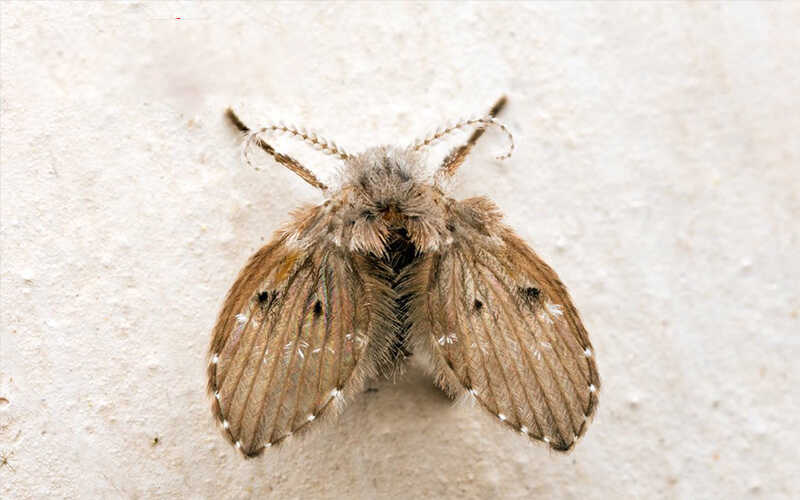
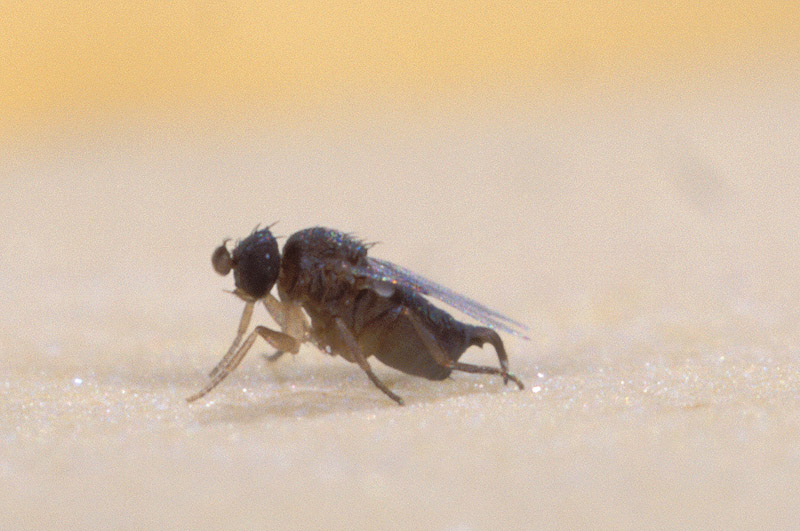
In kitchen areas, you will frequently encounter fruit flies. This is a microscopic fly species, only the size of a toothpick head, featuring a yellowish-brown body and characteristic bright red eyes. This species does not favor meat or fish but is strongly attracted to overripe fruits, soft drinks, or fermented food. Because of their small size, fruit flies often fly in swarms, hovering around fruit baskets or kitchen trash cans.
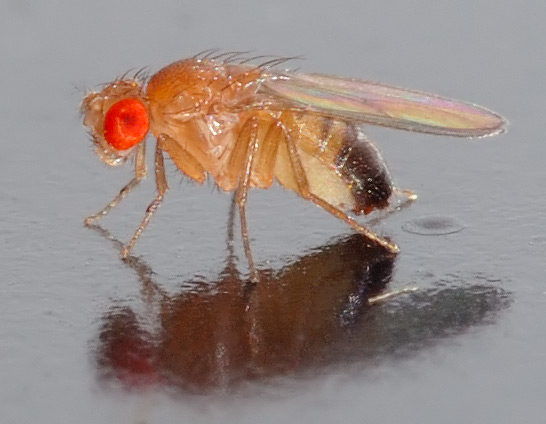
Fruit flies
5.4. Flesh flies
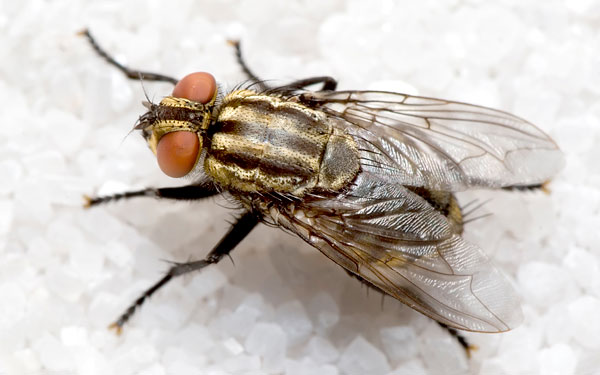
Another species easily confused with the house fly is the flesh fly. However, if observed closely, you will notice that the flesh fly is slightly larger than the house fly and has only three black stripes on its back instead of four. The biggest difference lies in the abdomen, featuring mottled patterns that look like a chessboard. As the name suggests, meat flies are attracted to protein-rich foods and decaying organic matter.
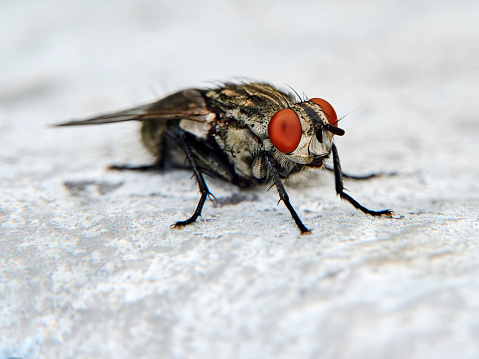
Fresh flies
5.5. Horse fly and black soldier fly
Finally, there are two species with distinctly different physical characteristics: the horsefly and the black soldier fly. Horse flies are very large, fly extremely fast, and are the only species in this group capable of biting humans and livestock, causing sharp pain. Meanwhile, black soldier flies have a long, jet-black body, looking more like a wasp than a fly. A plus point for black soldier flies is that they are quite "harmless," do not transmit diseases, and usually only appear around organic composting pits.
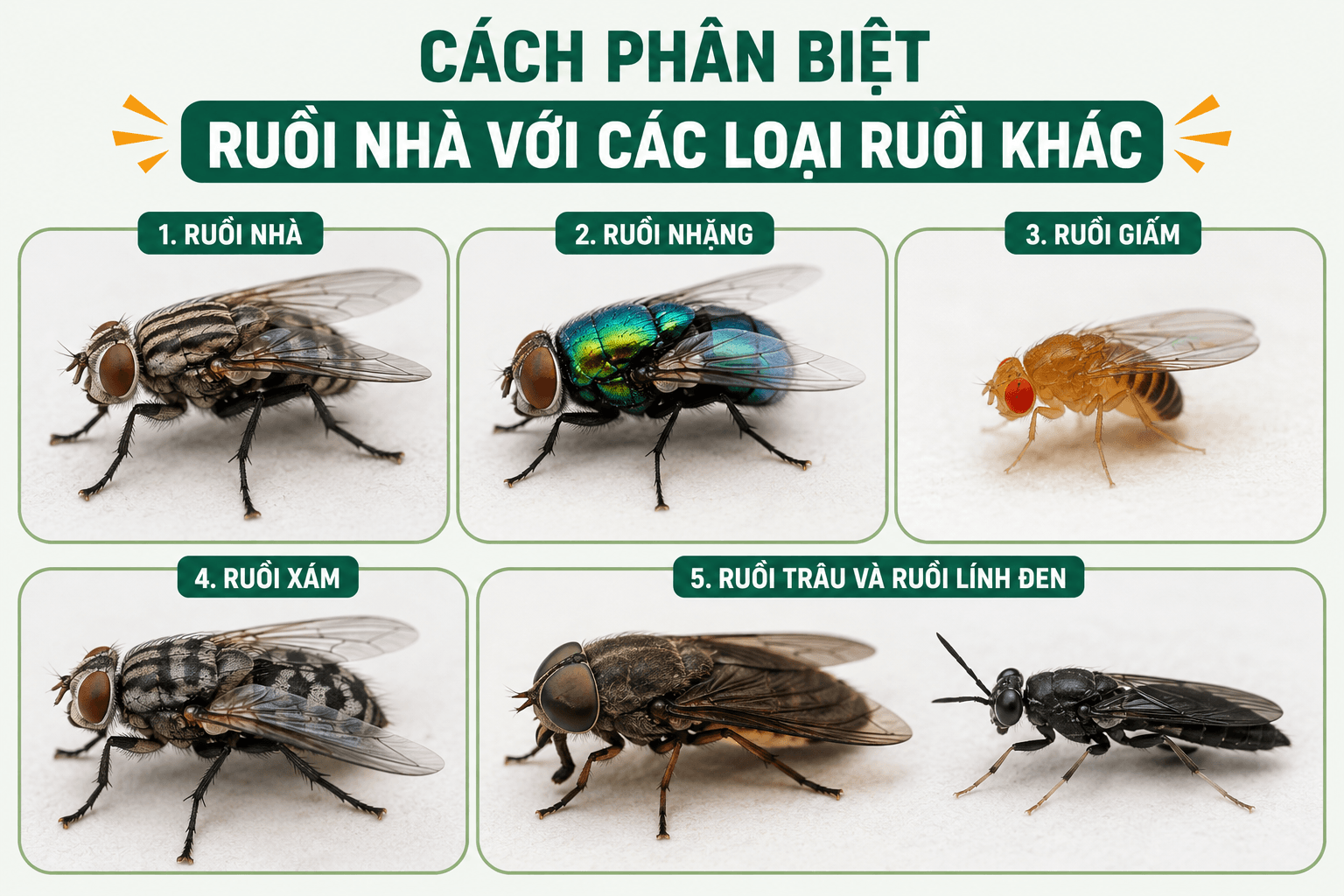
Distinguishing houseflies from other types of flies
>>> See more: Common fly species
6. Are house flies dangerous? potential hazards
6.1. Main potential hazards
Transmission of gastrointestinal diseases: This is the most common risk associated with flies. They transfer pathogens from feces and waste onto food, causing illnesses such as diarrhea, dysentery, E. coli infections, and food poisoning caused by Salmonella and Shigella.
Parasitic transmission: Flies can carry the eggs of parasites such as roundworms, hookworms, pinworms, and tapeworms into food and drinking water.
Eye and skin diseases:
- Contact with flies can lead to trachoma, bacterial eye infections, or eye worm disease.
- House flies also spread skin diseases such as ringworm, warts, acute dermatitis, and even leprosy.
Other serious diseases: House flies are identified as capable of transmitting pathogens that cause tuberculosis, polio, and anthrax (a dangerous acute infection caused by the rod-shaped bacterium Bacillus anthracis).
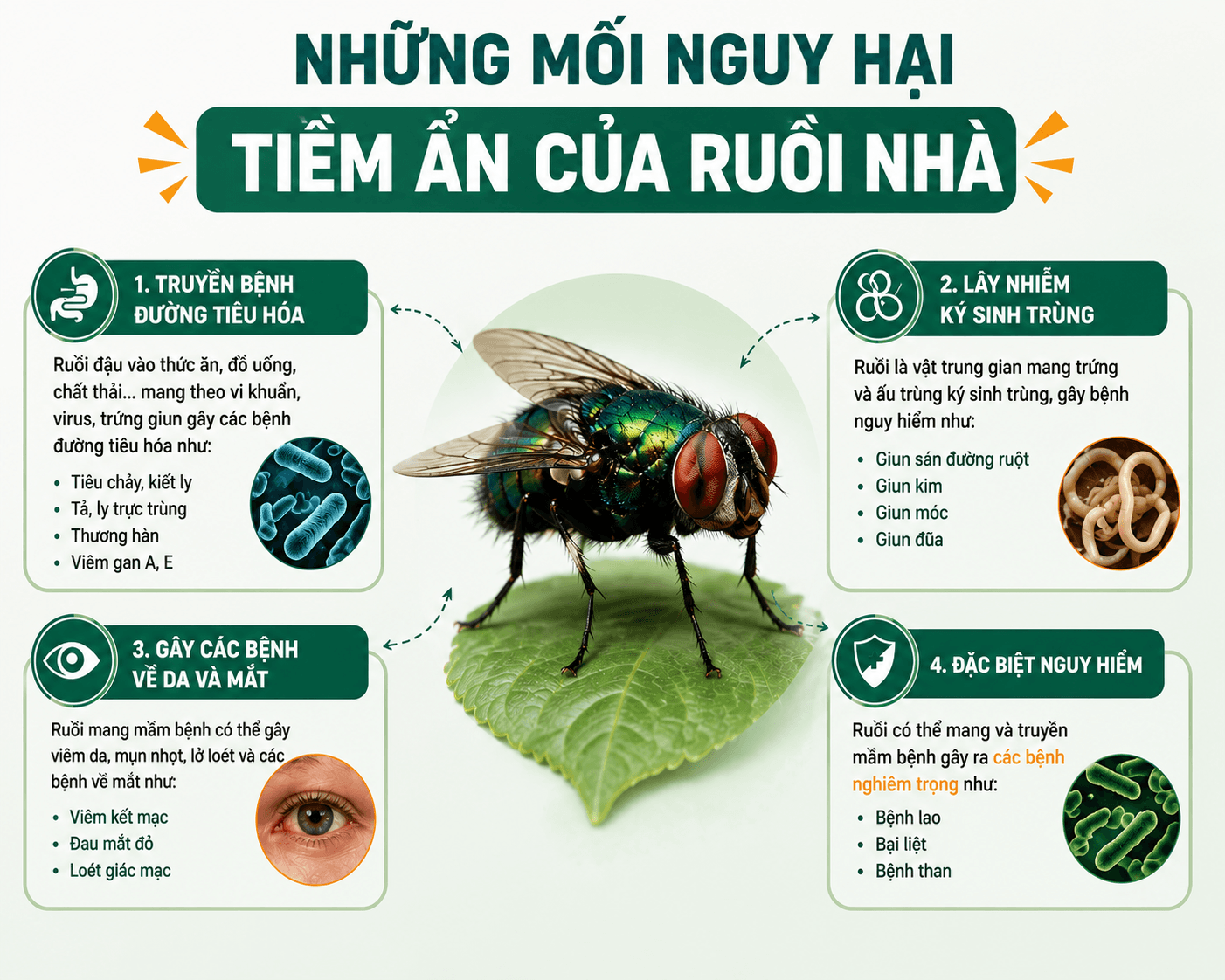
The potential dangers of houseflies
6.2. Harm mechanism of house flies to humans
- Indirect transmission mechanism: House flies act as “transport vehicles” for bacteria from garbage sites to dining tables. Through body parts such as their legs, body hairs, and proboscis, they pick up pathogens from contaminated environments and release them immediately upon landing on food, increasing the risk of intestinal infections in humans.
- Direct transmission mechanism: More dangerously, house flies habitually regurgitate digestive fluids and excrete feces while feeding. This behavior not only contaminates food but also directly introduces viruses and bacteria living inside the fly’s digestive system onto human food, potentially causing severe food poisoning cases.


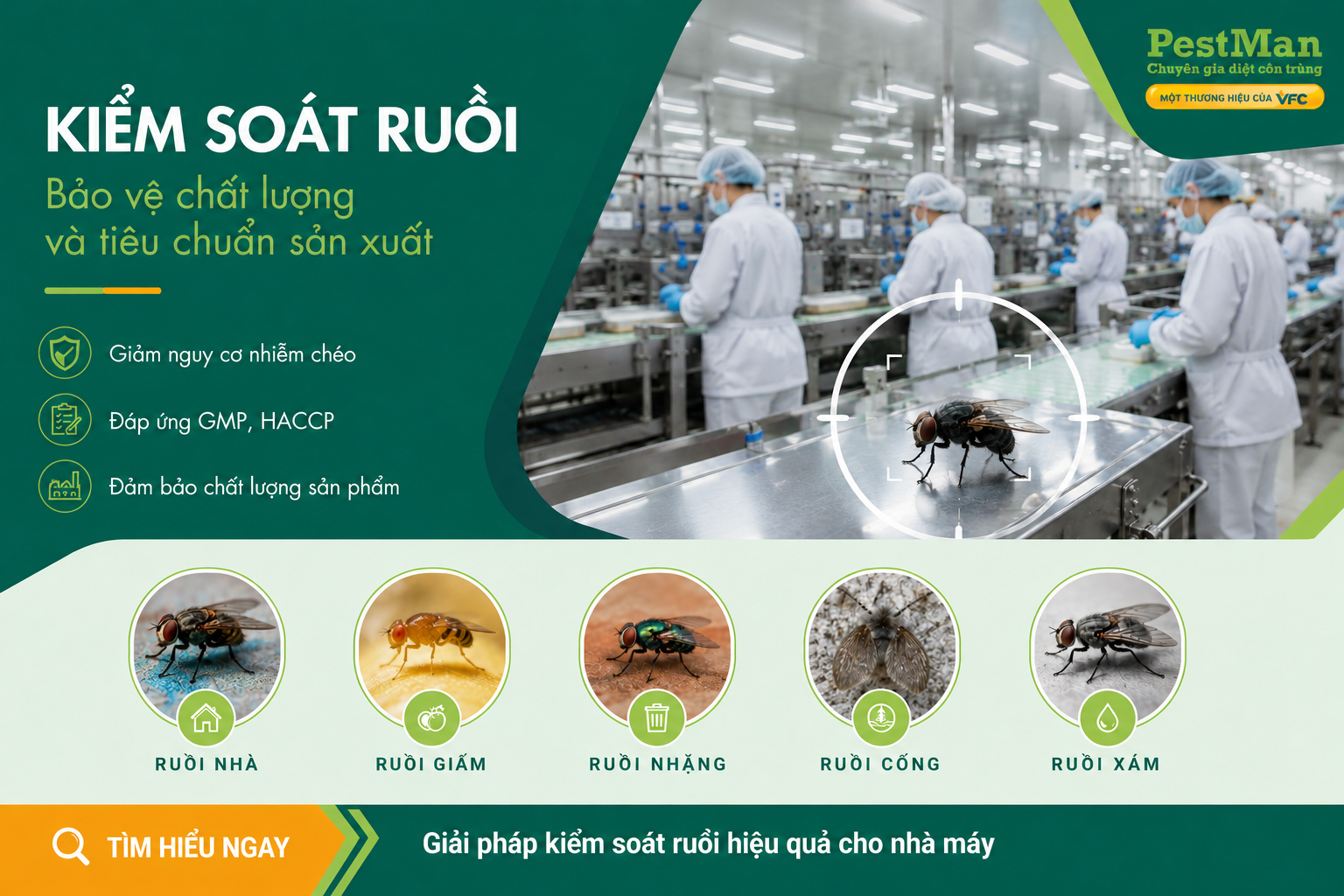
Cách diệt ruồi trong nhà máy hiệu quả: Nhận diện đúng loài để xử lý tận gốc
Trong môi trường sản xuất, đặc biệt tại các nhà máy thực phẩm, đồ uống…
IPM và Phun xịt côn trùng truyền thống: Đâu là giải pháp kiểm soát dịch hại tối ưu cho doanh nghiệp?
IPM trong kiểm soát dịch hại đang dần thay thế phương pháp phun xịt truyền…

Related news

Ready to eliminate audit risks and proactively protect customer experience & brand reputation?