




Risk Assessment & Development of
a Comprehensive Pest Control Program
Service Overview
Effective pest control is not about “more spraying,” but about the system: understanding where the risks are, which species are involved, how they enter, which areas are critical, and how monitoring is conducted. PestMan helps businesses assess overall risk and build a site-specific IPM (Integrated Pest Management) program tailored to operations—reducing incidents, minimizing disruption, and ensuring audit-ready documentation.
Key risk factors to be controlled in an IPM program
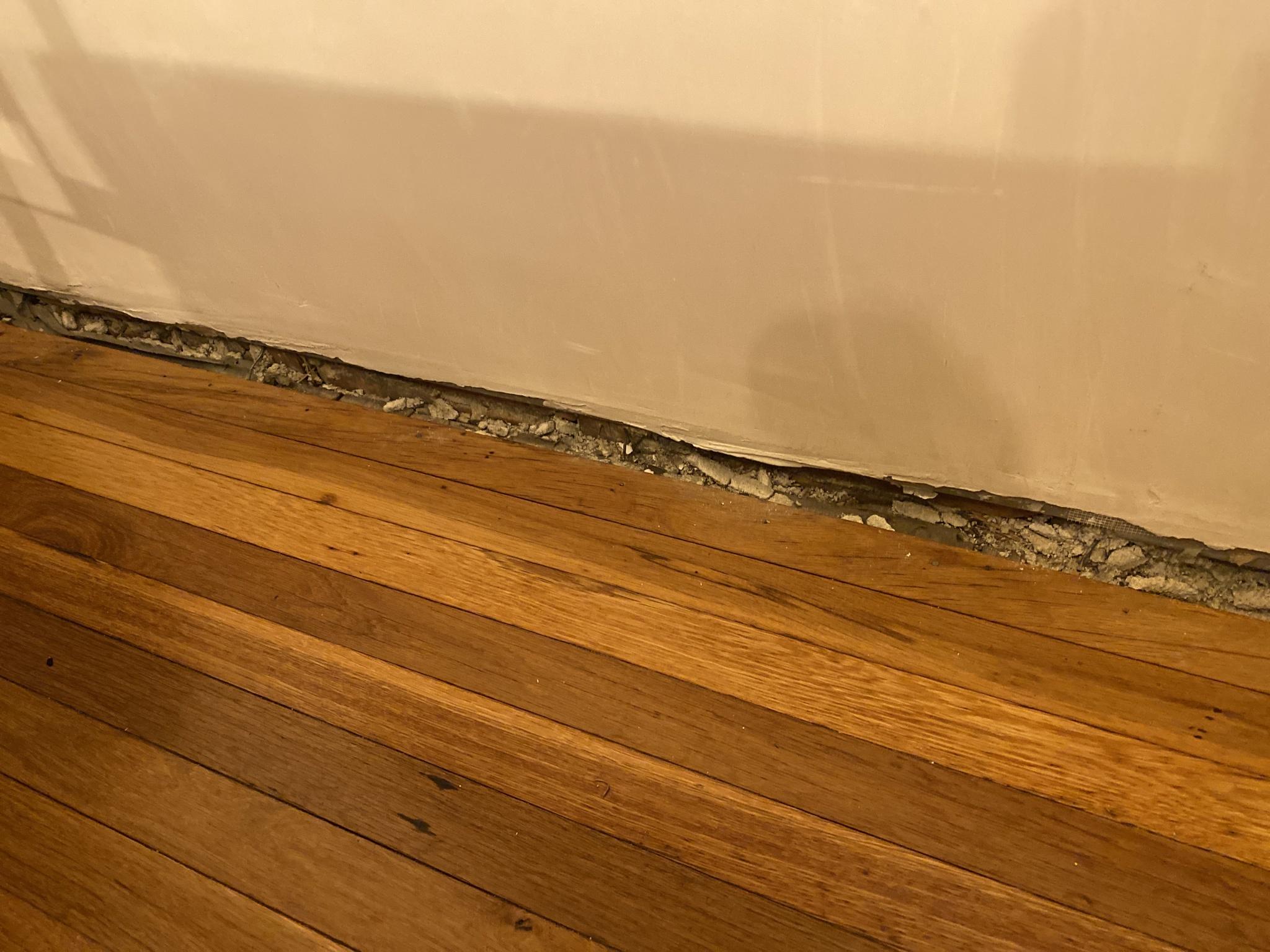
Entry points
Doors, gaps, utility lines, and loading/unloading areas are common entry routes for pests. Identifying them correctly allows source-level prevention instead of reactive treatment.
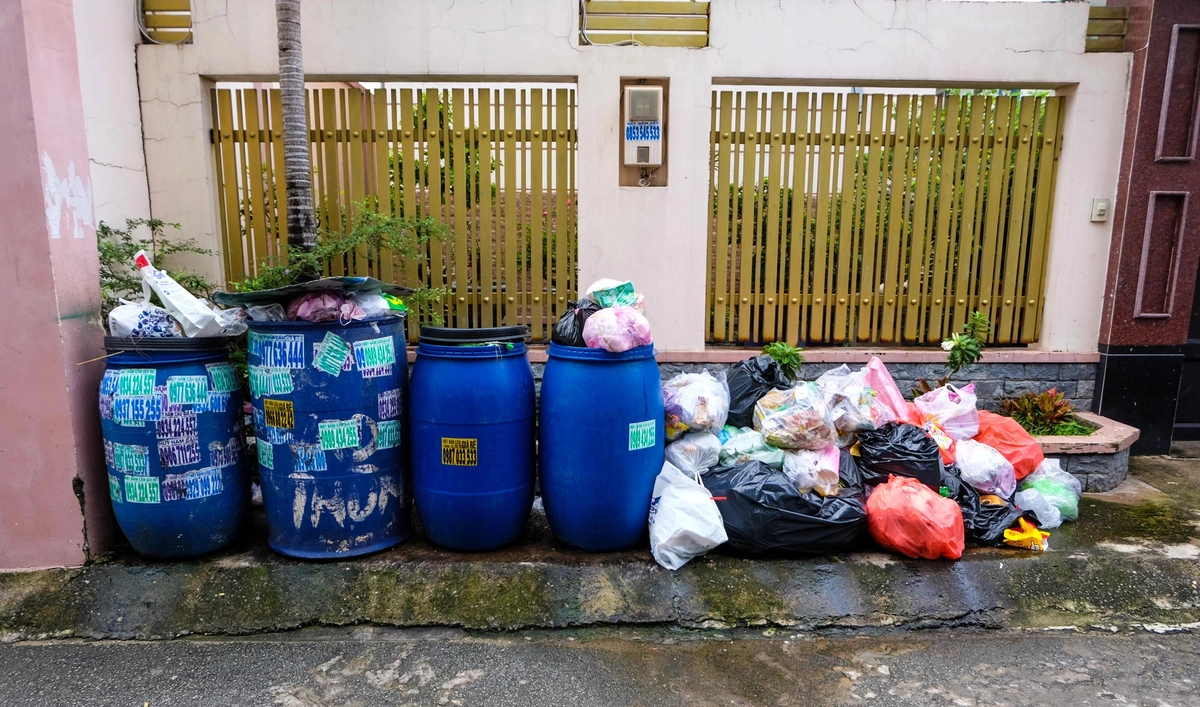
Attractants
Waste, stagnant water, humidity, food odors, and cluttered storage areas create conditions that attract pests. IPM addresses these root living conditions to prevent recurrence.

Critical areas
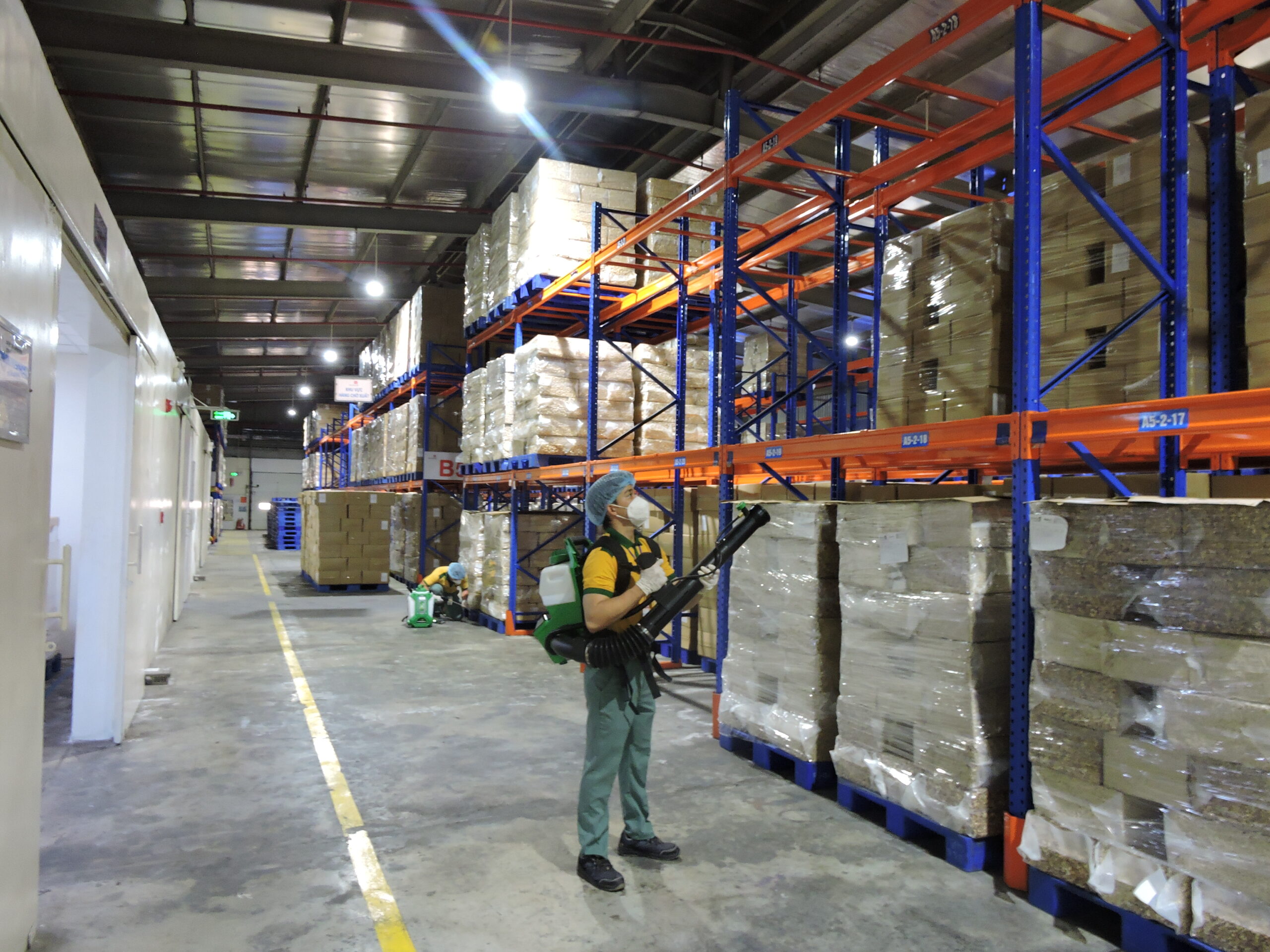
Raw material storage, packaging areas, production lines, kitchens, and waste zones need to be risk-classified and assigned appropriate control points to reduce incidents in the most sensitive areas.
Documentation & monitoring data
Lack of inspection schedules, fragmented records, and no trend tracking lead to “blind” treatments and difficult audits. A comprehensive program enables monitoring, reporting, and fast data retrieval.
How PestMan builds a comprehensive pest control program

Seal gaps and block entry routes; optimize doors and utility openings. Manage waste, drainage, and humidity to eliminate attractants. Deploy traps and monitoring devices in critical areas and standardize inspection checklists.

Applied based on the principle of right species, right location, right dosage, and right timing: using gel baits, baiting systems, and residual/spot spraying, along with area safety guidance.
What do you get when implementing an IPM program with PestMan?

Reduced recurrence through accurate species identification, correct control points, and appropriate treatment frequency—avoiding repeated infestations despite multiple interventions.

Establishing control points, inspection schedules, and periodic reporting enables QA/Facility teams to quickly retrieve records for verification and audits.

Receive site-specific improvement recommendations: blocking entry points, eliminating attractants, and standardizing sanitation procedures—ensuring long-term stability and reducing incidents.
What are more
than 15,000 customers saying?
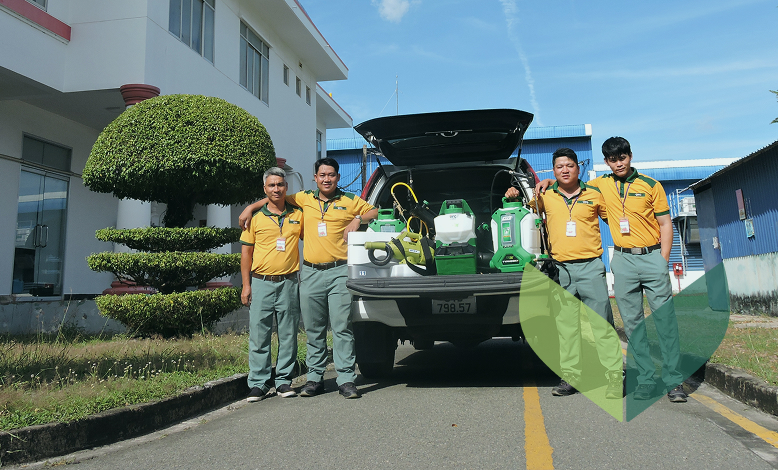
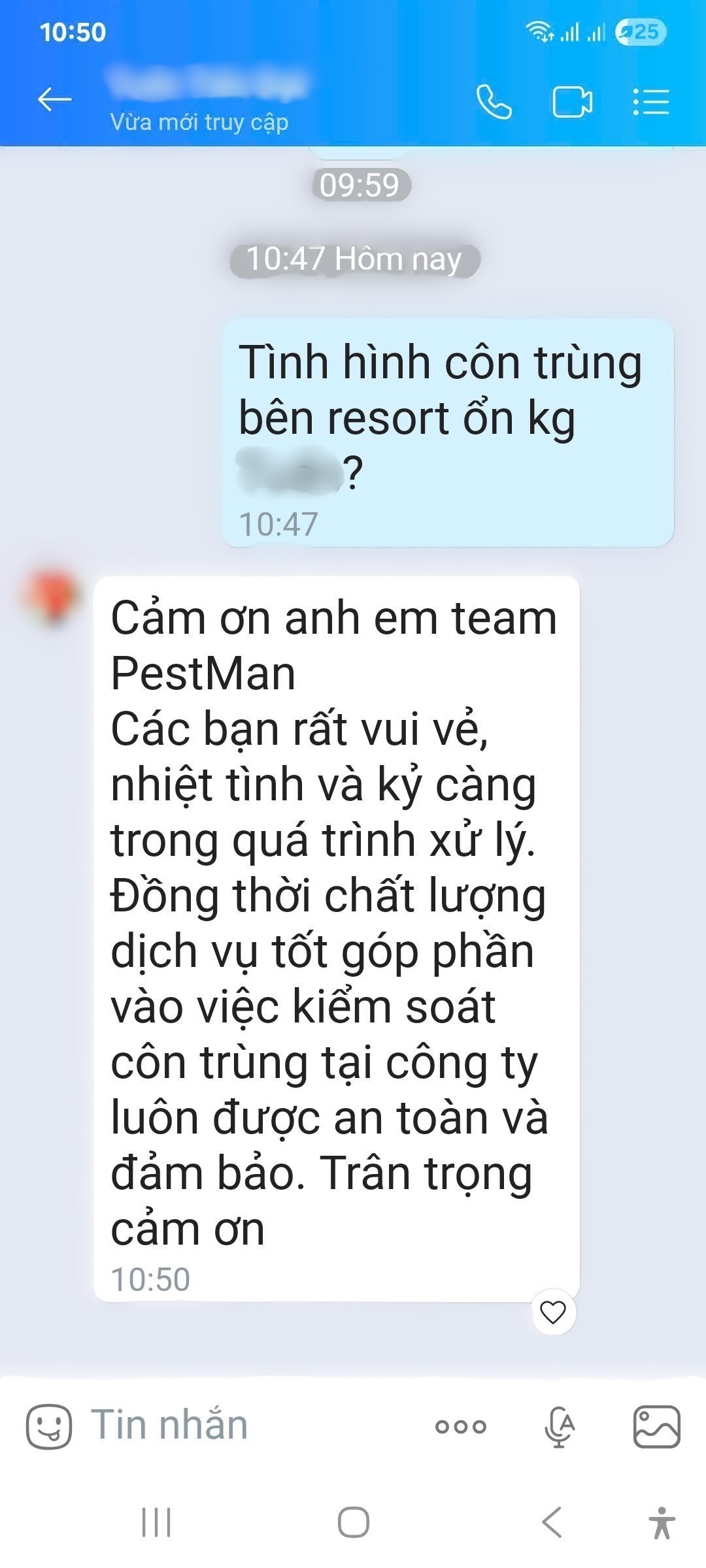
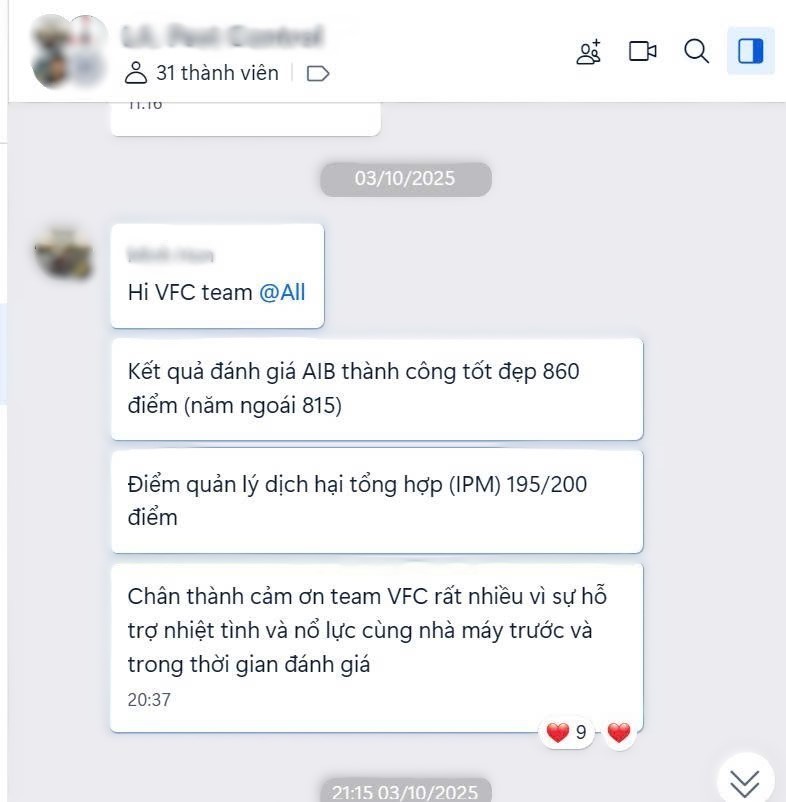
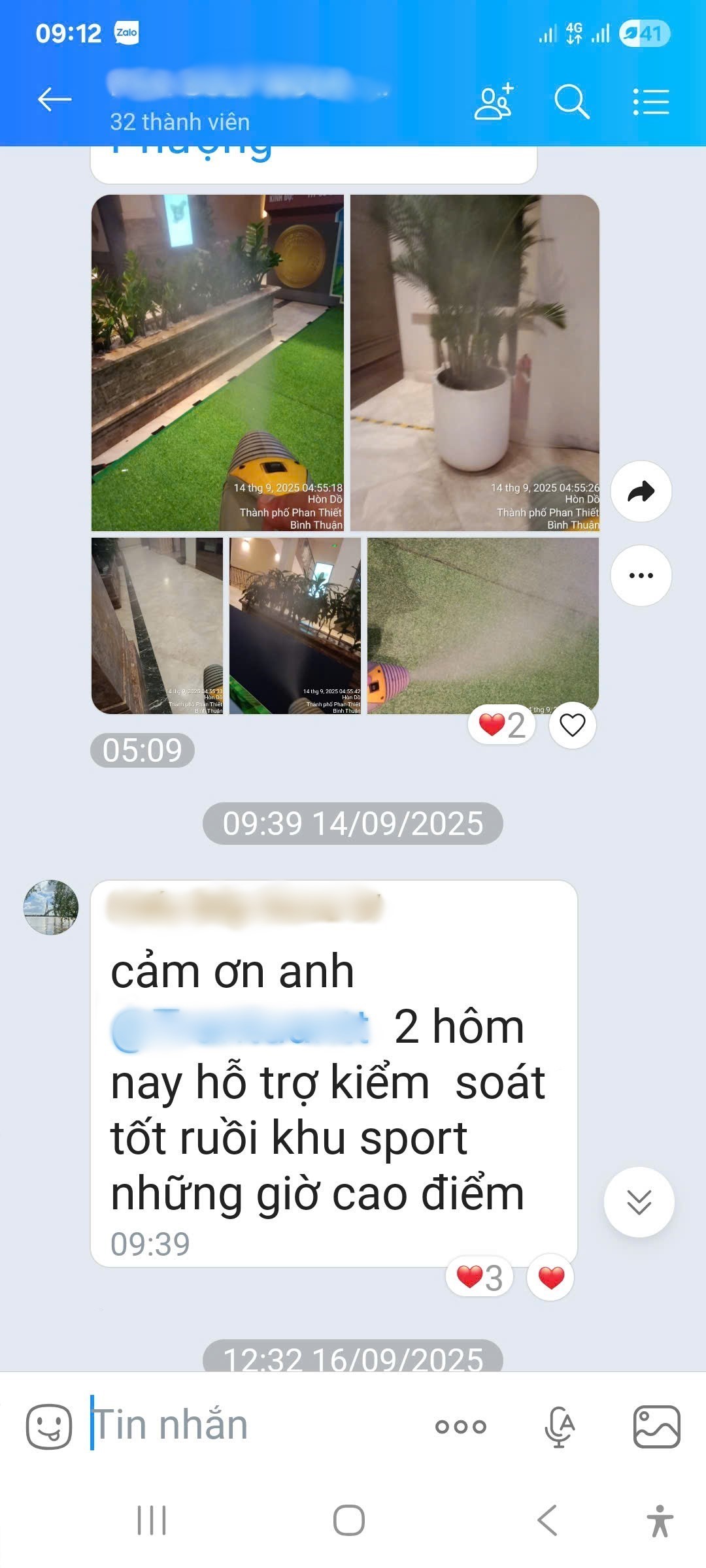
the clearest proof of PestMan’s service quality





FAQs
-
What is the difference between a “risk assessment & program design” service and regular periodic pest control treatments?Regular services usually only treat symptoms. This service builds an IPM system: identifying risks, control points, treatment frequency, documentation, and monitoring methods to reduce recurrence and enable proactive control.
-
What are the implementation steps?Site assessment → risk and critical area evaluation → IPM program proposal (methods, frequency, equipment placement) → implementation → ongoing monitoring and periodic reporting.
-
Is it suitable for factories, warehouses, F&B outlets, and hotels?Yes. The program is tailored to the operational characteristics and hygiene requirements of each industry.
-
Is audit/inspection documentation supported?Yes. The program is designed to be transparent, including control points, treatment schedules, monitoring results, and periodic reports for fast retrieval when needed.
-
How long does it take to see results?Noticeable improvement is typically seen after establishing control points and completing initial hotspot treatments. Long-term effectiveness comes from ongoing prevention and scheduled monitoring.
-
Is there a site inspection before quotation?Yes. Pricing depends on site scale, risk level, and operational/audit requirements of the facility.

Pest control is not simply about spraying; it requires proactive risk monitoring and audit readiness to protect the environment and brand reputation.

Ready to eliminate audit risks and proactively protect customer experience & brand reputation?