




IPM Consulting, Training & Supervision
for Businesses
Service Overview
Sustainable pest control does not depend only on the service provider—it depends on correctly operating the IPM system every day. PestMan supports businesses by designing programs, training teams by role, and providing periodic monitoring to reduce errors, address risks before they become incidents, and standardize documentation for easy retrieval by QA/Facility teams when needed.
Internal IPM capabilities required for stable operations

Risk identification & pest classification
Training on how to recognize signs, entry routes, and classify risks by area to select the right control measures and avoid unfocused treatments.
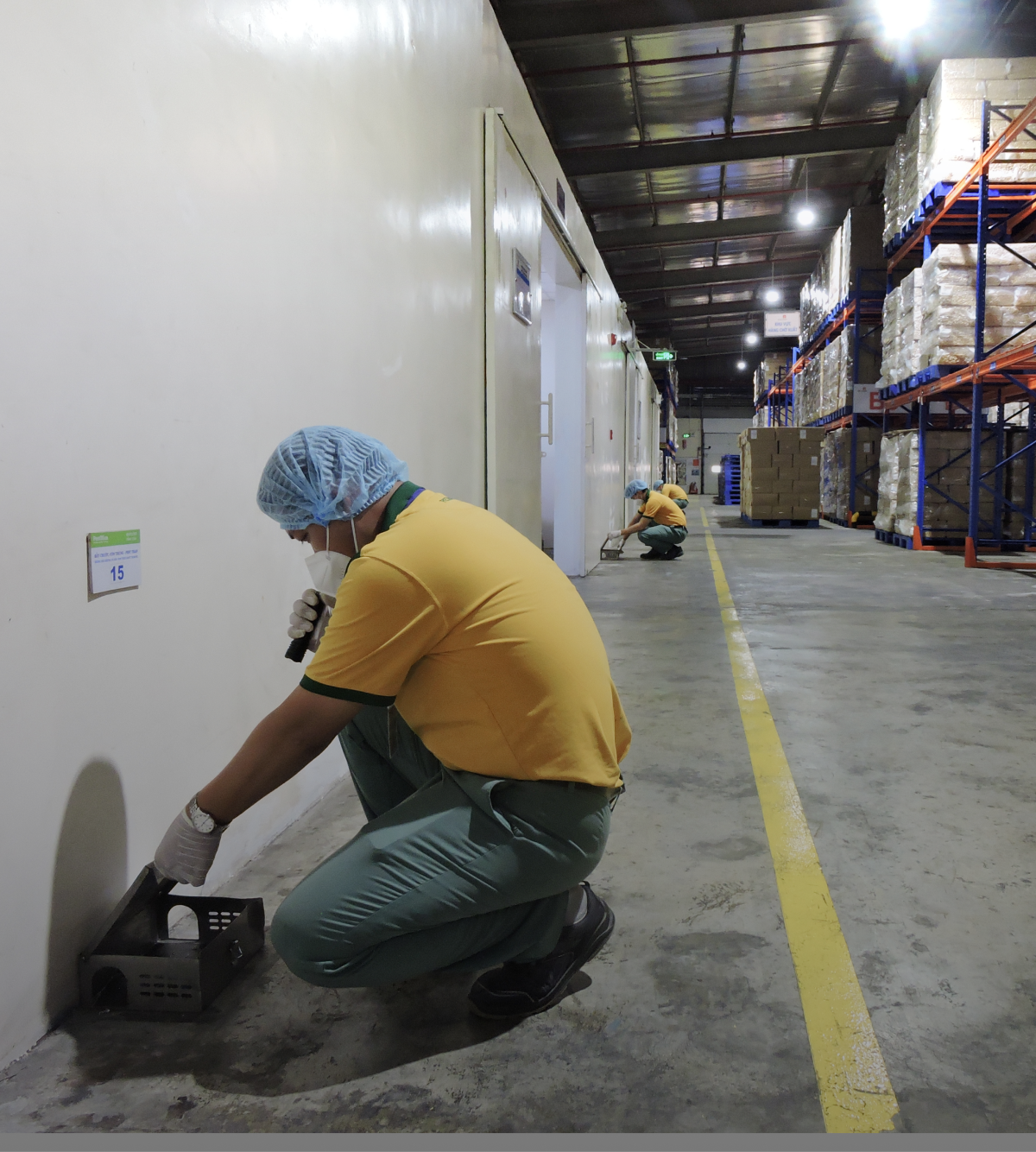
IPM checklist for critical areas
Standardizing sanitation and hotspot inspection checklists for warehouses, production, packaging, kitchens, and waste areas—helping reduce recurrence and seasonal outbreaks.
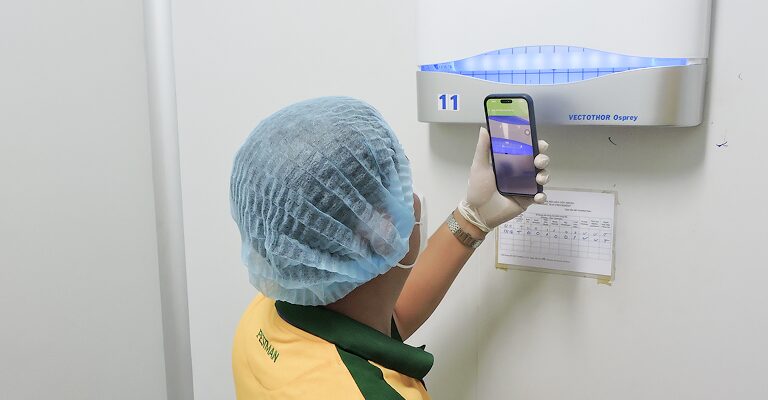
Audit/inspection documentation & reporting
Guidelines for proper recording (inspection schedules, monitoring results, and occurrence trends) so QA/Facility teams can retrieve information quickly without relying on memory.
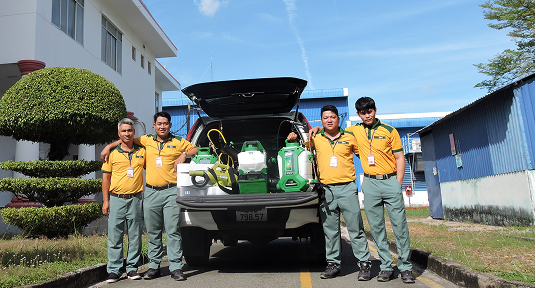
Cross-department coordination to prevent process breakdowns
Define roles and coordination between QA, Facility, Production, Sanitation, and Warehouse teams to maintain operational discipline and reduce recurring errors.
How does PestMan implement IPM consulting, training, and monitoring?

Conduct site assessment, identify critical areas and entry points. Develop SOPs and checklists by zone (warehouse, production, kitchen, waste areas). Establish inspection schedules, frequencies, and performance criteria. Recommend preventive measures to reduce attractants such as moisture, waste, and stored inventory.

Đào tạo theo nhóm vai trò: QA/Facility/Vệ sinh/Sản xuất/Kho. Kiểm tra tuân thủ định kỳ, phát hiện sai trước khi thành sự cố. Báo cáo khuyến nghị cải tiến theo xu hướng phát sinh thực tế
Nhắc lại điểm trọng yếu để duy trì kỷ luật vận hành
What do you get when you hire PestMan for IPM consulting, training, and monitoring?

When teams clearly understand their roles and checklists, you reduce common errors (hotspot sanitation, waste management, humidity control, and storage practices) that lead to pest recurrence.

Standardized and consistent documentation enables QA/Facility teams to retrieve information quickly, easily verify records, and improve reliability during inspections.

Periodic monitoring helps identify occurrence trends and optimize control points to reduce incidents over time, rather than merely maintaining a static state.
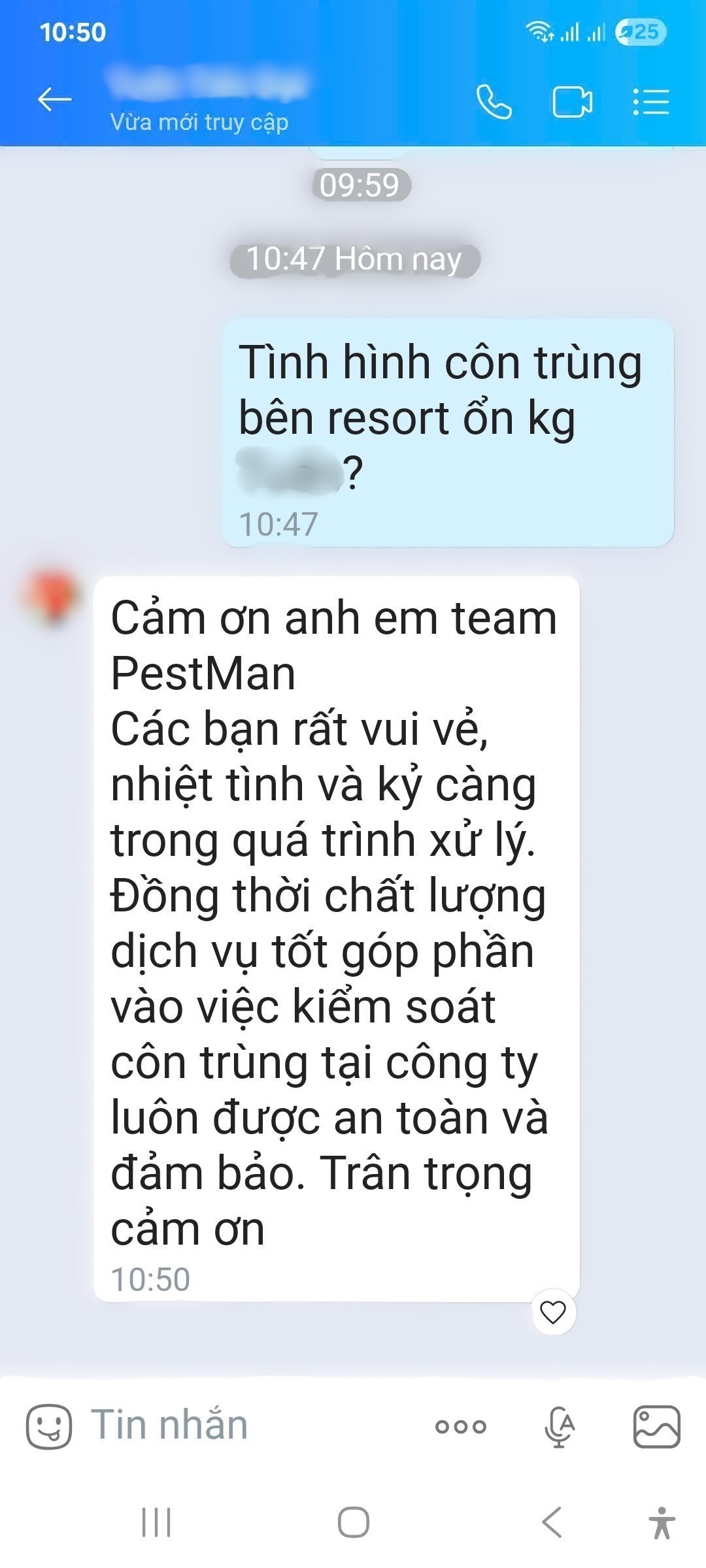
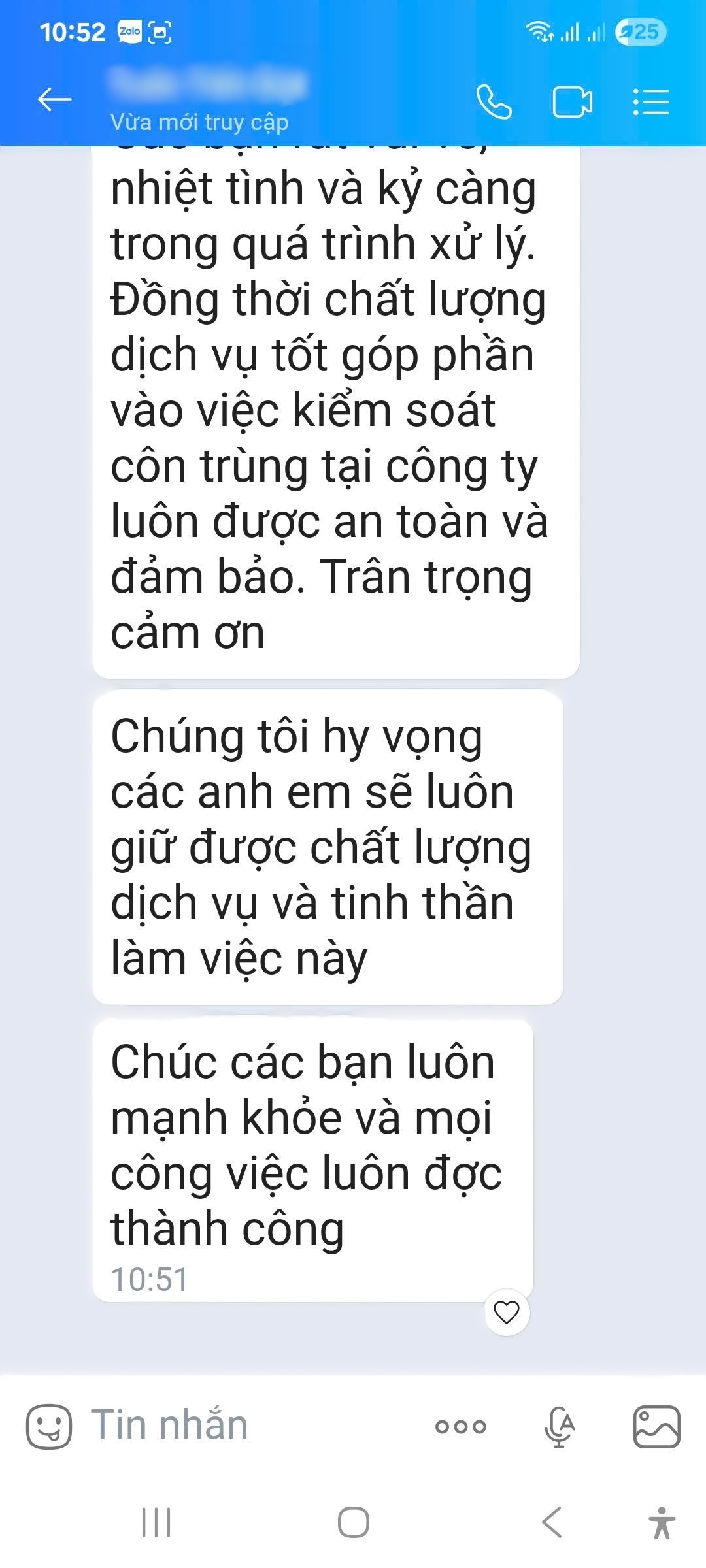
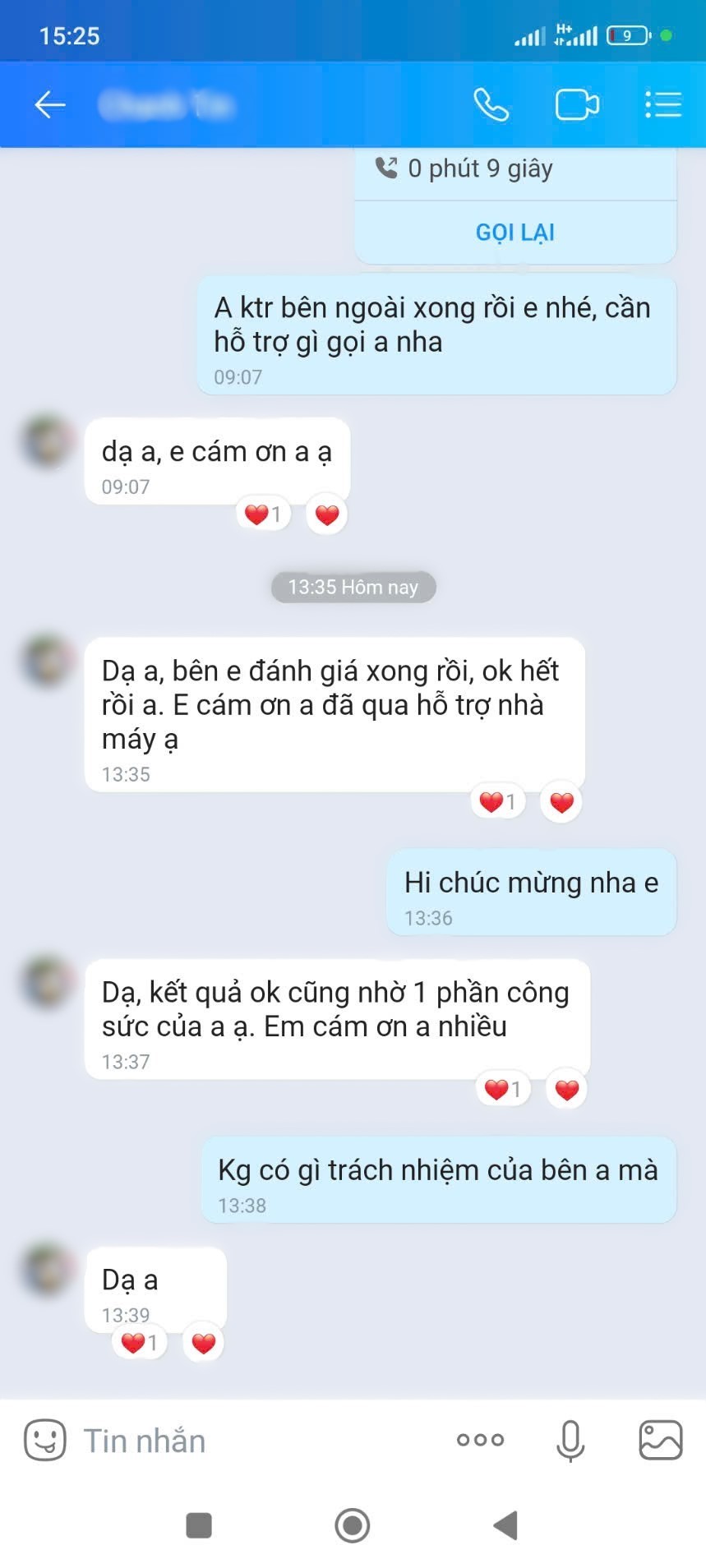
What are more
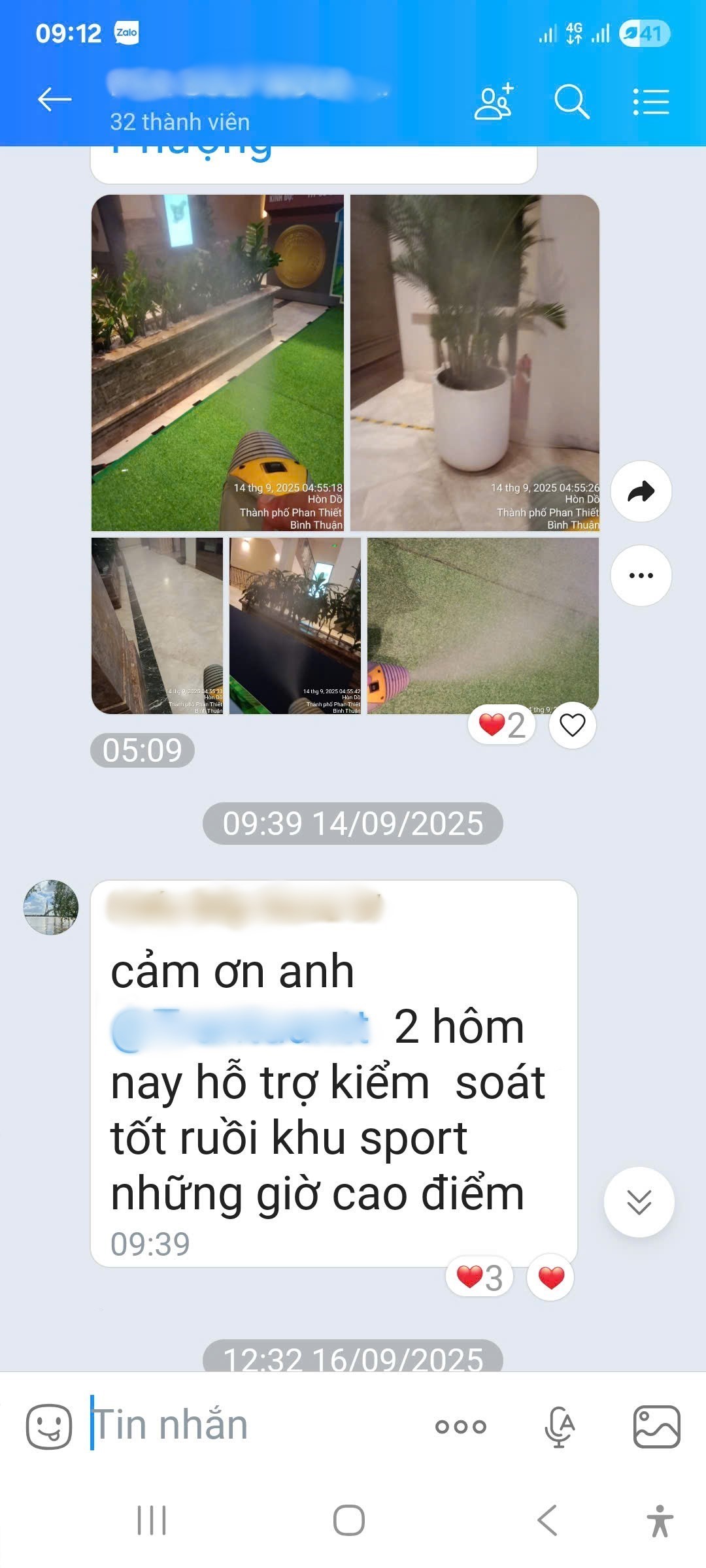
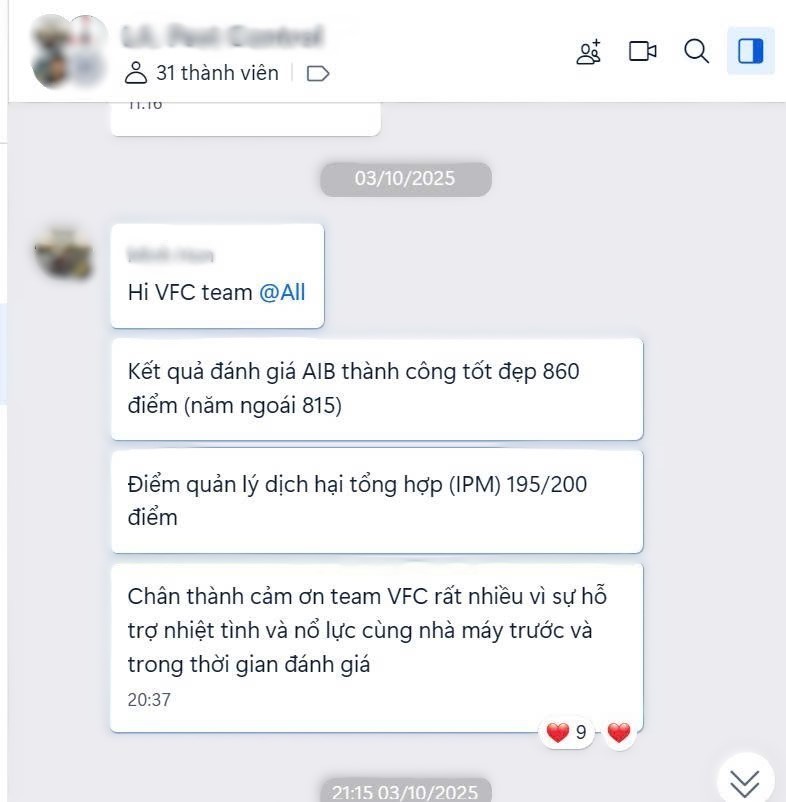
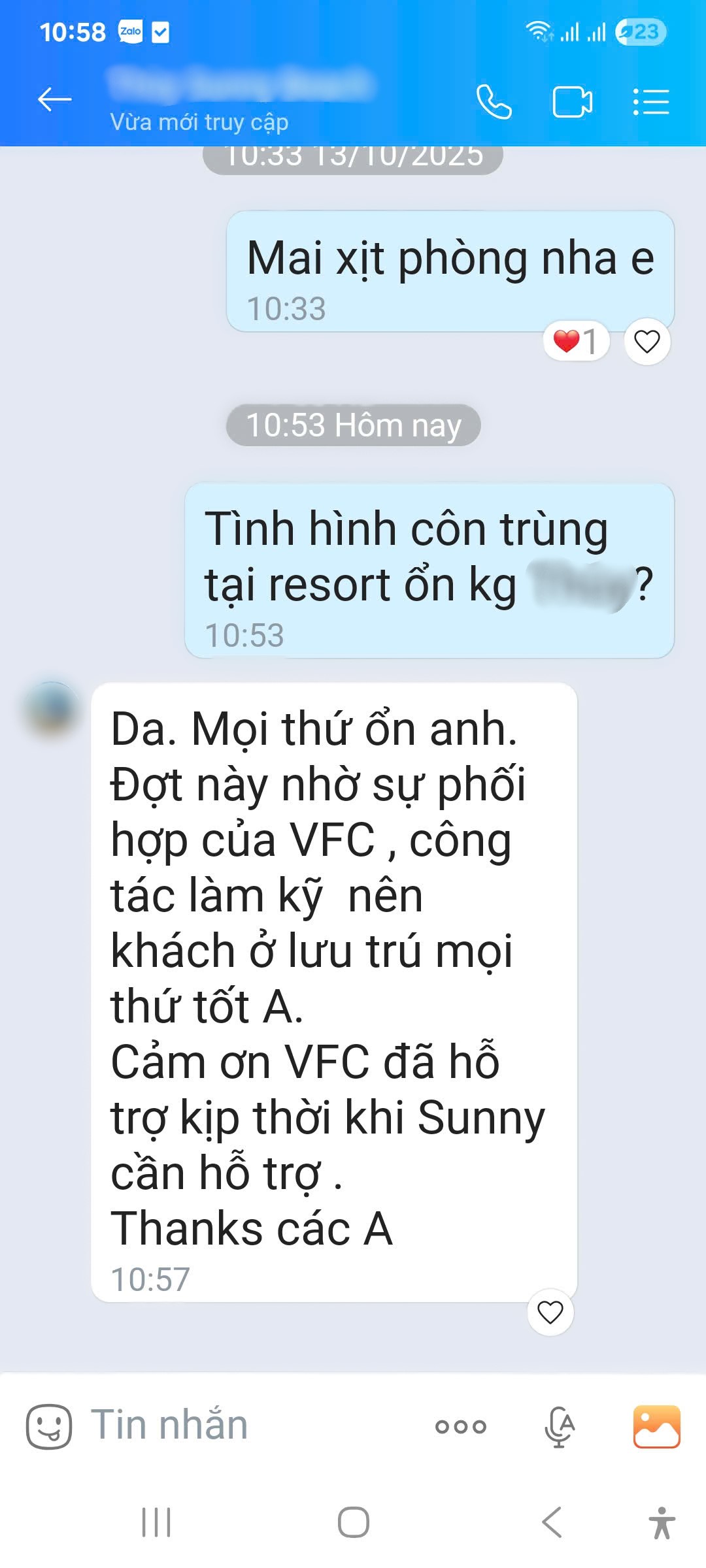
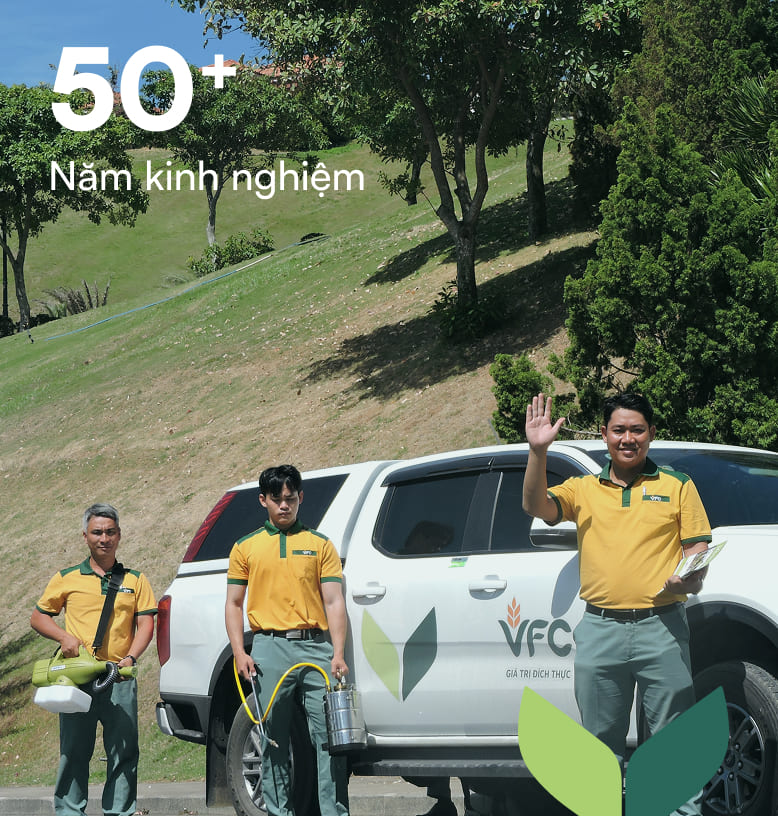
than 15,000 customers saying?
the clearest proof of PestMan’s service quality

FAQs
-
Who is the IPM Consulting – Training – Monitoring service suitable for?Suitable for businesses that require stable operations and audit/inspection readiness: factories, warehouses, F&B, hotels, schools, and offices—especially those aiming to strengthen internal capabilities and reduce recurrence.
-
How is this service different from regular periodic pest control services?Periodic services typically focus on treatment. This service focuses on standardizing the operational system: SOPs, checklists, criteria, and documentation, combined with training and compliance monitoring for sustainable control.
-
We already have SOPs—do we still need this?Yes, it may still be needed. PestMan reviews your existing SOPs, identifies gaps, and refines them for real-world application. We also design inspection and recording mechanisms to ensure SOPs are not just documents, but are properly executed in practice.
-
What does the training include?Risk identification, entry points, attractants, area-based checklists, documentation practices, inter-department coordination procedures, and incident handling workflows.
-
What is the frequency of periodic monitoring?It depends on the risk level and industry. Monitoring can be conducted monthly or quarterly, with the goal of checking compliance, tracking trends, and providing timely improvement recommendations.
-
Is audit/inspection documentation supported?Yes. PestMan standardizes forms, recording methods, and report structures so QA/Facility teams can retrieve information quickly and consistently.
-
Does training and monitoring affect operations?PestMan can schedule activities by shift or suitable time slots to minimize disruption. Training is prioritized with hands-on practice in real operational areas.

Pest control is not simply about spraying; it requires proactive risk monitoring and audit readiness to protect the environment and brand reputation.

Ready to eliminate audit risks and proactively protect customer experience & brand reputation?