




Insect & Rodent
Control Services
Service Overview
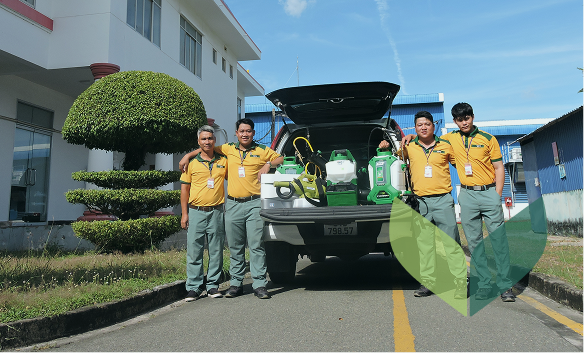
Pests and rodents are not just a nuisance—they can cause cross-contamination, damage goods, affect customer experience, and create risks during inspections and audits. PestMan implements an IPM program that controls issues at the source: inspection, accurate species identification, entry point exclusion, and targeted hotspot treatments—helping facilities reduce recurrence and stay audit-ready with complete documentation.
Disease vectors
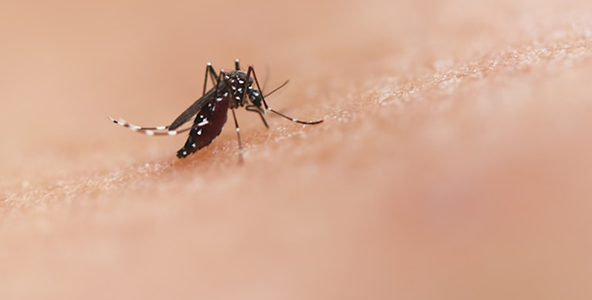
Mosquitoes
A public health risk and a factor affecting customer experience, often emerging in areas with stagnant water or high humidity. Proper control helps reduce disease transmission risks and seasonal outbreaks.
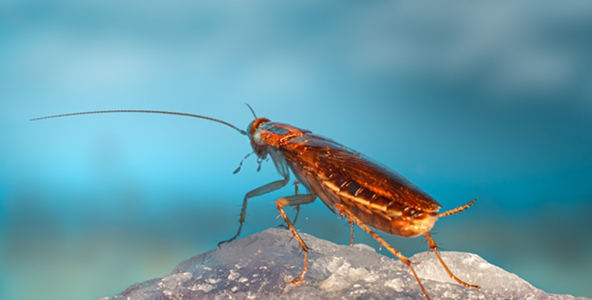
Cockroaches & Flies
Commonly found around waste areas, floor drains, and food storage zones. Key risks include cross-contamination, hygiene issues, and customer complaints—especially in F&B, warehousing, and manufacturing environments.
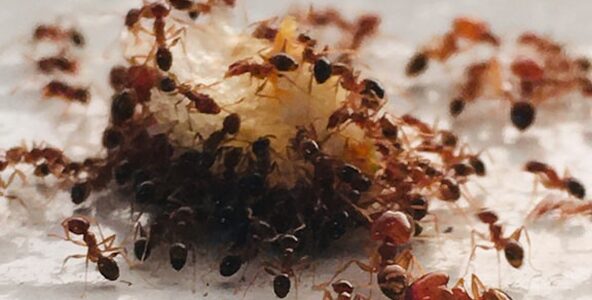
Ants
They often enter through cracks, food sources, and humid areas. They can cause discomfort, impact customer experience, and contaminate storage and packaging areas.
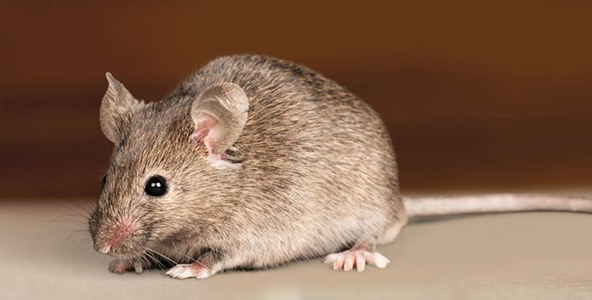
Rodents
They can damage electrical wiring, packaging, and goods, while also leaving behind waste. Proper control helps reduce asset loss and hygiene risks across warehouses, factories, and office environments.
Control methods

Focus on blocking entry pathways and reducing attractants: hotspot sanitation, sealing gaps, mechanical traps/devices, waste and drain management, and strategic control point placement. This helps businesses reduce long-term risks without disrupting operations or user experience.

Applied when targeted, thorough control is required based on hotspot locations and infestation levels: residual or space spraying, gel baits, and specialized bait stations—following safety protocols and technical guidelines. This enables rapid suppression of outbreak areas and reduces pest populations, helping the IPM system maintain stable performance.
Benefits of using
PestMan services

Right species – right hotspot – right cycle approach, helping reduce recurrence and eliminate the issue of “repeated infestations despite multiple treatments.”

Reducing sources of contamination and pathogens, restoring a clean and safe environment for people, and ensuring suitability for high-hygiene standards.

Not only treatment is provided—experts also identify entry points and attractant sources, and guide the setup of preventive barriers for sustainable control.
What are more
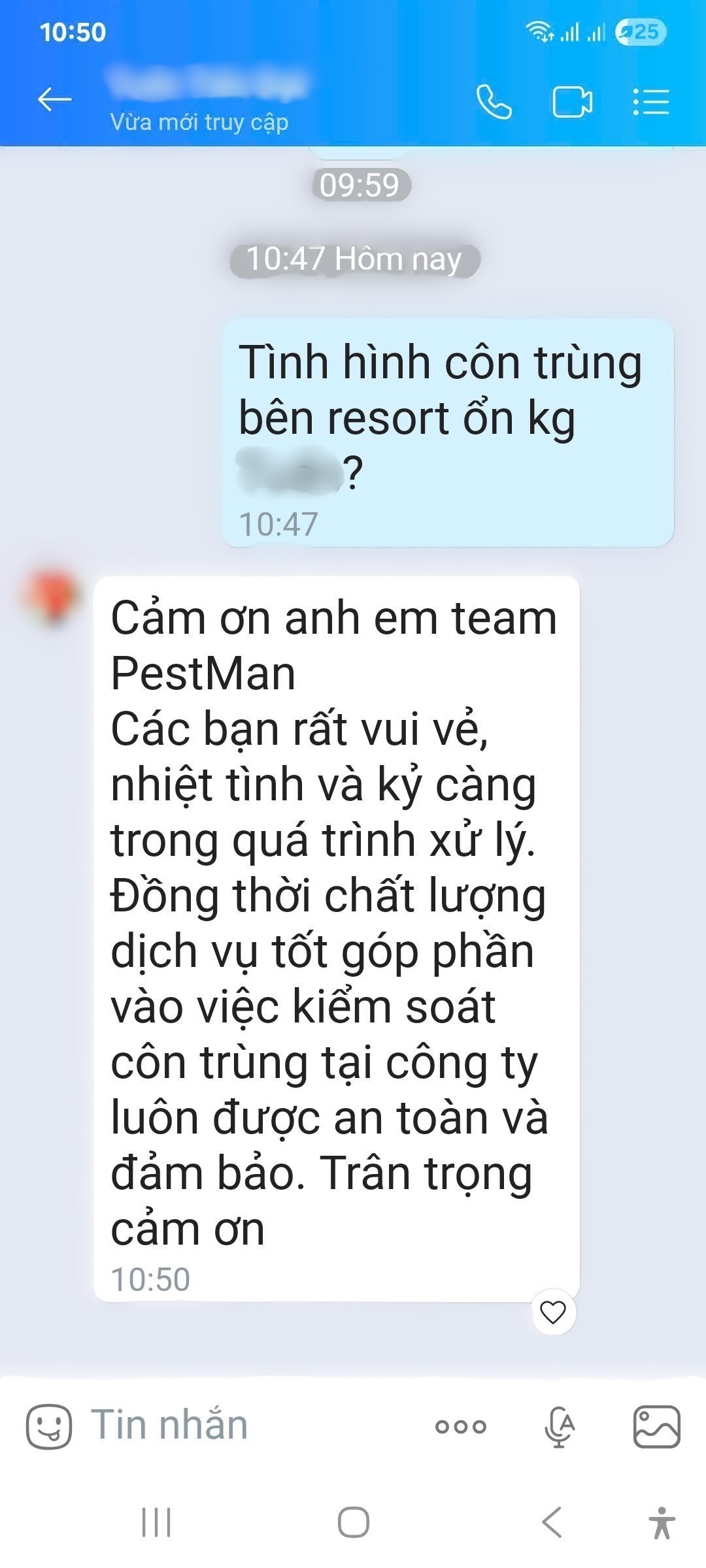
than 15,000 customers saying?
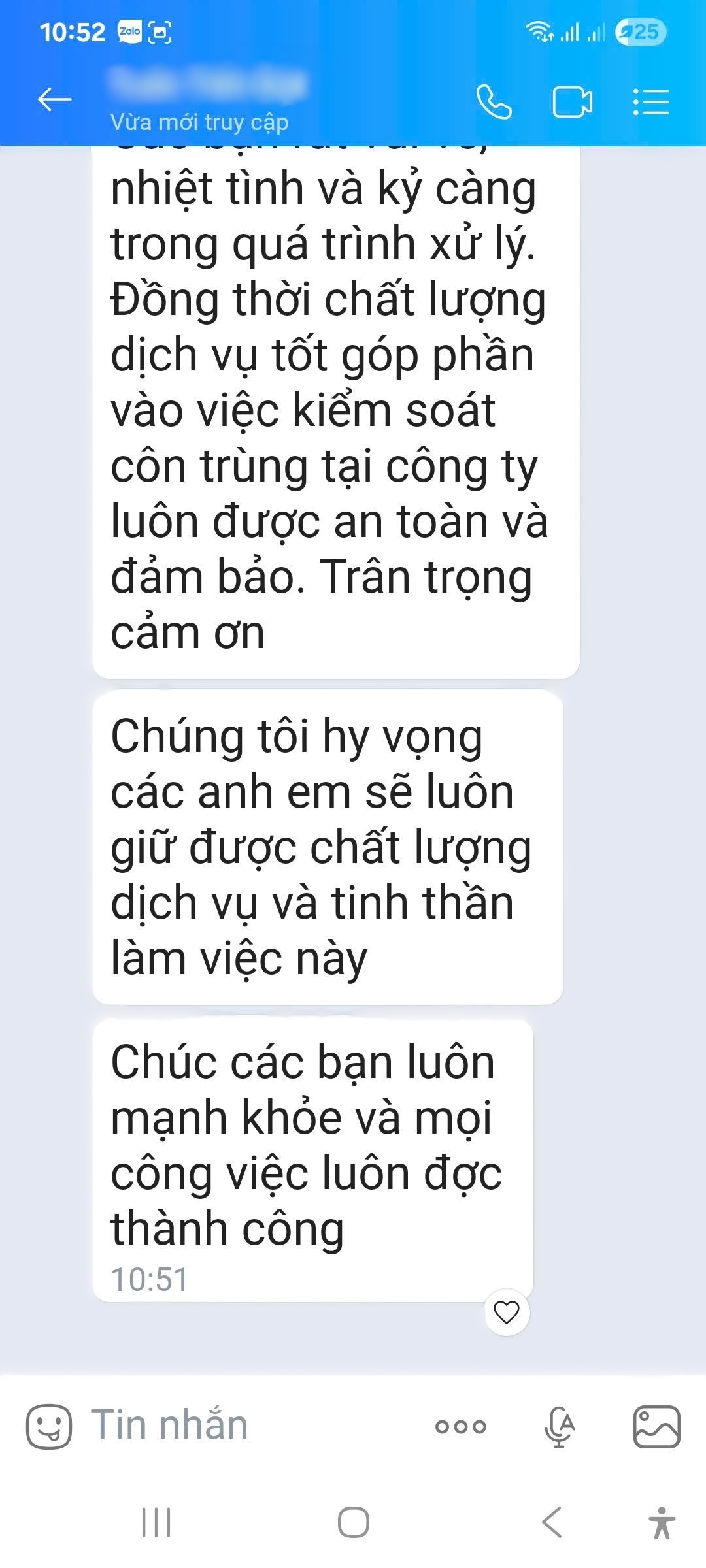
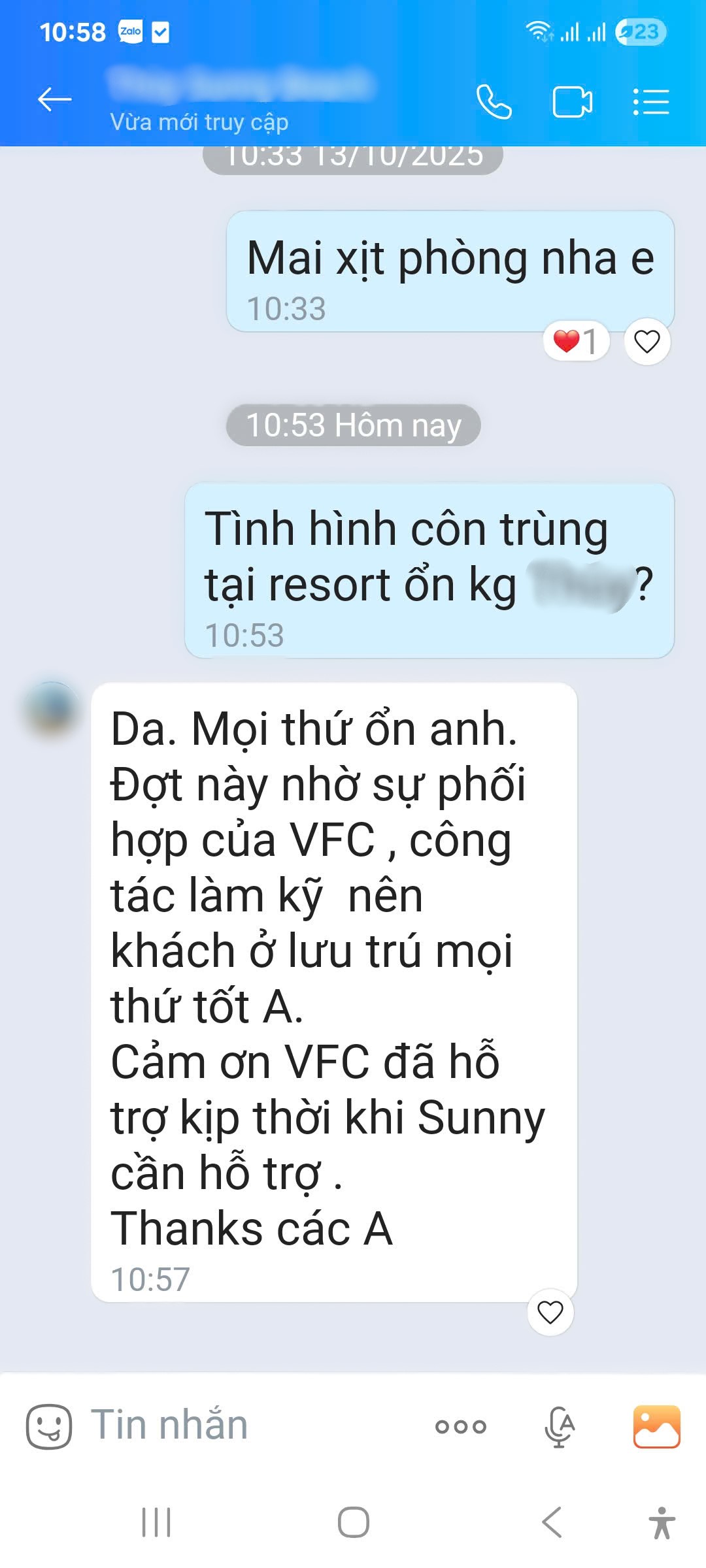



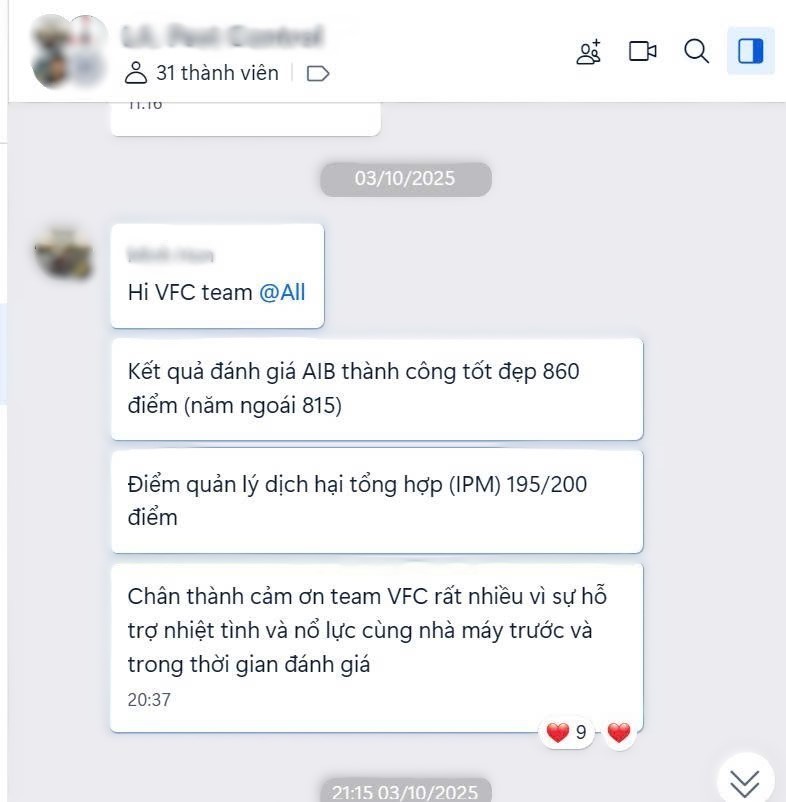
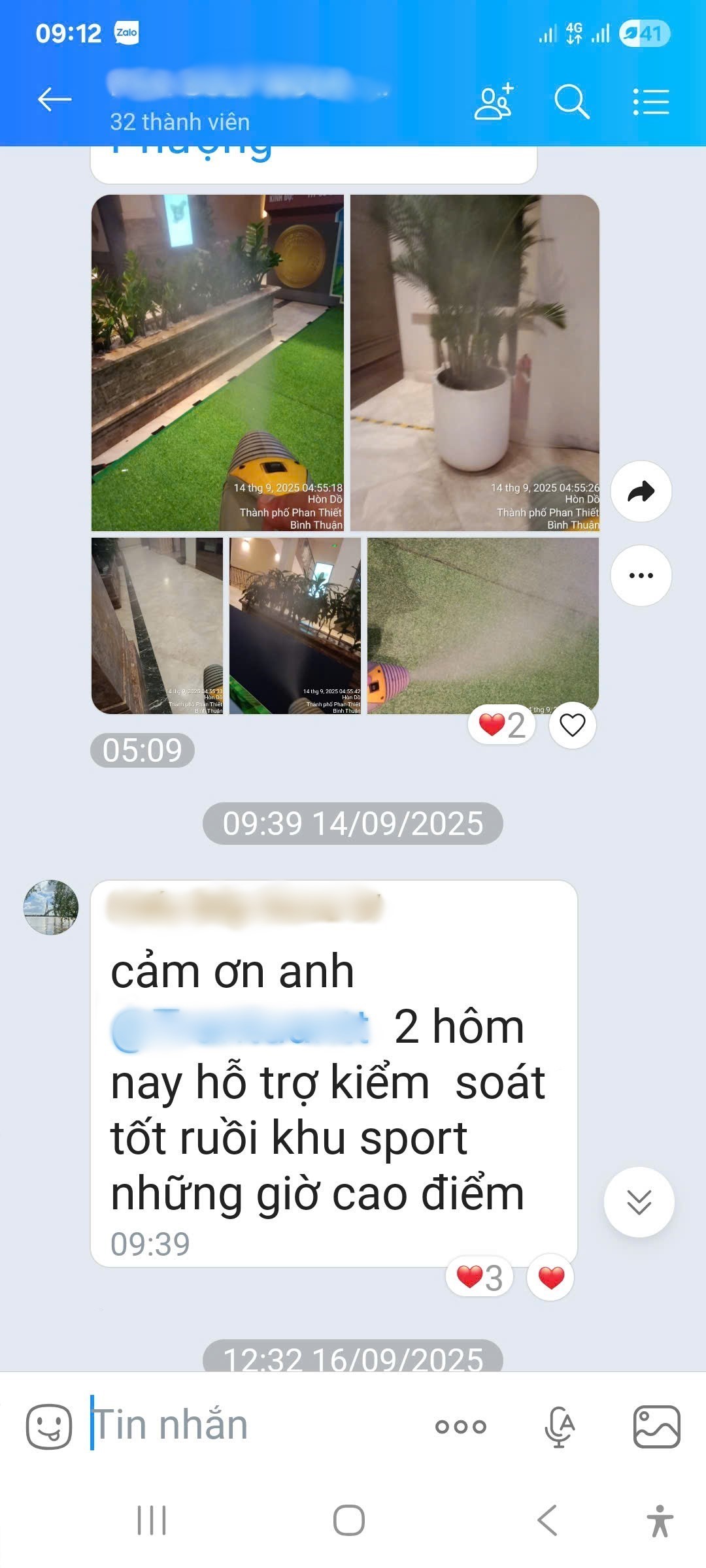
FAQs
-
How long does it take to see effective results?It depends on the level of infestation and site conditions. Typically, clear improvement is seen after the first treatment, with more stable results when an IPM program is maintained on a regular cycle.
-
Is it safe for people and food-handling areas?PestMan prioritizes non-chemical methods and only uses chemicals when necessary, with the correct dosage, placement, and timing. All treatments come with safety instructions and guidance on when the area can be safely re-entered.
-
Why do pests keep coming back even after multiple treatments?It is often caused by incorrect species identification, untreated hotspots, and remaining entry routes and attractants (waste, moisture, and structural gaps). IPM focuses on eliminating these root causes at the source.
-
Does PestMan conduct a site survey before providing a quotation?Yes. Site inspection helps determine risk levels, critical areas, and suitable solutions, ensuring accurate pricing based on actual needs and avoiding unexpected costs.
-
Which types of facilities is the service suitable for?Factories, warehouses, F&B outlets, hotels, offices, schools, and residential areas (programs are tailored by PestMan based on hygiene requirements and operational frequency).
-
What should I prepare before the technician arrives?Just provide information about the affected area, operating hours, and sensitive zones. Our specialists will guide you through the necessary steps for a fast and safe implementation.

Pest control is not simply about spraying; it requires proactive risk monitoring and audit readiness to protect the environment and brand reputation.

Ready to eliminate audit risks and proactively protect customer experience & brand reputation?