





By VFC PestMan | 10-05-2026
German cockroaches in hotels are one of the pest problems that can create significant challenges for hospitality establishments. Despite their small size, their rapid reproduction and strong adaptability to indoor environments allow German cockroaches to quickly develop into large populations if they are not detected and controlled in time.
For hotels, the presence of German cockroaches affects not only hygiene but also directly impacts the guest experience, service reviews and brand image. A single cockroach appearing in a guest room, restaurant area or kitchen can create a negative impression, particularly in the hospitality industry, where cleanliness is one of the most important criteria.
German cockroach control in hotels needs to follow a preventive and risk-management approach rather than relying only on treatment after the insects have already been detected.
1. What are German cockroaches and why are they a concern in hotels?
The German cockroach (Blattella germanica) is one of the most common cockroach species in urban environments and food-service and hospitality establishments. It is small, typically about 1–1.5 cm long, yellowish-brown in colour, with two dark stripes running lengthwise behind the head.
Unlike many larger cockroach species that are often found outdoors, German cockroaches tend to live in enclosed, warm environments where food and water are available. These conditions are commonly found in hotels, particularly in kitchens, restaurants, food storage areas and technical areas.
German cockroaches are a concern because of their rapid reproductive capacity. A female can carry multiple eggs and produce a large number of new individuals within a short period. Once the population has developed, control becomes more complex because they often harbour in difficult-to-access locations.
In addition, German cockroaches can carry bacteria, fungi and other contaminants from one area to another on their legs, bodies or through their waste.

2. Why are German cockroaches commonly found in hotels?
Hotels provide many conditions that are favourable for German cockroaches to develop. Food sources from kitchens, restaurants and raw material storage areas, together with stable temperatures and numerous harbourage locations, make hotels a suitable environment for this insect species.
One common contributing factor is food preparation and service. Areas such as kitchens, buffet restaurants and food counters often contain large amounts of food, grease and organic matter. Even small amounts of spilled food or inadequately controlled sanitation can create favourable conditions for cockroach activity.
In addition, German cockroaches can enter hotels through various routes, including:
- Incoming food ingredients.
- Cardboard boxes and transport packaging.
- Equipment and furniture brought into the facility.
- Luggage or personal belongings.
After entering the hotel, they typically move to areas with favourable conditions and begin establishing harbourage sites. Therefore, control should not focus only on locations where cockroaches are seen; the hotel also needs to review high-risk areas throughout its entire operational flow..
3. Which areas in a hotel are at risk of German cockroach activity?
German cockroaches are not usually distributed evenly throughout a hotel; instead, they tend to concentrate in areas with food, water, and shelter.
3.1. Hotel kitchens
The kitchen is one of the highest-risk areas because food is regularly present, temperatures are relatively high, and equipment creates numerous gaps and concealed spaces.
German cockroaches often harbour in:
- Areas behind kitchen cabinets.
- Gaps in and around equipment.
- Areas beneath sinks.
- Locations near water pipes.
- Raw material storage areas.
If not properly controlled, cockroaches can move from the kitchen into guest-service areas.
3.2. Buffet restaurants and food-service areas
Buffet restaurants contain large quantities of food and operate continuously. Food spills, areas used to collect dirty dishes and concealed spaces beneath equipment can become attractive locations for cockroaches.
In particular, doors that are frequently opened during guest service can also facilitate insect movement between areas.
3.3. Food storage areas
Food storage areas require strict control because they can provide a long-term food source for German cockroaches.
Factors that increase the risk include:
- Goods stored for long periods.
- Cardboard packaging.
- Areas that are cleaned infrequently.
- Gaps behind storage racks.
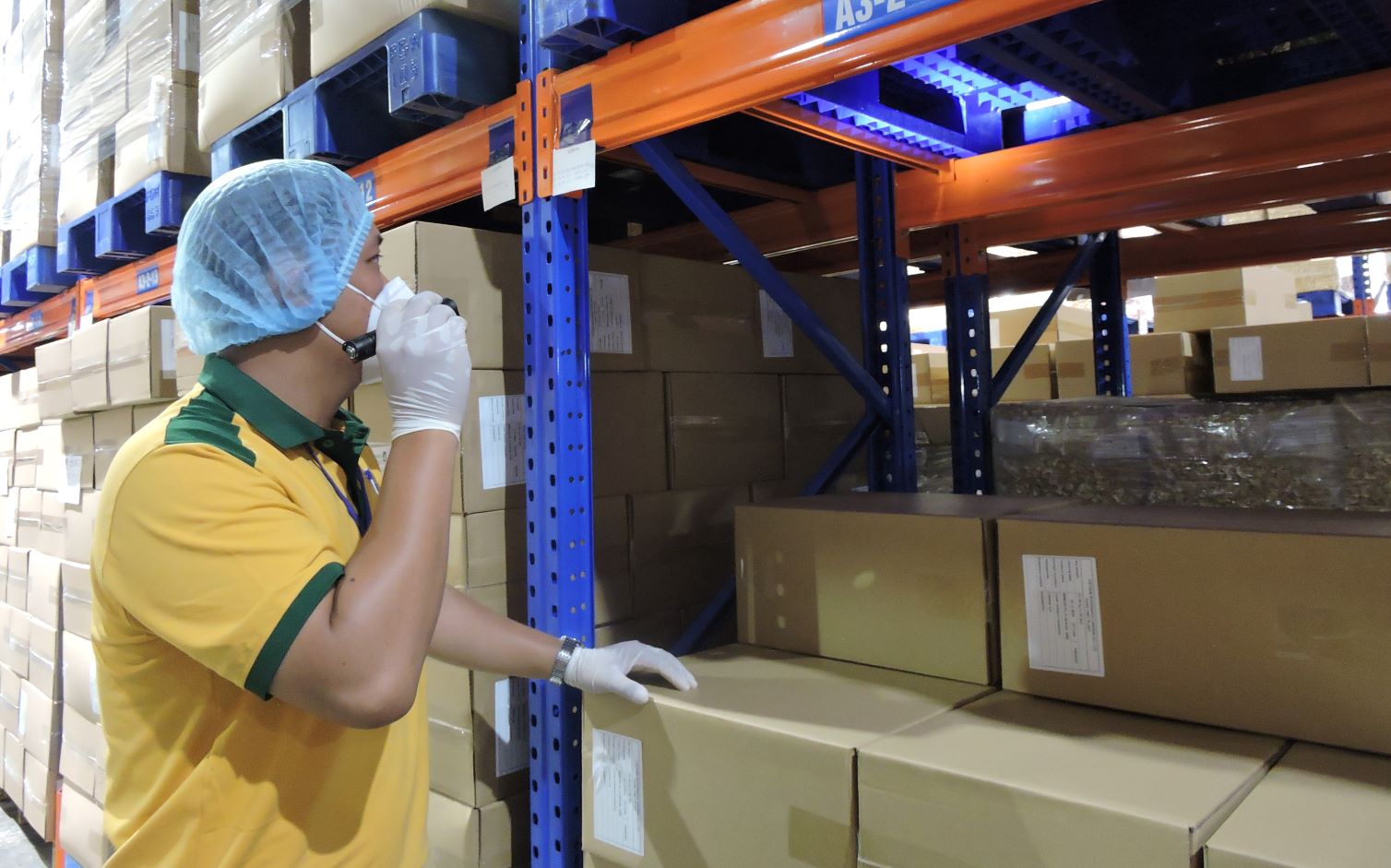
Inspecting incoming materials and maintaining warehouse sanitation play an important role in preventing cockroach entry. In addition to German cockroaches, stored goods and raw materials may also carry weevils, beetles, stored-product moths and other groups of warehouse insects, so signs on packaging and materials also need to be inspected.
3.4. Guest rooms and public areas
Although these are not the highest-risk areas, German cockroaches may still appear in guest areas, corridors, guest rooms or public spaces if the population has already grown significantly.
Cockroach activity in these areas is often a sign that the source may be located elsewhere within the hotel.
4. Signs of German cockroach activity in a hotel
Early detection helps hotels take action before cockroaches spread further. Common signs include:
- Small yellowish-brown cockroaches, particularly seen at night.
- Small black specks resembling ground pepper around wall corners or cabinet gaps.
- A characteristic unpleasant odour in enclosed areas.
- Shed skins left after moulting.
- Cockroach egg cases found in equipment gaps, cabinets or damp areas.
It is important to note that seeing a few German cockroaches does not necessarily mean that only a few individuals are present. Because they live in populations, visible cockroach activity may indicate that a harbourage site is developing nearby.
5. Why is conventional cockroach spraying not a long-term solution?
A common mistake when controlling German cockroaches in hotels is to spray pesticides only where cockroaches are seen.
This method can help rapidly reduce the number of adult cockroaches but often does not resolve the entire problem. German cockroaches can harbour in small gaps, behind equipment and in difficult-to-access locations. This is also why businesses need to distinguish between spraying to rapidly reduce cockroach density and an IPM programme designed to control underlying causes, harbourage sites and the risk of recurrence.
In addition, cockroach egg cases may continue to develop if they are not properly controlled. Over time, a new population may emerge again.
Effective German cockroach control needs to combine site assessment, identification of the source, targeted treatment at the correct locations and continued monitoring after treatment.
6. Effective German cockroach control solutions for hotels
German cockroach control in hotels needs to be developed within an Integrated Pest Management (IPM) programme focused on prevention, monitoring and targeted treatment.
First, the hotel needs to identify high-risk areas through an actual site assessment. This helps identify food sources, harbourage sites and cockroach movement routes.
Control measures can then be implemented, including:
- Improving sanitation in kitchen and food storage areas.
- Controlling food spills.
- Sealing gaps and entry points.
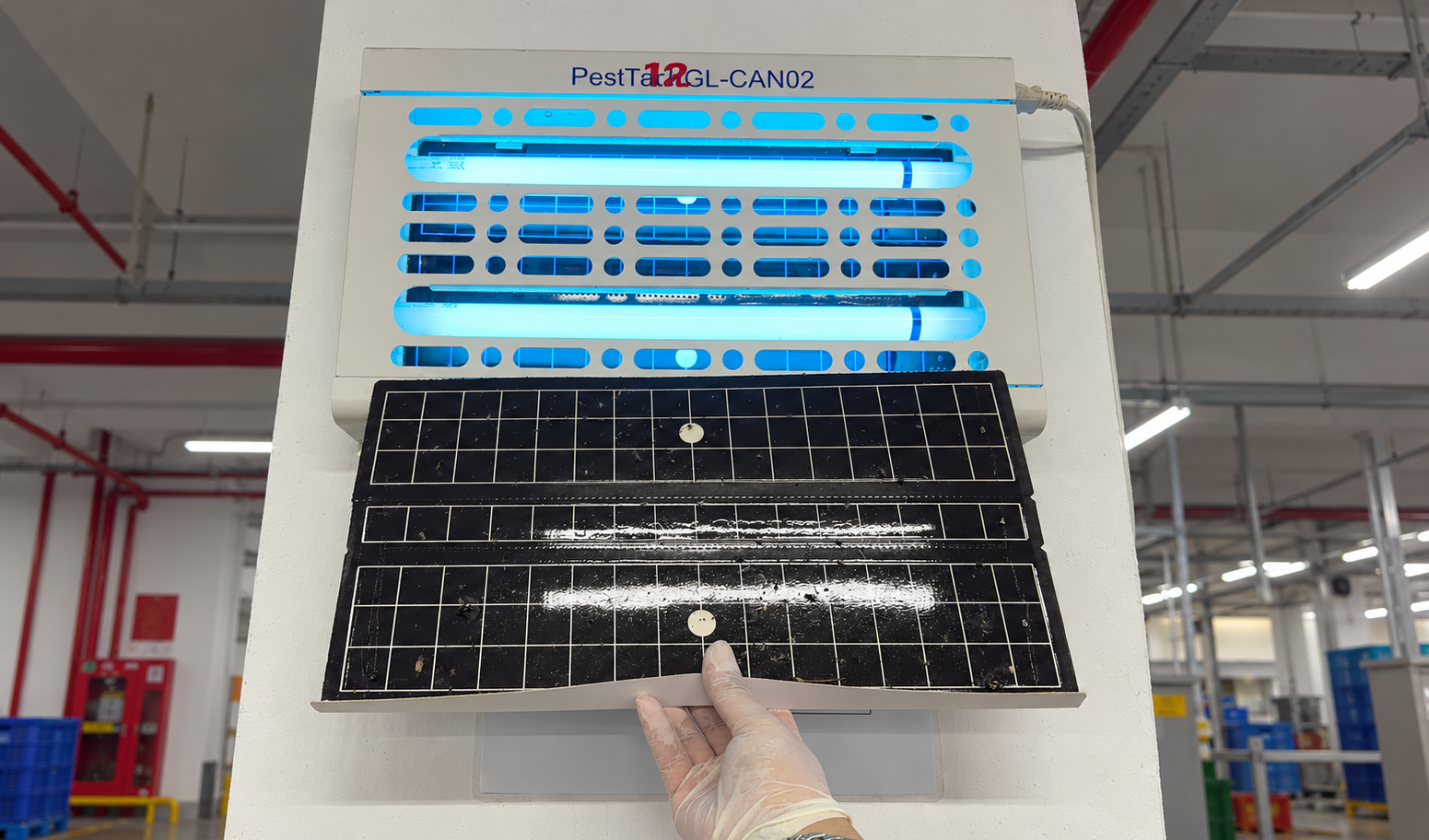
- Using monitoring devices in risk areas.
- Applying targeted treatment at cockroach harbourage sites.
- - Monitoring cockroach density after treatment.
Việc ghi nhận dữ liệu kiểm tra định kỳ giúp khách sạn đánh giá hiệu quả kiểm soát và phát hiện sớm nguy cơ tái phát. Khi khách sạn có nhiều điểm giám sát, dữ liệu có thể được tổng hợp để theo dõi xu hướng mật độ theo thời gian, xác định hotspot và nhận biết khu vực liên tục tái phát.
This area- and data-based approach has also been applied by PestMan in resort – restaurant – hotel environments, where the programme needs to control insects while also limiting impacts on the guest experience.
7. Preventing German cockroaches from returning to hotels
In addition to treatment after detection, prevention plays an important role in maintaining a clean and stable environment.
Hotels need to manage multiple factors, including:
- Inspecting incoming materials.
- Managing cardboard packaging.
- Maintaining sanitation in kitchens and storage areas.
- Inspecting technical areas.
- Training employees to recognise signs of pest activity.
A well-designed control programme not only helps eliminate existing cockroach activity but also limits the likelihood of recurrence in the future. In hotels where multiple departments are involved in operations, identification and response should be standardised through IPM checklists and training procedures for housekeeping, kitchen, restaurant, engineering and sanitation teams.
Frequently Asked Questions
Why are German cockroaches commonly found in hotels?
Hotels contain many areas that provide food, water and harbourage, such as kitchens, restaurants, food storage areas and technical areas. In addition, the frequent movement of guests and goods in and out of the property also increases the risk of cockroach entry.
Are German cockroaches in hotels a concern?
Yes. German cockroaches can carry microorganisms that may cause contamination and affect hygiene within hospitality facilities, particularly in food preparation and service areas.
Can German cockroaches be controlled using pesticide spraying alone?
No. Spraying can rapidly reduce cockroach numbers, but it needs to be combined with identifying harbourage sites, controlling food sources and periodic monitoring to limit recurrence.
How can hotels prevent German cockroaches from returning?
Hotels need to maintain a routine pest management programme that combines sanitation, inspection of risk areas, material management and pest-data monitoring.
German cockroaches in hotels need to be managed proactively because of their rapid reproductive capacity and strong adaptability to indoor environments. Effective control should not stop at eliminating visible individuals but needs to focus on the causes of occurrence, harbourage areas and long-term preventive measures.
An appropriate pest management programme helps hotels maintain hygiene standards, protect the guest experience and reduce risks that may affect the brand.
If businesses are looking for a pest control company for businesses, need to survey the current pest situation or build a control program suitable for a factory, warehouse, hotel, or building, VFC PestMan can assist with on-site evaluation and propose solutions based on actual risks.
Hotline: (+84) 932669883
Email: contact@pestman.vn


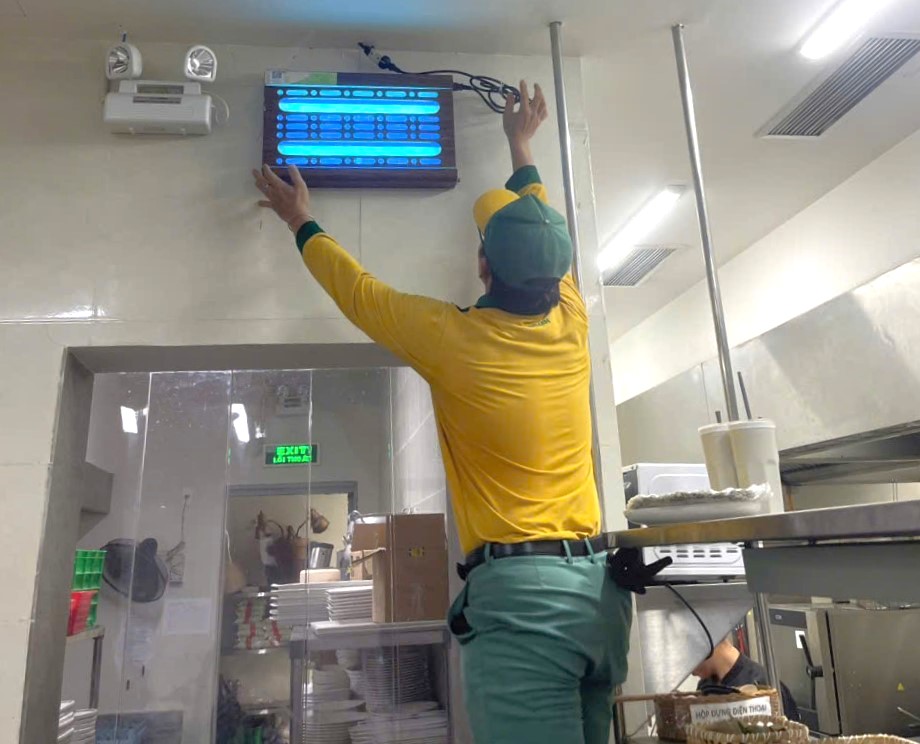
Các loại bẫy và thiết bị giám sát dịch hại trong nhà máy
Bẫy và thiết bị giám sát là một phần quan trọng trong chương trình kiểm…

Pheromone traps: An insect monitoring solution for pest control
Pheromone traps are applied in pest control due to their ability to attract...
Related news



Ready to eliminate audit risks and proactively protect customer experience & brand reputation?






Dear Valued Visitor,
To protect our clients' interests, all materials here are copyrighted and may not be reproduced without permission.
We appreciate your cooperation. Should you need to use our content professionally, please contact us directly.