





By VFC PestMan | 13-05-2026
In manufacturing environments, particularly within food, beverage, and logistics factories, flies are not merely a nuisance but a direct threat to product quality and hygiene standards. The presence of just a single fly in the production area can lead to cross-contamination risks, quality degradation, and negatively impact GMP, HACCP audits, or customer compliance audits. The article below provides comprehensive insights into factory fly control, helping businesses alleviate fly-related concerns in their operations and production lines.
The article below will share comprehensive knowledge on how to eliminate flies in factories, helping businesses minimize worries about flies during operation and production.
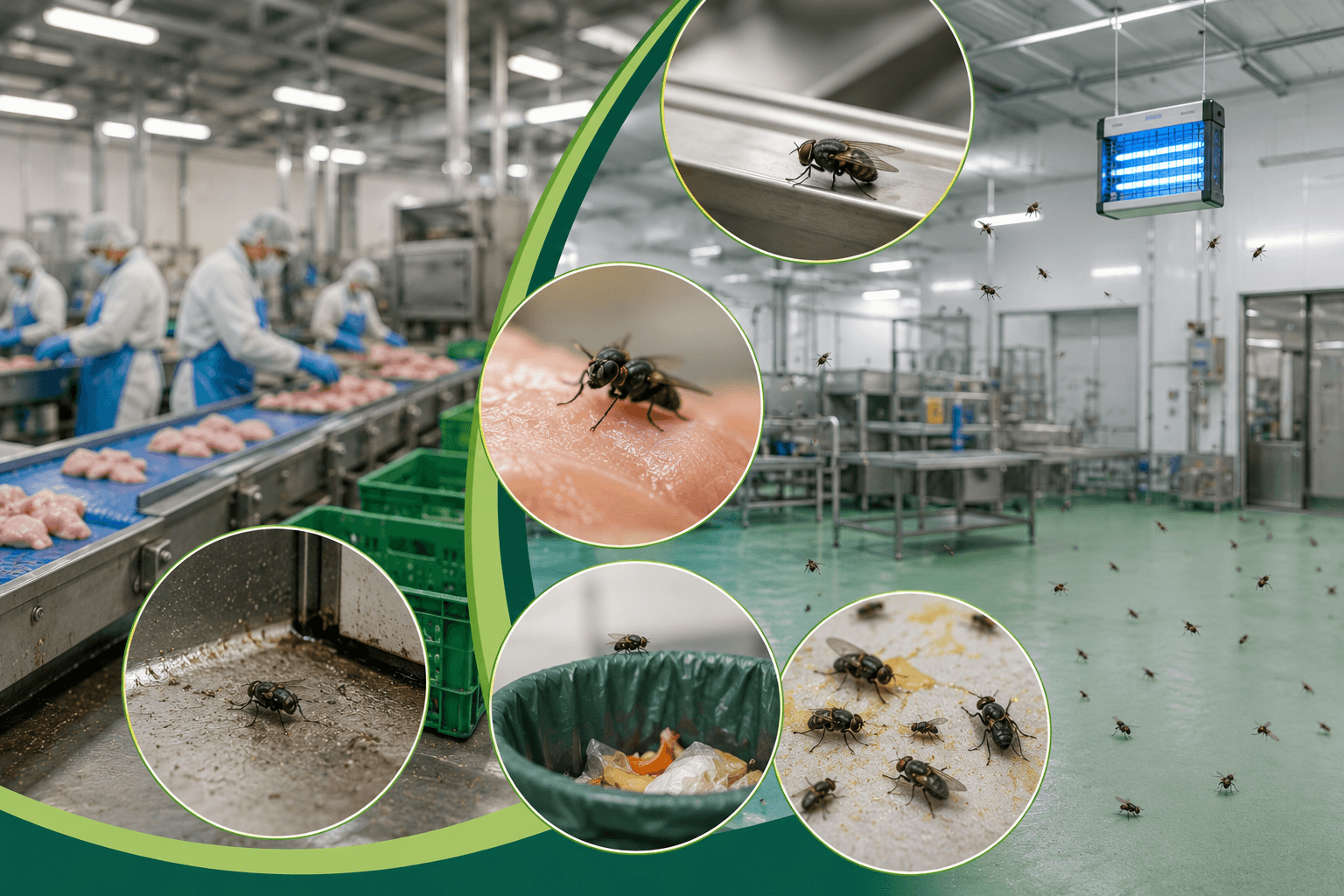
Each fly species has different living habits and breeding sources:
1. Common fly species found in factories
Houseflies, blow flies, fruit flies, drain flies, and flesh flies are the 5 main types of flies that frequently invade and damage industrial manufacturing environments.
1.1. Musca domestica
1.1.1. What are houseflies?
Houseflies (scientific name Musca domestica) are common insects that live in close proximity to humans, accounting for over 90% of all flies in residential environments. Houseflies are omnivorous, active during the day, and serve as vectors for transmitting over 65 dangerous diseases, such as dysentery, diarrhea, and skin infections.
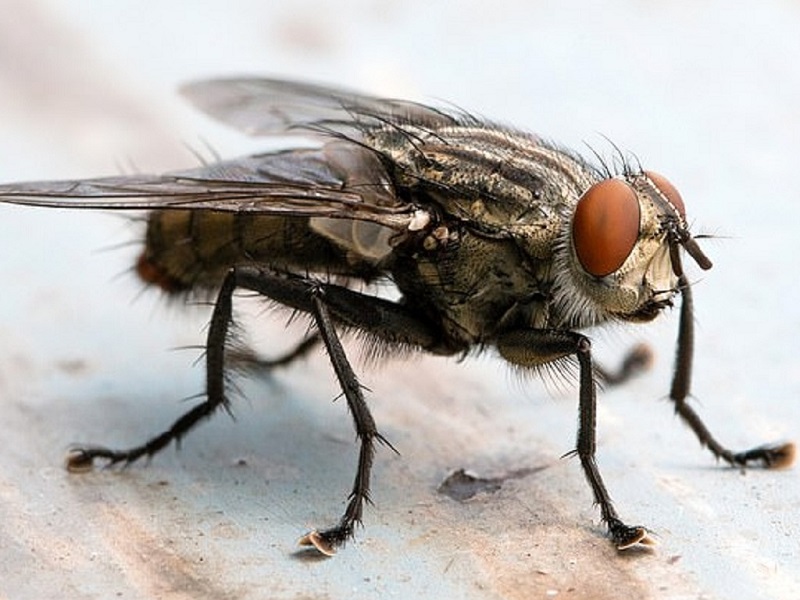
What are houseflies?
1.1.2. Identification characteristics of houseflies
- Appearance and size: The body measures approximately 6–8 mm in length, gray in color with four black stripes on the thorax, and covered with fine hairs.
- Feeding behavior: Feeds on liquid substances, leftover food, decomposing organic waste, feces, and human sweat. This insect often “feeds and regurgitates” previously consumed food to liquefy new food sources, contributing to the spread of pathogens.
- Life cycle: Undergoes four stages (egg → larva → pupa → adult fly) within approximately 6–42 days, depending on temperature conditions.
- Habitat: Prefers damp, unsanitary environments with foul odors, garbage bins, and areas where food is left uncovered.
1.1.3. Living habits and feeding methods
Unique feeding mechanism: Houseflies are omnivorous, but because they can only consume liquids, they regurgitate digestive fluids and partially digested food from their stomachs to liquefy new food before sucking it back up. This behavior, combined with their habit of constantly excreting while feeding, allows houseflies to contaminate food extremely quickly.
Attractive environments: Houseflies are attracted to almost all types of human food, especially sweet and protein-rich foods, as well as household waste, animal feces, and decomposing organic matter.
Activity patterns: Houseflies are most active during the daytime in production areas where food sources, high humidity, and organic waste are present. At night, they seek resting places such as ceilings, electrical wires, and wall edges.
1.2. Blow flies
1.2.1. What are blow flies?
Blow flies (bluebottle flies) are a group of large, dirty flies, prominent with a metallic green or blue body and a very loud buzzing sound when flying. In daily life, the term "blow flies" is also used as a compound noun to refer generally to fly species living in polluted environments, specialized in landing on waste, animal carcasses, and feces. This insect has an extremely fast reproduction rate and is a source of bacterial infection causing serious food poisoning.
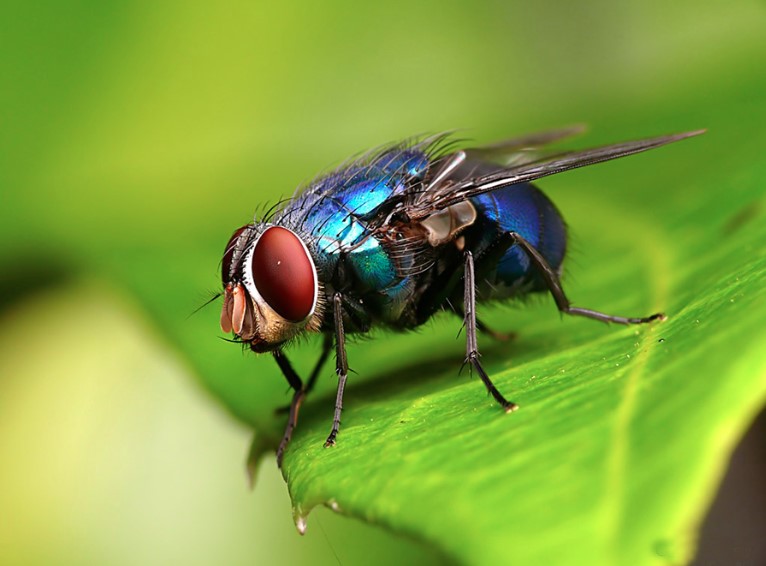
What are blow flies?
1.2.2. Characteristics and habits of blow flies
- Appearance: Typically measures between 6 and 12 mm in length, with a metallic body that appears blue, green, or bronze in color.
- Reproductive behavior: Blow flies typically lay eggs or larvae (maggots) directly on decaying food, carcasses, or waste materials.
- Life cycle: Undergoes four life stages: egg → larva (maggot) → pupa → adult.
- Health risks: Blow flies contaminate food by carrying bacteria and parasites that can cause intestinal diseases and other infectious illnesses in humans.
1.2.3. Ecological and reproductive habits
Highly sensitive sense of smell: Green bottle flies are capable of detecting the smell of decaying meat or carcasses from several kilometers away and are often among the first insects to reach these sources.
Attractive environments: Animal feces, wet organic waste, fresh meat and seafood stalls in markets, and especially dead animal carcasses strongly attract blow flies.
Reproduction rate: A female blow fly can lay up to 2,000 eggs during its lifetime. Under warm conditions, the eggs can hatch into maggots within just 9–20 hours. In processing facilities, if hidden areas are not properly cleaned, a single pair of blow flies can trigger a serious pest outbreak within only a few days.
1.3. Drosophila species
1.3.1. Concept of fruit flies
Fruit flies (also known as vinegar flies) are extremely small flies that often appear around cracked ripe fruits, fermenting vegetables, or decomposing sweet organic matter. They are particularly dangerous in food and beverage processing plants or places with fermenting organic materials.
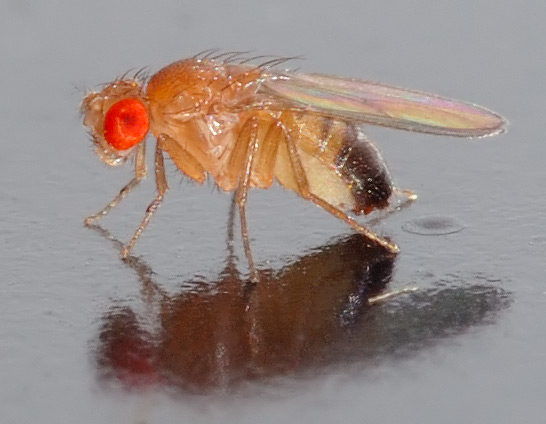
Concept of fruit flies
1.3.2. Identification characteristics of fruit flies
- Size: Extremely small, measuring only about 3–4 mm in length (approximately one-third the size of a common housefly).
- Color: The body is yellowish-brown or tan, with black horizontal bands across the abdomen.
- Eyes: Large compound eyes with a bright red color, which is the species’ most recognizable feature.
- Flight behavior: Flies slowly and sluggishly, often hovering in small groups around fruit baskets or kitchen trash bins.
1.3.3. Reproductive habits and development
Attractive environments: Strongly attracted to the sour smell of acetic acid (vinegar), alcoholic substances such as wine and beer, and fermented sugars from ripe fruits.
Reproduction rate: Extremely rapid. A female fruit fly can lay up to 500 eggs during its lifetime.
Short life cycle: Eggs hatch into larvae within just 24 hours. Their entire life cycle, from egg to adult, can be completed in only 8–10 days. At this rate, areas with accumulated organic matter or stagnant water in factories can quickly develop into serious pest infestation sites if not cleaned continuously.
1.4. Psychodidae
1.4.1. Overview of drain flies
Drain flies (also known as moth flies) are small insects that usually appear in wet places with stagnant water or accumulated decomposing organic matter indoors. The presence of drain flies is a sign that the factory's wastewater treatment system is over-accumulating organic matter or there is water leakage from related systems such as drainage ditches, air conditioner drainage systems, or even inside the undersides and walls of cold storage...
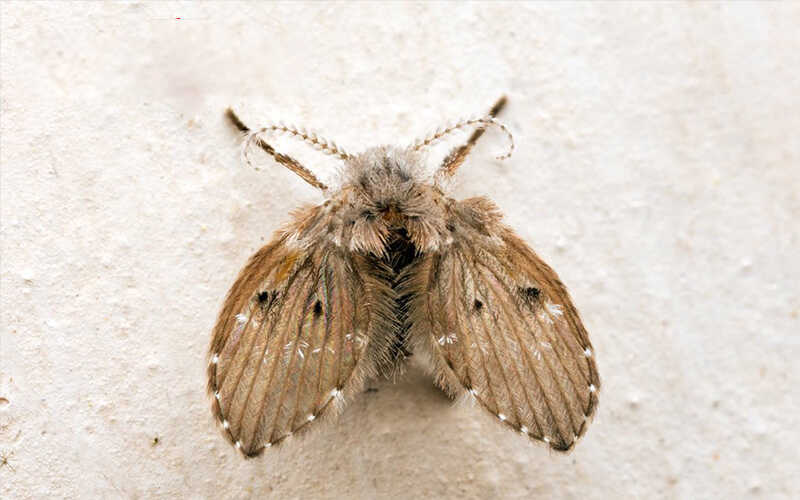
Overview of drain flies
1.4.2. Identification characteristics
- Appearance: The body and wings are covered with dense, fine hairs, giving it the appearance of a tiny moth.
- Size: Extremely small, with a body length of only 2–5 mm.
- Color: Usually light gray, grayish-brown, or black in color.
- Wing characteristics: When resting, the drain fly’s wings spread outward in a heart-shaped or roof-like position, rather than folding flat along the body like a common housefly.
- Flight behavior: Weak and sluggish flyers, usually moving in short bursts and often crawling on walls or sink edges instead of flying continuously.
1.4.3. Habitat and reproduction
Attractive environments: Moth flies commonly breed within the biofilm formed by organic residue inside drains, sewer lines, toilets, or damp bathroom tile gaps. In factories, wastewater drainage systems and worker sanitation areas are the most common locations for this buildup. Without regular cleaning and flushing, these pipe systems can become breeding grounds for large populations of moth flies.
Food sources: The larvae (drain maggots) feed on decomposing organic matter, mold, and bacteria accumulated inside drains.
Life cycle: Eggs hatch into larvae within 48 hours. The complete life cycle, from egg to adult fly, typically takes between 1 and 3 weeks.
1.5. Sarcophagidae
1.5.1. Concept of flesh flies
Flesh flies are a group of large flies, famous for their habit of feeding and giving birth to live larvae directly on animal meat or decaying organic matter. This insect is an entity that directly contaminates product surfaces if not prevented in time.
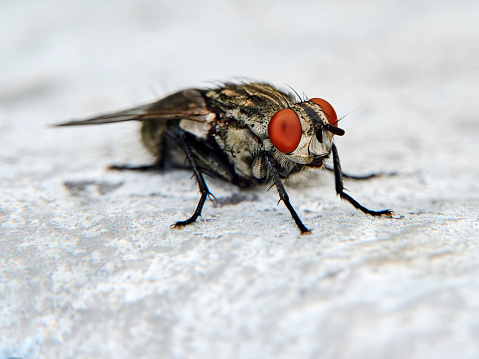
Fresh flies
1.5.2. Identification characteristics
- Distinctive coloration: The body is light gray in color. The thorax features three clearly visible longitudinal black stripes (unlike the common housefly, which has four stripes).
- Abdominal pattern: The abdomen displays alternating light and dark checkerboard-like markings. Some individuals may have a red spot at the tip of the abdomen.
- Size: Significantly larger than the common housefly, with a body length ranging from 9–13 mm.
- Head and eyes: Features large compound eyes that are typically dark red or orange in color. Males usually possess more body bristles than females.
1.5.3. Special reproductive habit - Giving birth to live larvae
The biggest difference between flesh flies and other fly families is their reproductive method of giving birth directly to larvae (maggots) instead of laying eggs.
- The eggs of the flesh fly will hatch by themselves right inside the mother fly's abdomen.
- When finding a suitable environment such as dead animal carcasses, open wounds of livestock, or trash cans, the mother fly will discharge small maggots directly onto it.
- As soon as they are born, the larvae will begin to burrow deep down and feed on rotting meat or living tissue to grow.
2. Summary of methods to eliminate flies in factories
The most effective and sustainable fly elimination solution today is applying the Integrated Pest Management (IPM) model, focusing 70% of efforts on prevention and eliminating survival sources instead of relying solely on chemicals.
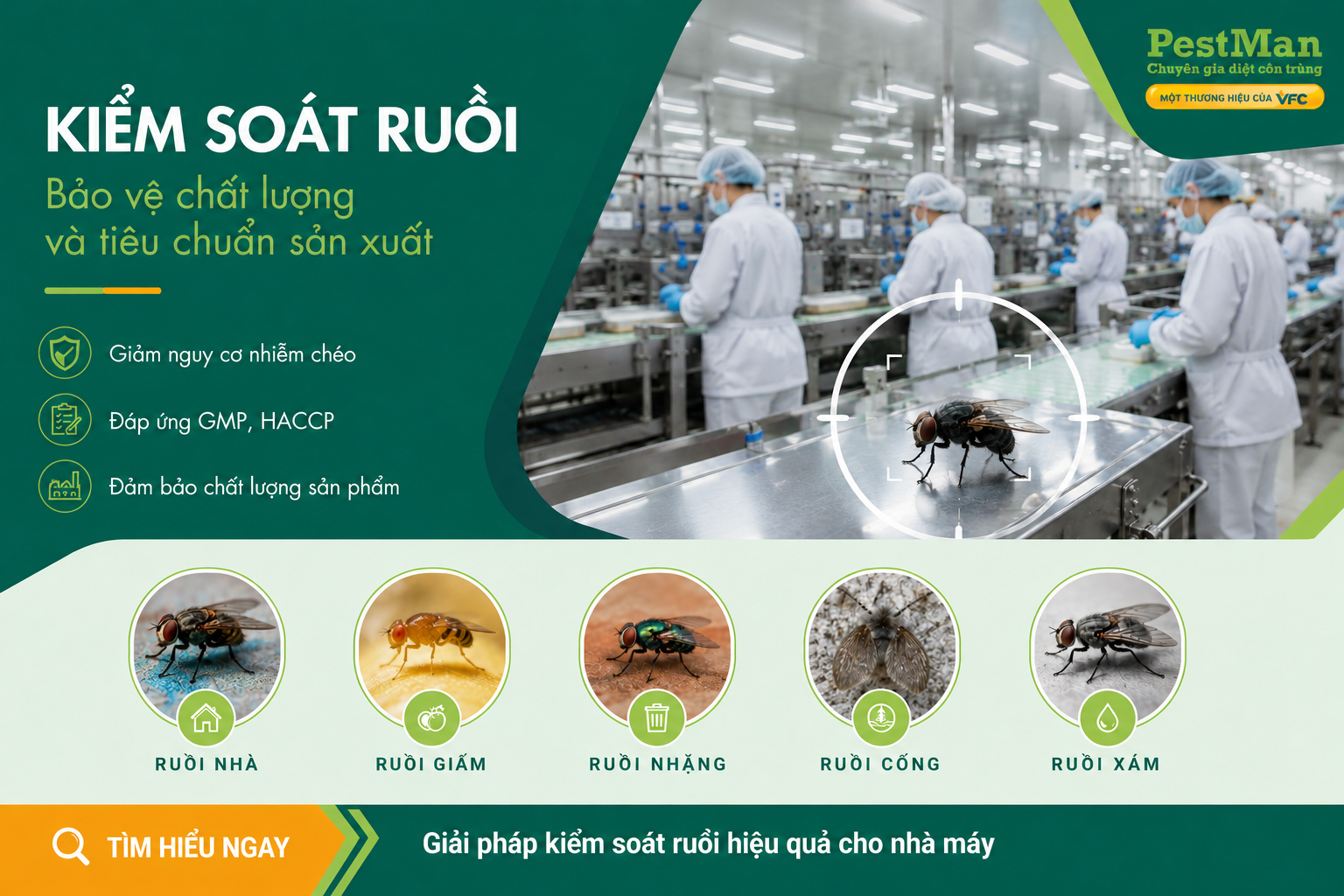
Identifying the right fly species and knowing the breeding source will help businesses control flies effectively.
2.1. Prevention by physical and technical methods
Physical methods are the core of factory fly control, helping to prevent 85% of the risk of entry from the outside without needing chemicals, meeting the strict standards of HACCP and ISO 22000.
Air curtain systems: Install directly at loading dock entrances and main entry doors. The airflow velocity should reach at least 4.0 m/s at a height of 1 meter above ground level to effectively disrupt and prevent fly entry.
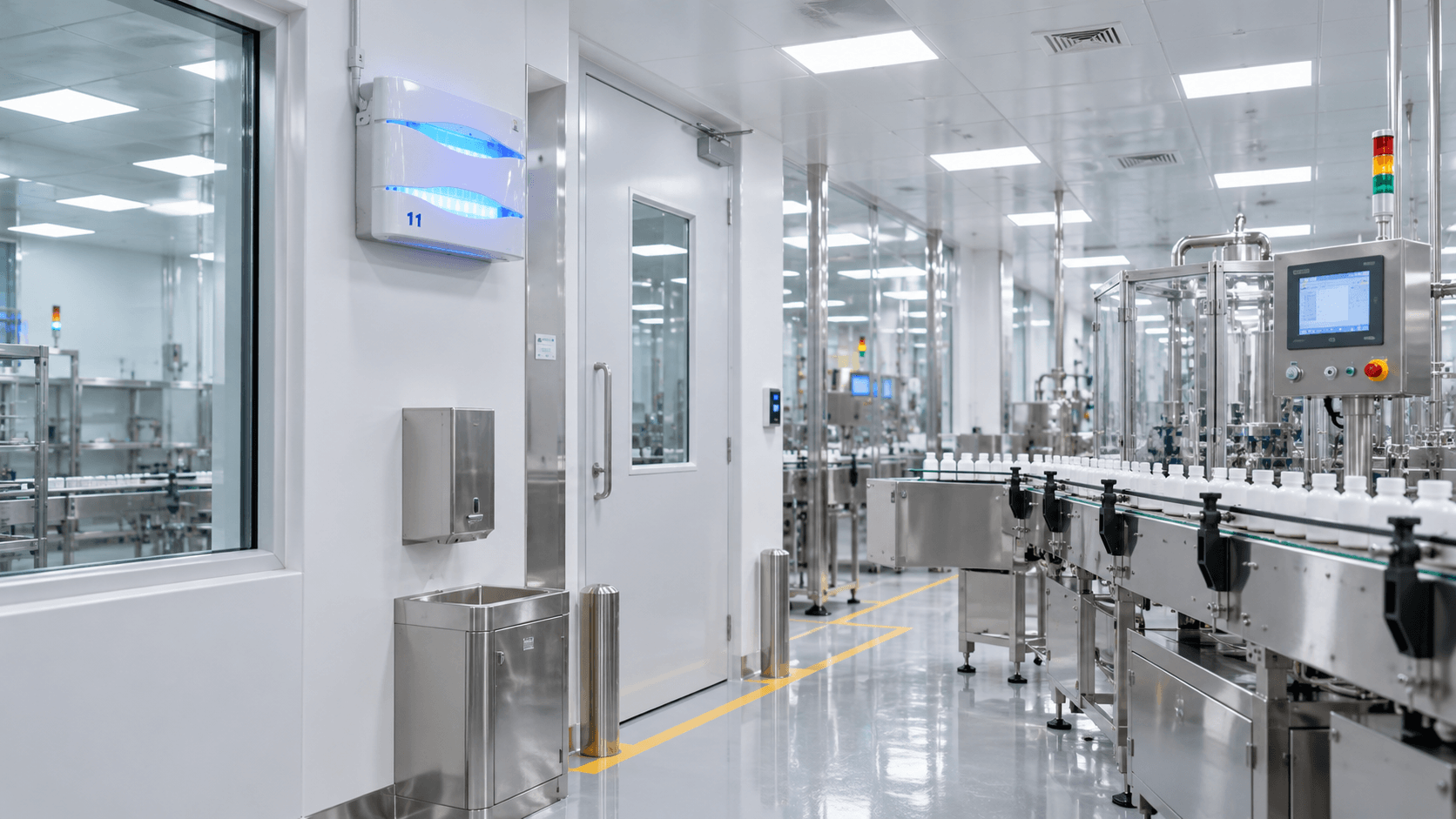
Glue board insect light traps:: This is a mandatory standard for food and pharmaceutical factories. Do not use electric grid traps (which cause explosions and scatter fly carcass fragments). Install the lights at an ideal height of 1.5m – 1.8m, 3m – 5m away from entrances to avoid attracting outside flies inside. Change the glue boards periodically every week.
PVC insect-barrier strip curtains: Install yellow PVC strip curtains at internal passageways. The yellow color helps block UV light emitted from indoor lighting sources, thereby reducing fly attraction. The strips should overlap by 5–10 cm to maintain proper sealing and minimize fly intrusion.
Stainless steel insect screens (16×16 Mesh): Install 304 stainless steel mesh screens on all factory windows, ventilation openings, and air vents to prevent fly entry while still maintaining proper airflow.
2.2. Using specialized chemicals meeting international standards
When fly density exceeds the control threshold, applying chemicals is necessary. However, the factory must use fly control products listed in the approved category of the Ministry of Health, the WHO organization, and achieve international safety certifications.
Residual surface spray treatment: Apply effective insecticide formulations such as Bifenstar 10SC (active ingredient: Bifenthrin) and Alpha Plus 7.2SC (containing Alpha-Cypermethrin 3.6% w/v and Flufenoxuron 3.6% w/v). Spray directly onto exterior walls, waste collection zones, and perimeter fencing to establish a protective barrier with residual effectiveness lasting 2–3 months.
Spray directly onto exterior perimeter walls, waste collection areas, and fencing to establish a protective barrier with residual effectiveness lasting 2–3 months.
Indoor professional fly baits: Place biological fly baits containing active ingredients such as Thiamethoxam or Imidacloprid combined with the sex attractant Muscalure (e.g., Rado Green Fly Bait, Agita, or Quick Bayt) in hidden corners, window ledges, or near waste bins. These baits kill flies rapidly upon contact without dispersing chemicals into the surrounding air.
ULV cold fogging space treatment: Uses high-pressure sprayers to generate ultra-fine mist particles to completely eradicate adult flies in large spaces.
* Safety regulations: Spraying should only be conducted during factory shutdown periods or non-operational days. All raw materials and conveyor systems must be fully covered, followed by cleaning, sanitation, and surface re-inspection of equipment before operations resume.
This is also the reason why many factories are switching to Integrated Pest Management (IPM) programs.
2.3. 5S cleaning process and environmental control
2.3.1. Sort and set in order
Remove all damaged wooden pallets and long-accumulated scrap in workshop corners – ideal shelters for insects. Arrange raw materials at least 30cm away from walls and 15cm above the floor for easy cleaning and periodic inspection.
2.3.2. Shine – Eliminating organic hotspots
- Waste areas: Trash cans inside the workshop must have tight-fitting lids with a foot pedal design. The transit waste collection area must be located at the downwind end, at least 15 meters away from the production workshop, and must be collected, sprayed, and disinfected 2 times/day.
- Drainage ditch system: Weekly use of detergents containing biological enzymes to dissolve organic biofilms (grease, flour, sugar) inside the drains. This is a core measure to eliminate larvae (maggots) and eggs of fruit flies.
2.3.3. Standardize – Controlling mold and moisture
Immediately repair water leakage points at pipes, tray washing areas, or stagnant water on the roof floor. Flies are very sensitive to moisture; maintaining a dry workshop will reduce the survival rate of fly eggs by 70%.
2.3.4. Sustain
Periodically train all employees on warehouse door-closing regulations, not leaving food exposed, and immediately reporting to management when detecting an increase in fly density.
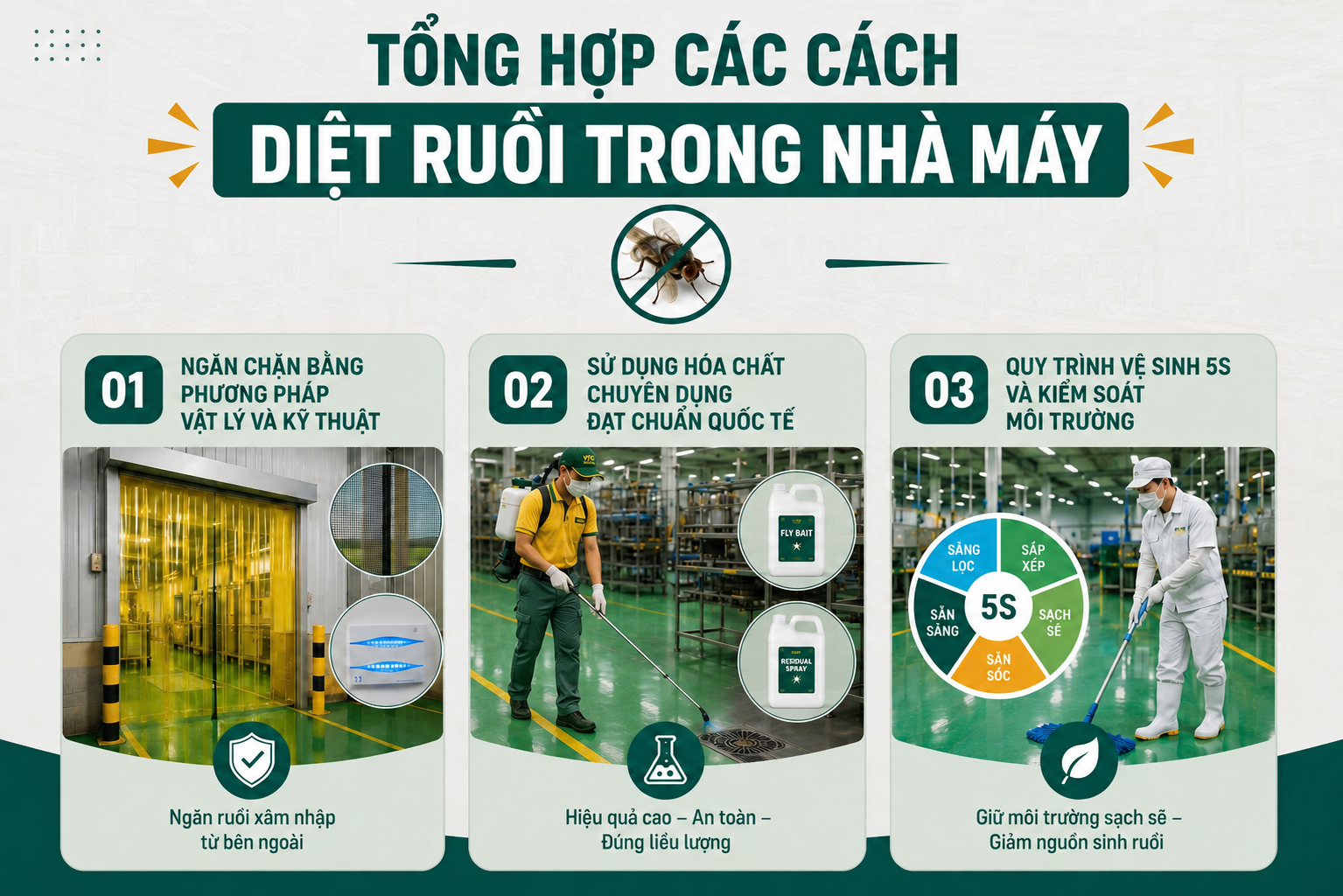
Summary of methods to eliminate flies in factories
See more: 7 Thorough pest control methods for hotels and resorts
3. VFC PestMan – Professional pest control unit for factories
The biggest difference of VFC PestMan lies in its Integrated Pest Management (IPM) solutions rather than conventional insect extermination alone. While traditional insect control focuses only on eliminating visible pests, VFC PestMan’s pest management process addresses the root causes of infestation. We combine food source elimination, harborage reduction, and long-term protective barriers to prevent fly re-infestation and deliver sustainable fly control results.
For factories with high fly density, treatment requires combining breeding source surveys with a periodic control program.

VFC PestMan – Professional pest control solutions for factories
You may be interested in: Insect and rodent control sevices
Flies not only damage property and reputation, but are also a source of dangerous disease transmission. Instead of using ineffective spraying methods, our professional pest control services provide a comprehensive solution: eradicating flies in factories right from the root in just 1 treatment, using safe, odorless, Ministry of Health-approved chemicals, and long-term protection for your living space and business.
In addition, we possess a transparent electronic reporting system, helping factory management easily track insect density indexes and prepare documents for quality audit teams.
In addition, VFC PestMan has a team of highly experienced technicians with in-depth knowledge of the biological behavior of each insect species. Instead of relying on ineffective spraying methods, our Professional insect control services provide a comprehensive solution: eliminating flies at the source in factory environments with just one treatment, using odorless and Ministry of Health-approved chemicals to ensure long-term protection for your production and working environment.
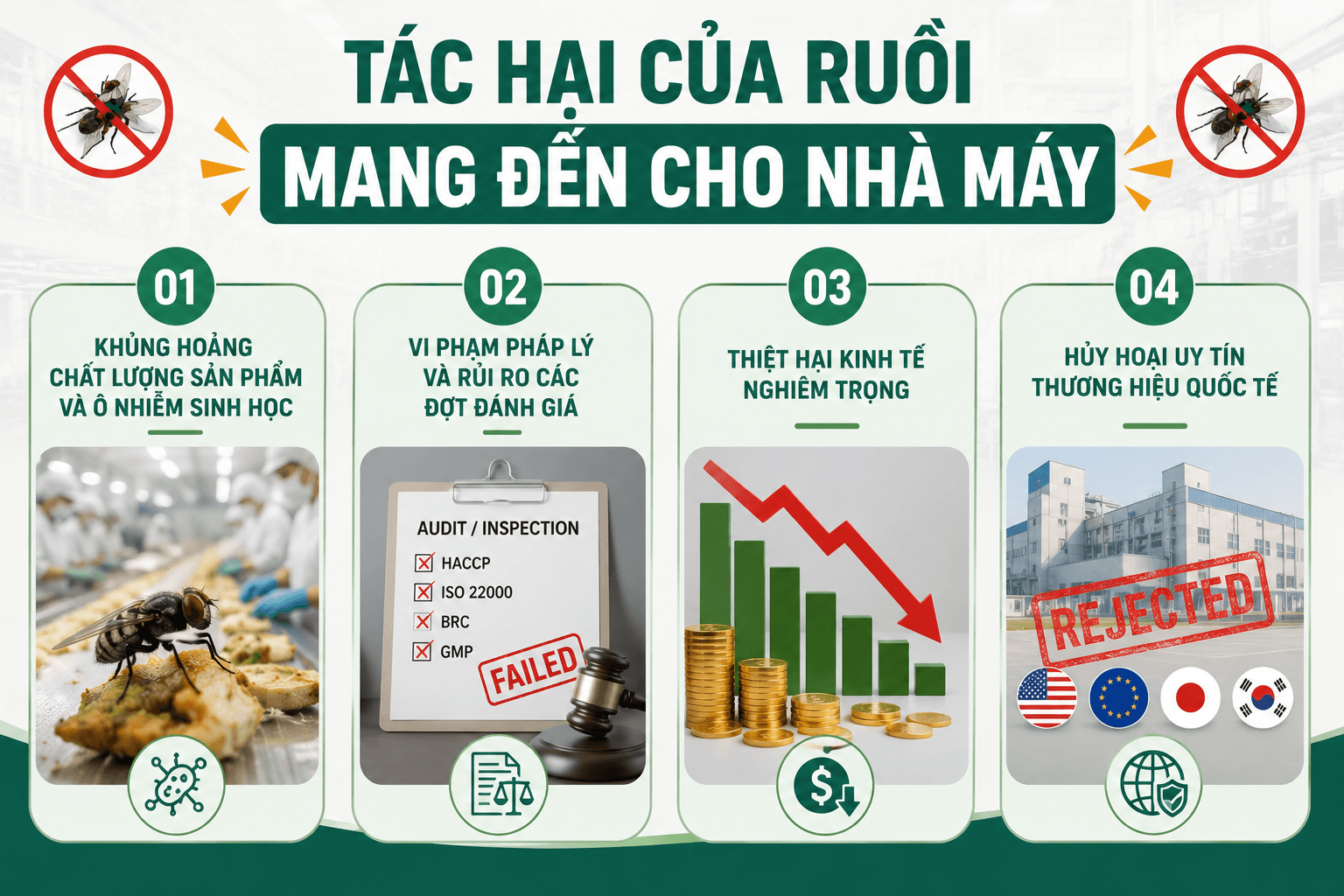
4. Harmful effects of flies on factories and enterprises
4.1. Decline in product quality and biological contamination
Transmission of dangerous pathogens: Flies carry more than 100 harmful pathogens, including Salmonella, E. coli, and Campylobacter. These insects directly contaminate equipment surfaces, packaging materials, and production ingredients.
Organic foreign matter contamination: Fly carcasses, eggs, or larvae (maggots) entering the packaging line can render products defective and unsellable. This is especially critical for the F&B (Food and Beverage), pharmaceutical, and medical electronics industries.
4.2. Legal violations and impacts on audit results
Failure to meet international certification standards: The presence of flies is considered a major non-conformance that may cause factories to fail audits or lose mandatory quality certifications such as HACCP, ISO 22000, AIB, BRCGS, IFS, or GMP.
Administrative penalties and operational suspension: Food safety authorities may impose fines, seal factory facilities, or suspend production operations if fly populations exceed acceptable safety thresholds during surprise inspections.
4.3. Serious economic losses
Product recall costs:When products are found to be contaminated by flies after distribution, businesses must bear the full costs of product recalls, product destruction, and contractual compensation.
Material waste:Entire production batches contaminated by fly intrusion during a working shift may be required to be destroyed to ensure safety compliance, resulting in significant financial losses.
Reduced workforce productivity:The constant presence and buzzing of flies can distract workers, create discomfort, and reduce operational efficiency on production lines.
4.4. Ruining international brand reputation
Loss of business partners and export contracts: Distributors and international partners may immediately cancel orders if the factory fails a Pest Control Audit.
Media and reputation crisis: Images of foreign contaminants such as fly carcasses found in products and circulated on social media or news outlets can severely damage a brand’s long-established reputation, potentially triggering consumer boycotts.
Learn More: 5 cockroach hotspots in factories during the hot and humid season
Harmful effects of flies on factories and enterprises
Some F&B factories have significantly reduced insect-related incidents after implementing IPM.
See more: 80% reduction in insect incidents in F&B factories
Fly control in factories is never a simple problem, especially when businesses face strict standard audits such as HACCP, ISO 22000, or GMP. Merely spraying chemicals or placing manual traps often only addresses the symptoms, not the root cause.
"If your factory is struggling to eliminate flies completely or needs an Integrated Pest Management (IPM) process to prepare for an upcoming audit, contact VFC PestMan today for detailed consultation and to schedule a site inspection."
- Hotline: (+84) 932669883
- Email: contact@pestman.vn


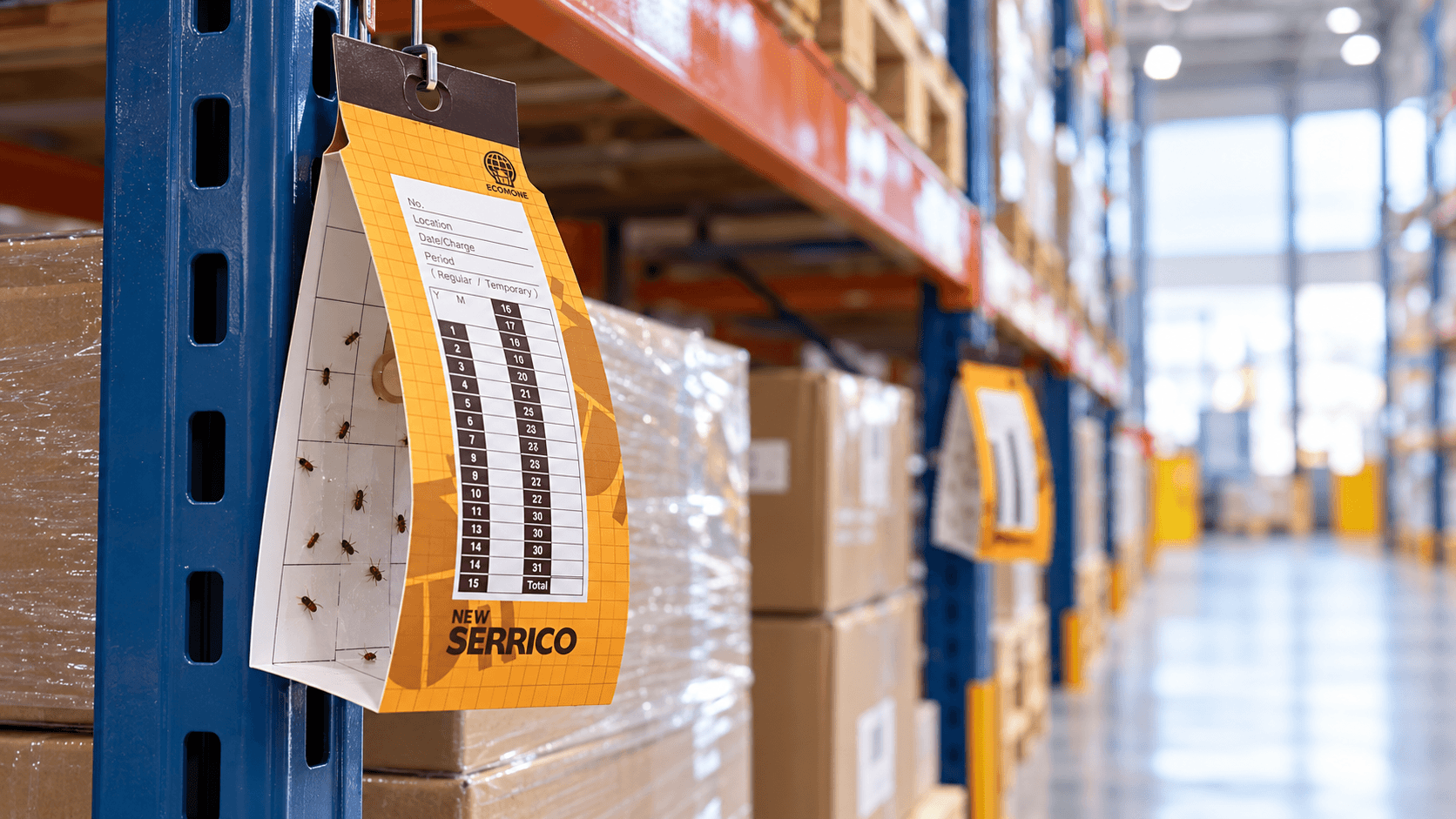
Pheromone traps: An insect monitoring solution for pest control
Bẫy Pheromone được ứng dụng trong kiểm soát dịch hại nhờ khả năng dẫn dụ…

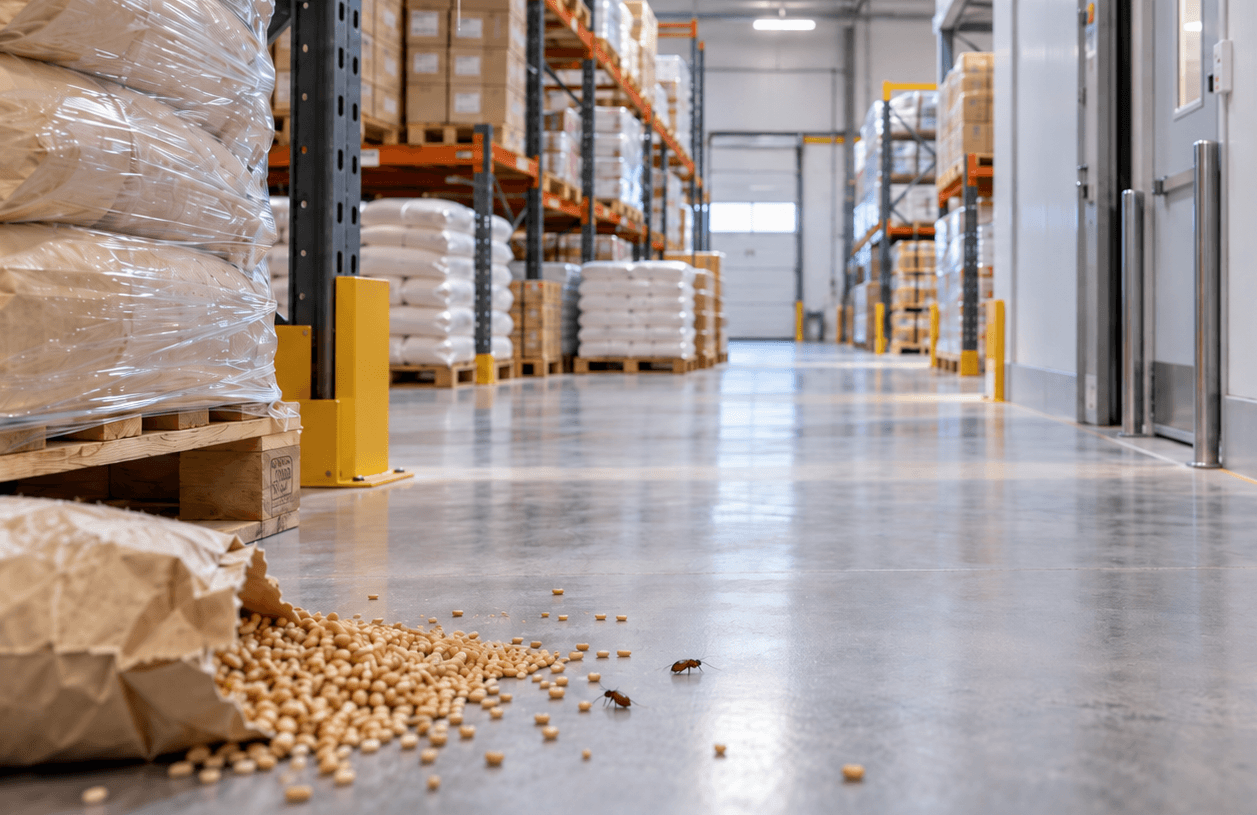
Phương pháp và quy trình kiểm soát côn trùng trong kho hàng hiệu quả
Kho hàng là nơi tập trung nguyên liệu, thành phẩm, bao bì, pallet và lượng…
Related news

Ready to eliminate audit risks and proactively protect customer experience & brand reputation?





Dear Valued Visitor,
To protect our clients' interests, all materials here are copyrighted and may not be reproduced without permission.
We appreciate your cooperation. Should you need to use our content professionally, please contact us directly.