





By VFC PestMan | 27-07-2026
Insects can appear in many areas of supermarkets and shopping malls, from storage warehouses and fresh food counters to food courts and waste rooms. Therefore, control measures should be based on an integrated management program rather than merely treating the spot where an incident was just detected. In most cases, issues stem not from a lack of sanitation, but from operational characteristics, continuous movement of goods, and numerous potential pest entry points. Understanding these areas will help businesses proactively prevent and control risks more effectively.
1. Why do pests still appear in supermarkets and shopping malls?
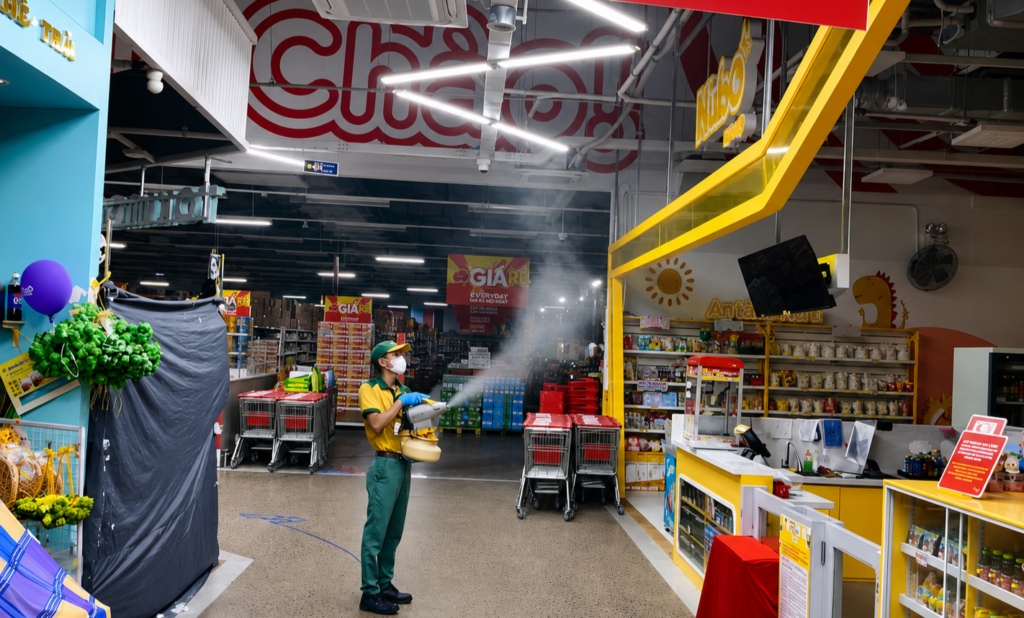
Supermarkets and shopping malls are locations with massive daily traffic of goods and customers. Receiving, displaying, storing, and selling activities occur continuously, creating a complex operating environment with diverse functional areas. This makes the risk of pest occurrence ever-present if businesses do not establish an appropriate management program.
Contrary to popular belief, pests do not only appear in unsanitary places. In many cases, pests enter supermarkets and shopping malls via goods, pallets, cardboard boxes, or transport vehicles. Upon encountering favorable conditions such as food sources, moisture, or suitable shelter, they can rapidly multiply and spread to other areas.
Additionally, a shopping mall often integrates various business types such as supermarkets, food courts, convenience stores, restaurants, cafes, and entertainment areas. Each area has its own operational characteristics, so the risk of pest infestation also varies. If you focus solely on treating a single location while overlooking related areas, the control effectiveness usually cannot be sustained long-term.
2. Receiving area – The “gateway” for pest intrusion
The receiving area is one of the first entry points where pests can invade supermarkets and shopping malls. Every day, dozens to hundreds of delivery trucks transport food, vegetables, fruits, beverages, and various other goods into the warehouse. During this process, pests can hitch a ride on pallets, carton boxes, packaging, or hide within the goods themselves.
For fresh agricultural produce, the risk is even higher as pests may already exist from the harvesting, storage, or transportation stages. If the receiving area is not regularly inspected and cleaned, pests will have the opportunity to spread to storage warehouses and retail floors.
Loading dock doors are also critical locations requiring attention. Keeping roller shutter doors or dock doors open continuously for long periods can allow flies, mosquitoes, and various flying insects from the outside environment to invade the building interior.
At dock doors or transfer areas, businesses can combine screens, control door opening times, and properly positioned flying insect light traps.
3. Storage warehouses and cold storage
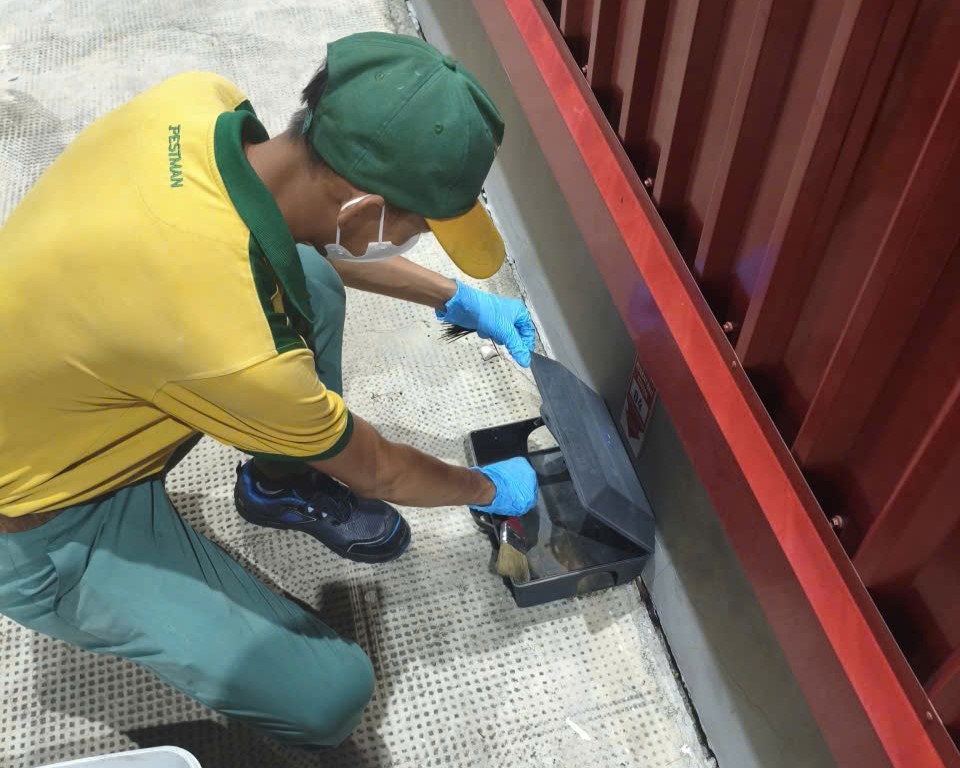
Warehouses hold large volumes of food, raw materials, and goods before they are moved to retail display shelves. This area also harbors numerous pallets, packaging materials, and cardboard boxes, creating favorable sheltering conditions if management is not strictly maintained.
For dry food storage, weevils, pantry moths, or ants can arise from damaged raw materials or packaging. Meanwhile, vegetable and fruit storage often attracts flies due to organic odors, spoiled goods, and moisture. Properly identifying the fly species and breeding sources will determine the appropriate treatment measures.
Many people assume that cold storage facilities are free of pests due to low temperatures. In reality, while pests usually do not breed inside cold storage units, they can still appear at cold room doors, transfer zones, or loading areas if sanitation and control conditions are inadequate.
Real-world case study in supermarkets: Storage warehouses and back-of-house areas are often where rodents cause packaging damage, contaminate dry goods, and increase product disposal rates. See how PestMan surveyed entry routes, deployed a control system, and helped the supermarket reduce merchandise losses.
4. Fresh food counters and food courts
Vegetables, fruits, meat, seafood, and fresh bakery counters always face pest attraction risks due to the nature of the products. During display, small amounts of spilled or spoiled food are virtually inevitable. If not promptly cleaned, these become attractive food sources for various pest species.
Food Courts, restaurants, and cafes within shopping malls are also high-risk areas. Continuous cooking activities, heavy foot traffic, and daily organic waste generation require synchronized sanitation and management to restrain pest development risks.
Controlling pests in these areas not only safeguards food safety but also contributes to maintaining the shopping experience and the overall brand image of the mall.
This is also the group of areas that PestMan handled in an integrated pest control project for the F&B section and common areas in a shopping mall.
5. Waste rooms, drainage systems, and basements
Waste collection rooms and drainage systems are always considered areas with a risk of phorid flies and other fly species associated with decomposing organic matter in many commercial buildings. Organic waste, moisture, and suitable temperature conditions can create a favorable environment for flies, cockroaches, and various other insects to thrive if not properly cleaned and collected.
Basements and technical rooms also need regular monitoring. These are low-traffic areas with numerous utility pipes, gaps, and hidden corners, making them easy shelters for insects before they move to other areas within the facility. For structures with multiple basements, tenants, and interconnected technical zones, mapping pest risks by area will help management identify which points require priority supervision.
Proper management of waste rooms, drainage systems, and basements not only reduces pest breeding risks but also helps restrict pest spread to commercial and customer service areas.
6. How to minimize pest risks in supermarkets and shopping malls?
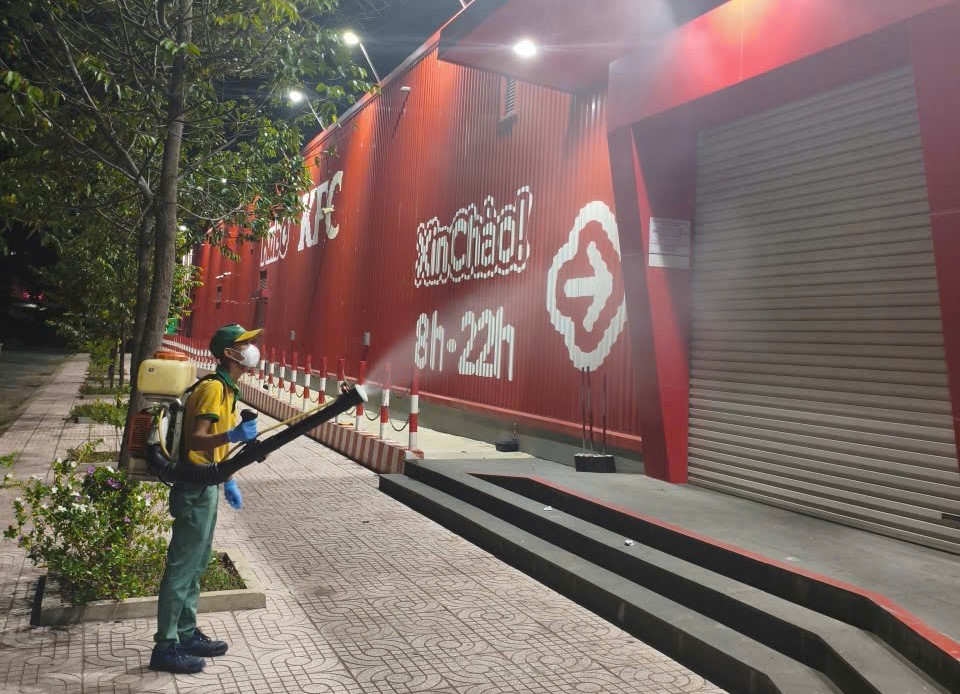
Minimizing pest risks should not rely solely on reactive treatment upon detection but must begin with preventive steps. Property management should periodically evaluate high-risk areas—such as receiving zones, storage warehouses, fresh food counters, food courts, waste rooms, and drainage systems—to catch unusual signs early.
In addition, sanitation work needs to be synchronized across all departments. Spoiled food, spilled merchandise, standing water, or organic waste must be cleared promptly to restrict pest food sources. Concurrently, gaps around doors, dock doors, utility pipes, and drainage systems should be inspected regularly to reduce exterior pest entry risks.
For large-scale supermarkets and shopping malls, establishing an Integrated Pest Management (IPM) program will deliver more sustainable results. This program combines facility control, equipment monitoring, area-specific pest data analysis, routine inspections, and appropriate treatment measures for each zone. As a result, businesses can proactively manage risks rather than merely reacting once insects appear.
Insects can appear in many areas of supermarkets and shopping malls, from receiving zones and storage warehouses to fresh food counters, food courts, waste rooms, and basements. In most cases, issues stem from operational characteristics, continuous movement of goods, and high-risk entry points, rather than solely from sanitation problems.
Correctly identifying high-risk areas is the foundation for building an effective prevention program. When combining facility management, sanitation, routine monitoring, and IPM programs, supermarkets and shopping malls can reduce pest infestation risks, protect product quality, maintain a safe shopping environment, and enhance customer experience.
Control effectiveness also depends on F&B tenants, sanitation staff, and the technical team jointly adhering to a unified detection, reporting, and handling procedure.
7. VFC PestMan – Partnering with supermarkets and shopping malls in pest control
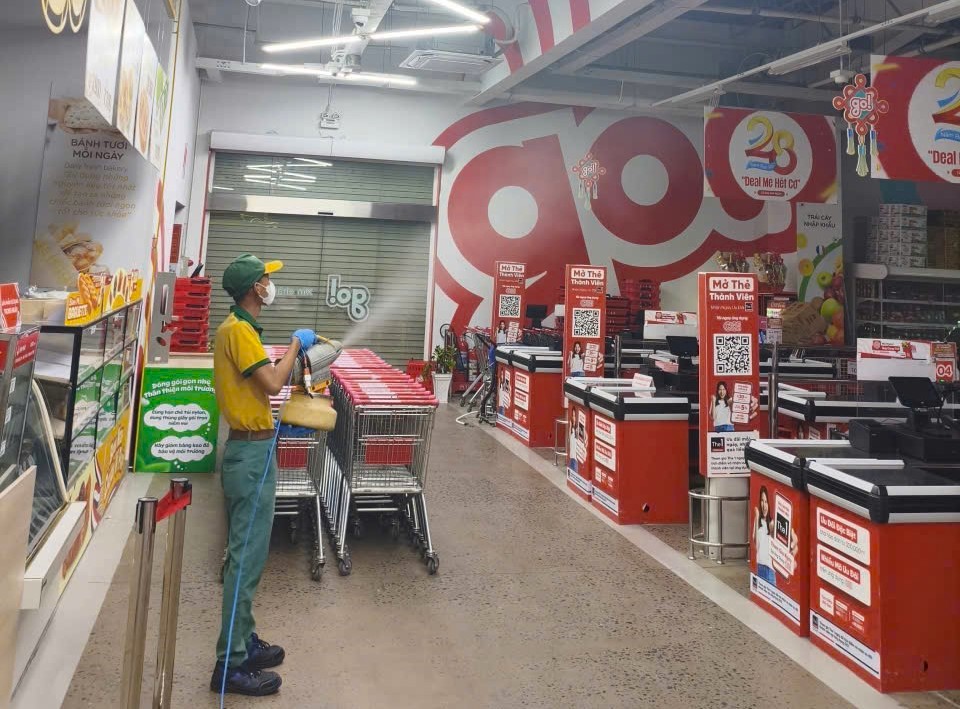
VFC PestMan provides Integrated Pest Management (IPM) solutions for supermarkets, shopping malls, and retail chains nationwide. Instead of merely reacting when pests appear, we help businesses identify outbreak points, control risks by operational area, establish periodic monitoring programs, and satisfy food safety regulations as well as operational standards.
If your business is seeking a professional pest control solution for a supermarket or shopping mall, VFC PestMan is ready to conduct a site assessment and consult on a plan tailored to your specific business model.
Hotline: (+84) 932669883
Email: contact@pestman.vn


Các loại côn trùng trong kho hàng: Nhận diện và giải pháp kiểm soát toàn diện
Khu vực lưu trữ hàng hóa và kho nguyên liệu tập trung mật độ cao…

Kiểm soát dịch hại trong kho lạnh: 5 điểm mù doanh nghiệp thường bỏ qua
Kho lạnh giữ vai trò quan trọng trong chuỗi cung ứng thực phẩm, dược phẩm…


Related news



Ready to eliminate audit risks and proactively protect customer experience & brand reputation?





Dear Valued Visitor,
To protect our clients' interests, all materials here are copyrighted and may not be reproduced without permission.
We appreciate your cooperation. Should you need to use our content professionally, please contact us directly.