





By VFC PestMan | 31-08-2026
School canteens bring together food, water, heat, organic waste and daily deliveries, creating conditions that can attract flies, cockroaches, ants, rodents and stored-product insects. An effective pest control programme should cover site surveys, sanitation, structural repairs, monitoring devices, treatment and reporting.
This helps schools identify risk areas, track control points and coordinate corrective actions to support a safer food-preparation environment.
1. What is pest control for school canteens?
School canteen pest control is a systematic programme for identifying, preventing, monitoring and treating pests across receiving areas, storage, kitchens, washing areas, waste zones and the perimeter. It addresses pests together with food, water, harbourage and entry routes.
Integrated Pest Management (IPM) is a suitable approach for school canteens. It combines sanitation, facility maintenance, food management, monitoring traps and targeted treatment based on risk, rather than relying mainly on routine spraying.
The programme helps schools move from reacting to individual sightings to managing the causes of recurrence. If a cockroach appears near food preparation, the key questions are where it entered, where it is sheltering and where the risk may recur.
2. Why do school canteens need a dedicated pest control programme?

School canteens prepare large numbers of meals on fixed schedules. Ingredients are received, stored, prepared, cooked, portioned and disposed of continuously. A leaking pipe, door gap or grease build-up can quickly create favourable pest conditions.
Flies can move between waste areas, drains and food-preparation surfaces. Cockroaches hide in dark, damp areas such as beneath sinks and behind equipment. Ants follow wall edges and tile gaps, while rodents may enter through receiving doors, drains and utility routes.
For school management and kitchen teams, the programme provides a clear monitoring framework. Device maps, checklists, sighting logs and trend reports show the condition of each area over time.
3. Common pests in school canteens
3.1. Flies and flying insects
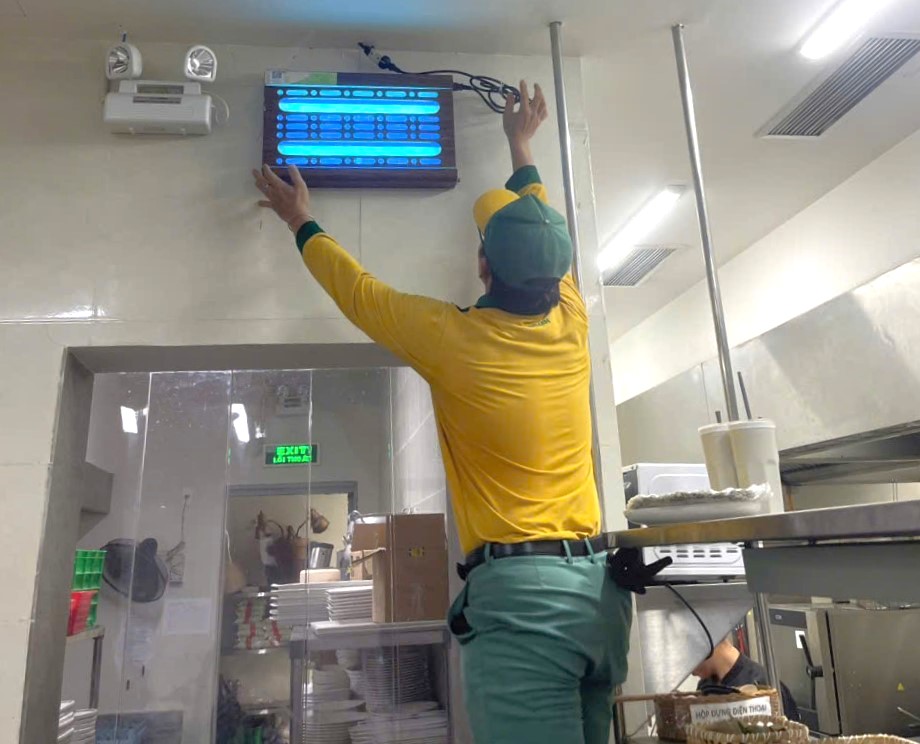
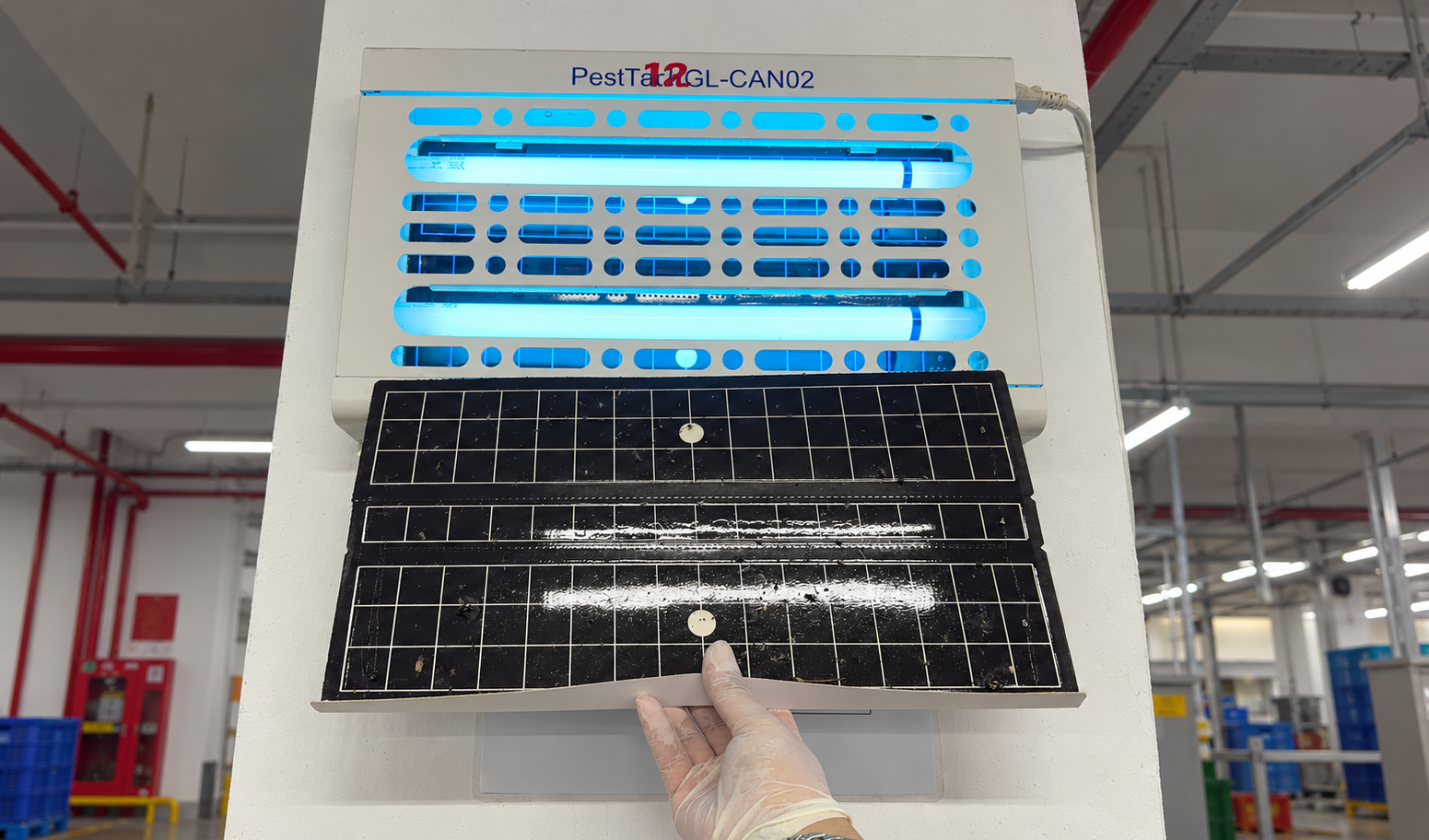
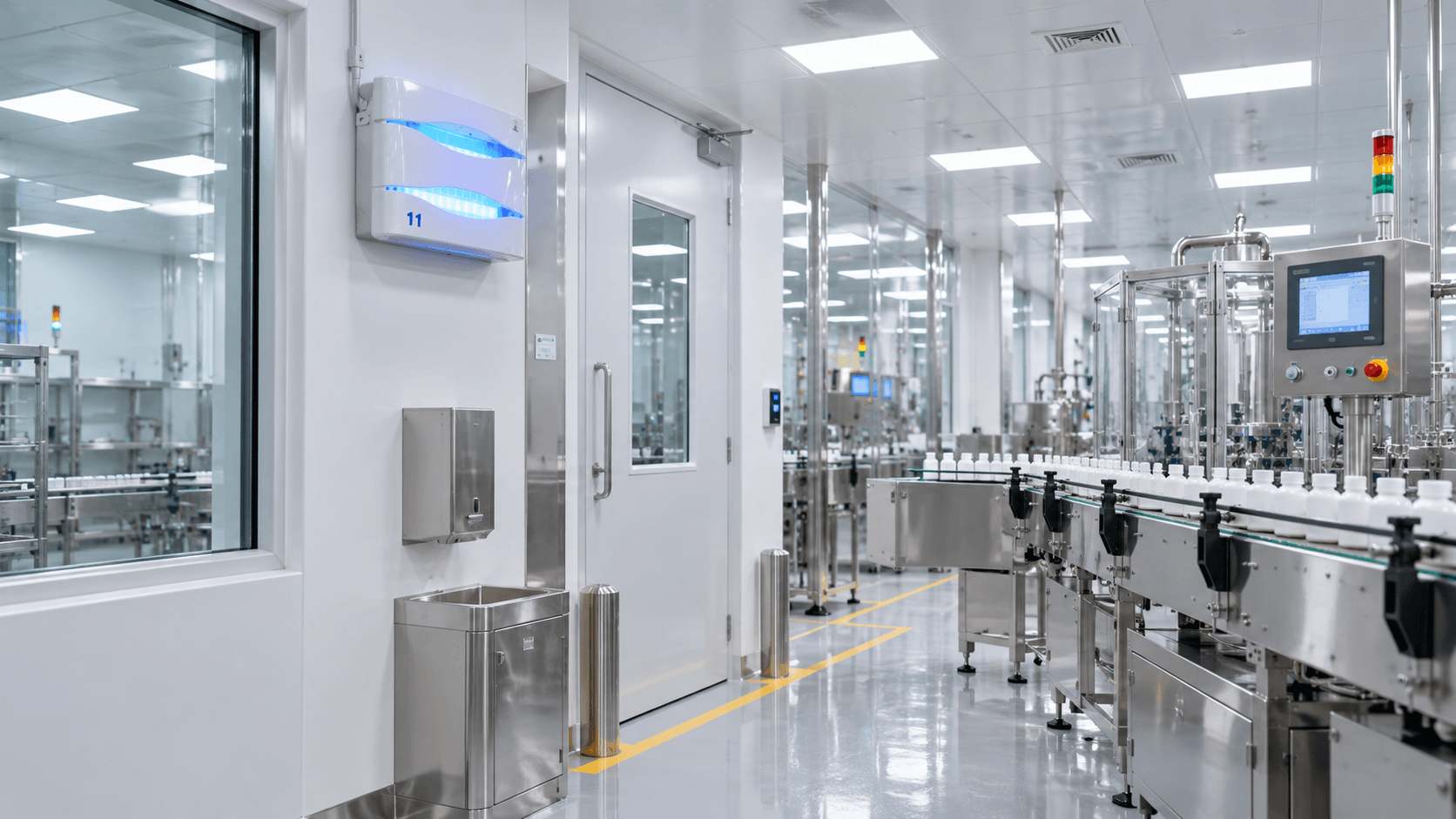
Flies commonly gather around food, waste bins, drains and food-waste areas. Their movement between these locations can increase contamination risk. Insect light traps, combined with waste, door and screen management, help monitor and reduce fly density. Trap performance also depends on placement, glue-board condition and UV-A output.
3.2. Cockroaches and ants
Cockroaches prefer warm, damp and concealed areas such as electrical cabinets, equipment motors, wall gaps, sinks and drains. Ants are attracted to sugar, sweet foods and crumbs. Identifying movement routes and harbourage helps target the real source.
3.3. Rodents
Rodents can damage packaging and goods and leave signs around storage or receiving areas. Key signs include droppings, gnaw marks, footprints, grease marks and unusual sounds. Monitoring stations should be numbered, mapped and inspected regularly. Once rodent signs are found, entry routes should be investigated rather than simply adding more traps.
3.4. Stored-product insects
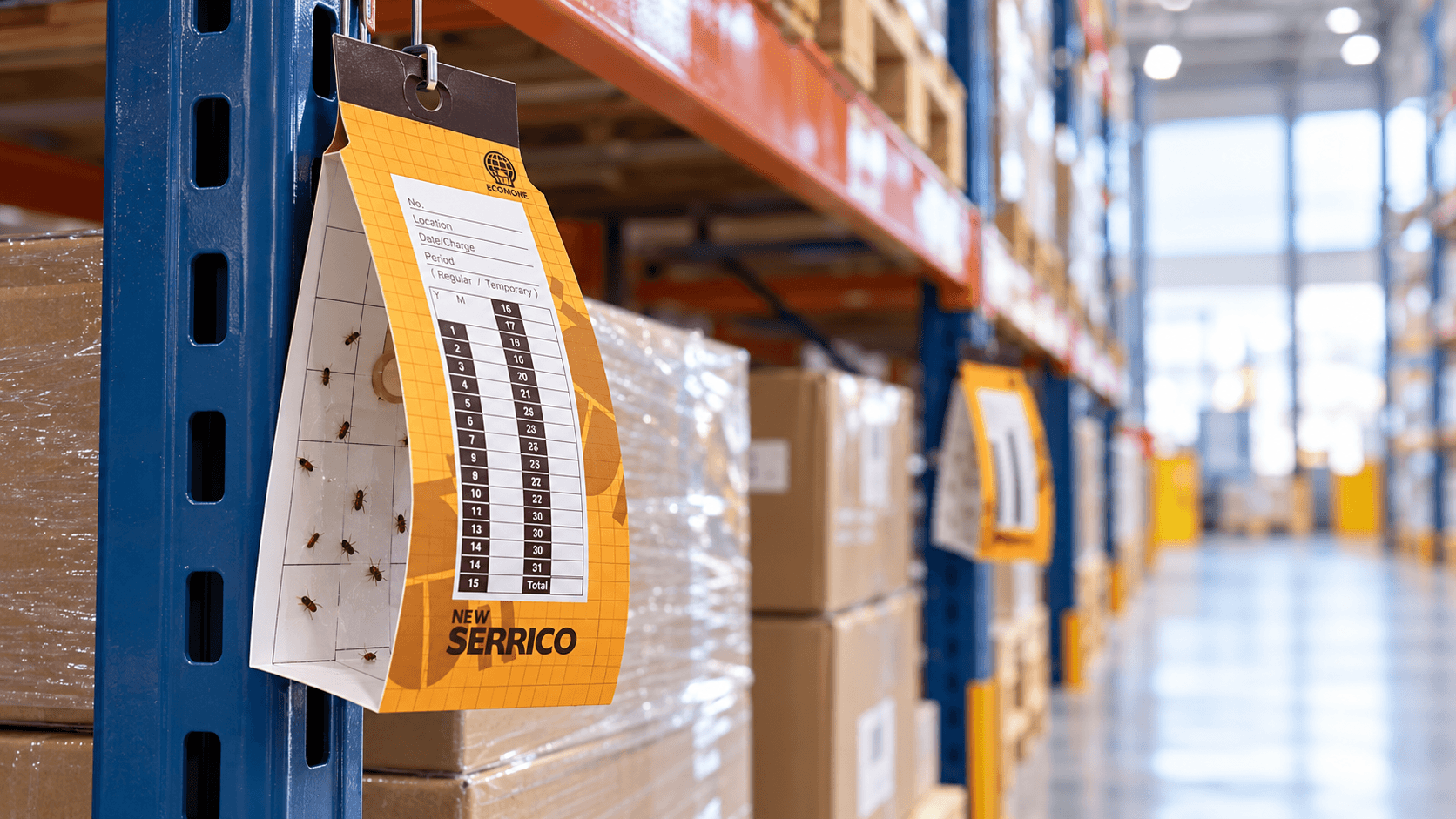
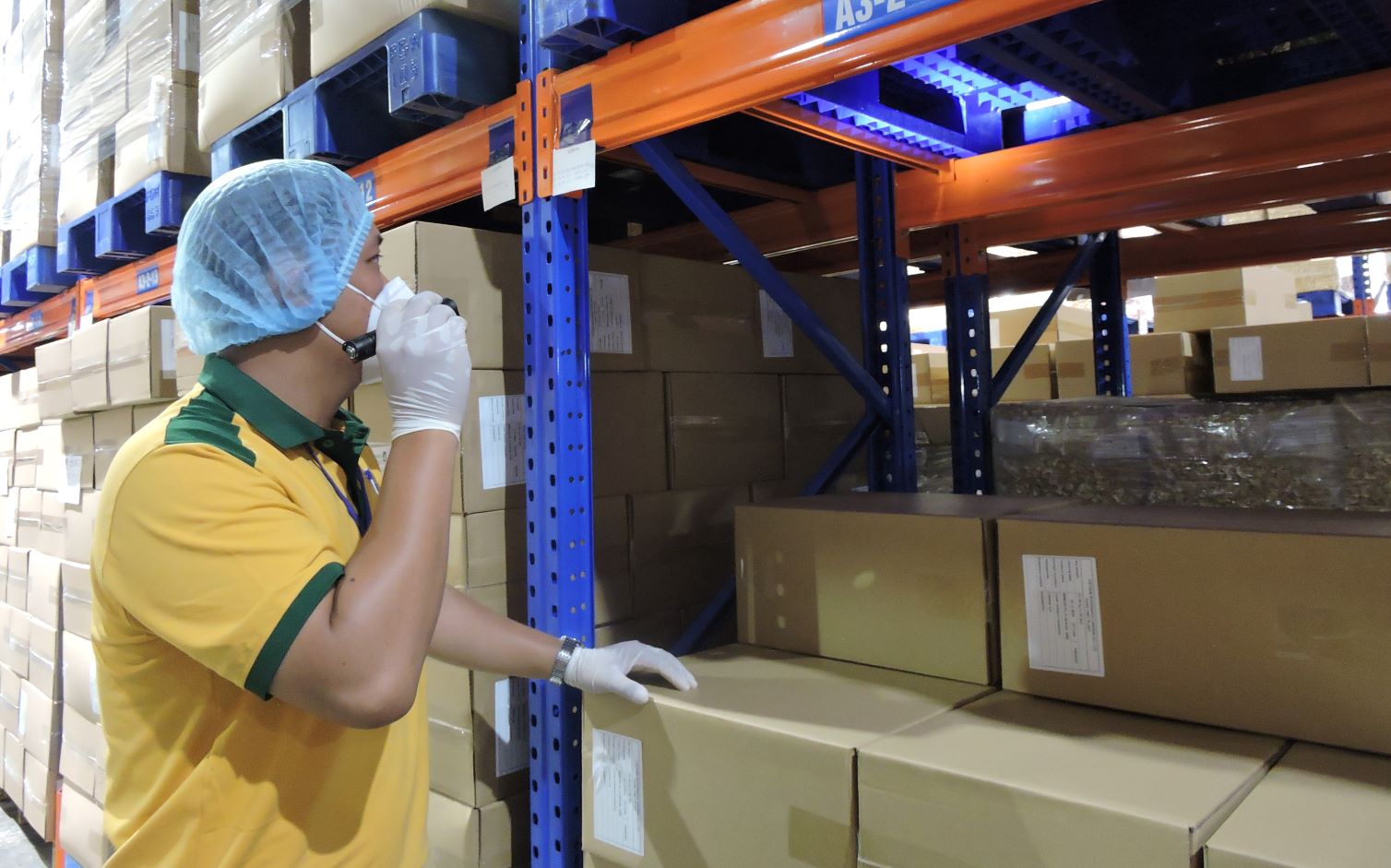
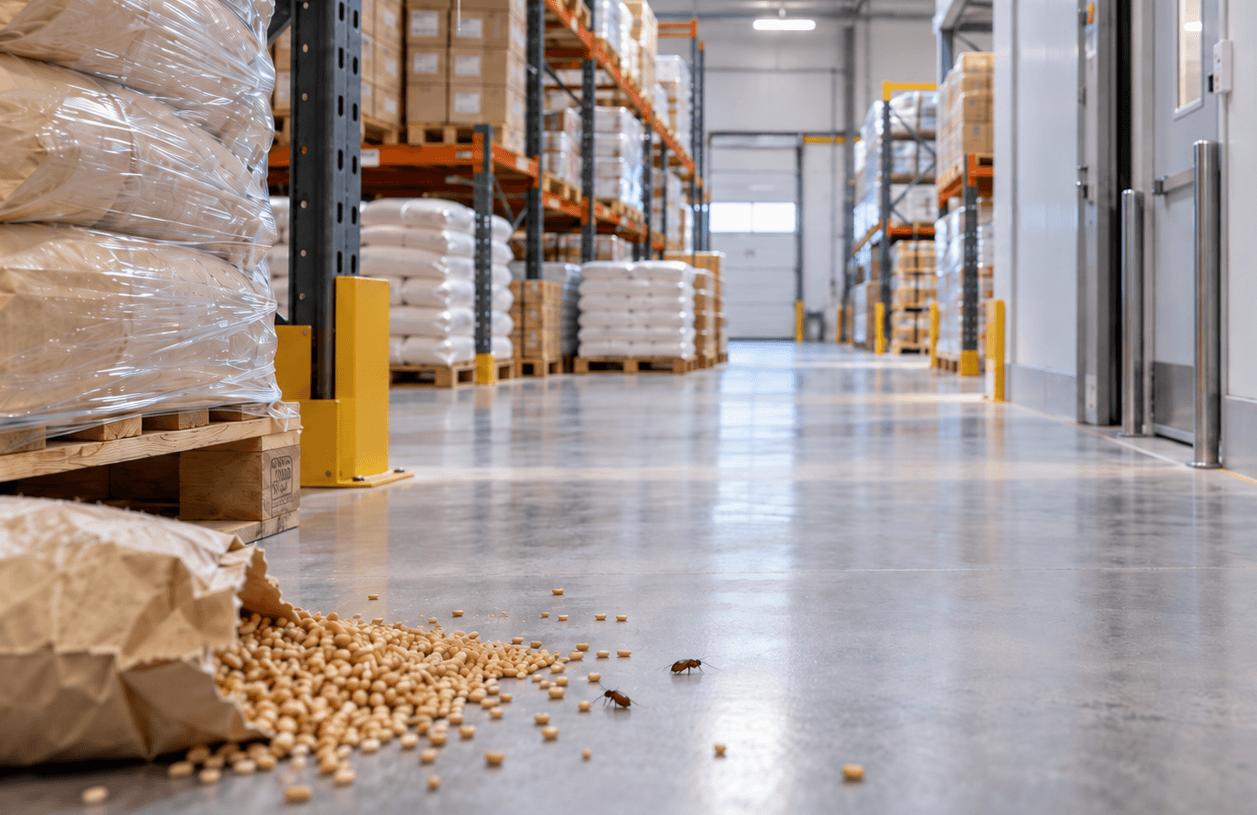
Rice, flour, grains, beans and other dry products may be affected by weevils or other stored-product insect groups. First-in, first-out procedures, packaging inspection, storage-time management and rack sanitation help reduce the risk of occurrence and spread between lots. When insects are detected in dry ingredients, the correct group of weevils, beetles or stored-product moths needs to be identified, and the possibility that the infestation source arrived with the shipment, packaging or storage conditions needs to be investigated.
4. Which areas require close inspection?
4.1. Receiving area
The receiving area is the interface between the outside environment and the kitchen. Food, cardboard boxes, containers, pallets or delivery vehicles may carry insects. Responsible personnel should inspect packaging condition, signs of gnawing, live insects and vehicle cleanliness before goods are moved into storage.
4.2. Food and packaging storage
Goods need to be arranged with appropriate clearance from the floor and walls to support sanitation, inspection and detection of pest signs. Damaged packaging, spilled food or goods stored for long periods need to be addressed promptly. Racks, warehouse corners and areas behind stored goods are priority points during surveys.
4.3. Preparation and cooking areas
Water, heat and food in preparation areas create attractive conditions for flies, cockroaches and ants. Areas beneath sinks, around equipment bases, behind machinery, in tile gaps and around pipes passing through walls are often difficult to reach during daily cleaning. Deep-cleaning schedules need to cover all of these areas.
4.4. Washing areas and drains
Organic matter accumulating in drains, water leaks and surfaces that remain damp for long periods can create favourable conditions for cockroaches, drain flies and many other insect groups. The school needs to monitor drainage speed, unusual odours, residue build-up and the sealing condition of drain covers. Repairing leaks helps reduce water sources that sustain pest activity.
4.5. Waste and perimeter areas
Waste bins, leachate and food scraps strongly attract flies, ants, cockroaches and rodents. Waste areas need closed lids, suitable collection schedules and floor-cleaning procedures. The distance between waste areas and kitchen doors, waste-transport routes and the condition of surrounding drains also need to be assessed.
5. What are the key steps in school canteen pest control?
5.1. Site survey and assessment
The survey needs to cover receiving areas, storage, food-preparation areas, cooking areas, meal-portioning areas, washing areas, drains, waste areas and the perimeter. Technicians record pest types, signs, attractants, harbourage and entry routes. Survey results provide the basis for defining the control scope, frequency and measures.
5.2. Deep cleaning and attractant removal
Food spills, grease, standing water and organic matter need to be cleaned before treatment measures are implemented. Deep cleaning removes pest resources while also making rodent droppings, gnaw marks, insect carcasses and movement routes easier to identify. Observations made after cleaning are generally more accurate and easier to compare.
5.3. Seal gaps and entry routes
Gaps beneath doors, damaged screens, spaces around pipes and wall penetrations need to be repaired or sealed using appropriate materials. The amount of time receiving doors remain open should be managed. Air curtains, insect screens and drain covers need to be checked according to schedule to ensure that they remain functional.
5.4. Set up traps and monitoring devices
Crawling-insect traps, insect light traps and rodent monitoring stations need to be positioned according to the characteristics of each target pest. Each device should have an identification code and a location shown on the map. Data collected during each inspection cycle help identify areas with increasing density, recurring points and the appropriate time to adjust the programme. When the kitchen has many monitoring points, data should be consolidated to track trends over time, identify hotspots and compare activity levels between storage areas, processing areas, drains and waste areas.
5.5. Risk-based treatment
Intervention measures are selected based on pest species, activity level and area characteristics. The solution may include sanitation, storage adjustments, infrastructure repairs, traps or specialised chemicals. Treatment timing needs to be suitable for school hours, meal times and kitchen operating schedules.
5.6. Reinspect, report and adjust
After each treatment activity, the area needs to be reinspected to evaluate the results. Reports should show the signs recorded, device locations, monitoring data, actions taken and recommendations for the school. Points showing an increasing trend need to be investigated to determine the cause and assigned specific corrective actions.
6. When should chemicals be used in school canteens?
Chemical use is considered when survey results clearly identify the target pest, location and level of intervention required. Technicians select the product, dosage, application method and treatment timing appropriate for a food-preparation environment. Food-contact areas, utensils and ingredients need to be protected according to professional procedures.
Spraying the entire kitchen according to a fixed schedule can overlook underlying causes such as water leaks, accumulated food or structural gaps. An IPM programme prioritises controlling attractants and entry routes before applying professional treatment measures at the specific locations where they are needed. This approach helps reduce dependence on chemicals and maintain more sustainable control effectiveness.
7. What does the school gain from the pest control programme?
The first benefit is the ability to understand risk by area. School management and kitchen managers can identify where signs are occurring, which devices are being monitored and which items require cleaning, maintenance or repair. Clear information helps management and inspection activities focus on the right priorities.
The next benefit is data for management. Trap maps, survey records, service logs, current-condition photographs and trend reports create traceable documentation. These records help the school track corrective-action progress, evaluate effectiveness across inspection cycles and prepare more effectively for food-safety inspections.
The programme also helps reduce the risk of urgent treatment while the kitchen is operating. Early detection allows the school to schedule cleaning, repairs or intervention at an appropriate time. Food preparation and meal service can therefore be maintained more consistently.
8. How should the school, kitchen team and pest control provider coordinate?
The school is responsible for approving plans, arranging schedules and coordinating relevant departments. Kitchen management monitors sanitation, ingredients, storage and reports abnormal signs. The maintenance team addresses gaps, leaks, screens, doors and structural items according to recommendations.
The pest control provider is responsible for surveying, identification, device placement, professional treatment measures and data analysis. Each finding needs to be linked to a responsible person and a completion deadline. A clear coordination mechanism helps ensure that recommendations are converted into actions rather than remaining only in reports.
Kitchen staff also need guidance on recognising basic signs such as rodent droppings, gnawed packaging, cockroach nymphs, unusual increases in flies or ants appearing along defined routes. Early reporting helps technicians inspect the issue before activity spreads to other areas. For kitchens serving large numbers of meals, this content can be standardised into a checklist and IPM training procedure for kitchen managers, food-preparation staff, sanitation teams and maintenance personnel.
9. Why should the canteen be connected to the school-wide pest control programme?
The canteen is directly affected by the surrounding school grounds. Flies may originate from outdoor waste areas or drains, rodents may move from fences and landscaped areas into storage, while mosquitoes may be associated with standing water around the school grounds. Managing each area separately can disrupt efforts to trace the actual source.
Perimeter data need to be compared with data from inside the kitchen. When rodent activity increases around waste areas, storage areas and receiving doors should receive closer inspection. When flying insects increase in the kitchen, drainage areas, waste collection points and windows need to be reviewed at the same time.
A school-wide approach helps the school allocate resources to the correct high-risk areas. The kitchen, storage areas, canteen, toilets, drains and school grounds become connected parts of one unified management programme.
10. When is the right time to review the programme?
Before the new school year is a suitable time for a survey while the kitchen is not yet operating at full capacity. The school has more time for deep cleaning, infrastructure repairs, drain treatment and reassessment before students return. The survey should take place before large volumes of ingredients are received so that warehouse corners and areas behind equipment remain accessible.
After goods and equipment have been arranged again, an additional inspection helps identify new changes. The monitoring system needs to be maintained during the first weeks of the school year, when receiving, food preparation and waste collection increase rapidly. After this period, the inspection schedule can be adjusted according to data and actual risk levels.
The school should also review the programme when pests appear during the day, density increases across multiple inspection cycles, signs recur at the same location or food packaging is damaged. These signals indicate that environmental, infrastructure or operational conditions are changing. When these signals continue to appear, the required action is not simply to increase treatment frequency but also to reassess the structure of the pest management programme and determine why the current system is no longer appropriate..
11. Basic checklist for school canteens
- Inspect ingredients, packaging and vehicles at the receiving area.
- Store goods off the floor, away from walls and according to the first-in, first-out principle.
- Clean food spills, grease and areas beneath or behind equipment.
- Clean drains and monitor standing water, odours and leakage points.
- Inspect door gaps, screens and spaces around pipes.
- Keep waste bins closed, clean floors and maintain an appropriate waste-collection schedule.
- Number traps, update the map and record data during each inspection cycle.
- Report immediately when rodent droppings, gnaw marks or unusual increases in insects are detected.
- Assign a responsible person to each recommendation and monitor completion deadlines.
- Retain survey records, service logs, photographs and trend reports.
12. How does VFC PestMan support school canteens?
VFC PestMan is a professional pest control service brand of Vietnam Fumigation Joint Stock Company. Backed by more than 50 years of VFC experience and a broad operating network, VFC PestMan implements programmes for institutional customers based on actual site surveys, safety requirements and the operating characteristics of each facility.
In school canteens, VFC PestMan applies an IPM approach to identify flies, cockroaches, ants and rodents, together with conditions related to stored food. The service scope may include surveys, device-map establishment, periodic monitoring, risk-based treatment, data reporting and sanitation or infrastructure recommendations.
The plan is arranged around school hours, meal times and the school’s operating schedule. Technicians coordinate with kitchen managers and relevant departments to record issues, assign responsibilities and follow up on results after corrective action. Chemicals and methods are selected in accordance with current regulations, with priority given to the safety of people and the surrounding environment. Once the scope and risk level have been identified, VFC PestMan can implement an IPM-based programme for flies, cockroaches, ants, rodents and related pest groups, suited to kitchen operating hours and sanitation requirements.
What the school receives is a management system that can be monitored and traced: risk areas, trap locations, data from each inspection cycle, actions already implemented and recommendations still requiring completion. This provides a basis for school management to proactively oversee the pest control programme for the school canteen throughout the school year.
13. Frequently asked questions
How often should pests in the canteen be inspected?
Inspection frequency is determined by kitchen size, number of meals served, operating schedule, surrounding environment and monitoring data. Storage, processing, drain and waste areas generally require closer monitoring. When data increase or new signs are detected, the frequency should be adjusted promptly.
Does the canteen need periodic pesticide spraying?
The need for chemical use should be based on survey results and the activity level of each pest species. Many risks can be controlled through sanitation, infrastructure repairs, goods management and monitoring traps. When chemical intervention is needed, the plan must clearly define the location, timing and procedures for protecting food safety.
Who is responsible for pest monitoring in the canteen?
The kitchen manager or a staff member designated by the school should serve as the focal point for recording and communicating information. Kitchen staff, sanitation teams, maintenance personnel and the pest control provider all participate within their respective responsibilities. Reports need to clearly state the required action, responsible person and treatment deadline.
Which signs need to be reported immediately to a professional pest control provider?
Pests appearing during the day, cockroach nymphs, multiple individuals at the same location, fresh rodent droppings, gnawed packaging and rapidly increasing insect numbers on traps are signs that need to be reported early. Information about the time, location and photographs of current conditions helps technicians assess the situation more accurately.
A pest control programme for school canteens needs to combine site surveys, deep cleaning, ingredient management, infrastructure improvements, device-based monitoring, risk-based intervention and data reporting. Each step helps the school clearly answer three questions: where is the risk, what measures are being implemented and which items still require coordination?
When implemented continuously and connected with the school-wide programme, pest control becomes part of canteen safety management. VFC PestMan supports schools in developing an IPM programme suited to actual conditions, operating schedules and monitoring requirements, working toward a cleaner, more proactive and safer food-preparation environment for every school meal.


Các loại bẫy và thiết bị giám sát dịch hại trong nhà máy
Bẫy và thiết bị giám sát là một phần quan trọng trong chương trình kiểm…
Pheromone traps: An insect monitoring solution for pest control
Pheromone traps are applied in pest control due to their ability to attract...
Related news

Ready to eliminate audit risks and proactively protect customer experience & brand reputation?





Dear Valued Visitor,
To protect our clients' interests, all materials here are copyrighted and may not be reproduced without permission.
We appreciate your cooperation. Should you need to use our content professionally, please contact us directly.