





By VFC PestMan | 24-09-2026
The presence of lizards in production areas, raw material warehouses, packaging areas or technical areas can create hygiene and pest management issues, particularly in food, beverage and pharmaceutical facilities and other sites with strict management requirements.
Lizard control in factories needs to focus on three key factors: reducing insect food sources, addressing harbourage areas and blocking entry routes from outside.
1. Why do lizards appear in factories?
Lizards often move into areas where a stable food source is available. Flies, mosquitoes, ants, cockroaches and many groups of small insects can become food sources around factory buildings, particularly in areas with light, moisture or organic matter.
Factories also contain many suitable harbourage areas, such as wall gaps, ceilings, spaces behind equipment, electrical cabinets, utility boxes and areas with limited human access. When these spaces are connected to the outside environment, lizards can move deeper into the building.
Lighting near doors, windows or receiving and dispatch areas can also attract flying insects. When insect density increases, the area becomes a favourable feeding location for lizards.
You may also refer to: How to position LED light traps to control flying insects in lighting areas and warehouses before adjusting the existing system
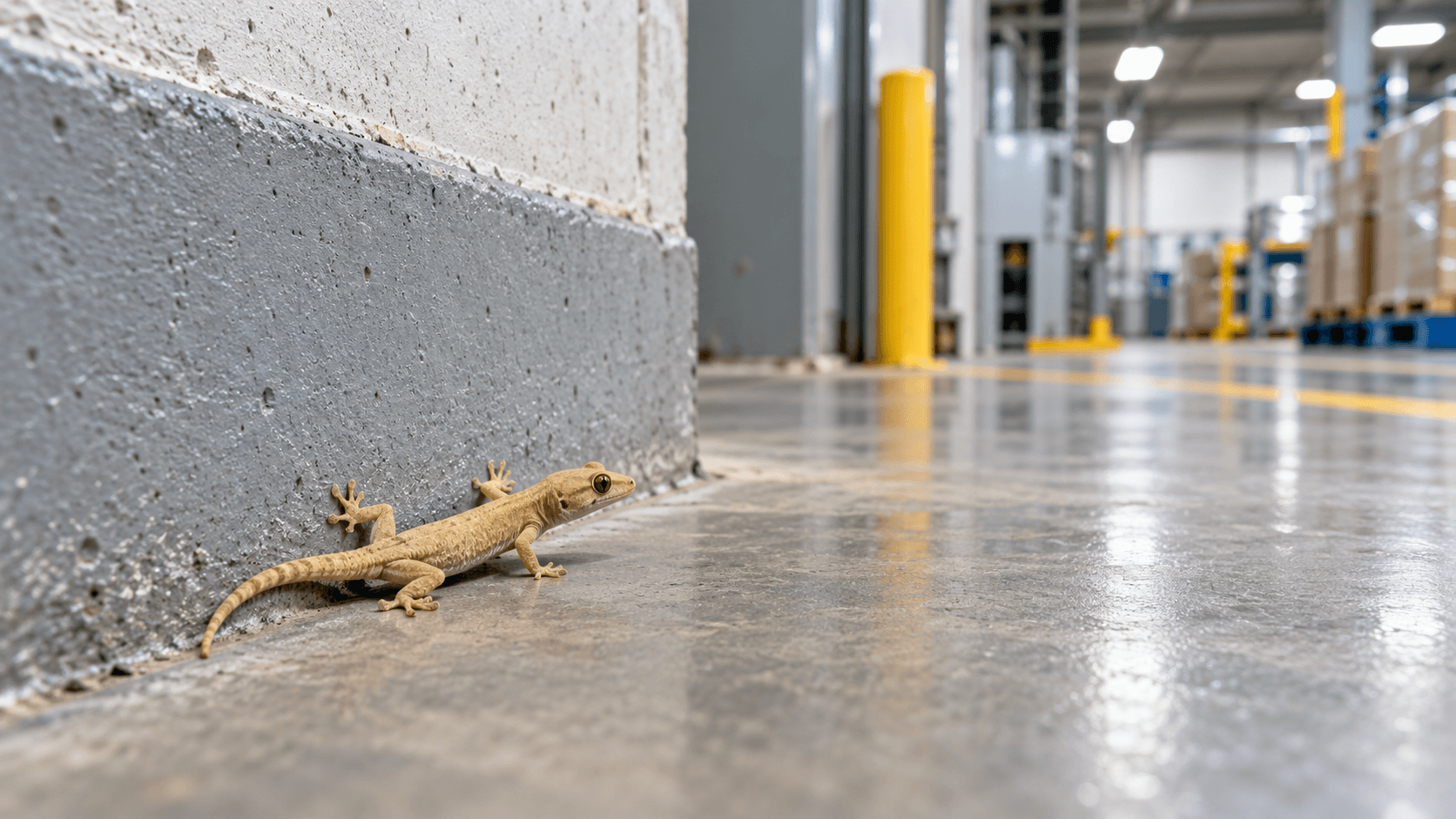
2. What risks can lizards create in factories?
The level of risk depends largely on where the lizard is found. An individual lizard in an external area has a different level of priority from one found in a packaging area, production area or finished-goods warehouse.
Lizard droppings, lizard carcasses or lizards moving through sensitive areas may affect hygiene requirements. In facilities with strict quality-control procedures, these signs need to be recorded and addressed appropriately.
In food-processing facilities, lizard findings need to be managed within the pest management programme according to the risk level of each production area, raw material warehouse and finished-goods warehouse. A finding in an external area should not be assessed in the same way as a finding near products or open packaging.
Lizards may also harbour in electrical cabinets, ceilings or behind equipment, making them difficult to observe. If the activity continues over time, the business may only detect the problem after signs have appeared repeatedly.
Therefore, lizard control in factories needs to be based on location, frequency of occurrence and the level of impact on operations.
3. Which areas are more likely to have lizard activity?
Entrances and receiving and dispatch areas are among the locations that require attention. Frequently opened doors, strong lighting and flying-insect activity can create conditions that allow lizards to enter from outside.
Ceilings, wall gaps, utility boxes, pipes and electrical cabinets can also become harbourage areas because they are enclosed, warm and rarely disturbed.
Canteens, waste areas, utility rooms and locations with high densities of cockroaches, ants and small insects also need to be inspected. When food sources remain available over time, lizards tend to continue their activity around those areas.
If lizards frequently appear near canteens, sanitation areas or waste areas, the facility should also assess the risk of cockroach activity. The article 5 cockroach hotspots in factories during hot and humid weather can help sanitation and maintenance teams identify the areas that should be reviewed first.
In addition, trees, shrubs, perimeter walls or structures close to the factory building may become access routes from the outside environment.
4. Why does removing individual lizards often fail to solve the problem?
The presence of lizards often indicates that environmental conditions are favourable. If food sources remain, gaps have not been addressed and harbourage areas still exist, other lizards may continue to appear.
For example, an area with large numbers of cockroaches or flying insects will continue to attract lizards even after an individual lizard has been removed. Similarly, open service gaps or ceiling voids will continue to provide entry routes.
Businesses therefore need to view the problem from a system-wide perspective. Removing individual lizards is only one part of the solution; the long-term objective is to reduce the conditions that allow them to keep returning. When a facility repeatedly removes individual lizards without addressing food sources and entry routes, the process can easily become a cycle of repeated incident response.
You may also refer to: Why reactive pest treatment often costs more than routine prevention when reassessing resource allocation
5. Where should lizard control in factories begin?
The first step is to record where the lizard was found. The time, area, direction of movement and frequency of recurrence help narrow down the scope of the assessment.
Next, insect sources around the area need to be inspected. If the density of flies, mosquitoes, ants or cockroaches is high, the insect control programme needs to be reviewed at the same time.
Gaps around doors, pipes passing through walls, service openings, ceilings and points adjoining the outside environment also need to be inspected. These are often routes that lizards can use to enter the facility.
The facility should also review low-traffic areas, spaces behind equipment, electrical cabinets and concealed locations to identify potential harbourage areas.
6. Reduce insect food sources to reduce lizard risk
This is one of the most important aspects of lizard control in factories. When the number of insects decreases, the area becomes less attractive to lizards.
Businesses need to inspect areas that may attract flies, mosquitoes, ants and cockroaches, such as waste areas, locations with food spills, damp areas, standing-water points and brightly lit locations near doors.
Insect light traps can support monitoring of flying-insect density in appropriate areas. If the data show a continuous increase at one location, the business should further review the source of the activity and the surrounding conditions.
Good sanitation and reduced insect numbers help address one of the root causes that allows lizard activity to continue.
When data from monitoring points are compiled over time, QA can identify areas where insect density frequently increases and prioritise them for assessment. You can learn how the PestMan Dashboard tracks hotspots and pest trends at individual monitoring points.
7. How can lizard entry be prevented?
Areas that need to be reviewed include gaps beneath doors, gaps around door frames, wall penetrations, pipes, roof gaps and junctions between ceilings and walls.
Appropriate openings can be sealed using materials compatible with the building structure. Ventilation openings or technical access points may also require screens where appropriate for operations.
Vegetation or objects positioned close to factory walls should be appropriately managed to limit the creation of access bridges into the building. Keeping areas around exterior walls clear also helps operations teams observe abnormal signs more easily.
8. When should factories increase lizard inspections?
Businesses should increase inspections when lizards repeatedly appear in the same area, particularly in production areas, packaging areas, finished-goods warehouses or technical areas.
Lizard activity occurring at the same time as increasing insect density is also a signal that requires attention. This may indicate that lizard food sources are present at higher-than-normal levels.
After layout changes, the addition of new doors or equipment, or changes to the lighting system, the facility should also reassess any new entry routes that may have formed. Layout changes or repeated lizard activity may indicate that the current monitoring programme needs to be adjusted.
Businesses should also review when a pest management programme needs to be reassessed in order to evaluate inspection scope, monitoring locations and the preventive measures currently in place.
9. Lizard control should be included in the IPM programme
Lizards are a specialised pest group and should be managed within an Integrated Pest Management (IPM) programme. This approach combines identification, monitoring, reduction of food sources, management of harbourage areas and entry prevention.
Insect data within the facility are also valuable for assessing lizard risk. An area with high numbers of flying insects or cockroaches over a prolonged period may become a location requiring additional monitoring.
Across multiple inspection cycles, the data help businesses identify which areas experience repeated activity and which measures have produced results.
10. Which departments need to coordinate in lizard control?
Lizard control often requires coordination between QA, HSE, maintenance, sanitation, operations and the pest control provider.
Maintenance is responsible for addressing gaps and entry points. Sanitation helps reduce insect food sources. QA and HSE monitor risk levels in sensitive areas. The pest control provider conducts assessments, monitoring and recommends appropriate solutions.
This coordinated approach helps address causes from multiple angles and reduces repeated recurrence in the same area.
11. Frequently asked questions
Do lizards in production areas need to be addressed immediately?
They should be recorded and assessed early, particularly if they appear near products, packaging areas or areas with stringent hygiene requirements.
Why do lizards reappear a few days after being removed?
The reason may be that insect food sources, gaps or harbourage areas still remain. Removing individual lizards does not address these underlying factors.
Should lizard control focus only on the inside of the factory?
External areas should not be overlooked. Landscaping, exterior walls, doors, pipes and structural junctions may be major entry routes.
Can frequent lizard activity be related to insects?
Yes, it can. Lizards feed on many types of insects, so repeated lizard activity is a signal that insect density around the area should be checked.
12. Lizard control in factories needs to address the underlying causes
Lizard control in factories is more effective when businesses address insect food sources, harbourage areas and entry routes at the same time. Recording where lizards are found, monitoring data and coordinating between departments help businesses understand the causes more clearly and reduce recurrence.
In sensitive areas such as production, packaging, finished-goods warehouses and technical rooms, lizards should be included in the routine pest management programme so they can be detected early and addressed before affecting hygiene or operational requirements.
If businesses are looking for a pest control company for businesses, need to survey the current pest situation or build a control program suitable for a factory, warehouse, hotel, or building, VFC PestMan can assist with on-site evaluation and propose solutions based on actual risks.
Hotline: (+84) 932669883
Email: contact@pestman.vn


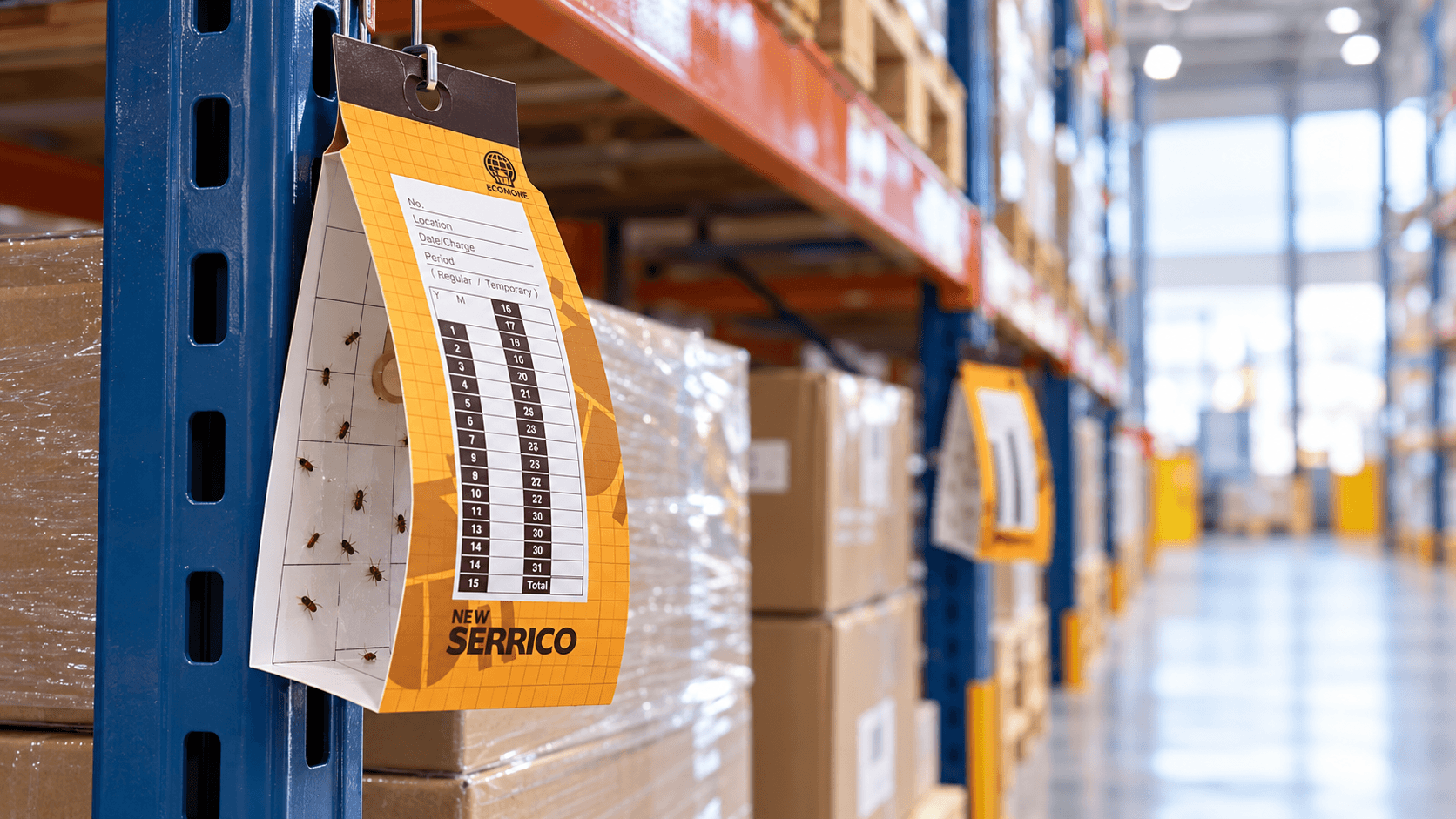
Pheromone traps: An insect monitoring solution for pest control
Pheromone traps are applied in pest control due to their ability to attract...
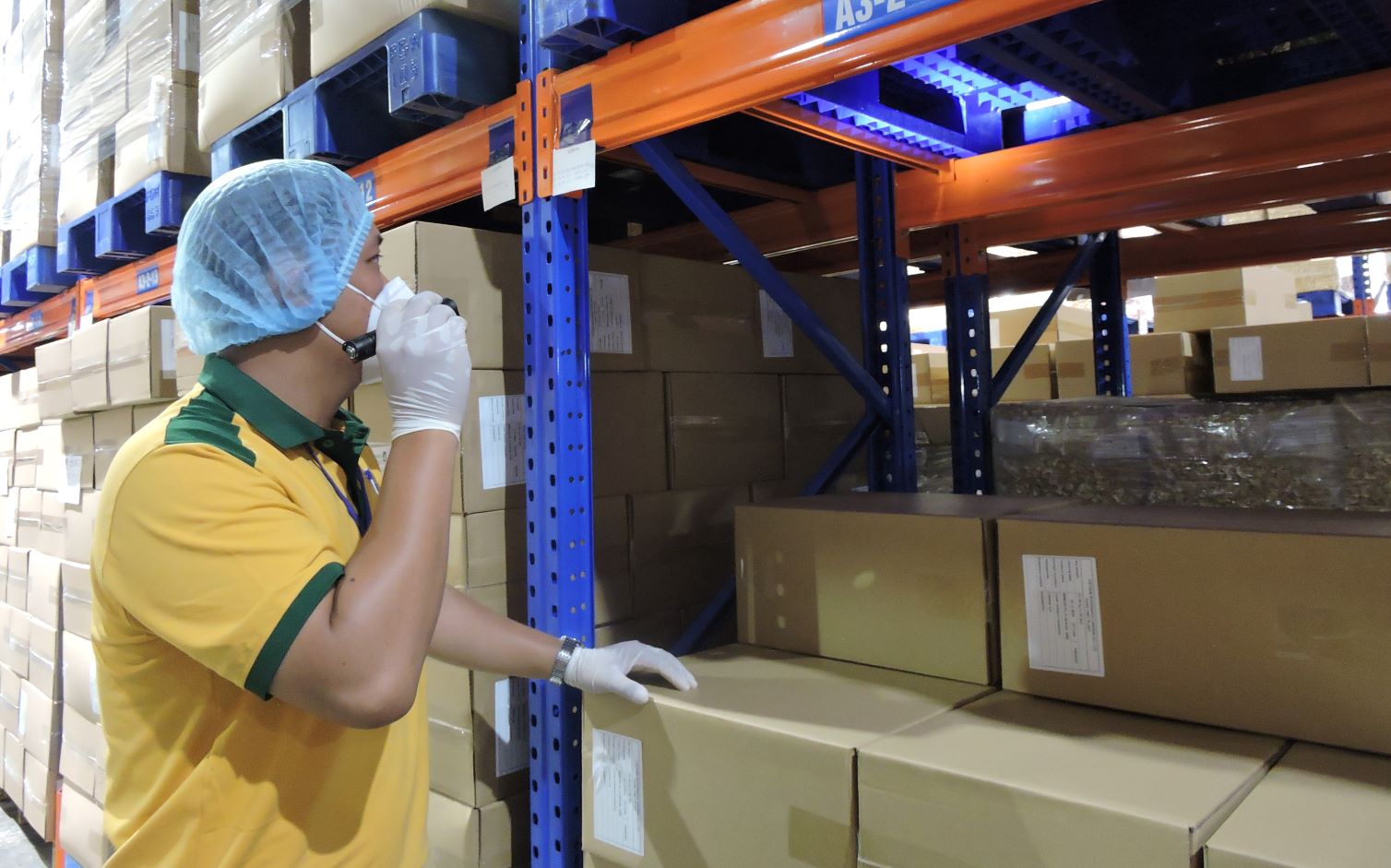
Effective methods and processes for warehouse pest control
Kho hàng là nơi tập trung nguyên liệu, thành phẩm, bao bì, pallet và lượng…
Related news

Ready to eliminate audit risks and proactively protect customer experience & brand reputation?






Dear Valued Visitor,
To protect our clients' interests, all materials here are copyrighted and may not be reproduced without permission.
We appreciate your cooperation. Should you need to use our content professionally, please contact us directly.