




By pestman | 09-03-2026
A luxury hotel or resort may invest millions in design and service quality, but a single bed bug or cockroach appearing in a guest room can damage the entire experience. Insects and pests are not just hygiene concerns — they also pose reputational, legal, and financial risks. Below is a comprehensive overview of the most common pests found in hotels and resorts, their behaviors, and why management teams need a proactive prevention strategy.
1. Hotels and resorts – A “paradise” for pest insects
Hotels and resorts in Vietnam operate within a tropical monsoon climate. High average temperatures, elevated humidity, and extended rainy seasons create ideal conditions for year-round insect breeding. Unlike countries with cold winters that naturally interrupt the life cycles of many species, pest pressure in Vietnam remains almost constant throughout the year.
Beyond favorable climate conditions, hotels themselves function as miniature ecosystems that provide pests with the three essential survival factors: food, water, and harborage. Food sources are continuously available from restaurants, buffet counters, in-room minibars, and waste collection areas. Water sources are also widespread, ranging from underground piping systems, bathrooms, and laundry areas to landscape ponds and plant drip trays.
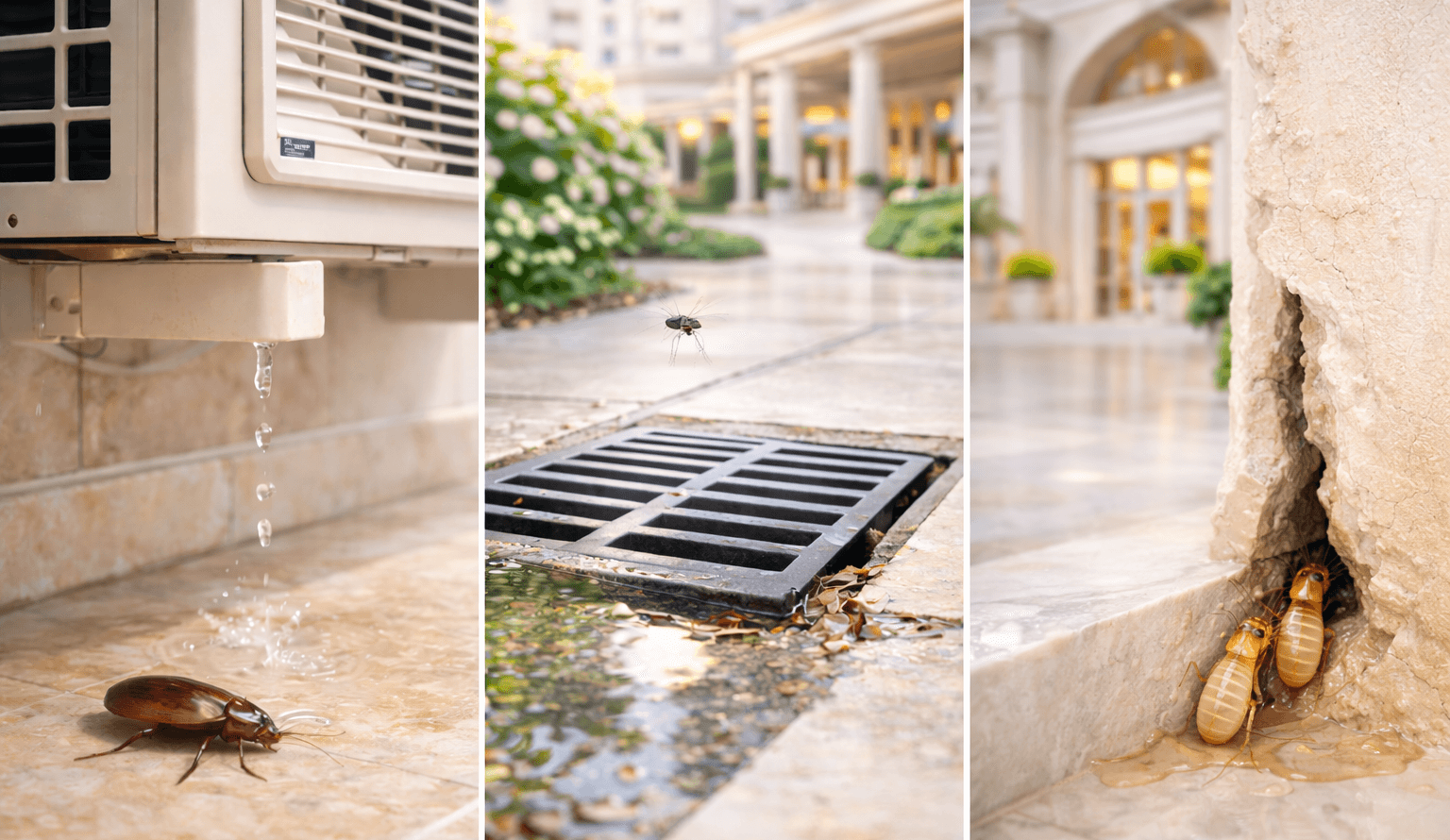
Water leaks and damp wall voids are “hotspots” where mosquitoes and cockroaches commonly breed.
In addition, pests can hide within numerous concealed spaces that are difficult to detect with the naked eye, including suspended ceilings, utility shafts, wooden flooring, under-cabinet voids, and rarely disturbed storage rooms. At the same time, continuous guest traffic and luggage movement from different regions and countries unintentionally contribute to pest transportation.
In major cities such as Hanoi and Ho Chi Minh City, aging underground drainage systems and outdated urban infrastructure further increase the risk of external pest intrusion. Meanwhile, coastal resorts in Da Nang, Nha Trang, and Phu Quoc face constant pressure from surrounding natural environments, including vegetation, wild insects, and high year-round humidity.
For these reasons, hotels and resorts can become a “paradise” for many pest species without a proactive pest management system in place.
2. Common insects and pests in hotels and resorts
2.1. Cockroaches
Cockroaches are among the most common pest insects within hotel environments in Vietnam. Due to the country’s hot and humid climate combined with complex urban drainage systems, hotels in Hanoi, Ho Chi Minh City, Da Nang, and Nha Trang constantly face infestation risks from three primary cockroach species.
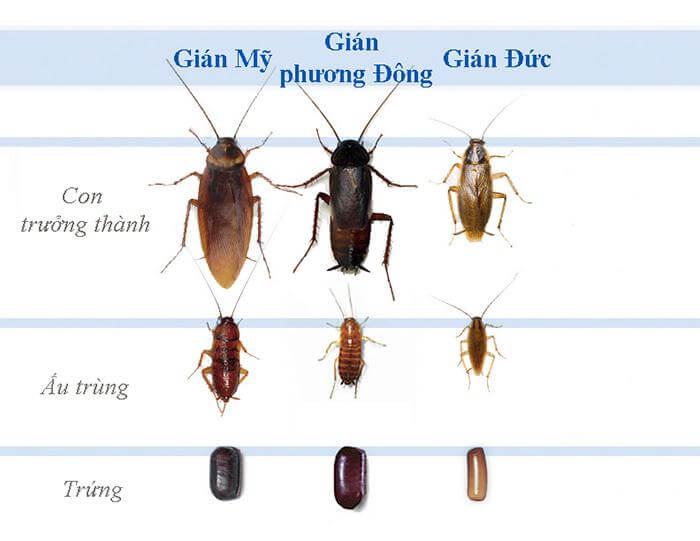
Identification of common cockroach species
American cockroaches are large in size, reddish-brown in color, and capable of short-distance flight. They are commonly found in basements, parking areas, drainage systems, and damp locations within hotels. These cockroaches are especially common in properties with deteriorating drainage infrastructure or those located near markets and food establishments. American cockroaches typically enter hotels through sewer systems and utility pipelines and are most active at night.
German cockroaches are smaller in size but considered the most dangerous species due to their extremely rapid reproductive rate. Recognizable by the two dark stripes on their backs, they are commonly found in hotel kitchens, food preparation areas, bars, and locations with abundant food sources. They prefer narrow harborages behind kitchen cabinets, beneath sinks, and inside kitchen equipment. A single female German cockroach can produce hundreds of offspring during its lifetime, leading to rapid infestations if left uncontrolled.
Japanese cockroaches adapt well to indoor environments and are commonly found in low-traffic areas such as storage rooms, under cabinets, and hidden corners within hotel rooms.
In hotel operations, even a single cockroach appearing in a guest room or restaurant can result in severe negative reviews on booking platforms. Cockroaches are known carriers of disease-causing bacteria such as Salmonella and E. coli, posing significant risks within hotel kitchen environments. Their droppings and shed skins also contain allergenic proteins that may impact the health of both guests and staff.
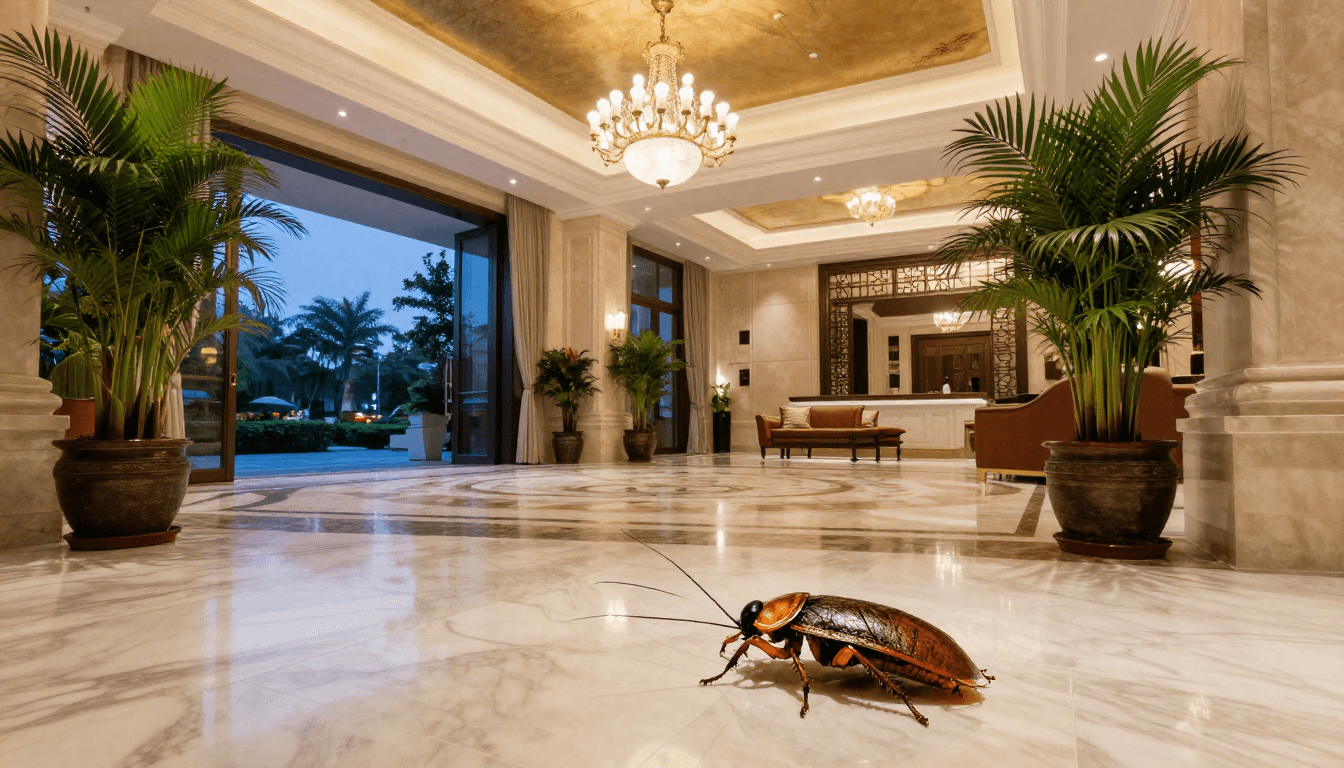
If guests see cockroaches in guest rooms or restaurants, the hotel’s reputation may be severely affected.
Signs of cockroach activity within hotels include:
- Cockroach droppings: small black pepper-like particles commonly found in cabinet corners and beneath sinks.
- Cockroach egg cases: brown oval-shaped capsules located in hidden areas.
- A distinct musty odor at night in areas with heavy cockroach activity.
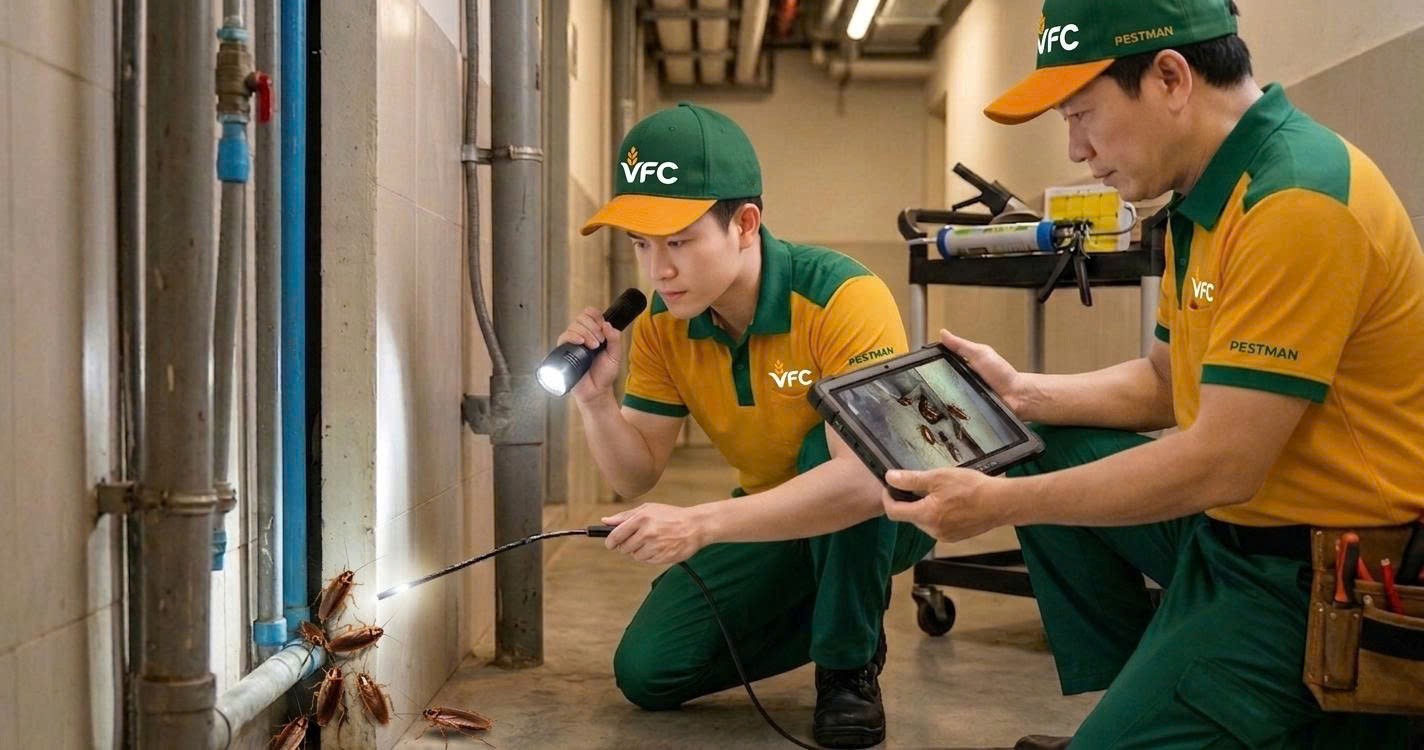
To prevent cockroach infestations, hotels should focus on controlling entry points. One of the most effective methods is the application of gel bait directly into cracks and crevices where cockroaches commonly harbor. All gaps surrounding plumbing lines and floor drains, especially within kitchen areas, should be thoroughly sealed and inspected. Drain covers and mesh screens must also be installed and regularly maintained. Thorough end-of-day kitchen sanitation should be implemented as a mandatory procedure.
For cockroach management, prevention is always more effective than reactive treatment. The primary focus of prevention is the complete control of pest entry points. Technical teams should first inspect and seal all openings surrounding water pipes and floor drains, particularly in kitchen areas where cockroach intrusion most commonly occurs. Drain outlets should also be fitted with protective mesh screens and routinely inspected to prevent them from becoming “highways” allowing cockroaches to travel from sewer systems into food preparation areas.
Alongside entry-point exclusion, end-of-day kitchen sanitation must be strictly enforced as a mandatory procedure to completely eliminate food and water sources that attract and sustain pests. Once environmental conditions are properly controlled, the most effective treatment approach is the targeted application of gel bait directly into cracks, crevices, and cabinet corners to eliminate entire cockroach populations at the source.
2.2. Mosquito
Vietnam is located within an endemic region for many mosquito-borne diseases such as dengue fever and Zika virus. For hotels, especially coastal resorts and properties with extensive landscaping, mosquito management is not only a sanitation issue but also a responsibility for protecting guest health.
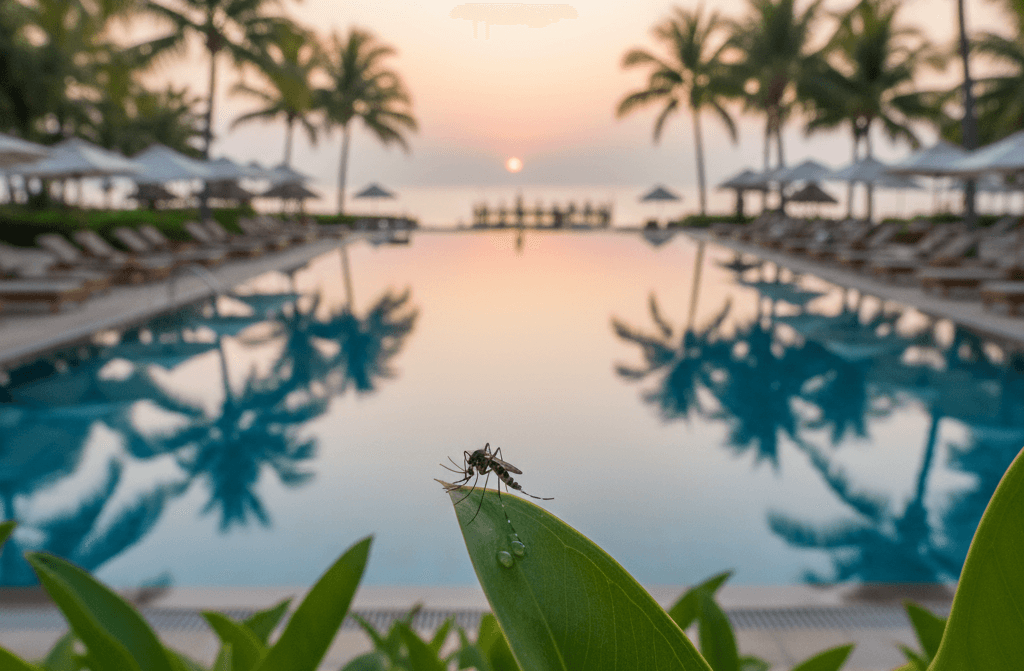
Mosquitoes are commonly found in resorts with dense vegetation
Aedes mosquitoes are the most common species, characterized by their small size, black bodies, and distinctive white markings. They are most active during daytime hours, particularly in the early morning and late afternoon. Aedes mosquitoes are the primary vectors responsible for transmitting dengue fever.
Within hotel environments, especially coastal resorts, mosquito populations can become extremely dense without effective control measures. Resorts in Phu Quoc, Nha Trang, or Da Nang may quickly become mosquito hotspots if standing water sources are allowed to accumulate throughout the property. For international guests, particularly visitors from temperate countries without immunity to dengue fever, even a single mosquito bite may lead to serious health consequences.
An important concern is that mosquitoes require water for breeding, while hotels often contain numerous overlooked standing water sources. Decorative plants in lobbies and hallways with water trays underneath create ideal breeding sites. Leaking air-conditioning systems may form small puddles on floors. Blocked rooftop and balcony drains also contribute to mosquito breeding. Flower vases in guest rooms and restaurants that are not regularly refreshed further increase infestation risks.
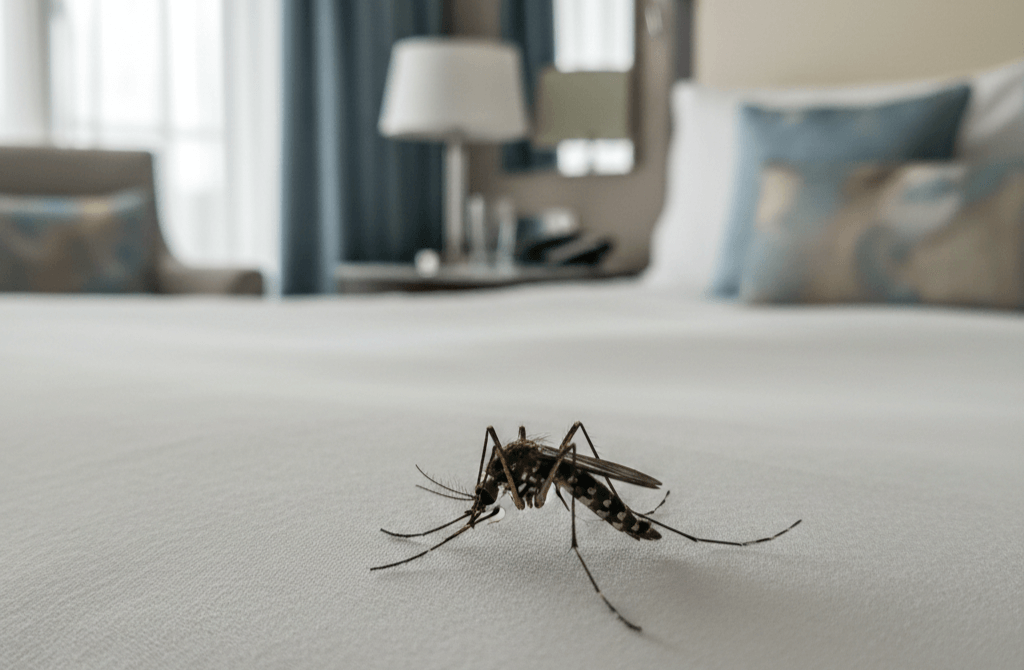
If mosquitoes are present in guest rooms, guests are likely to perceive the hotel as having poor service quality
The most effective mosquito prevention measure is the complete elimination of breeding sites. Hotel staff should inspect and remove standing water sources weekly, especially after heavy rainfall. Water in flower vases should be replaced every two to three days. For adult mosquito control, hotels commonly install mosquito screens on guest room windows, use mosquito trapping lamps in lobby and restaurant areas, or conduct ULV mosquito treatments during off-peak hours to avoid disrupting the guest experience.
2.3. Flies
Flies are a persistent issue within hotel restaurants in Vietnam, particularly in open-kitchen concepts, outdoor dining areas, or locations near waste handling zones. House flies are the most common species and are frequently found around food preparation areas, dining tables, and garbage bins. Fruit flies, which are smaller in size, are commonly associated with ripe fruit and fermenting food residues.
Flies are dangerous disease vectors due to their feeding behavior. They feed on unsanitary materials such as feces and waste before entering kitchens and landing on food surfaces. The legs and bodies of flies contain millions of tiny hairs capable of carrying intestinal disease-causing bacteria. Under Vietnam’s hot and humid climate conditions, bacterial growth on flies occurs even more rapidly.
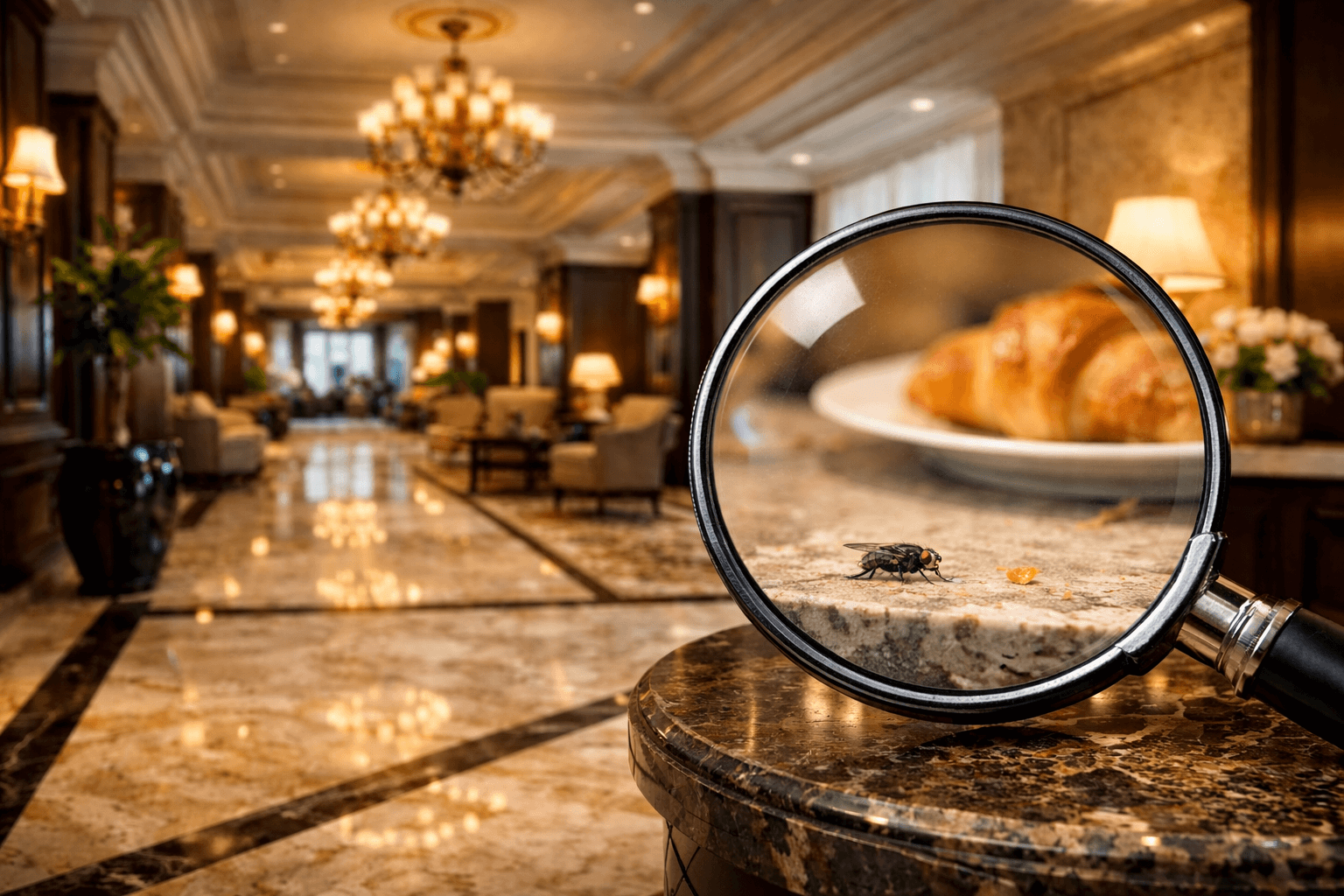
Due to their habit of landing on waste before flying into dining areas, flies are considered dangerous vectors of intestinal diseases
Within hotel and resort environments, even a single fly appearing inside a restaurant may cause guests to lose their appetite and question food hygiene and safety standards.
Fly control measures include:
- Install mesh doors and plastic strip curtains at all kitchen and restaurant entrances.
- Use ventilation fans to create airflow barriers that repel flies.
- Implement strict waste management practices and use tightly sealed garbage bins.
- Clean food preparation areas immediately after use.
- Position ultraviolet fly traps away from food preparation areas.
2.4. Bed bugs
Bed bugs are becoming an increasingly serious issue within hotel environments. Due to high volumes of international travelers, bed bugs can easily enter through luggage and rapidly spread between rooms.
Bed bugs are small insects measuring only 4–7 mm in length, with reddish-brown coloration and flattened bodies that allow them to hide within extremely narrow cracks in mattresses, bed frames, and headboards. Their life cycle progresses rapidly, and each female can lay between 200 and 500 eggs during its lifetime. Bed bugs are also capable of surviving without feeding for up to one year, making eradication particularly difficult.
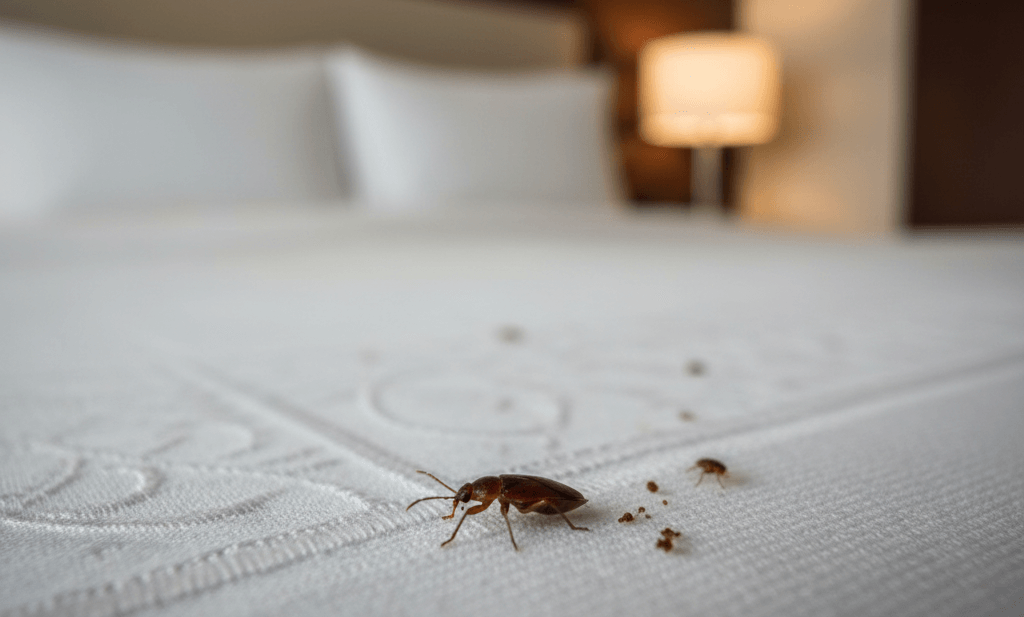
Tiny black spots on mattresses may indicate an active bed bug infestation.
The impact of bed bug infestations on hotels can be extremely severe. From a health perspective, bites cause intense itching, skin irritation, and possible secondary infections from scratching. Many individuals also experience serious allergic reactions to bed bug saliva. Psychologically, victims often suffer from anxiety, insomnia, and prolonged distress. With the rapid spread of social media and online review platforms, a single reported bed bug incident can severely damage a hotel’s reputation within a very short time. Numerous hotels in Vietnam have previously been forced to suspend operations for days or even weeks in order to conduct bed bug treatments.
Bed bug identification signs should be widely communicated to all housekeeping staff. Bite marks commonly appear in straight lines or clustered patterns on exposed skin areas such as the face, neck, and arms. Blood stains on bed sheets may indicate crushed bed bugs. Bed bug droppings appear as tiny black spots on mattresses and bed frames. Shed skins are translucent light brown in color and commonly found within cracks and crevices. In severe infestations, a distinct sweet and musty odor may also be detected.
Bed bug prevention measures include training housekeeping staff to recognize infestation signs, using bed bug-proof mattress encasements, thoroughly inspecting rooms after guest check-out, especially long-stay rooms, and conducting routine vacuuming focused on cracks and crevices.
Once bed bugs are detected, the infested room should be isolated immediately. Bed linens and pillow covers must be washed at temperatures above 60°C and dried under high heat for at least 30 minutes. The entire room should be thoroughly vacuumed, with vacuum bags sealed and disposed of afterward. Whole-room heat treatment by raising temperatures to approximately 60°C for several hours is considered one of the most effective eradication methods. Specialized bed bug insecticides should then be applied into cracks and crevices, followed by a reinspection after two weeks to ensure complete elimination.
2.5. Ants
Within hotel and resort environments, ants can become a significant nuisance, particularly in resorts with large landscaped areas and dense vegetation.
Black ants are the most common species found in hotels. They are typically attracted to sugary substances and grease, frequently appearing around sugar containers in cafés, honey jars at breakfast stations, or spilled soft drinks. Fire ants are reddish-brown in color and small in size but highly dangerous due to their venomous stings, which can cause pain, itching, and blistering. These ants commonly build nests within flower beds and lawn areas and may attack guests when disturbed. Weaver ants are often found nesting in ornamental trees and are attracted to both sweet foods and protein sources.
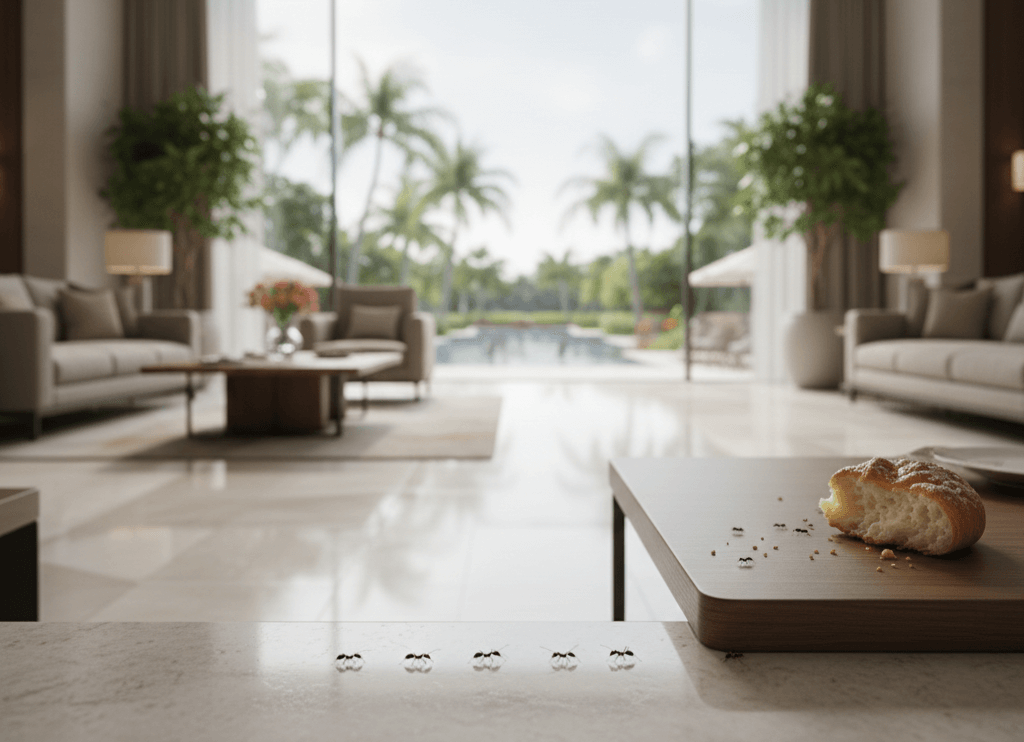
Fire ants are especially dangerous due to their painful venomous stings, which can negatively affect guest experiences in garden and swimming pool areas.
The primary impact of ants in hotels involves food contamination risks within kitchens and negative effects on cleanliness and appearance. Fire ants may also attack guests in gardens or around swimming pools. Common signs of ant activity include visible trails along wall edges, room corners, food preparation areas, and sink locations.
Ant prevention measures include:
- Store food in sealed containers, especially sugar, flour, and honey.
- Clean spilled food and sugary beverages immediately.
- Seal all cracks and openings that may allow ant entry.
- Apply ant bait treatments.
2.6. Rodents
Rodents are among the most dangerous pests within hotel and resort environments, particularly in kitchens, food storage areas, and restaurants. In Vietnam, the two most common rodent species are sewer rats and house mice.
Sewer rats are large rodents commonly found in drainage systems, basements, and damp environments. They are capable burrowers and highly adaptable to urban conditions. House mice are smaller in size, skilled climbers, and frequently inhabit elevated locations such as ceilings and attic spaces while commonly invading kitchens and food storage areas.

Rodents not only damage food products and electrical wiring but can also become a public relations disaster if seen by guests
The impact of rodents within hotels and resorts can be extremely severe. Rodents are known to spread more than 35 diseases and contaminate food through droppings, urine, and fur. They damage food supplies and raw materials while gnawing on electrical wiring, creating serious fire hazards and structural damage risks. Sightings of rodents within hotel restaurants may result in major public relations crises and even operational suspension due to food hygiene and safety violations.
Common signs of rodent activity include elongated droppings, scratching and gnawing noises within ceilings and walls at night, bite marks on electrical wires and packaging materials, grease marks along travel routes on walls, and strong unpleasant odors near nesting areas.
Rodent prevention measures include sealing all holes and openings larger than 6 mm, installing mesh barriers on windows and ventilation openings, implementing strict waste management practices, avoiding overnight food exposure in kitchen areas, and maintaining cleanliness around hotel and resort premises. Additional control methods may include mechanical traps in identified activity zones, glue boards along rodent pathways, and the safe use of rodent bait stations.
2.7. Subterranean termites
Subterranean termites are the most common termite species, nesting underground and constructing mud tubes to access wooden structures. Drywood termites, as their name suggests, live entirely within dry wood without requiring soil contact and are commonly found in furniture, door frames, and wooden flooring.
Termites can destroy entire wooden structures, from flooring systems and kitchen cabinets to high-end furniture. Many historic hotels in Hoi An, Hue, and Da Lat that rely heavily on wooden construction are facing serious termite challenges. Termite damage not only affects interior aesthetics but also weakens structural integrity.

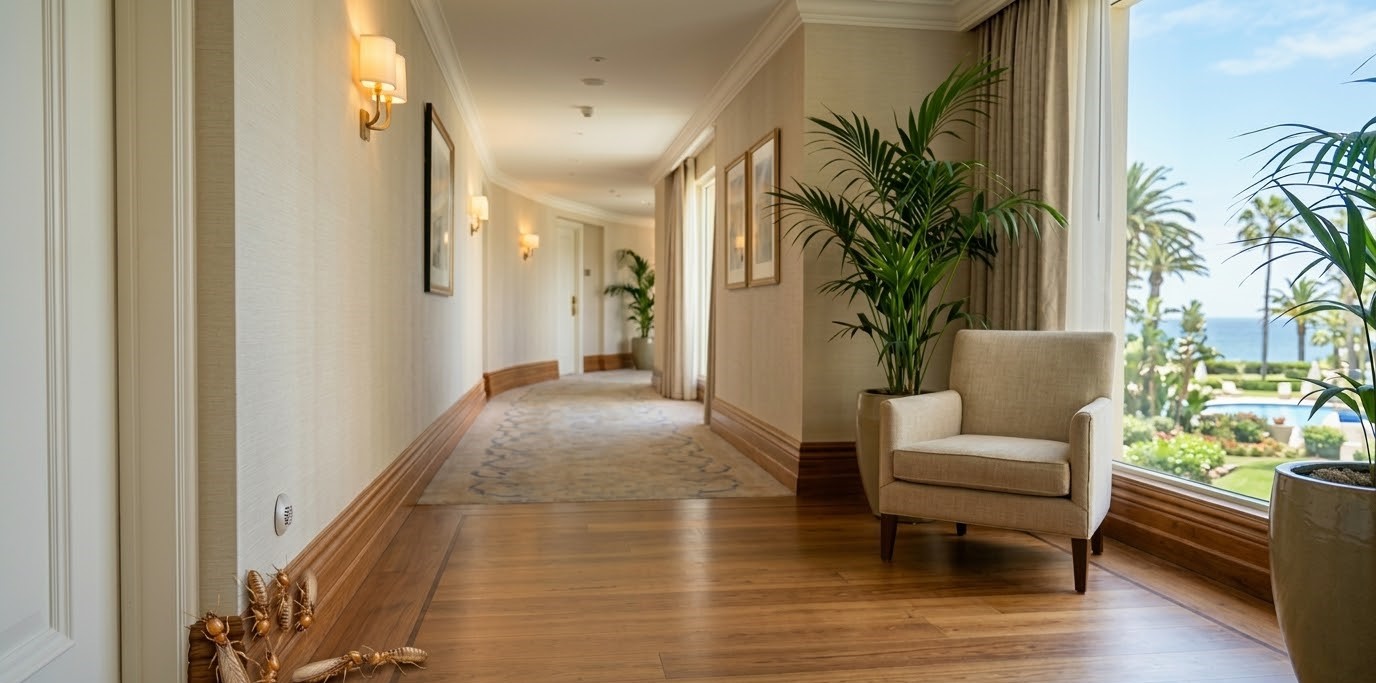
Termites destroy wooden structures ranging from flooring to luxury furniture, posing a direct threat to hotel fixed assets
Signs of termite activity include mud tubes along walls and foundations, hollow sounds when tapping wooden surfaces, discarded termite wings near windows during swarming season from March to June, and small brown pellet-like termite droppings resembling sawdust.
Termite prevention measures should begin during the construction phase, particularly through pre-construction soil treatment using anti-termite chemicals. For operational hotels, termite baiting systems should be installed around the property and inspected every three to six months.
2.8. Fleas and pet-related parasites
As more hotels adopt pet-friendly policies, fleas are becoming an increasingly important concern. Fleas are commonly introduced through guests’ cats and dogs, local rodent populations, or infested luggage brought into the property.
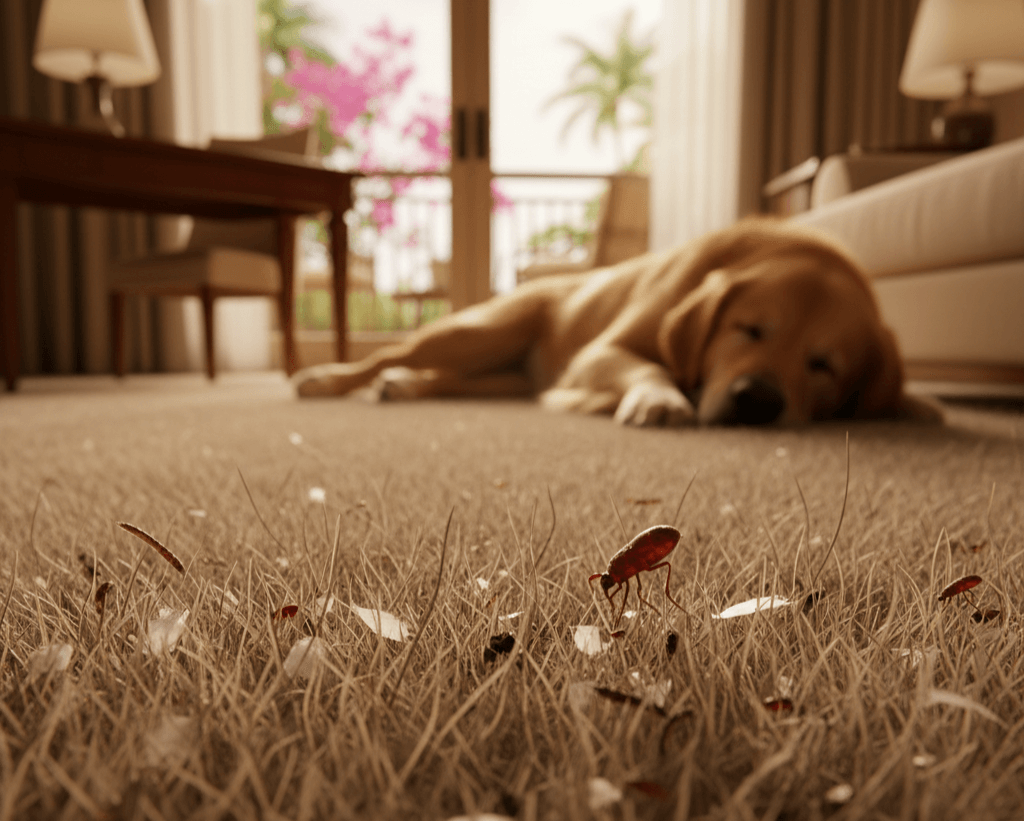
In pet-friendly hotels, fleas may easily infest carpets within guest rooms
Fleas cause itching, skin irritation, and may transmit tapeworm infections while creating significant discomfort for guests. Common signs include visible jumping fleas on carpets and floors, excessive scratching by pets, and tiny black flea droppings.
Control measures include establishing clear pet policies, regularly vacuuming carpets and sofas, conducting routine cleaning of carpets and mattresses, maintaining rodent control programs, and performing scheduled flea treatment applications.
3. Preventing risks and managing pests in hotels and resorts
When examining pest issues within hotels and resorts more comprehensively, the traditional “reactive treatment” approach has become completely outdated. Modern hotels and resorts now need to shift toward a proactive risk management model. In this model, knowledge of pest biology and behavior is applied to design preventive measures from the outer perimeter onward.
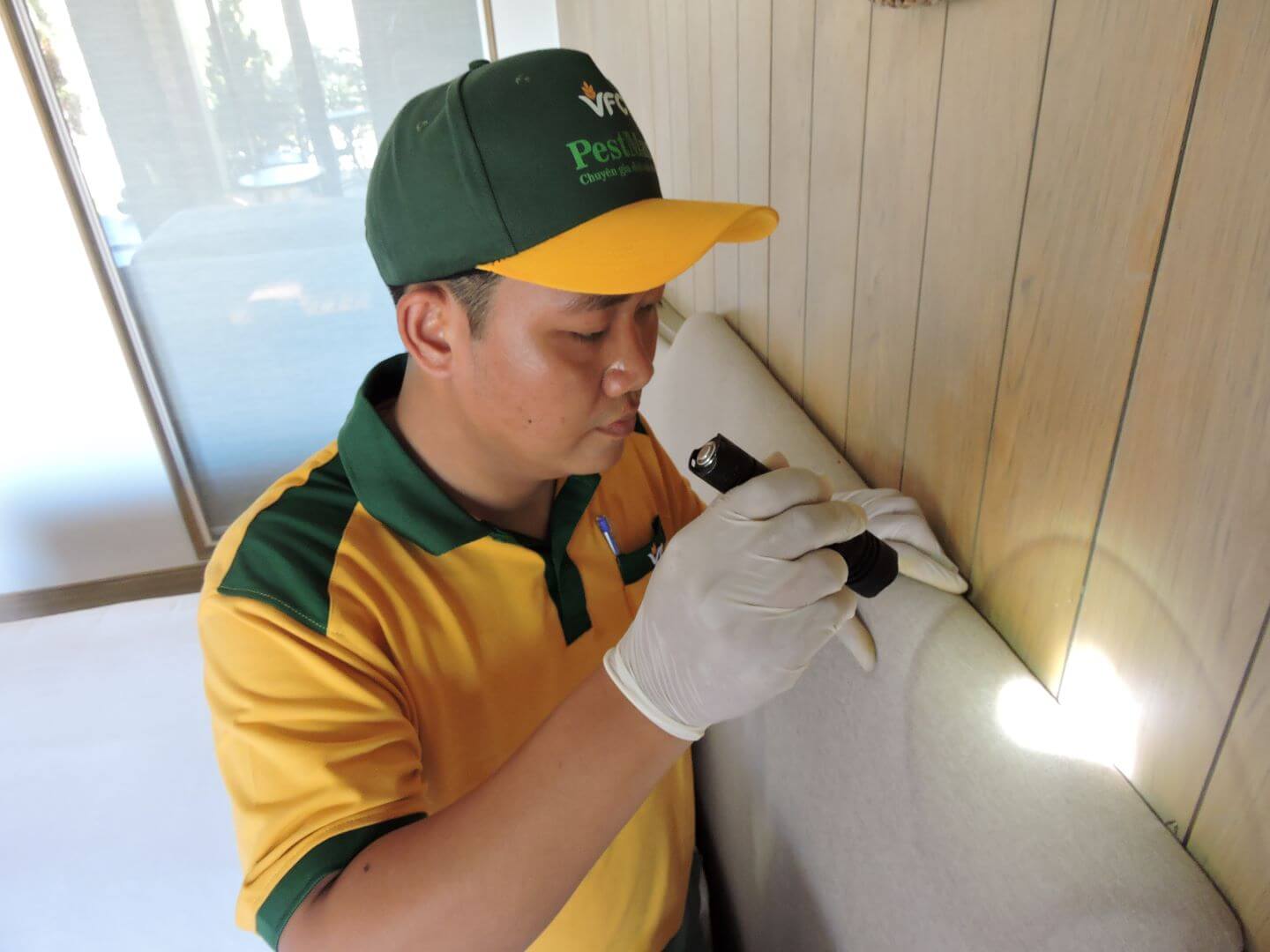
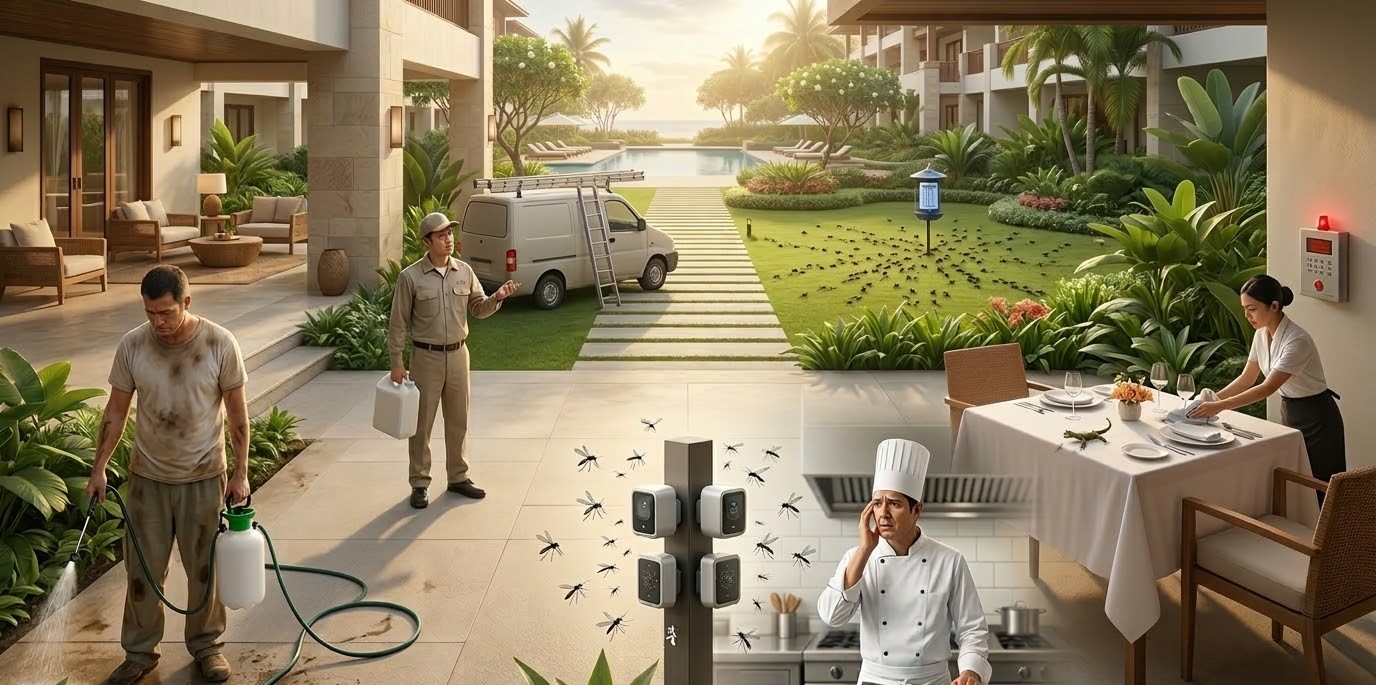
Hotels require more proactive pest management strategies
This process begins with small but critical actions such as strict inspection of incoming goods, training staff to recognize early signs of infestation, and maintaining tightly sealed technical infrastructure systems. Even a small crack along a wall base or a gap beneath a waste storage door may become an entry point for thousands of invading pests.
Therefore, effective coordination between engineering teams, housekeeping departments, and professional pest management providers is the key to preserving the reputation and service standards of hotels and resorts in the eyes of both international and domestic guests.
4. PestMan – Strategic pest management partner for hotels/resorts
As hygiene standards become increasingly demanding, choosing a professional pest management partner is a smart investment for protecting both property assets and brand reputation.
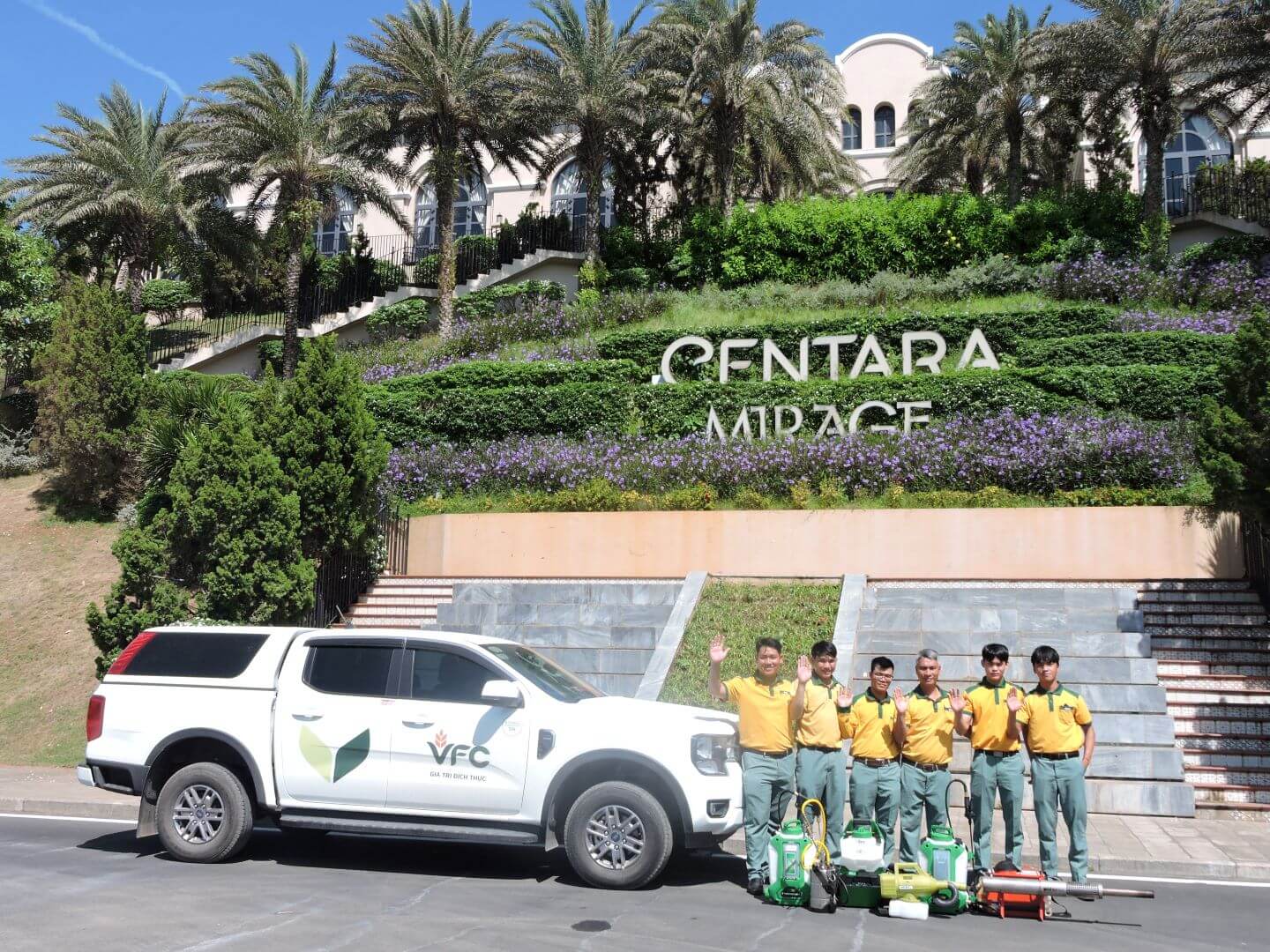
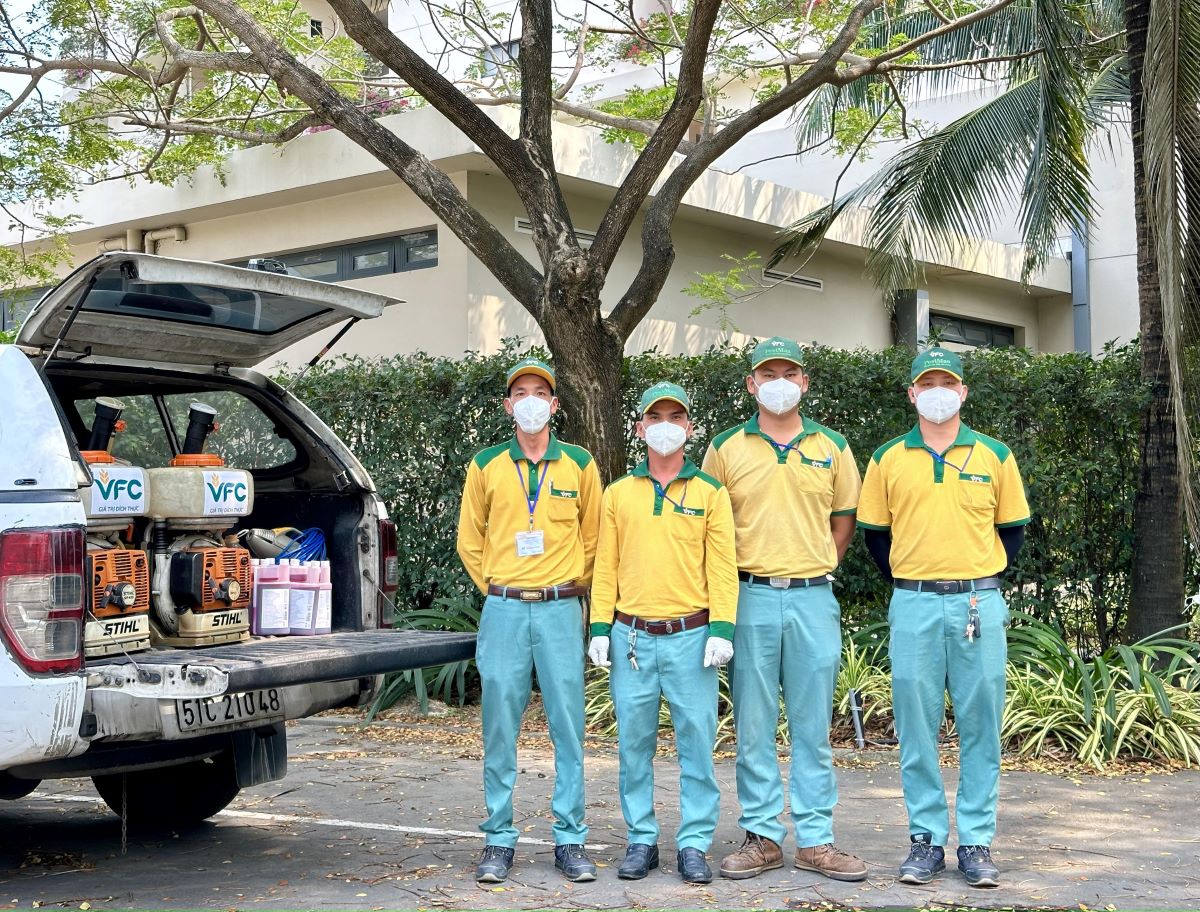
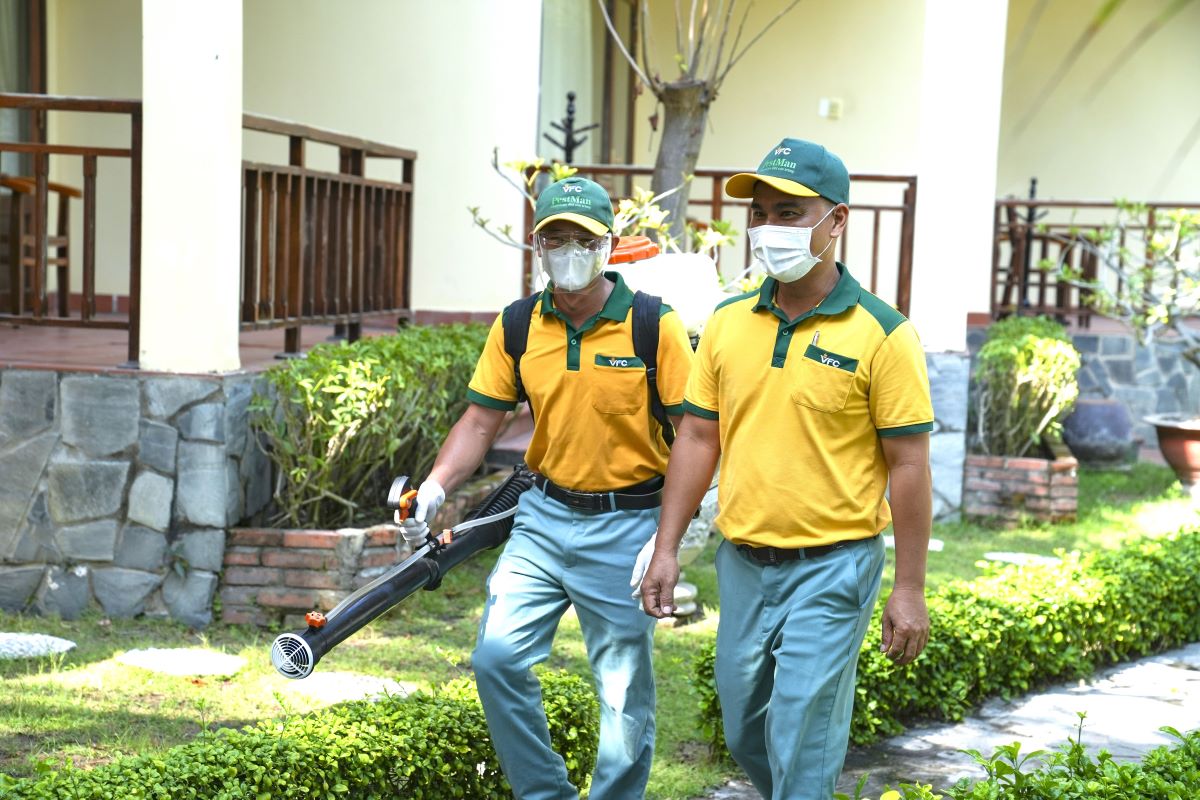
PestMan provides pest management solutions for Centara Mirage Resort Mui Ne
PestMan – A brand of VFC (Vietnam Fumigation Joint Stock Company), proudly stands as one of the pioneering providers delivering specialized insect control and Integrated pest management (IPM) solutions. Unlike conventional “spraying-only” services, PestMan is trusted by hundreds of premium hotels and resorts thanks to:
- Risk trend analysis: Early identification of high-risk areas for timely intervention instead of reacting only after incidents occur.
- Real-time data transparency: All treatment activities are recorded with timestamps and complete service histories to support internal audits and compliance with strict standards.
- Advanced biological technologies: Applying alternatives to hazardous chemicals in order to protect ecosystems and ensure maximum safety for guests.
- International standards: Fully compliant with the operational requirements of multinational hotel management groups.
>> Explore more PestMan hotel projects here.
If you are looking for a solution that helps your hotel or resort remain “protected” from pests and insects, connect with the expert team at PestMan.vn to create a safe and premium hospitality environment.


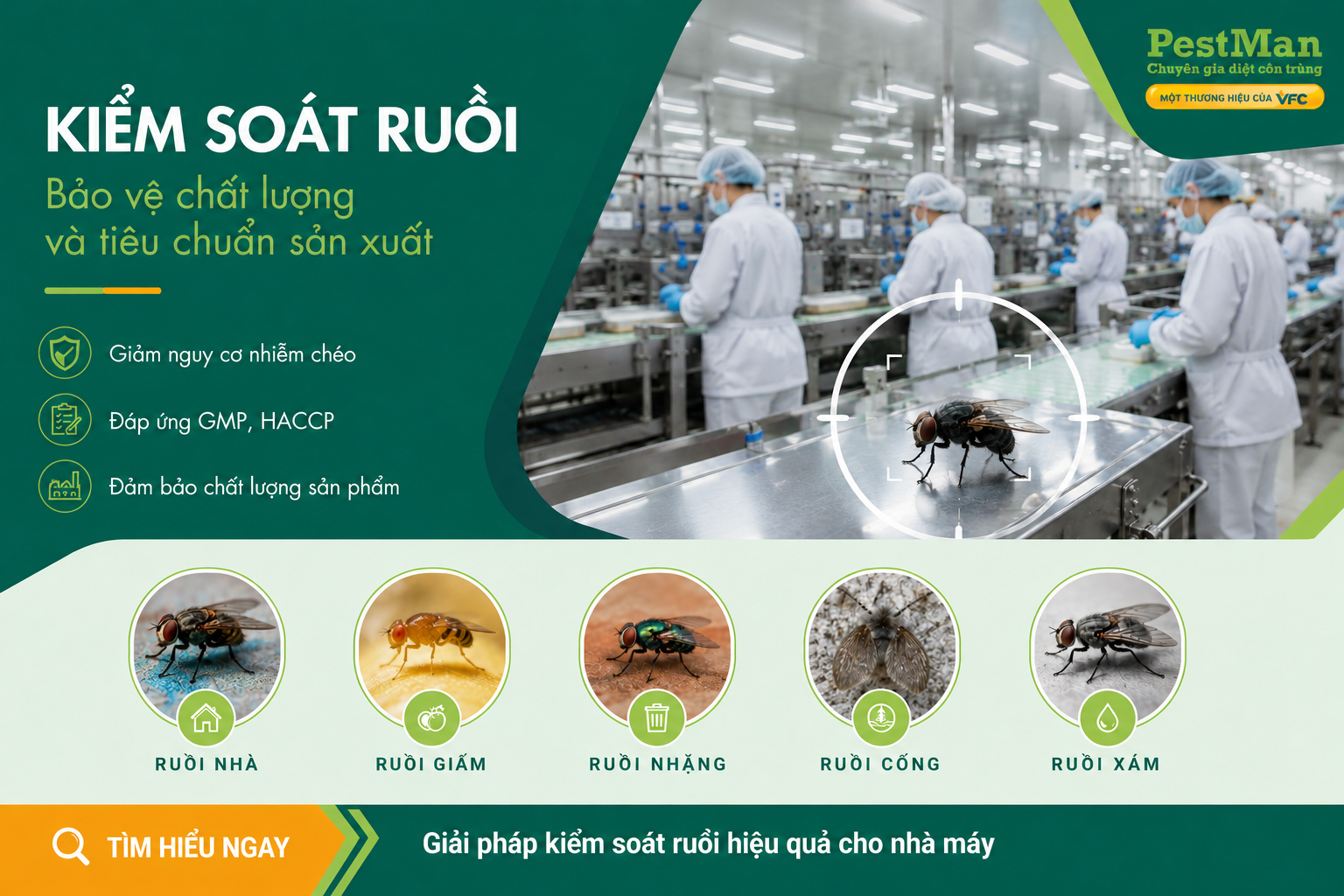
Cách diệt ruồi trong nhà máy hiệu quả: Nhận diện đúng loài để xử lý tận gốc
Trong môi trường sản xuất, đặc biệt tại các nhà máy thực phẩm, đồ uống…
IPM và Phun xịt côn trùng truyền thống: Đâu là giải pháp kiểm soát dịch hại tối ưu cho doanh nghiệp?
IPM trong kiểm soát dịch hại đang dần thay thế phương pháp phun xịt truyền…
Related news


Ready to eliminate audit risks and proactively protect customer experience & brand reputation?