



By VFC PestMan | 08-04-2026
During the operation process, pests are not only an arising problem but also a factor directly affecting the quality, image and cost of the business. Instead of treating each small and isolated incident, many businesses are shifting to a more methodical approach: controlling pests right from the beginning through a PCO. So what is a PCO and what are the criteria to choose the right suitable unit?
1. What is a PCO? Why do businesses need to accompany a professional PCO?
Many businesses today are still stuck in a costly "firefighting" loop: setting traps only when seeing rats, spraying only when seeing insects. This approach can soothe the immediate situation, but causes the problem to repeat continuously and pushes up treatment costs escalating after each outbreak. In fact, the bottleneck does not lie in whether to treat or not, but lies in the approach mindset: is the business choosing temporary coping or methodical control right from the beginning?
The cost of this type of treatment usually does not stop at a single spraying session. When pests recur, businesses also have to account for treatment downtime, operational disruptions, and resulting risks. This is why it is necessary to consider why reactive pest treatment can be more costly than periodic prevention.
This is exactly when the role of a PCO becomes essential. PCO (Professional Pest Control Operator) is a professional pest control service provider. Instead of just reacting to isolated incidents, a professional PCO unit approaches pests as an important link in the operation process that needs risk management.
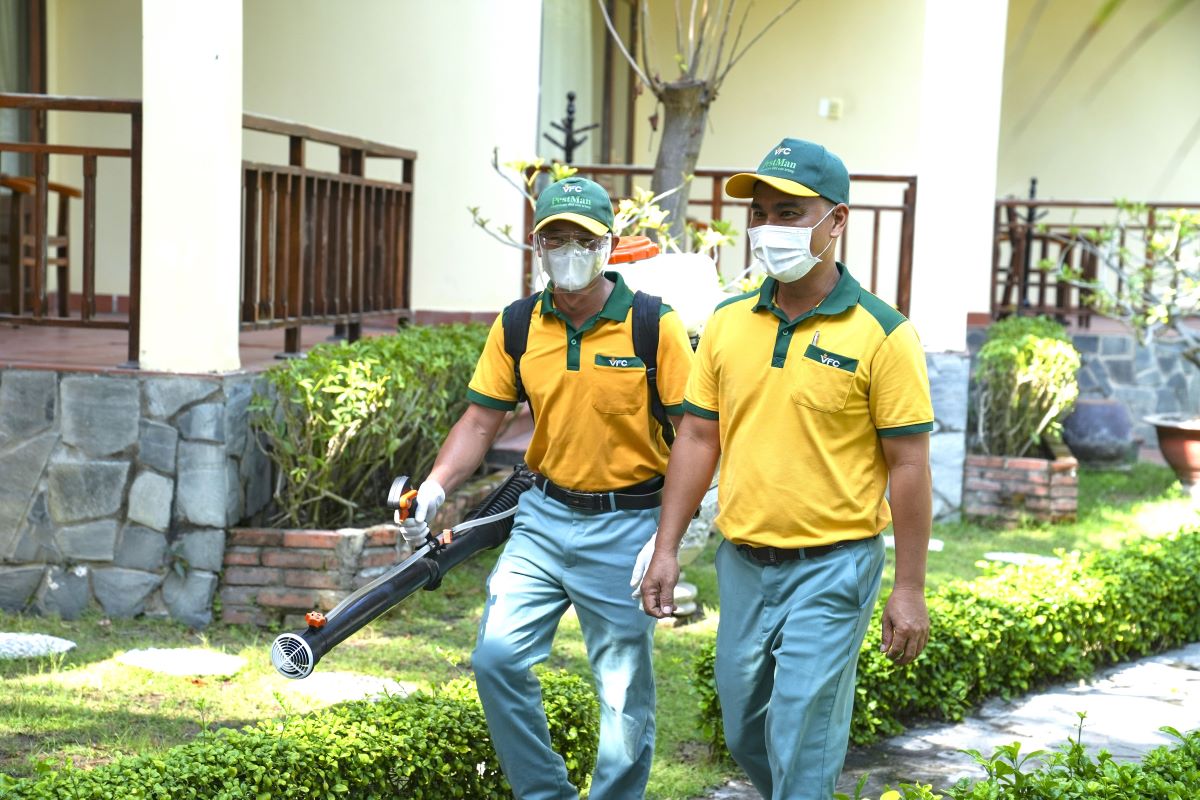
In reality, pests do not appear randomly but always have causes related to the environment, operation processes or generation sources. If only treating the surface, the problem may decrease temporarily but still poses a risk of recurrence. PCO helps businesses control from the root, limit repeated generation and maintain a stable environment in the long term.
Some seemingly economical practices, such as only spraying where insects are visible or skipping the source generation survey, can cause businesses to undergo repeated treatments. See more common misconceptions in pest control that cause pest recurrence.
When controlling from the root, businesses will escape the scenario of "running after treatment" whenever there is an occurrence. This not only maintains a stable environment but also optimizes long-term costs because the largest cost does not lie in a single service, but lies in having to repeat treatment countless times ineffectively. For sensitive industries such as manufacturing factories, warehouses or hotels, PCO is exactly the most solid "shield" protecting operation standards and brand reputation.
2. Which model needs to apply professional PCO solutions?
Every environment with the circulation of goods and humans implicitly contains pest risks. However, with specific business models, the presence of a PCO unit is not just a choice, but a mandatory condition to maintain survival.
- Factories and manufacturing enterprises
This is the group with the strictest requirements because it directly relates to food safety and international certifications such as HACCP, ISO, BRC. Just a small error causing insects to infest the production line can lead to the recall of an entire shipment and production suspension. For food factories, choosing a PCO should be based on the ability to control insects by individual production areas, raw material warehouses, finished product warehouses, and risk levels, rather than solely on the number of treatments per month.
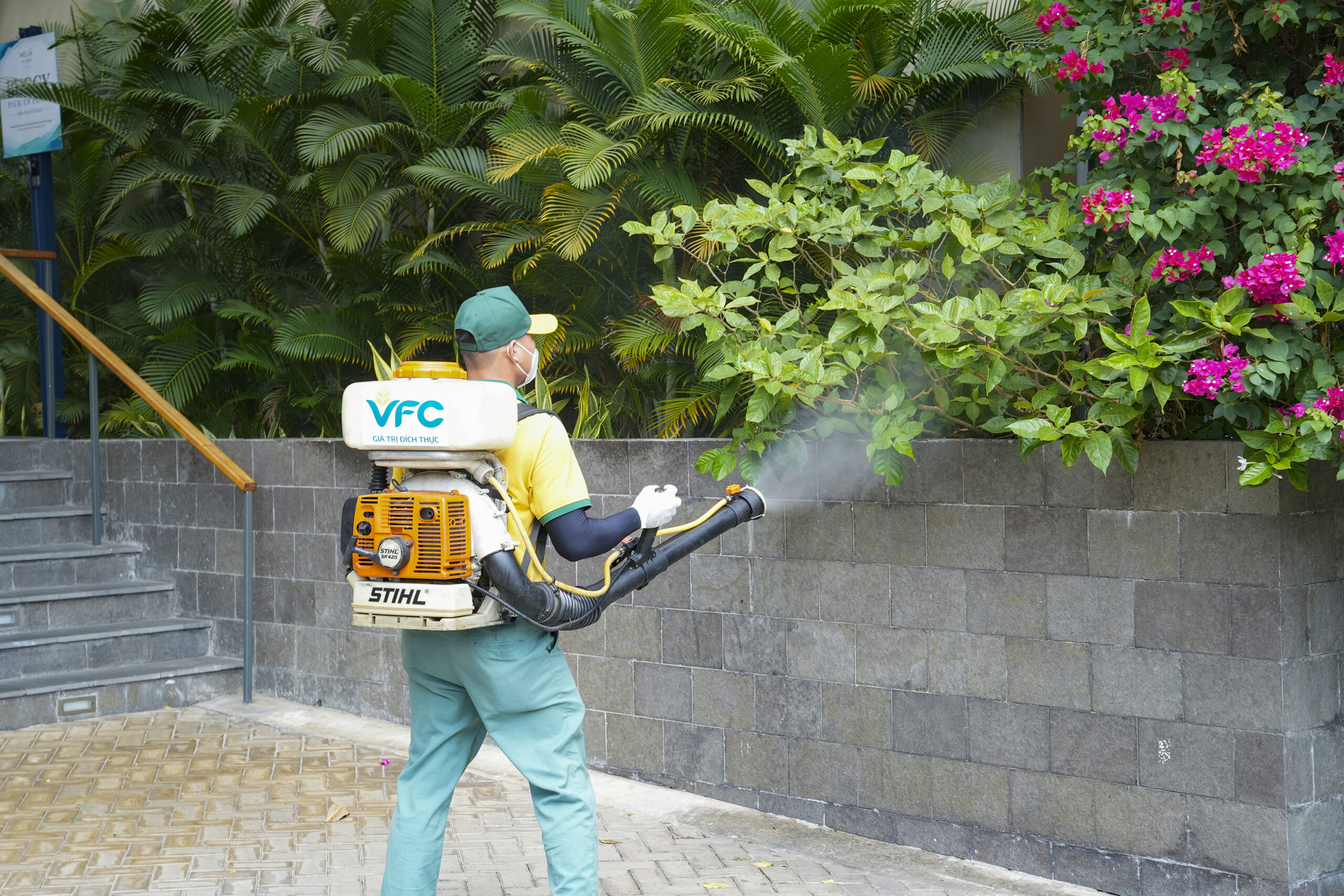
- Hotels and Resorts (vacation properties)
In the service sector, customer experience is the key factor. Just a small incident related to insects can also affect brand image and reviews on online platforms.
- Buildings and shopping centers
With a large density of people passing through, areas such as basements, waste treatment areas are "hot spots" for pest generation. Therefore, control needs to be maintained continuously to ensure a stable operating environment.
- Warehouses and Logistics
In the warehousing and logistics sector, goods stored long-term in warehouses accidentally become a lucrative "bait" for rats, weevils, and harmful insects. A professional PCO unit will help businesses control the risk of asset loss, while maintaining reputation with partners in the supply chain. For food material warehouses, businesses also need to assess risks from suppliers, pallets, packaging, and receiving areas. You can refer to how to identify pest risks in the food supply chain right from the input stage.
3. Risks when choosing the wrong unprofessional spraying unit
Not a few businesses, because of wanting to optimize immediate costs, chose cheap spraying units. Only when the problem broke out again, even more seriously, did businesses realize: the real price to pay does not lie in the initial invoice.

- Insecticide-resistant insects: Using the wrong concentration of chemicals makes pests not die completely but also generate a "super-resistant" generation of offspring, making subsequent destruction extremely expensive.
- Risk of cross-contamination and poisoning: Unprofessional technicians may spray chemicals onto sensitive surfaces or use banned chemicals, causing direct danger to consumers and staff.
- Empty legal records: These units usually disappear after receiving money, having no invoices, vouchers or reports for businesses to prove during periodic inspections.
4. Criteria for choosing an effective and economical pest control PCO
To ensure that investment budgets for pest control services yield long-term results, here are three core criteria businesses should consider:
4.1. Ability to apply IPM (Integrated Pest Management) programs
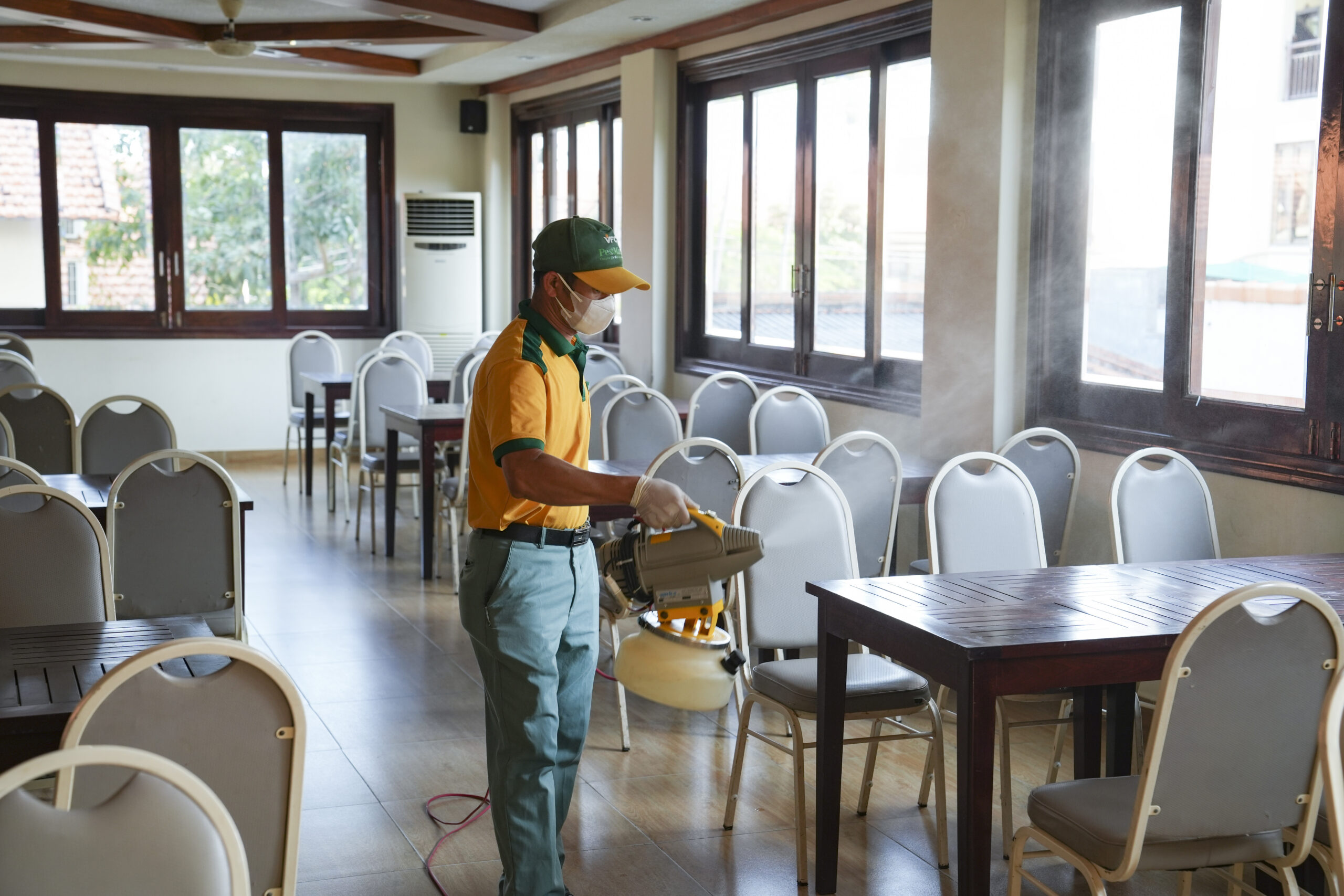
A professional PCO unit must prioritize IPM solutions. Instead of abusing chemicals, the PCO will focus on changing the environment (blocking entry gateways, eliminating food sources). This criterion not only helps protect employee health, protect the environment but also helps businesses save chemical purchase costs and minimize periodic treatment frequency.
See more: IPM and traditional insect spraying: Which is the optimal solution for businesses?
4.2. Data transparency and audit support
The effectiveness of a PCO must be proven with data. Choose a provider that offers a digitized reporting system, clearly indicating trap locations and monthly pest trends. This is a solid legal foundation that helps businesses remain proactive and confident during quality audits from foreign partners or regulatory authorities. Besides having software, businesses need to check whether the pest control report displays density, trends, anomalies, and corrective actions. This is the section that helps QA/QC evaluate the actual effectiveness of the program.
4.3. Fast response capability and long-term companionship
The factor that is often underestimated but directly affects practical effectiveness is the ability to respond and accompany. Pests do not appear according to a fixed schedule, but often arise at sensitive times such as before audits, during peak hours or when the business is operating at high intensity.
A suitable PCO not only treats periodically but must also be ready to support when needed, continuously monitor and adjust solutions over time. This exact companionship is the factor helping businesses maintain stability and avoid unnecessary incurred costs.
5. What do businesses receive when choosing VFC PestMan pest control services?
Among many units on the market, accompanying VFC PestMan brings businesses outstanding values summarized from the long history of VFC along with the technological breakthrough of the PestMan brand. Instead of applying conventional methods, we commit to bringing the practical benefits below:
Creating a “green shield” with international technology
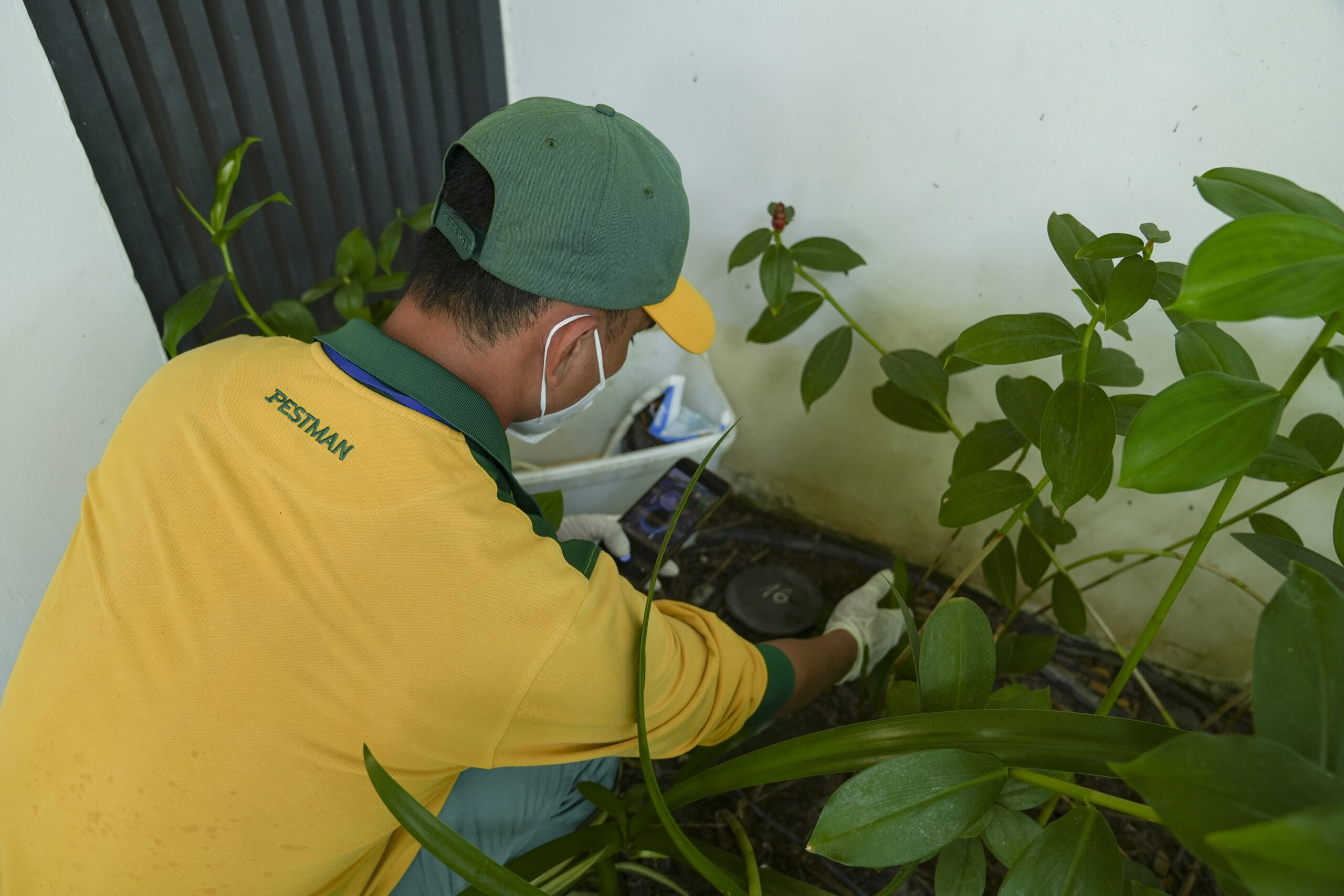
VFC PestMan applies the IPM method combined with advanced devices such as the Termatrac iTracker radar termite detector (Australia) and the Exterra system (USA). This technology helps detect and destroy pests at the root without any drilling, completely protecting the structure and aesthetics of the building.
Absolute digitization with PestMan App and smart Dashboard
We completely eliminate paper reports with exclusive PestMan software. All data at the field is directly updated by technicians via the App, ensuring honesty and real-time. Especially, the PestMan Dashboard system provides an overview of pest trends through visual charts, helping managers early identify potential risks to have timely adjustment plans.
Guarantee for international standard evaluations (audits)
For manufacturing factories, VFC PestMan provides a full set of document records, transparentizing data through detailed analytical reports. This is a solid foundation helping businesses easily achieve and maintain strict certifications such as HACCP, ISO 22000, BRCGS or AIB International.
Optimizing customer experience with the “3 NOS” rule
At spaces requiring high sophistication such as restaurants, resorts or hotels, VFC Pestman's treatment process is performed extremely discreetly, absolutely ensuring: No unpleasant odor generation, No interference with business activities and No disruption to the experience of staying guests.
Promoting ESG goals and sustainable development
By prioritizing the use of smart biological bait traps instead of abusing high-dose chemicals, VFC PestMan's solution protects maximum safety for the ecosystem, water resources and soil. Choosing VFC PestMan is a worthy investment, helping businesses complete sustainable development criteria (ESG) and create a truly fresh living and working environment.
In summary, choosing a pest control partner (PCO) is not just looking for a cleaning service, but looking for a companion in operational risk management. A reputable unit like VFC PestMan will help you shift from a passive position of "running after pests" to a proactive position of remote prevention using the power of technology and data.
If your business is in need of a methodical, transparent pest control solution that fully meets international standards, let VFC PestMan become the "extended arm" in your operation process.
If businesses are considering changing their PCO provider or do not yet know the weaknesses of their current program, the first step should be to assess risks and review the currently applied pest control program. This helps identify entry points, attraction sources, critical areas, and areas for improvement before choosing an implementation plan.


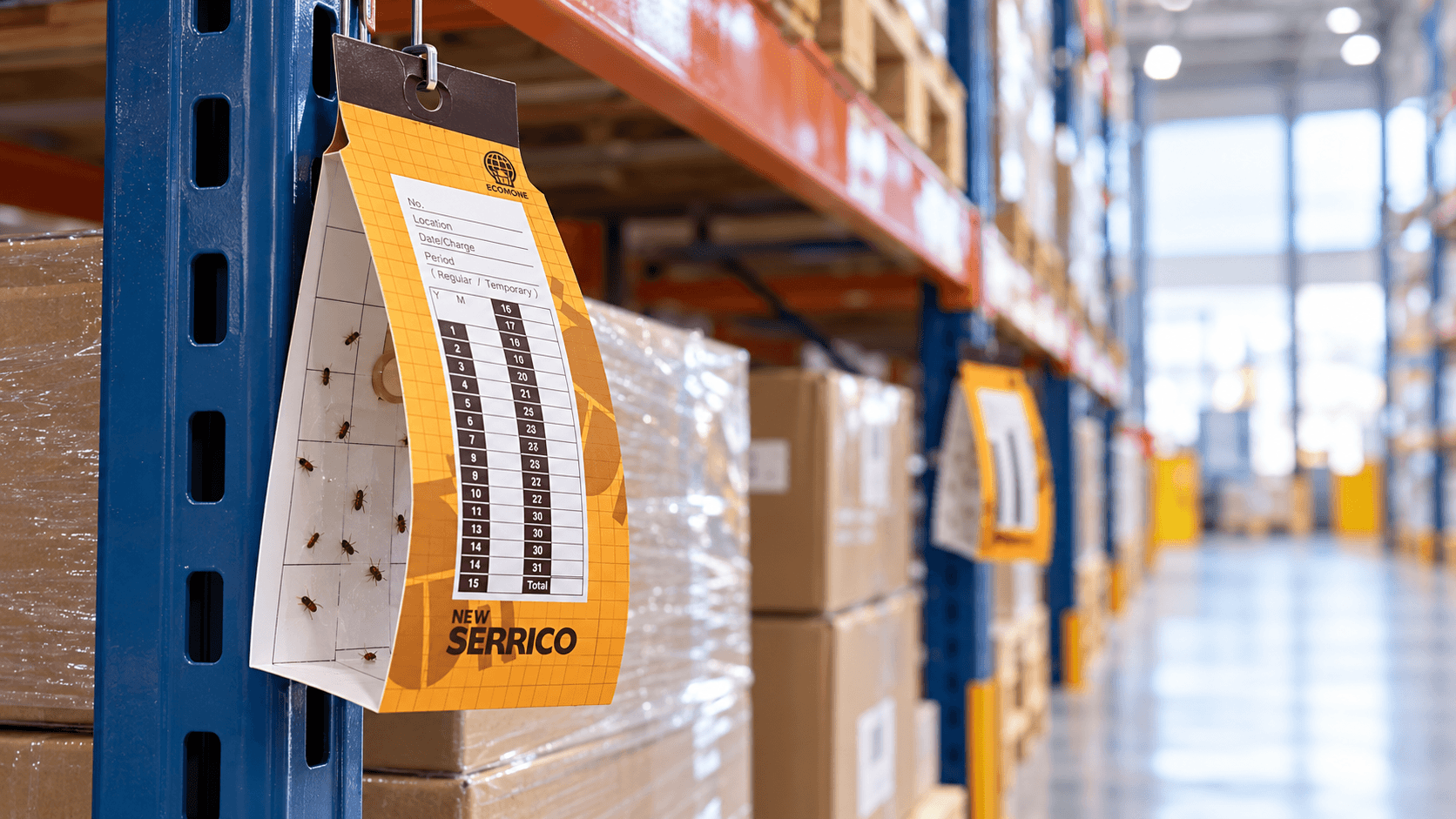
Pheromone traps: An insect monitoring solution for pest control
Bẫy Pheromone được ứng dụng trong kiểm soát dịch hại nhờ khả năng dẫn dụ…
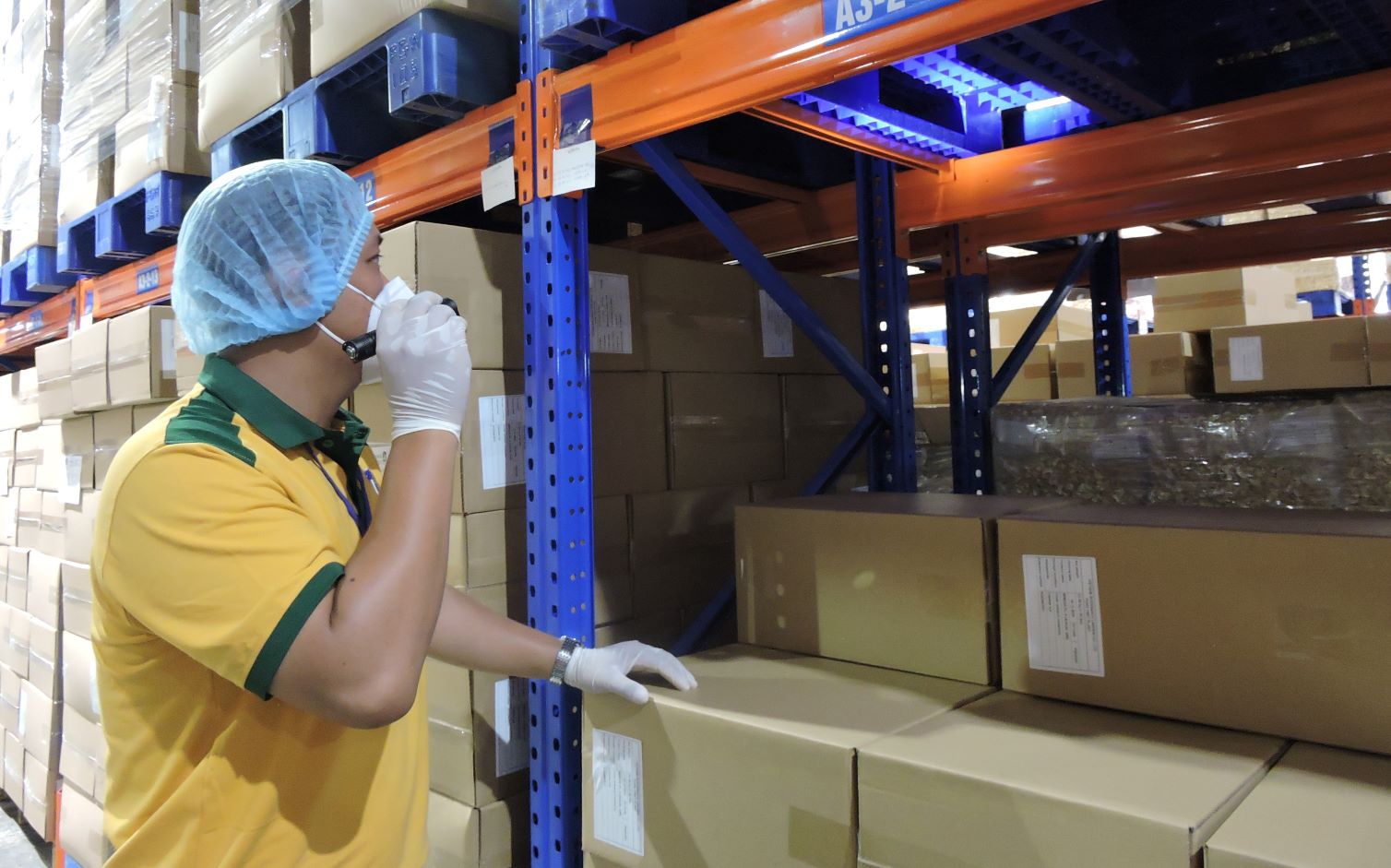
Phương pháp và quy trình kiểm soát côn trùng trong kho hàng hiệu quả
Kho hàng là nơi tập trung nguyên liệu, thành phẩm, bao bì, pallet và lượng…


Related news



Ready to eliminate audit risks and proactively protect customer experience & brand reputation?





Dear Valued Visitor,
To protect our clients' interests, all materials here are copyrighted and may not be reproduced without permission.
We appreciate your cooperation. Should you need to use our content professionally, please contact us directly.