





By VFC PestMan | 12-04-2026
Pest management is an important activity that helps businesses limit the presence of pests such as flies, mosquitoes, cockroaches, ants, beetles, rodents and other organisms that may affect products, assets and the operating environment.
Today, pest management methods no longer focus solely on chemical spraying to control insects. Modern pest management programmes often combine multiple measures to reduce the risk of pest occurrence, control pest density and maintain a stable environment over the long term.
Selecting an appropriate pest management method needs to be based on multiple factors, including the type of pest, level of occurrence, characteristics of the area requiring treatment, safety requirements and the business’s management standards.
1. Chemical pest control methods
Chemical pest control is one of the commonly used methods today, using specialised products to control or reduce pest density in areas requiring treatment.
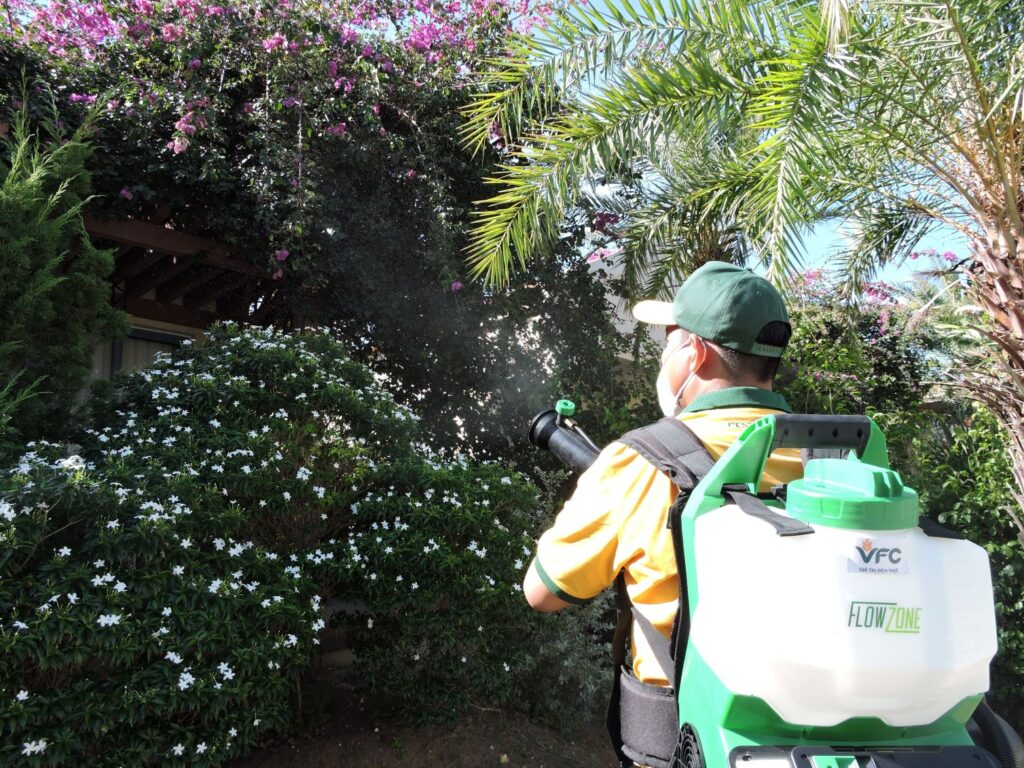
This method is commonly applied when rapid treatment is needed because pest density has increased significantly, or in areas where the source of pest activity has been clearly identified.
For example, businesses may use chemical treatment to control flies in waste collection areas, treat cockroaches in food-processing areas or control insects in warehouses.
However, the effectiveness of chemical control depends on several factors, including correct pest identification, appropriate product selection, treatment location and application technique. Improper chemical use may reduce control effectiveness or create risks related to occupational safety, products and the environment.
Therefore, in business environments, chemicals are generally considered one tool within an overall pest management programme rather than the sole solution. In practice, simply increasing spraying frequency does not necessarily address the cause of pest occurrence. Businesses can learn more about common misconceptions about insect control that can lead to recurring pest problems to avoid relying solely on immediate treatment.
2. Physical pest control methods
Physical pest control involves using measures to prevent or limit the ability of pests to enter, survive and develop through solutions related to design, structure and environmental conditions.
Common measures include installing insect screens, using insect light traps, controlling entrances, sealing gaps and improving sanitation conditions in risk areas. In areas with high levels of flying-insect activity, such as warehouses, receiving and dispatch doors and illuminated areas, insect light trap placement needs to be based on an actual site assessment.
You may also read: How to use LED light traps to control flying insects in warehouses and factories.
Physical control plays an important role in preventing pests from reaching production or storage areas. For example, a food-processing facility can reduce the risk of flying insects entering by managing door systems, air curtains or positioning insect-control devices at appropriate locations.
An advantage of this method is that it helps reduce reliance on chemicals and can maintain effectiveness over the long term when properly designed and operated.
3. Mechanical pest control methods
Mechanical pest control involves the use of tools or direct measures to capture, remove or restrict pests in areas requiring control.
This method is commonly applied to pests such as rodents, crawling insects and certain other pests that can be controlled using specialised devices.
For example, businesses may use rodent traps, monitoring bait stations, insect-control devices or inspection tools to monitor pest activity.
In professional pest management programmes, mechanical methods are used not only to remove pests but also to collect data on their activity levels. Through monitoring data, businesses can assess risk areas and adjust control measures accordingly.
When each trap or device is linked to a specific monitoring point, the data collected can help businesses identify areas with abnormal pest activity. You can see how VFC PestMan uses data and the Dashboard to monitor pest trends at individual control points.
4. Biological pest control methods
Biological pest control uses natural factors or biological mechanisms to limit the development of harmful organisms.
This method is commonly studied and applied in specialised control programmes, particularly in environments where reduced reliance on chemicals is required.
Biological control may include the use of antagonistic organisms, natural agents or mechanisms that affect the pest life cycle.
However, the use of biological control needs to be carefully evaluated based on environmental characteristics, pest type and actual conditions. Not every situation is suitable for the use of this method alone.
5. Pest control through environmental management
Environmental management focuses on eliminating factors that create favourable conditions for pests to develop, such as food sources, water, harbourage and entry points.
This is an important component of modern pest management programmes because many pests thrive only when environmental conditions are favourable.
For example, flies are often attracted to areas with organic waste, standing water or poorly controlled sanitation. Cockroaches often thrive in areas with high humidity, numerous gaps and readily accessible food sources. Within factories, these conditions are often concentrated around sanitation areas, drains, raw material warehouses, waste areas and utility lines.
>> You may also refer to: 5 cockroach hotspots in factories during hot and humid weather to identify areas that should be prioritised for inspection
Therefore, maintaining sanitation, managing waste, controlling incoming materials and improving the design of operating areas can contribute significantly to reducing the risk of pest occurrence.
6. IPM - Integrated Pest Management
IPM (Integrated Pest Management) is an approach that combines multiple control measures to manage pests proactively and over the long term.
Rather than treating pests only after they appear, IPM focuses on assessing causes, monitoring risks and selecting appropriate methods based on actual data.
An IPM programme usually begins with an assessment of current conditions, identification of pest species, evaluation of risk areas and development of a control plan.
During implementation, businesses may combine multiple methods such as physical, mechanical and chemical control, sanitation improvement and periodic monitoring.
For example, at a food-processing facility, an IPM programme may include inspection of production areas, monitoring of insect traps, control of entry points, sanitation assessment and treatment when abnormal signs are detected.
IPM helps businesses shift from the mindset of “eliminating pests when they appear” to “managing pest risks before problems arise.”
7. Which pest management method should businesses choose?
There is no single pest management method that is suitable for every business. The choice needs to be based on environmental characteristics, pest type, level of impact and management requirements.
In areas requiring rapid treatment, chemical control can play an important role in reducing pest density. However, to maintain long-term effectiveness, businesses need to combine chemical control with preventive and monitoring measures.
In sectors such as food, pharmaceuticals, logistics, hospitality and healthcare, IPM is often prioritised because it helps businesses establish a control system with defined procedures, monitoring data and continuous evaluation capability.
An effective pest management programme needs to be developed based on actual conditions rather than applying one fixed method to every situation.
When a business does not have a dedicated in-house team, it may need a specialist provider to assess risks and coordinate appropriate control methods. Before selecting a provider, businesses should review 3 criteria for choosing a PCO based on IPM capability, monitoring data and long-term support capability.
8. Frequently asked questions
Which pest management method is the most effective?
There is no single pest management method that is effective in every situation. The appropriate method depends on the pest type, operating environment and level of risk. In many businesses, combining multiple measures under an IPM approach often provides more stable pest control.
Does pest management always require the use of chemicals?
No. Pest management can combine multiple methods, including physical control, mechanical control, environmental management and chemical treatment when necessary.
Why should businesses implement IPM?
IPM helps businesses manage pests based on risk assessment, monitoring data and preventive measures rather than treating pests only after an incident occurs.
Which pest management method should food-processing facilities use?
Food-processing facilities generally need a systematic pest management programme that combines monitoring, prevention and appropriate treatment to meet hygiene and product-safety requirements.
Current pest management methods include several groups of solutions, such as chemical, physical, mechanical and biological control, as well as Integrated Pest Management (IPM). Each method has a specific role and needs to be selected based on the actual characteristics of each environment.
For businesses, effective pest management needs to focus on prevention, monitoring and long-term risk management rather than treatment only after a problem has occurred.
If businesses are looking for a pest control company for businesses, need to survey the current pest situation or build a control program suitable for a factory, warehouse, hotel, or building, VFC PestMan can assist with on-site evaluation and propose solutions based on actual risks.
Hotline: (+84) 932669883
Email: contact@pestman.vn


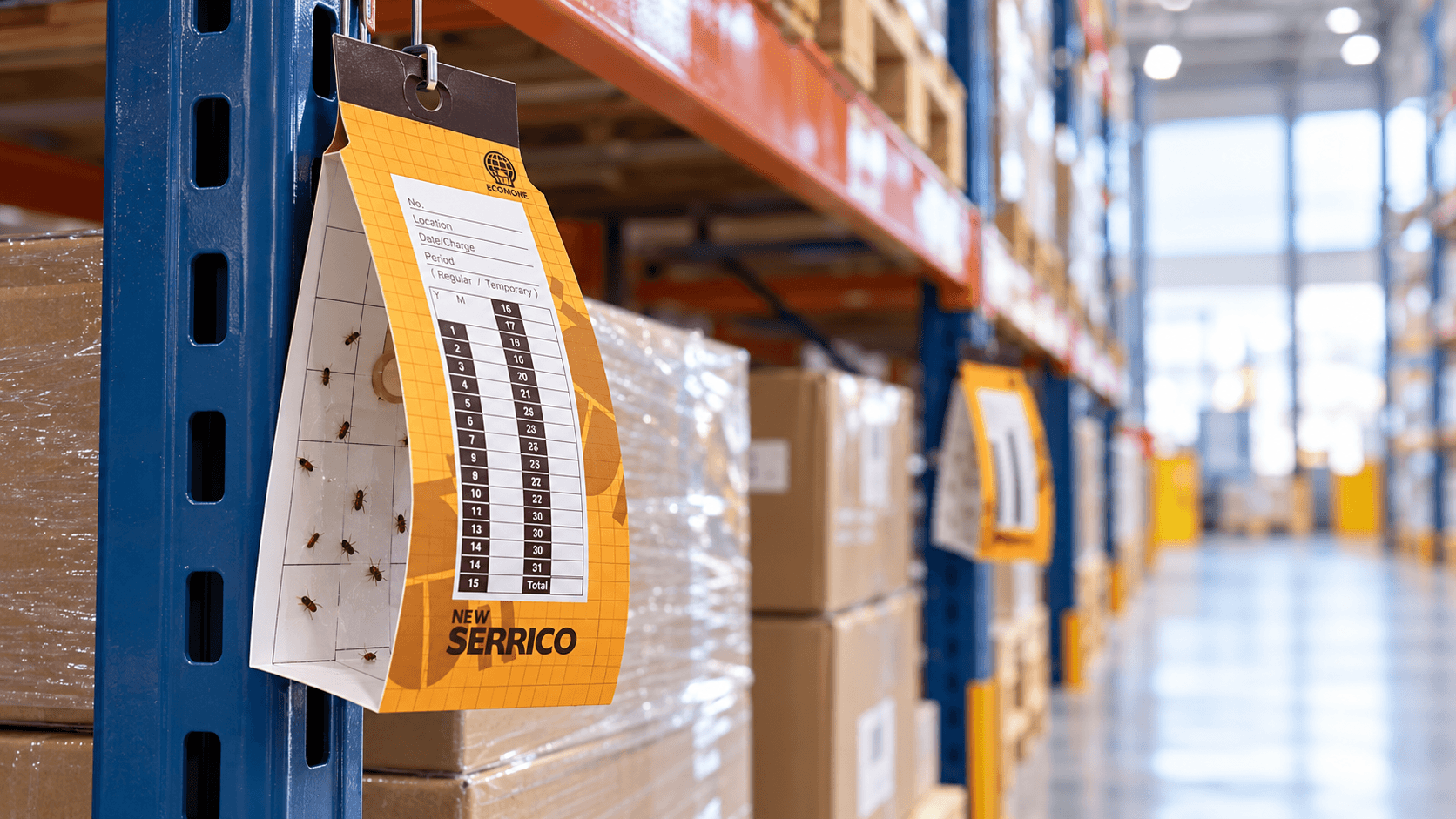
Pheromone traps: An insect monitoring solution for pest control
Pheromone traps are applied in pest control due to their ability to attract...
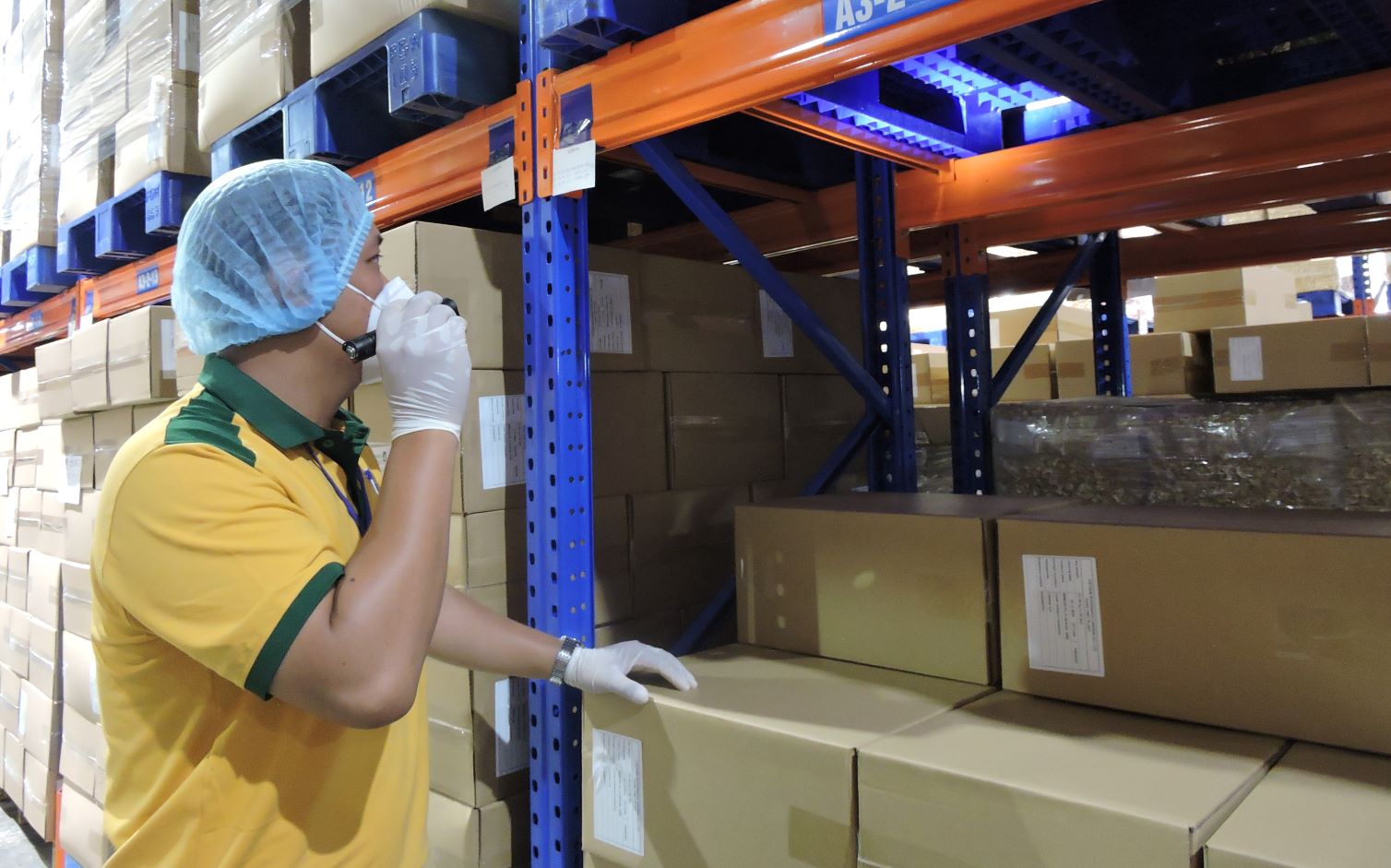
Effective methods and processes for warehouse pest control
Kho hàng là nơi tập trung nguyên liệu, thành phẩm, bao bì, pallet và lượng…
Related news



Ready to eliminate audit risks and proactively protect customer experience & brand reputation?





Dear Valued Visitor,
To protect our clients' interests, all materials here are copyrighted and may not be reproduced without permission.
We appreciate your cooperation. Should you need to use our content professionally, please contact us directly.