





By pestman | 25-03-2026
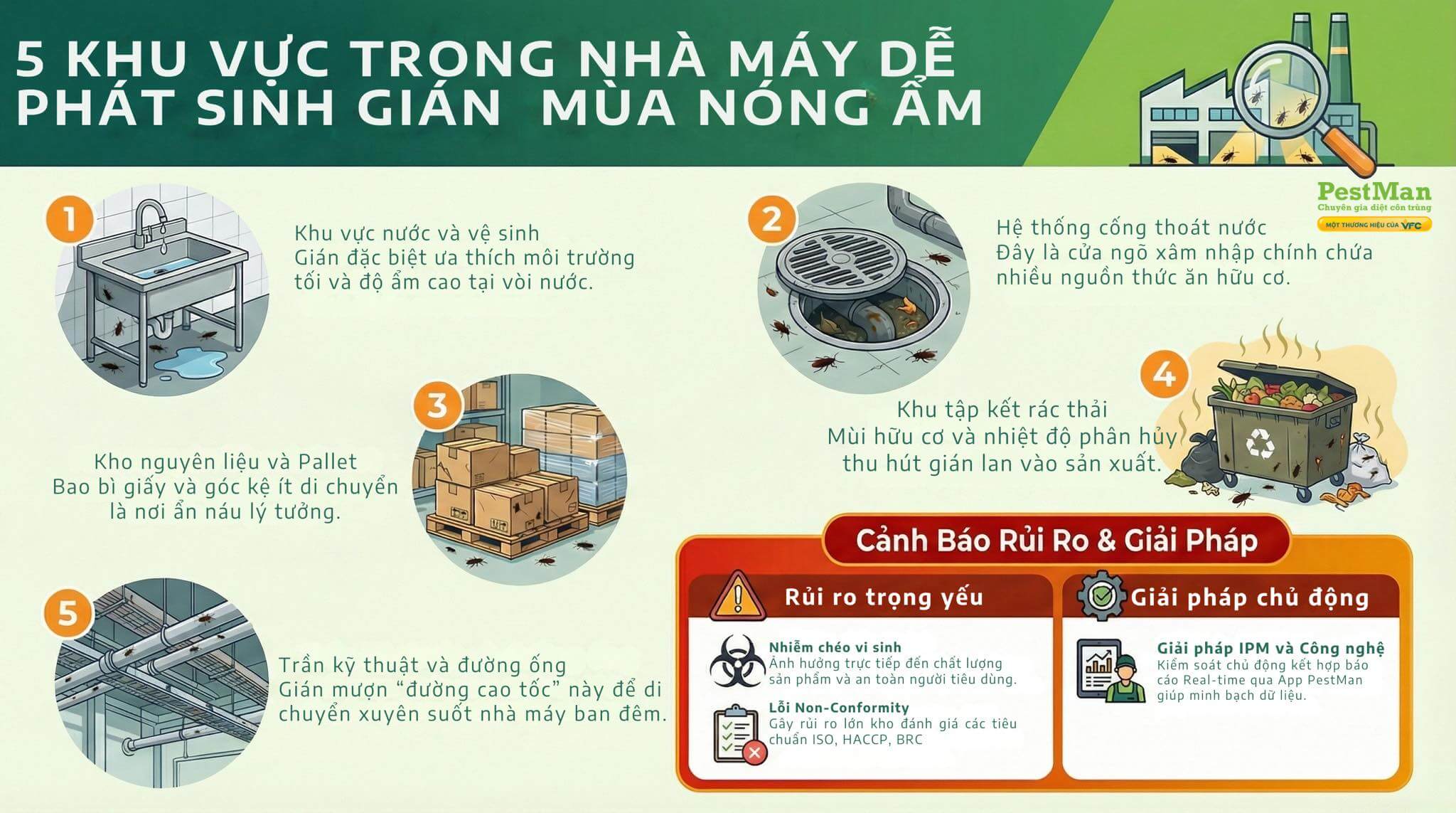
Are you looking for ways to effectively control cockroaches in factories during the hot and humid season? This is an ideal time for cockroaches to breed and strongly invade production areas, causing a series of risks to hygiene, quality and food safety standards. Correctly identifying critical areas is the first and most important step to build a solid defense barrier. Below are 5 cockroach hotspots in factories that managers and the QA/QC department need to pay special attention to.
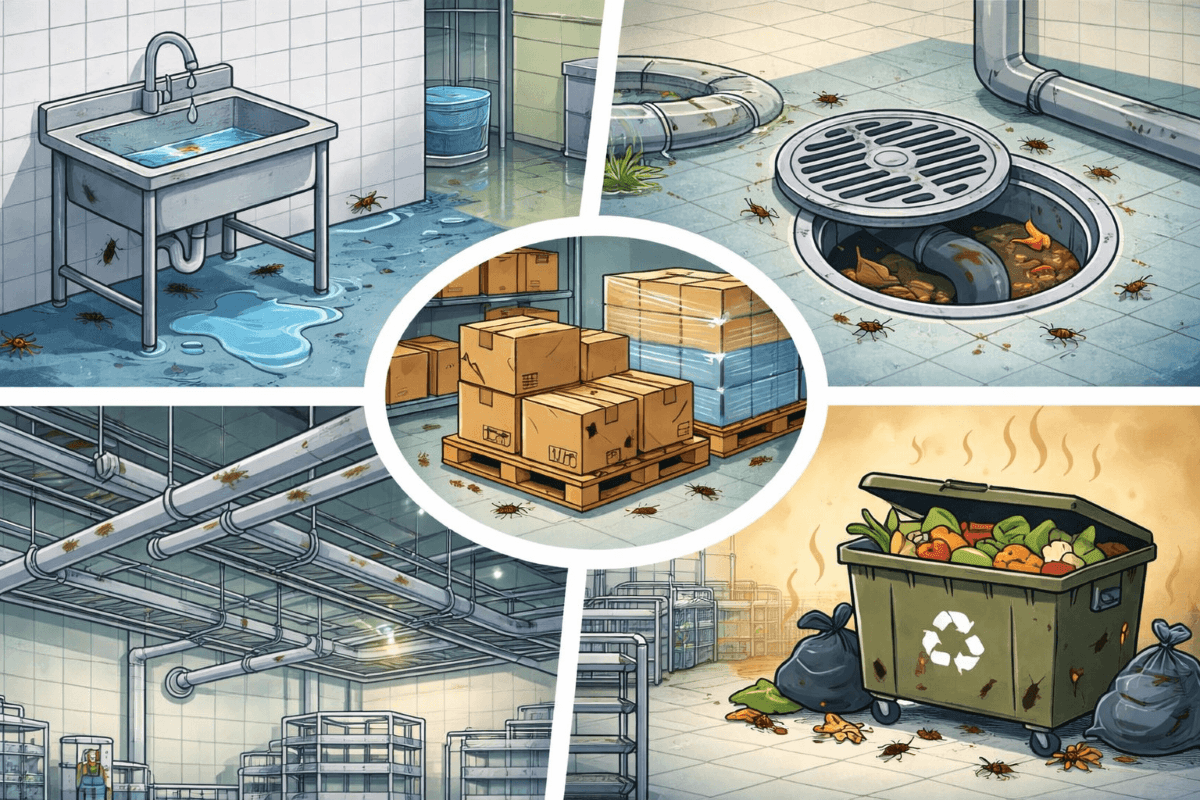
1. Water and sanitation area – The damp paradise of cockroaches
Cockroaches are insects with intense survival capabilities. They can fast for many weeks, but will quickly die if lacking water for a few days. Therefore, cockroaches usually look for locations with dark corners and high humidity, especially at water taps, sinks or workers' common living areas.
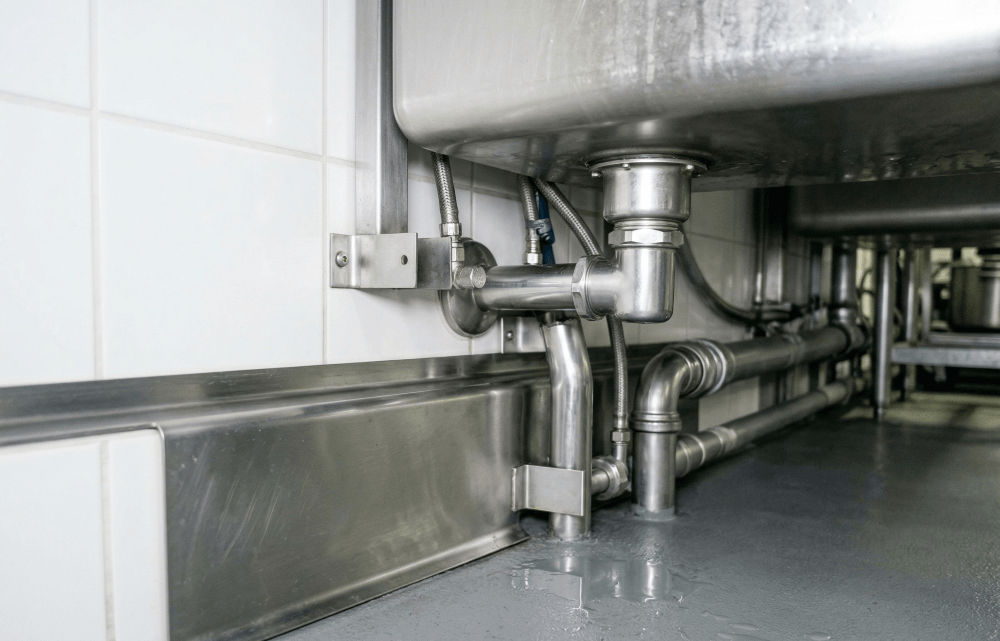
In factory environments, these areas regularly accumulate water due to tool washing activities, pipe leaks or because the ventilation system is not enough to dry the space. This wet environment not only provides an ideal source of drinking water but also creates excellent temperature conditions for cockroaches to reproduce.
To control this area, factories need to repair leaking water taps, keep sanitation areas always dry and ventilated, and simultaneously apply deep cleaning measures to completely eliminate dirt residue that can serve as food for cockroaches.
2. Drainage system – The main entry gateway
Underground drainage systems and drainage trenches on factory floors are the ideal "tunnels" for insects. This is the main entry gateway containing a lot of organic food sources for cockroaches.
During the production process, especially at food processing or pharmaceutical factories, raw material crumbs, residue and grease flowing down the drain will accumulate into a biofilm layer. This layer is an endless source of nutrients for cockroaches and flies.
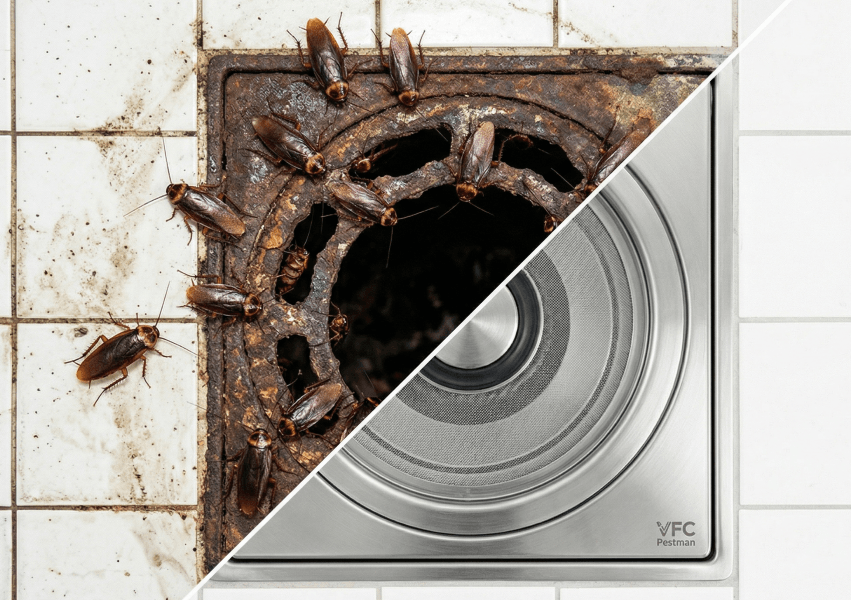
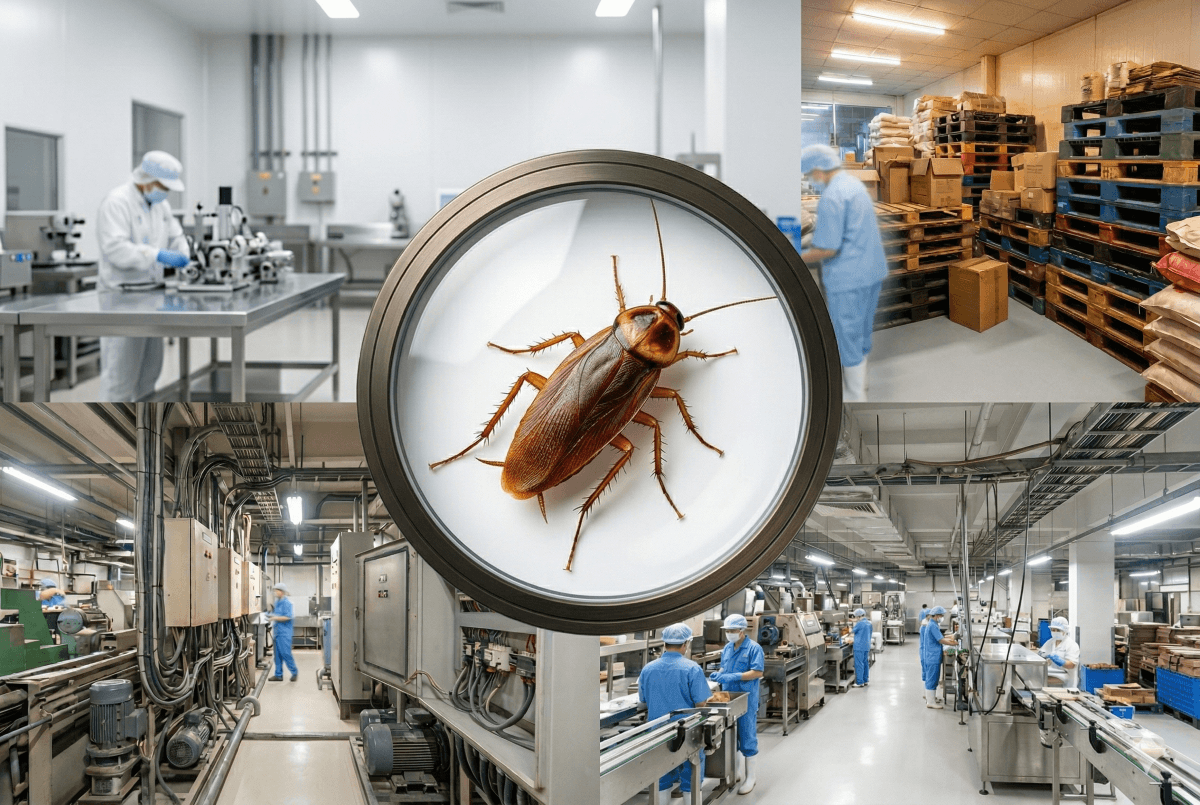
American cockroaches, one of the most common cockroach species in industrial parks, usually live and develop strongly under underground drains before crawling up to production areas through sewer covers that are not carefully shielded.
To prevent risks from this area, factories need to be equipped with odor-blocking and one-way insect-proof sewer covers. In addition, using microbial products to decompose the organic layer in pipes and periodically cleaning drains is an indispensable part of a standard industrial hygiene process.
3. Raw material warehouse and pallets – Discreet hiding places
Raw material warehouses and finished product storage areas are usually large spaces, containing many goods and sometimes lacking natural light. For cockroaches, packaging made of paper, carton and wood shelf corners that are rarely moved or impacted is the most ideal hiding place. ockroaches have the ability to flatten their bodies to squeeze into extremely small gaps between cargo boxes or under pallet feet.
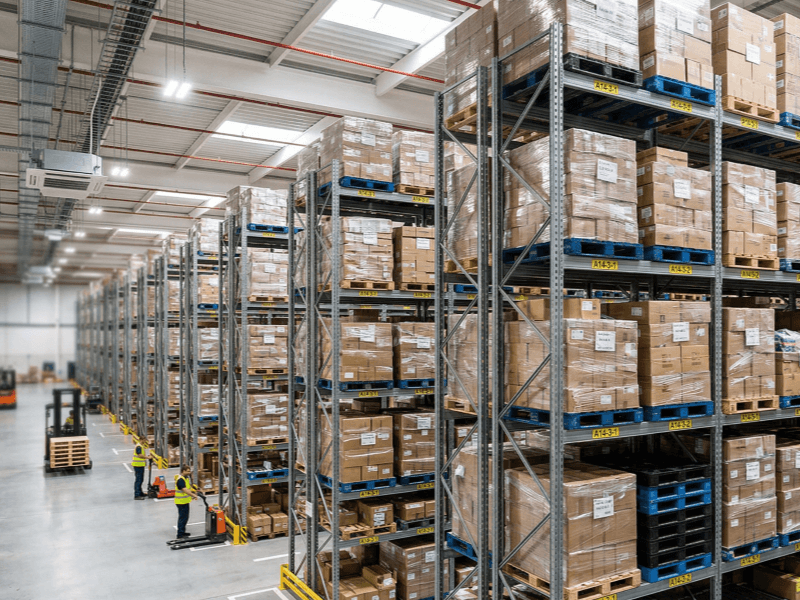
A little-known point is that the glue used in carton boxes or paper wraps contains a lot of starch – another attractive food source for cockroaches. When goods (especially raw materials imported from outside) are brought into warehouses on wooden pallets, they can inadvertently carry cockroach eggs or adult cockroaches deep inside the factory.
To minimize risks, the warehouse management principle "first in - first out" (FIFO) needs to be strictly complied with to avoid goods stagnating for too long. Besides, modern factories are gradually switching to using easy-to-clean plastic pallets and designing cargo shelves at least 15-20cm off the ground for easy inspection and sweeping.
4. Waste collection area – The insect-attracting magnet
No factory operates without generating waste. The waste collection area, including both domestic waste and production waste, is the most prone to pest outbreak hotspot. Under hot and humid weather conditions, organic odors and temperature from the waste decomposition process will quickly spread, becoming a "magnet" attracting cockroaches and thereby creating conditions for them to spread deep into production areas.
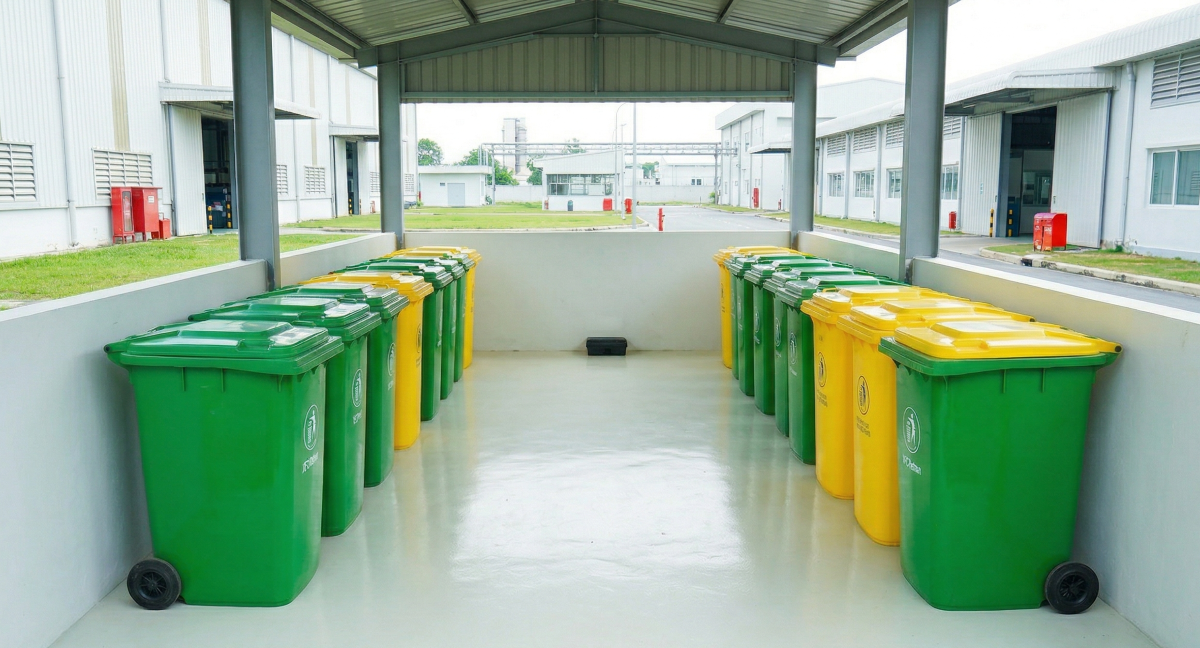
Cockroaches have a very keen sense of smell, they can detect the odor of decomposing food from a very long distance. If the waste area is placed too close to air vents, main entrances or not cleaned regularly, cockroaches will concentrate on breeding here and then invade inside the workshop to search for more new food sources.
Pest control and insect eradication experts always recommend that factories must arrange the waste area far away from the main production building. Waste containers must have tight lids, no leakage of leachate, and this entire area needs to be scrubbed and disinfected periodically to cut off the food supply chain of insects.
5. Technical ceilings and pipelines – The "highway" throughout the factory
Have you ever wondered how cockroaches can appear in departments with completely closed doors? The answer lies in the technical ceiling system and the tangled pipeline network above our heads. Cockroaches are so smart that they know how to borrow these "highways" to move and travel throughout the factory structure at night without being detected.
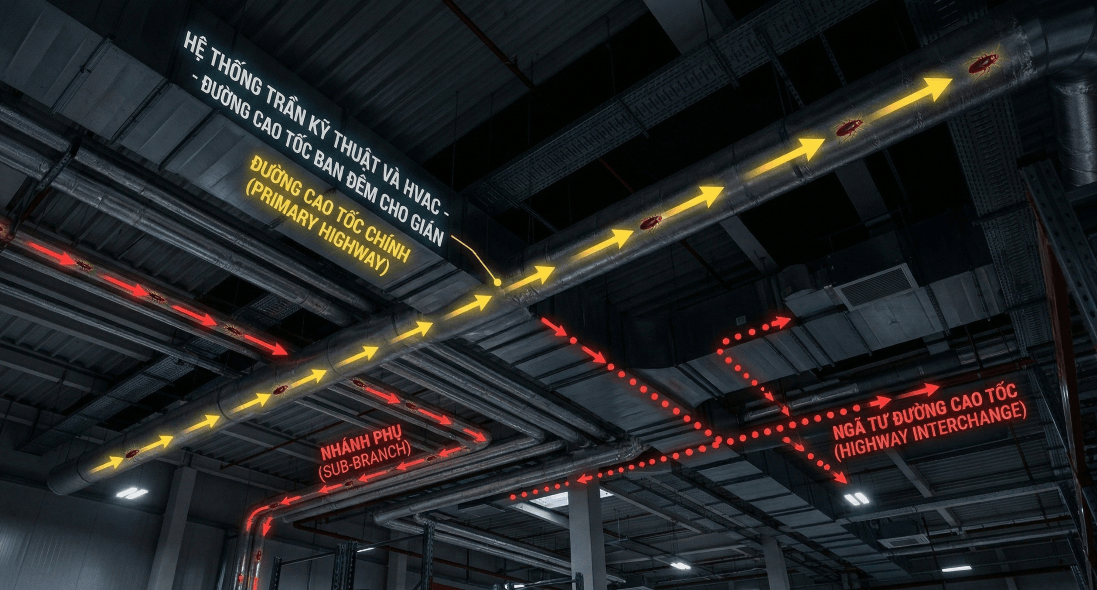
False ceilings, electric cable trays, ventilation pipe systems (HVAC) or cold water pipelines regularly have dew condensation, providing darkness, safety and water sources for cockroaches. Because these are areas hidden from view, rarely cleaned, cockroaches can freely build huge "colonies" on the ceiling.
To thoroughly handle, the maintenance department needs to regularly check insulation wraps, seal all holes at intersection points between pipes and walls, and simultaneously coordinate with the insect control unit to establish trap stations or biological gel baits on these pathways.
6. What risks will occur if cockroaches are not controlled in factories?
The presence of cockroaches is not simply an aesthetic issue or a feeling of discomfort. In industrial environments requiring high sterility, cockroaches bring risks directly affecting the survival of the enterprise:
Microbial cross-contamination: Cockroaches travel from highly contaminated areas such as drains and garbage zones into clean processing areas. Their droppings, saliva, and shed body parts carry millions of harmful bacteria such as Salmonella and E. coli, directly compromising product quality and consumer health safety. The consequences may include large-scale product recalls, financial losses worth billions of VND, and severe damage to customer trust.
Non-conformity violations: During strict quality audits conducted by international organizations or purchasing partners, the presence of insects is considered a critical failure point. The detection of cockroaches can result in failing important standards such as ISO, HACCP, BRC, or cGMP. Once this major non-conformity is identified, factories may face production suspension, loss of export contracts, and significant costs and time required for corrective actions and recertification.
7. Proactive cockroach control solution with VFC PestMan
To deal with insects with enduring vitality like cockroaches, traditional chemical spraying measures (instant killing) no longer bring sustainable efficiency, even causing a risk of chemical residue on products. Understanding those risks, VFC PestMan brings factories a comprehensive pest control ecosystem.
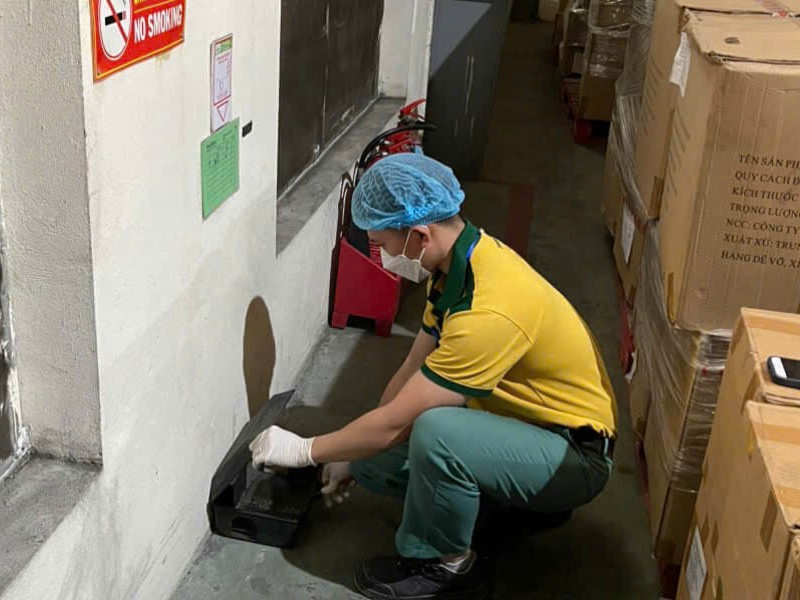
Our core solution is the application of the Integrated Pest Management (IPM) approach combined with the power of technology. Rather than simply eliminating pests, IPM focuses on proactively controlling insect life cycles through environmental improvement, blocking entry points, and applying safe biological and chemical treatments only when truly necessary.
Furthermore, VFC PestMan stands out through its proactive pest management system integrated with real-time reporting via the PestMan App, ensuring complete data transparency. All inspection activities, insect capture records by area, pest trend analytics, and infrastructure repair recommendations are updated instantly on managers’ mobile devices. This data serves as clear and professional evidence, allowing factories to confidently prepare for any audit conducted by organizations such as ISO, HACCP, or BRC.
In summary, controlling cockroaches in factories during the hot and humid season is a battle that requires close coordination between maintaining internal hygiene and applying professional control measures. Don't let a few tiny cockroaches break the entire quality chain that your business has painstakingly built. Contact VFC PestMan today for advice on establishing the most solid, safe and effective IPM protection barrier.
Read more: VFC PestMan Insect Control Services.


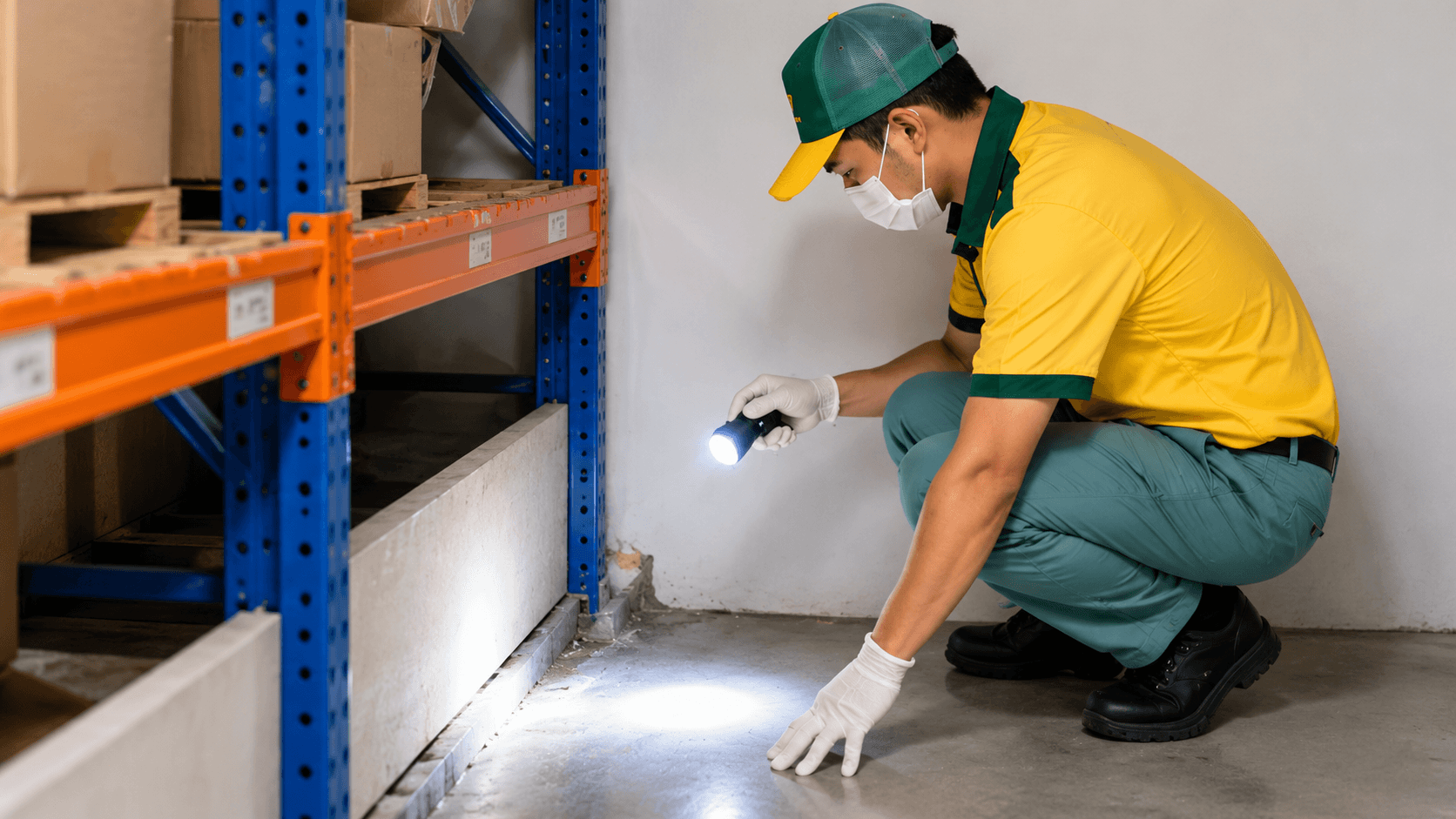
Mistakes that cause insects to recur in warehouses
Insects in warehouses can affect the quality of goods, efficiency, ...
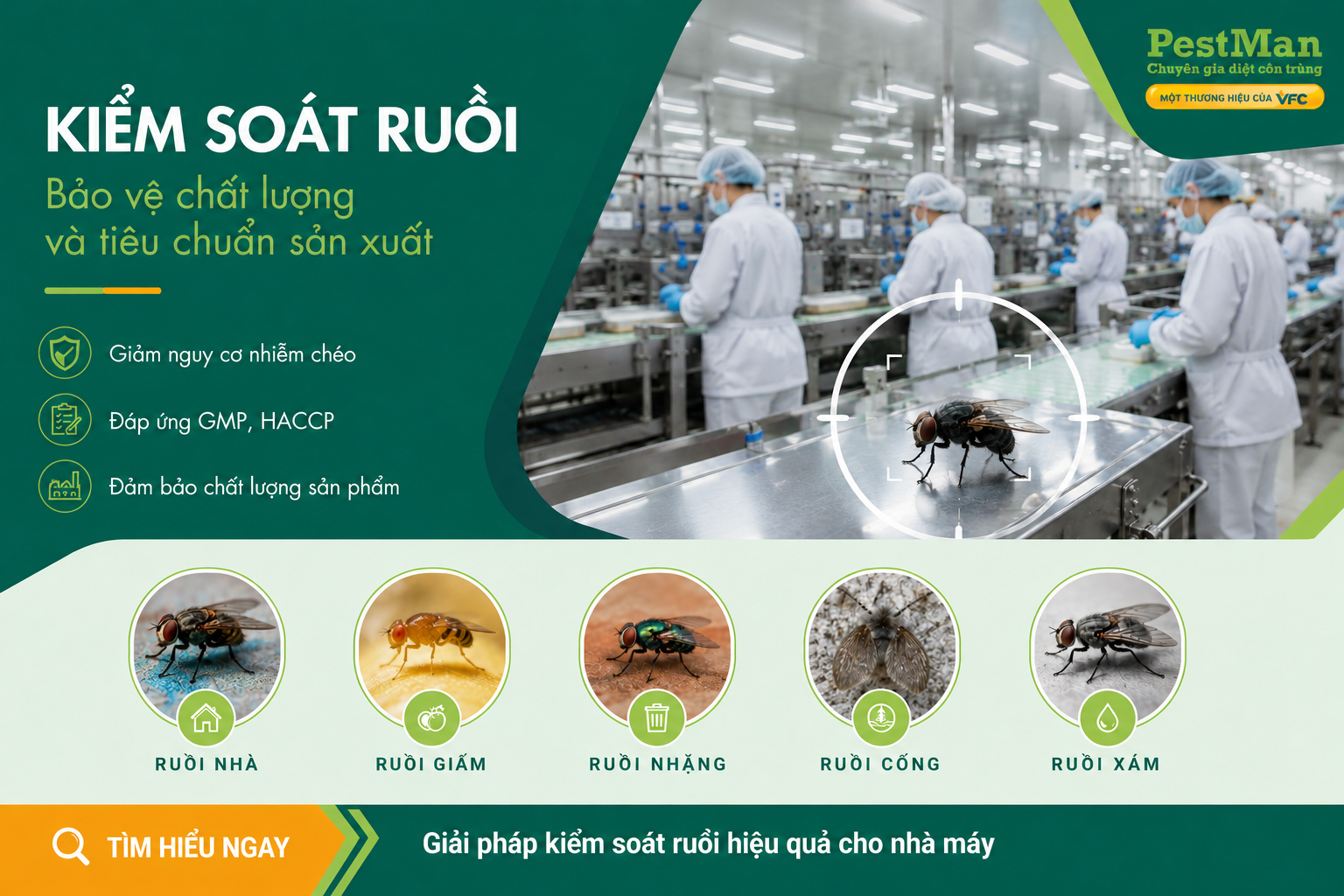
Effective fly control in factories: Identifying the right species for root-cause treatment
In manufacturing environments, especially in food and beverage factories…
Related news

Ready to eliminate audit risks and proactively protect customer experience & brand reputation?





Dear Valued Visitor,
To protect our clients' interests, all materials here are copyrighted and may not be reproduced without permission.
We appreciate your cooperation. Should you need to use our content professionally, please contact us directly.