





By VFC PestMan | 24-09-2026
The presence of reptiles in homes, factories, warehouses, or production facilities is not only a sign of pest-related risks but may also indicate the potential transmission of several dangerous diseases. Understanding diseases associated with reptiles and the appropriate preventive measures helps businesses and households proactively protect human health and maintain a safer environment.
1. Understanding How Diseases Associated with Reptiles Are Transmitted
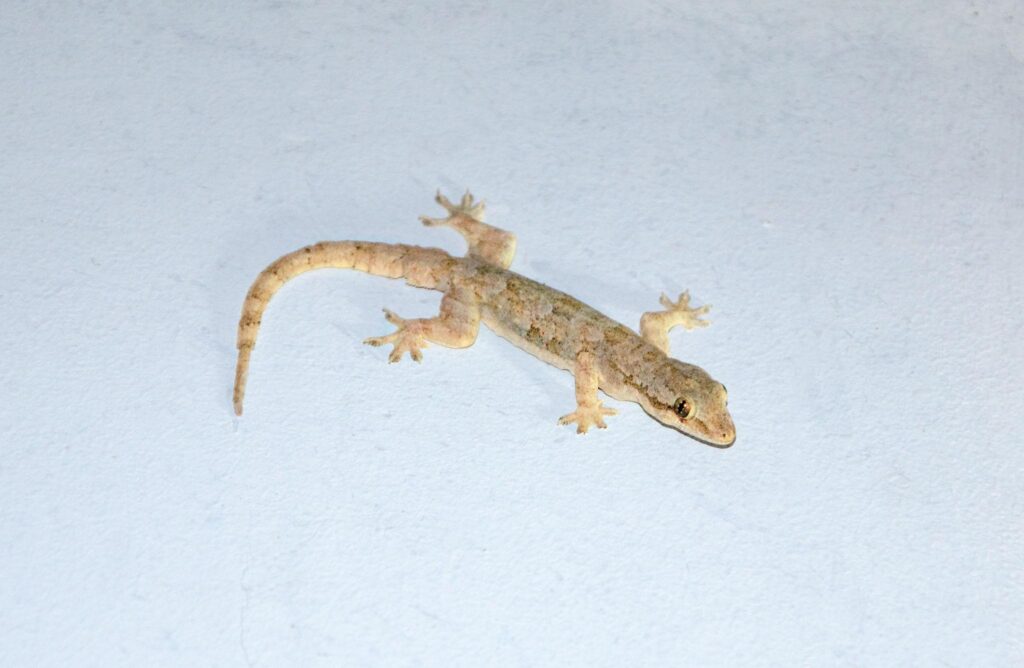
Many people mistakenly believe that disease transmission can only occur through direct contact with reptiles. In reality, the transmission mechanisms of diseases associated with reptiles are more complex. Reptiles may carry bacteria, viruses, and parasites on their skin, scales, and within their digestive systems.
Transmission mainly occurs indirectly. Reptiles release microorganisms into the surrounding environment through feces, urine, and other bodily secretions. As they move through warehouses, offices, or living areas, these pathogens may remain on floors, equipment, household items, or even water sources.
People may become infected after touching contaminated surfaces and then touching their mouths, or when pathogens contaminate food, containers, bottles, or eating utensils. In industrial environments, where hidden corners and high humidity are common, these conditions may allow pathogens to survive and multiply for extended periods, creating a silent infection risk for employees.
2. Four Common Diseases Associated with Reptiles That Require Particular Attention
Salmonella – A Risk of Gastrointestinal Infection
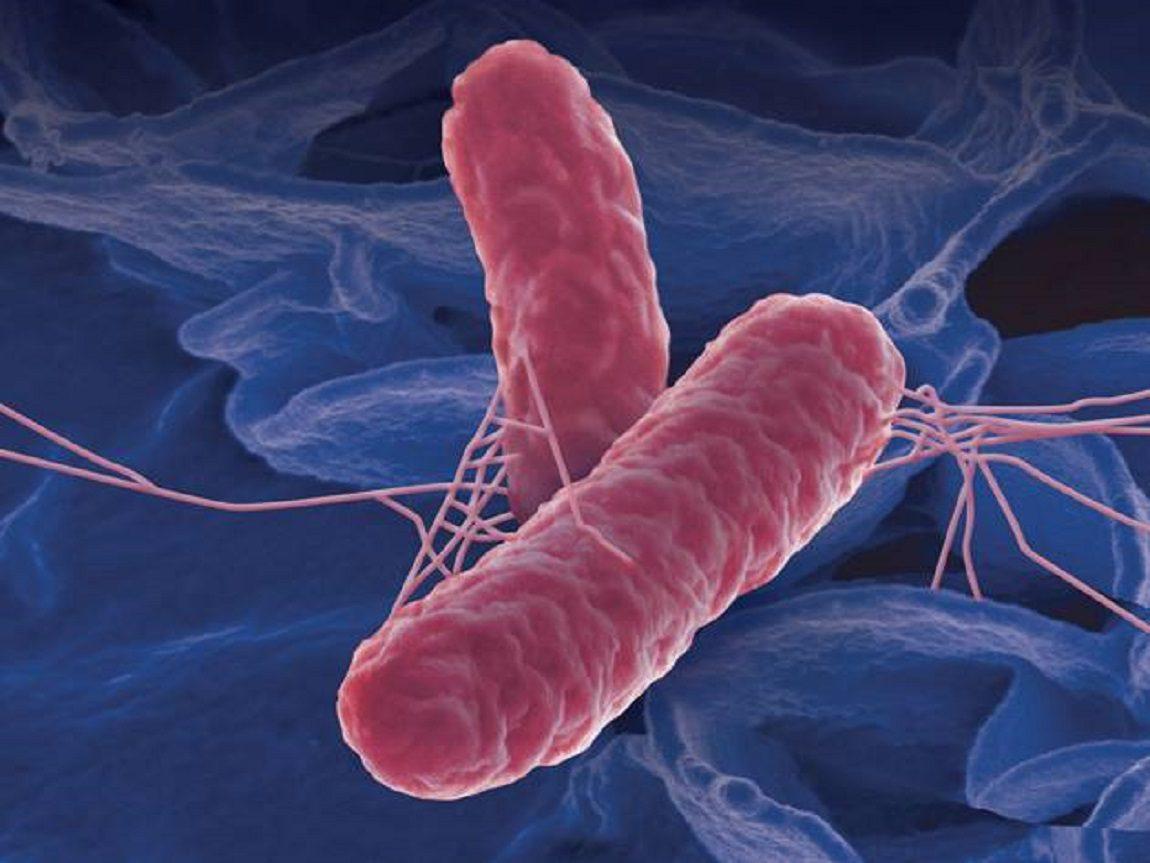
Salmonella is the pathogen most commonly associated with diseases linked to reptiles. Snakes, turtles, lizards, geckos, and many other reptiles may carry the bacteria in their digestive systems while appearing completely healthy. The bacteria are excreted through feces and may then spread to the reptile’s skin, feet, shell, tank water, and surrounding surfaces.
People may become infected with Salmonella after touching a reptile or a contaminated area and then placing their hands near their mouths, eating, or handling food. Young children are at greater risk because they frequently touch their faces and may not yet have well-established hygiene habits.
Common symptoms include diarrhea, abdominal pain, fever, nausea, and fatigue. Severe cases may lead to dehydration or invasive infection. Young children, older adults, and people with weakened immune systems are more likely to develop complications than healthy adults.
Importantly, infection does not only occur when a person holds or catches a reptile. Lizard droppings on shelves, water from turtle tanks, floor-cleaning cloths, or tools used to clean reptile areas may all become indirect sources of transmission.
In restaurants, commercial kitchens, food factories, or raw-material warehouses, the presence of reptile droppings also creates a cross-contamination risk for packaging, ingredients, and food-contact surfaces. Simply wiping away visible waste with a dry cloth is not sufficient to control the risk. The affected area should be isolated, the waste should be collected safely, and the surface should be properly cleaned and disinfected according to an appropriate procedure.
Clostridium Poisoning – A Serious Threat to the Nervous System
Clostridium is a group of spore-forming bacteria that are widely present in soil, mud, sediment, decaying organic matter, and oxygen-deficient environments. Among them, the toxin produced by Clostridium botulinum can cause botulism, a rare but serious condition that directly affects the nervous system.
Botulinum toxin interferes with signal transmission between nerves and muscles. Affected individuals may experience blurred vision, difficulty speaking, difficulty swallowing, muscle weakness, paralysis, and respiratory failure. This condition requires emergency medical care and cannot be treated through ordinary hygiene measures or common medications.
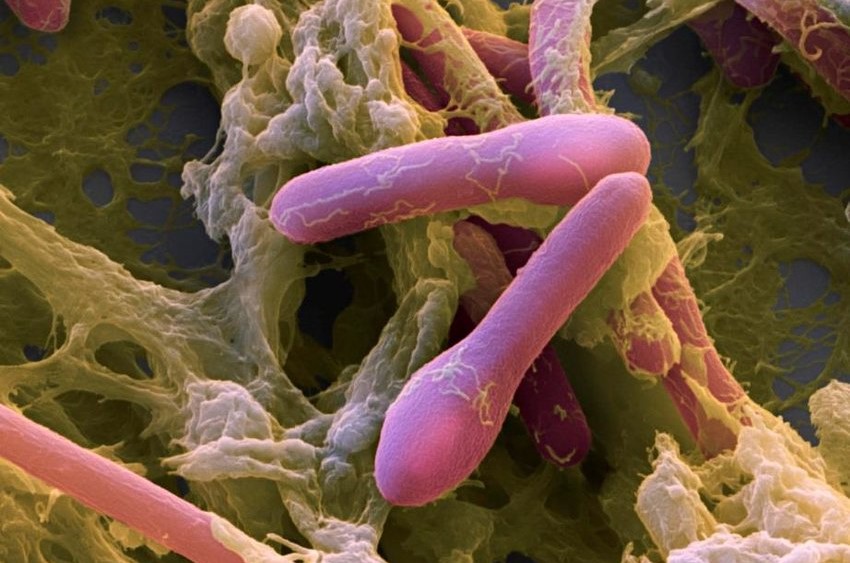
When discussing diseases associated with reptiles, it is important to understand that reptiles are not considered a common direct source of botulism in humans. The bacteria and their spores may exist in the same soil, mud, or stagnant-water environments where reptiles live. However, human botulism is more commonly associated with consuming toxin-contaminated food, intestinal colonization in infants, or toxin formation in wounds.
The risks in areas where reptiles appear often stem from general environmental conditions: stagnant water, decomposing animal carcasses, leftover food, organic sludge, and unsanitary areas. Such an environment attracts reptiles, insects, and other animals, while also creating conditions for the growth of various microbial groups.
The French Agency for Food, Environmental and Occupational Health & Safety, ANSES, states that the risk of direct animal-to-human transmission of botulism is considered very low. Therefore, it is inaccurate to claim that simply touching a turtle or lizard can cause botulism. The risk should instead be managed at the environmental, food, and decomposing-organic-matter levels.
For food production and food-service facilities, the detection of reptiles should be treated as a warning sign of potential weaknesses in sanitation and building structure. Water sources, drainage systems, waste collection areas, spoiled food, and animal carcasses should be inspected rather than focusing only on removing the visible reptile.
Campylobacter Infection – A Cause of Sudden Health Deterioration
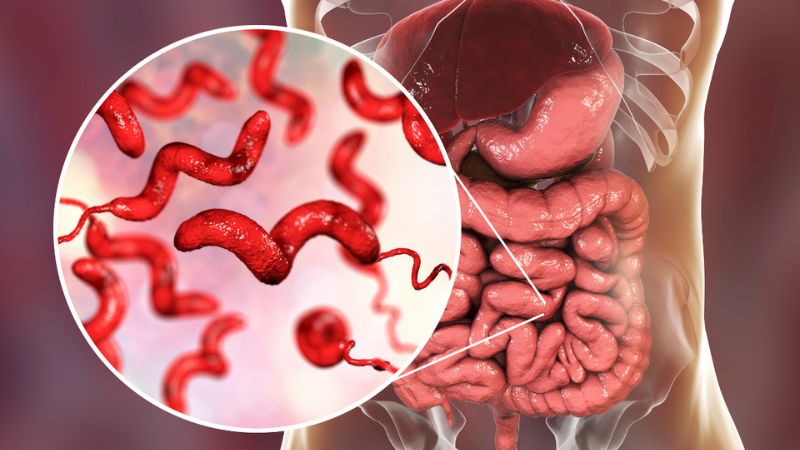
Campylobacter is a group of bacteria that causes gastrointestinal illness in humans. These bacteria are found in the intestinal tracts of many animals and may be present without causing obvious symptoms in the host. Some studies have identified potentially pathogenic Campylobacter species in snakes, lizards, and reptiles kept as pets.
People may become infected after accidentally ingesting contaminants from feces, water, or polluted surfaces. In practice, undercooked poultry and cross-contaminated food remain more common sources of Campylobacter infection. Nevertheless, environments where reptiles are present still require proper management, especially when feces or waste is found near food preparation and dining areas.
Symptoms may include diarrhea, abdominal cramps, fever, nausea, and fatigue. The illness typically develops several days after the bacteria enter the body. Most people recover, but some cases may become severe or lead to complications, especially in individuals with weakened immune systems.
To reduce the risk of reptile-associated disease linked to Campylobacter, anyone cleaning contaminated areas should wear gloves, avoid dispersing feces and dust, and wash their hands with soap after completing the task. The same cleaning cloth should never be used for both reptile-contaminated areas and food preparation surfaces.
In business environments, it is important to determine why reptiles are able to enter indoor areas. Lizards often follow insect activity, while snakes may appear where rodents, frogs, or dense vegetation are present. Removing the reptile without controlling its food sources and access points may allow the problem to recur.
Leptospirosis – A Risk from Indirect Environmental Exposure
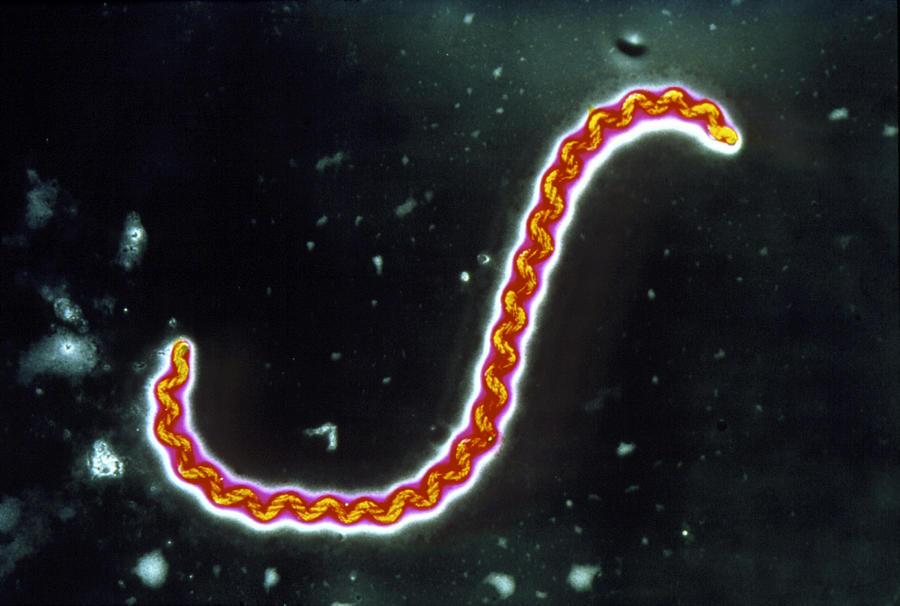
Leptospirosis, caused by bacteria of the genus Leptospira, is a zoonotic disease that can be transmitted from animals to humans. The bacteria are commonly shed in the urine of infected animals, contaminating soil, mud, and water sources. People may become infected when contaminated water or soil comes into contact with open wounds, the eyes, nose, or mouth.
Rodents and certain mammals are considered the most important reservoirs. The role of reptiles in the transmission cycle of Leptospira is still being studied. Scientists have detected pathogenic bacteria or evidence of exposure in some turtles, snakes, and reptile–amphibian species, but there is not yet sufficient evidence to classify reptiles as common transmission sources equivalent to rodents.
Therefore, when assessing diseases associated with reptiles in a building, it is important not to overlook the possibility that rodents or other wild animals may also be present. Reptiles may appear because the area provides water, food, and shelter, and these same conditions may also support the survival of Leptospira.
Early symptoms may resemble influenza and include fever, headache, muscle pain, chills, nausea, and fatigue. Severe cases may affect the liver, kidneys, lungs, or the membranes surrounding the brain. Anyone who has been exposed to dirty water, mud, animal urine, or flooded areas and later develops symptoms should seek medical evaluation.
In warehouses, factories, or consistently damp areas, the presence of snakes or lizards may indicate that the building’s pest ecosystem is not under control. Rodents, insects, stagnant water, organic waste, and drainage systems should be assessed together so that the underlying cause can be addressed rather than merely treating the visible symptom.
3. Scientific Hygiene Measures for Effective Control of Diseases Associated with Reptiles
Preventing diseases associated with reptiles should not be limited to repelling or capturing individual animals. A sustainable solution requires a combination of sanitation, food-source control, entry-point exclusion, and regular monitoring.
First, never touch reptile droppings, carcasses, or contaminated items with bare hands. Cleaning personnel should use suitable gloves. If there is a risk of waste splashing toward the face, protective eyewear and a mask should also be worn. Cuts or abrasions on the hands should be covered with waterproof dressings.
Waste should be lightly moistened with an appropriate cleaning solution before collection to reduce the spread of dust and pathogens. Dry sweeping or blowing compressed air directly onto areas containing droppings should be avoided. After visible contamination has been removed, the surface should be cleaned before disinfection is carried out.
You may also be interested in: Pest control methods for factories, hospitals, and schools
All tools used in contaminated areas should be kept separate from those used on dining tables, food preparation areas, or food-contact surfaces. Disposable cloths should be placed in sealed bags after use. Reusable equipment must be cleaned and disinfected once the task is completed.
Washing hands with soap and running water is essential. This should be done immediately after touching reptiles, waste, tanks, equipment, or areas suspected of contamination. Children under five, adults over 65, and people with weakened immune systems should limit contact with reptiles and their habitats because they are at greater risk of developing severe illness.
For restaurants, hotels, factories, and warehouses, gaps around doors, pipes, ventilation openings, and roofs should be sealed. Screens should have suitable mesh sizes, be securely fixed, and be inspected regularly. Tree branches, climbing plants, or materials positioned close to walls should be removed because they may create access routes for lizards and snakes.
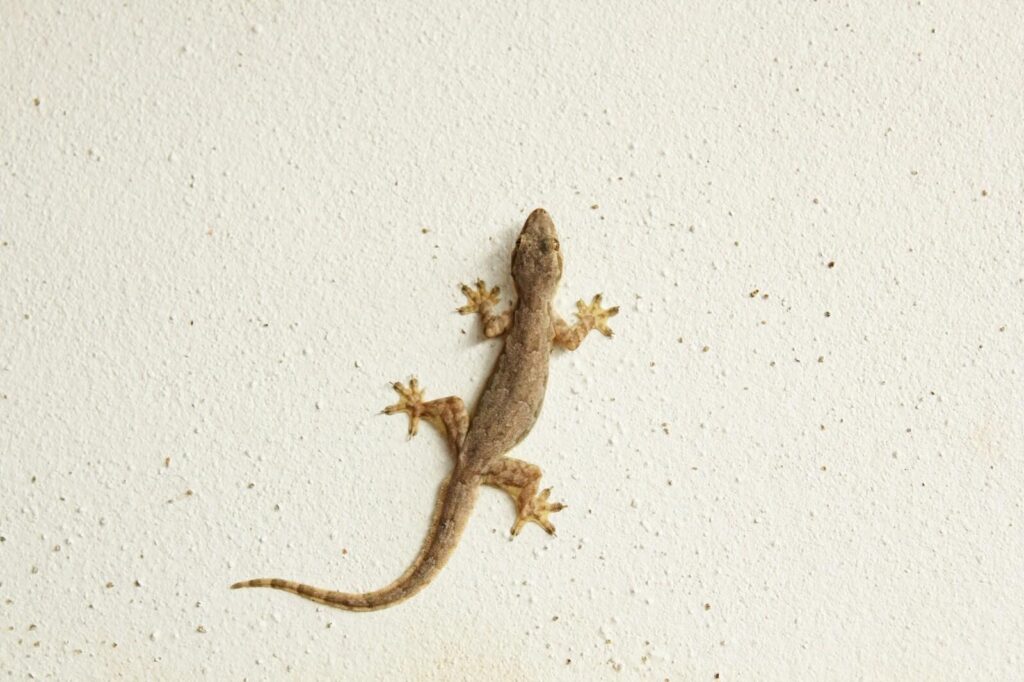
Reptile food sources must also be controlled. Flying insects, cockroaches, spiders, rodents, and frogs may attract reptiles into buildings. Poorly positioned lighting often draws insects toward entrances, which in turn allows lizards to move closer to indoor areas. Adjusting lighting and controlling insects are important parts of reducing the risk of diseases associated with reptiles.
Stagnant water, dirty drains, organic waste, and areas with dense vegetation must be addressed. These are not only potential shelters for reptiles but also favorable environments for rodents, insects, and microorganisms. Sanitation procedures should follow a defined schedule, assign responsible personnel, and include inspection records rather than being carried out only when pests are seen.
When a snake is discovered, especially an unidentified species or one that may be venomous, it should not be handled by hand or approached using methods that may provoke a reaction. The area should be isolated, a safe distance should be maintained, and a qualified service provider should be contacted. In the event of a snakebite, the affected person must seek medical attention immediately. Do not apply a tourniquet, cut the wound, or attempt to suck out the venom.
For lizards and turtles, removing the individual animal only resolves the immediate situation. If gaps, food sources, and damp areas remain, other reptiles may continue to enter the building. A comprehensive survey and regular monitoring are necessary to reduce the likelihood of recurrence.
The presence of reptiles may indicate that a building contains food sources, shelter, or environmental conditions favorable to multiple pest species. Therefore, in addition to removing reptiles, businesses and households should combine insect control, rodent control, environmental sanitation, and the elimination of entry points. This approach helps reduce the likelihood of reptiles returning while also limiting the spread of pathogens in living and working environments.
Food production facilities, logistics warehouses, restaurants, and hotels should maintain an integrated pest control program that combines environmental sanitation, entry prevention, and activity monitoring. This approach addresses the actual causes of the problem, limits cross-contamination, and improves safety for people, goods, and operational areas.
You may also be interested in: VFC PestMan Pest Control Services


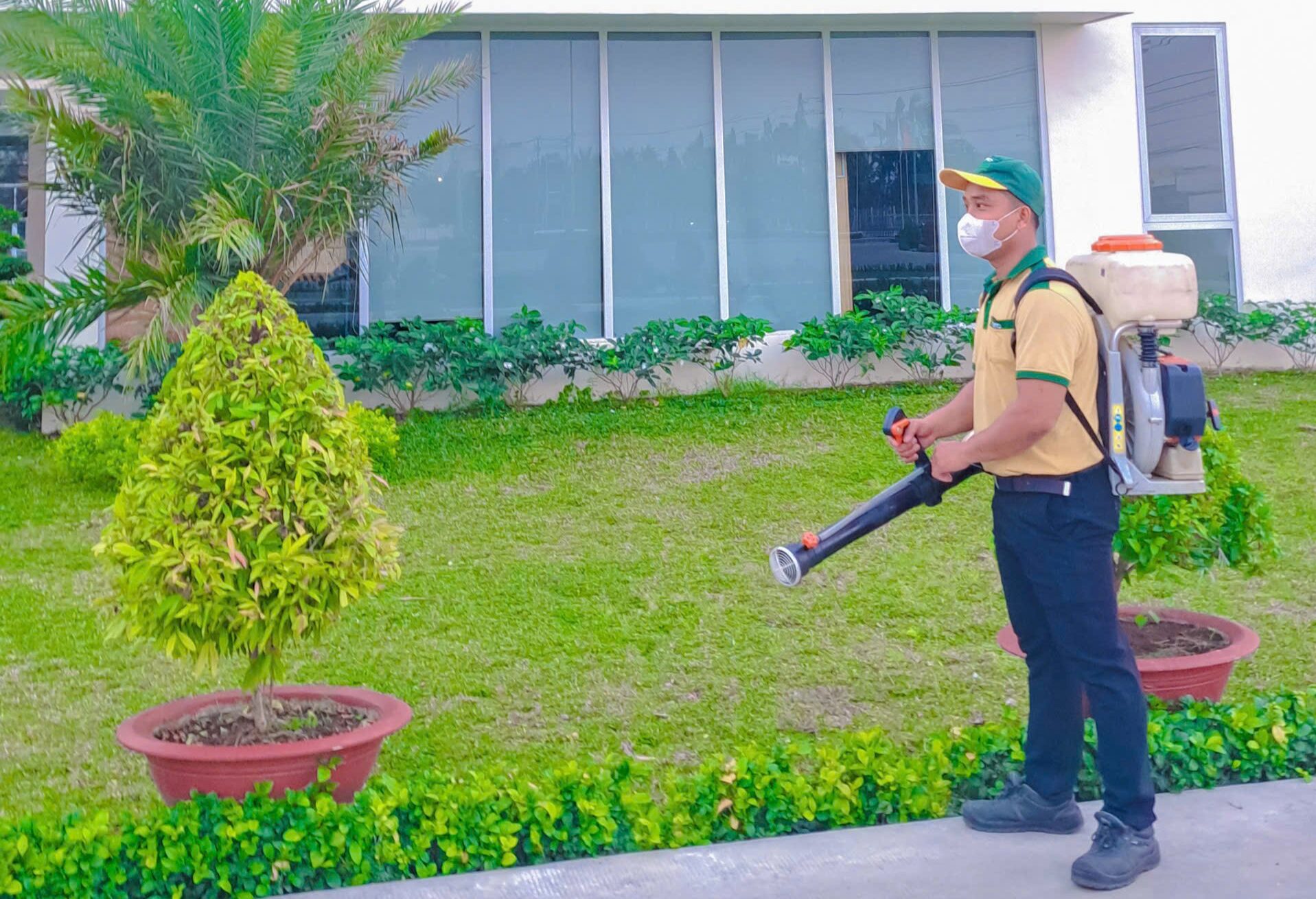
Why should businesses shift from "insect extermination" to "pest management"?
“Diệt côn trùng” thường tập trung vào việc xử lý những gì doanh nghiệp đang…

Dịch vụ diệt côn trùng và diệt mối cho doanh nghiệp và hộ gia đình
Muỗi, ruồi, kiến, gián, chuột và mối có thể xuất hiện tại nhà ở, văn…


Related news



Ready to eliminate audit risks and proactively protect customer experience & brand reputation?





Dear Valued Visitor,
To protect our clients' interests, all materials here are copyrighted and may not be reproduced without permission.
We appreciate your cooperation. Should you need to use our content professionally, please contact us directly.