





By VFC PestMan | 25-05-2026
Pest control in restaurants and hotels needs to be managed based on risk, operating characteristics and on-site data. Three common misconceptions about sanitation, treatment timing and chemical use can cause businesses to overlook pest sources and prolong incidents.
1. Misconception 1: A clean hotel or resort will not have pests
Good sanitation helps reduce food sources, water and harbourage for many pest species. However, the cleanliness of a facility is only one of many factors that determine pest risk.
Restaurants, hotels and resorts have continuous flows of people, food, goods and supplies. These activities create multiple routes through which insects or other pests can enter operational areas.
1.1. Pests can enter with guests, goods and supplies
Bed bugs can travel with luggage, clothing and guests’ personal belongings. Therefore, even a room that is cleaned regularly can still develop a bed bug problem if individuals are brought in from outside.
Kitchen and food-storage areas also receive ingredients, cardboard boxes, pallets and equipment every day. Cockroaches, stored-product insects or other pests can enter the facility through these sources. Depending on the area and source of entry, hotels may experience several pest groups at the same time, including cockroaches, flies, mosquitoes, ants, rodents, bed bugs, termites and pests associated with animals..
Receiving doors, entrances, technical gaps and connection points between outside and inside also create entry routes. Sanitation needs to be combined with control of these movement routes.
1.2. Landscaping and building structures also create pest pressure
Resorts often contain extensive vegetation, water features, landscaped areas and open spaces. These features contribute to the guest experience but can also create favourable conditions for mosquitoes, ants, flies, rodents and many other pest groups.
In urban hotels, drainage systems, basements, technical shafts, waste areas and structural gaps also need to be monitored. Pests can use these structures for harbourage or movement between areas. Therefore, instead of treating the entire hotel as one uniform zone, operations teams should identify higher-risk pest areas that require regular inspection.
Good sanitation provides an important foundation for a pest control programme. Monitoring, entry-point control and environmental management help businesses address additional risks that sanitation alone does not cover.
2. Misconception 2: Treatment is only needed when insects are seen

Many pest species have concealed habits and are often detected relatively late. Seeing one individual may be a signal to inspect the surrounding area and determine the actual level of activity.
German cockroaches commonly harbour in narrow gaps, behind equipment, inside kitchen cabinets or near heat and water sources. Rodents may also move through ceilings, pipes and technical areas before being directly seen by staff.
2.1. On-site signs often appear before guests see pests
A well-managed control programme can identify risks through droppings, gnaw marks, footprints, harbourage, insect carcasses, eggs, shed skins or data from monitoring devices.
These signs give operations teams more time to investigate the cause and address the relevant area before pests appear in guest-facing spaces.
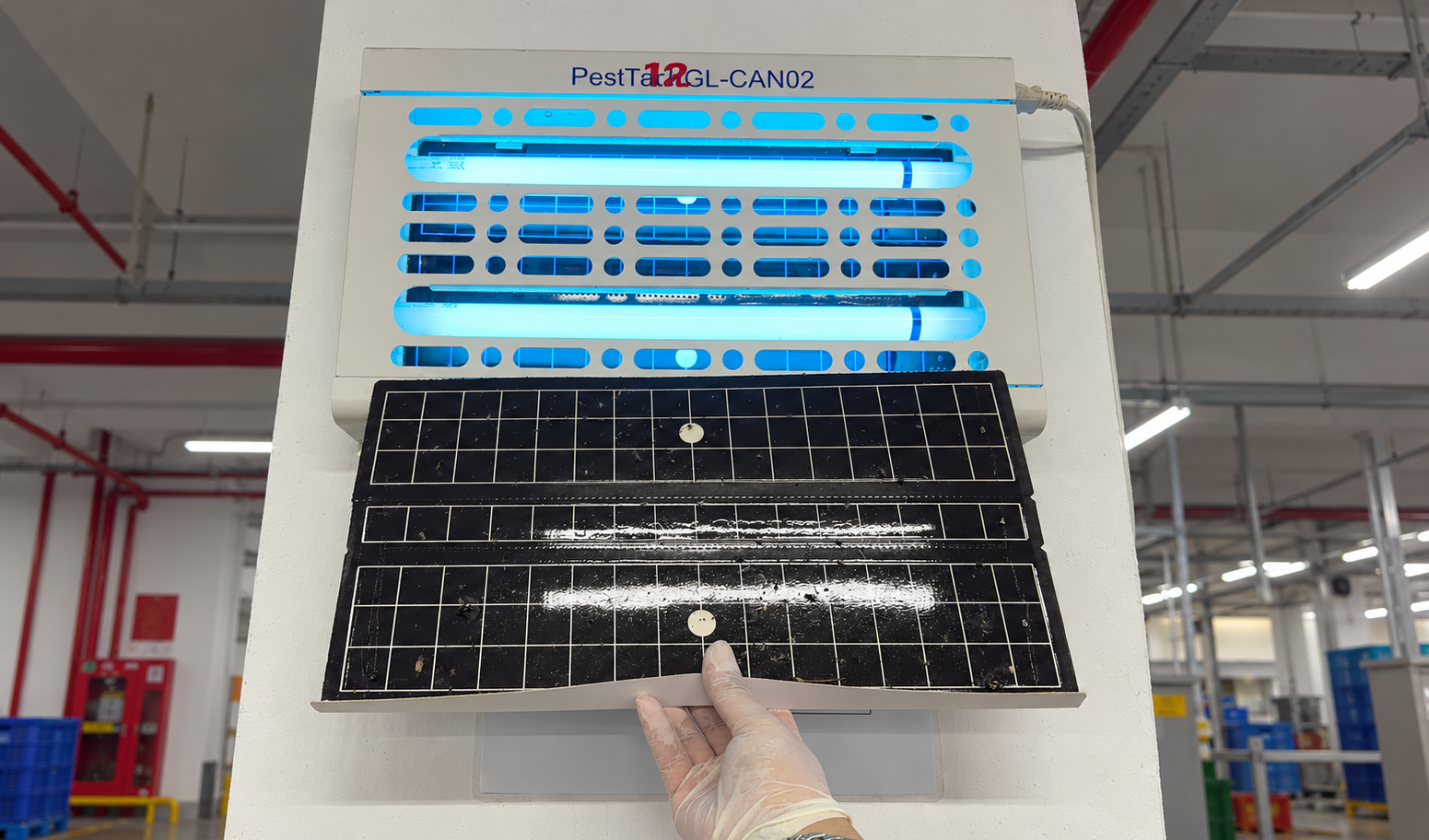
For example, data from monitoring traps in a kitchen may show that cockroaches are concentrated around a specific piece of equipment. The business can then inspect gaps, carry out deep cleaning, check water sources and review nearby harbourage. When data from multiple rooms and monitoring points are consolidated over time, operations teams can identify recurring areas, track trends and determine hotspots before the issue appears in guest-service areas.
2.2. Incident-based treatment reduces the ability to manage causes
When a business responds only after seeing pests, treatment usually focuses on the location where the incident occurred. Food sources, entry points, harbourage or breeding areas may still remain.
The incident may also recur in the same location if favourable conditions have not been corrected. This increases the number of interventions, affects operations and creates additional treatment costs.
Periodic monitoring helps detect population changes earlier. Businesses can use the data to identify priority areas and select an appropriate time for intervention.
3. Misconception 3: More spraying means better pest control
The amount of chemical used does not directly determine the effectiveness of a pest control programme. Effectiveness depends on correct species identification, identifying where pests are active, understanding the cause and selecting the appropriate method.
Integrated Pest Management (IPM) uses multiple types of measures such as sanitation, removal of food and water sources, sealing entry points, monitoring, traps and targeted use of pesticides or pest-control products when necessary.
3.1. Broad-area spraying can miss pest harbourage
German cockroaches commonly harbour in small gaps near heat, water and food sources. Spraying visible surfaces may affect part of the population but does not guarantee that hidden harbourage will be reached.
For rodents, surface spraying does not address entry points, food sources or shelter. Businesses need to combine structural control, sanitation, traps or other appropriate measures.
Each pest group has its own life cycle and behaviour. The control programme needs to follow these characteristics when determining tools and intervention locations.
3.2. Mosquito control also needs to address breeding sites
Treating adult mosquitoes can help reduce density at a particular point in time. However, standing-water sources may continue producing new generations if they are not detected and managed.
At resorts, risk points may occur in plant pots, drainage channels, outdoor items, water-holding cavities or landscaped areas. Periodic surveys help identify small and dispersed breeding sources. These areas particularly need inspection after heavy rainfall, when standing water, humidity and landscape conditions may simultaneously alter pressure from mosquitoes and other pest groups.
Controlling the source helps extend programme effectiveness and reduce dependence on repeated chemical treatment.
4. How should pest control in restaurants and hotels be approached?
A pest control programme needs to be developed according to the characteristics of each type of facility. Each area has different food sources, water sources, entry points and sensitivity levels.
IPM provides a management framework based on pest identification, monitoring, prevention and selection of control measures according to risk level. This approach helps businesses use on-site data to make decisions.
4.1. Which areas should restaurants prioritise?
Kitchens, preparation areas, food storage, washing areas, waste areas and receiving areas generally carry higher risk. These locations contain concentrated food sources, moisture and goods movement.
Fixed kitchen equipment also creates narrow gaps that are difficult to clean. Cockroaches and other small insects may harbour behind cabinets, refrigeration equipment, pipe areas or heat-generating equipment.
Businesses should combine sanitation, raw-material management, incoming-goods inspection, waste management and pest monitoring by area.
4.2. Which areas should hotels manage?
Guest rooms need to be monitored for bed bugs, ants and pests that may travel with luggage. Housekeeping areas, linen stores and trolleys may also be involved in pest movement between rooms.
Kitchens, restaurants, basements, warehouses, technical areas and waste areas each have their own risk groups. Zoning helps the control programme focus on the correct target and avoids applying the same method throughout the hotel.
Room-level or area-level data also support traceability when incidents recur.
4.3. Resorts need to consider landscaping and open spaces
Resorts often have a larger boundary between indoor and outdoor areas than urban hotels. Vegetation, ponds, damp areas, beaches or natural water bodies can increase pressure from mosquitoes, ants, flies and other animals.
Outdoor restaurants, bungalows and pool areas also have their own operating characteristics. The control programme needs to balance effectiveness, guest experience and space-use requirements. These constraints related to guest experience, landscaping and continuous operations can also make resorts more likely to make mistakes when selecting and evaluating pest control services.
Seasonal monitoring helps resorts adjust inspection frequency when weather conditions change pest density.
5. What does an IPM programme in restaurants and hotels include?
IPM is an integrated pest management process based on information about pest species, life cycles, the environment and monitoring results. Businesses need to combine multiple measures to manage risk at a level appropriate to their operations.
5.1. Survey and correctly identify pests
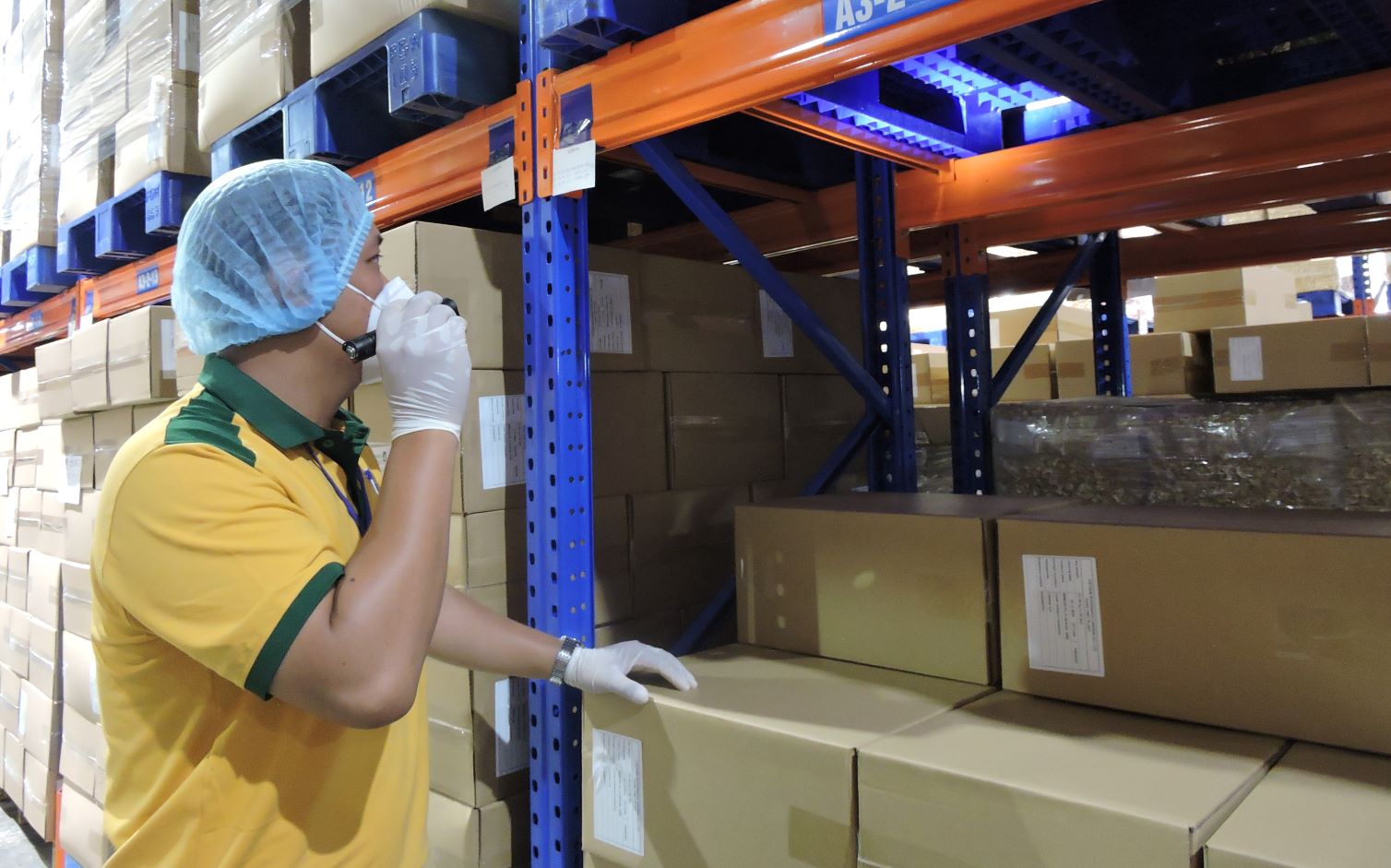
The survey helps identify species, locations, signs of activity and favourable conditions. This provides the basis for selecting the correct control method.
Incorrect identification may lead to the wrong trap location, the wrong treatment method or missed breeding sources. For pests with very different behaviours, such as German cockroaches, drain flies, bed bugs and rodents, correct identification is especially important.
5.2. Monitor and record data
Monitoring devices and periodic inspection results allow businesses to track trends over time. Data can show which areas repeatedly experience pest activity, when density increases and which measures are producing results.
This allows the programme to adjust inspection frequency and treatment scope according to actual risk.
5.3. Remove favourable conditions
Food, water and harbourage are three important factors for many pest groups. Businesses can manage these through sanitation, food storage, waste handling, leak repairs and reduction of accumulated materials.
Gaps around doors, pipes and structural elements also need to be checked. Sealing entry points helps reduce pressure from the outside environment.
5.4. Intervene according to risk level and location
When data indicate that treatment is required, the method is selected according to the species, location and operating conditions. Traps, mechanical measures, environmental treatment, bait or targeted chemicals may all play a role depending on the situation.
A targeted approach helps reduce unnecessary interventions and focus resources on areas where problems are actually occurring.
6. Why is proactive pest control important in the hospitality industry?
Restaurants, hotels and resorts operate in environments where guest experience is a high priority. An incident in a guest room, buffet area or service space can be quickly noticed and reported by guests.
A proactive control programme helps businesses detect signals before the issue spreads. Operations teams also have clearer data for coordination between housekeeping, kitchens, engineering, landscaping and the pest control provider.
6.1. Supports the maintenance of hygiene conditions
Monitoring helps businesses identify areas where food sources, water or harbourage need improvement. Recommendations from the site can be converted into specific actions for each department.
In this way, pest control becomes part of hygiene and facility management.
6.2. Reduces the risk of incidents in guest-service areas
Guest rooms, restaurants, buffets, bars and pool areas are all sensitive from a guest-experience perspective. Early detection allows businesses to address the issue in technical or back-of-house areas before pests appear in front of guests.
Response levels can also be adjusted according to the sensitivity of each area.
6.3. Supports cost and operational control
Pest incidents may require area closures, deep cleaning, replacement of materials or emergency treatment. Early detection generally provides more treatment options and helps reduce the scope of intervention.
Historical data also help businesses identify recurring points so that causes can be addressed and budgets planned more appropriately.
7. How do these three misconceptions affect management decisions?
All three misconceptions have one thing in common: they cause businesses to view pest activity as isolated incidents. A risk-based approach connects pest activity with sanitation, building structures, goods, landscaping and operational activities.
A clean hotel still needs monitoring of entry routes. Seeing an insect should lead to an inspection of the related area. Chemicals need to be used in a targeted way and combined with preventive measures.
Businesses can build a control programme around risk areas, target species, monitoring data and action thresholds. This gives treatment decisions a clearer basis and makes them more appropriate to actual facility conditions. When using an external provider, these principles should also become criteria for evaluating the PCO’s IPM capability, data management, responsiveness and ability to coordinate with hotel operations.
If a hotel or resort has not yet identified which areas carry high risk, where entry points are located or where gaps remain in the current programme, an appropriate next step is to conduct a comprehensive assessment of attractants, entry points, critical areas and the existing monitoring system.
8. Frequently Asked Questions about pest control in restaurants and hotels
Does a clean hotel still need periodic pest control?
Yes. Sanitation helps reduce food sources and harbourage, but pests may still enter through luggage, food, goods, landscaping or structural entry points. Periodic monitoring helps detect these risks earlier.
Is immediate treatment necessary when one insect is seen?
The level of intervention depends on the species, location and sensitivity of the area. A pest sighting needs to be recorded and assessed to determine the source, extent of activity and appropriate measure.
Does more spraying improve insect control?
Effectiveness depends on correct pest identification, choosing the appropriate method and treating the correct location. Using more chemicals does not automatically produce better results and may increase unnecessary risks.
Is IPM suitable for restaurants, hotels and resorts?
Yes. IPM can be applied to indoor environments and workplaces, based on identification, monitoring, prevention and selection of appropriate control measures. This approach is particularly useful for facilities with multiple areas and different levels of risk.
Which areas should be prioritised for pest monitoring?
Kitchens, food stores, waste areas, receiving areas, guest rooms, technical areas, basements and landscaped areas generally require priority. The specific scope depends on the type of facility, pest history and target pest species.
What value does pest monitoring data provide to businesses?
Data help identify where pest activity occurs, trends over time and the effectiveness of measures already implemented. This provides a basis for businesses to adjust inspection frequency, establish risk zones and decide when intervention is needed.
9. Pest control needs to become part of operational management
Effective pest control in restaurants and hotels depends on the ability to identify risks before incidents affect guests. Sanitation, monitoring, entry-point control and targeted treatment need to be coordinated according to the characteristics of each area.
The three misconceptions of absolute cleanliness, treating only when pests are seen and relying on chemical spraying can cause businesses to overlook the real causes. An IPM-based approach helps organise pest control according to data and risk level.
As a result, restaurants, hotels and resorts can maintain better hygiene conditions, reduce the risk of incidents and protect the guest experience throughout operations. For facilities that need an ongoing programme, PestMan can develop an IPM-based insect and rodent control programme covering surveys, identification, prevention, monitoring and targeted treatment at critical points.


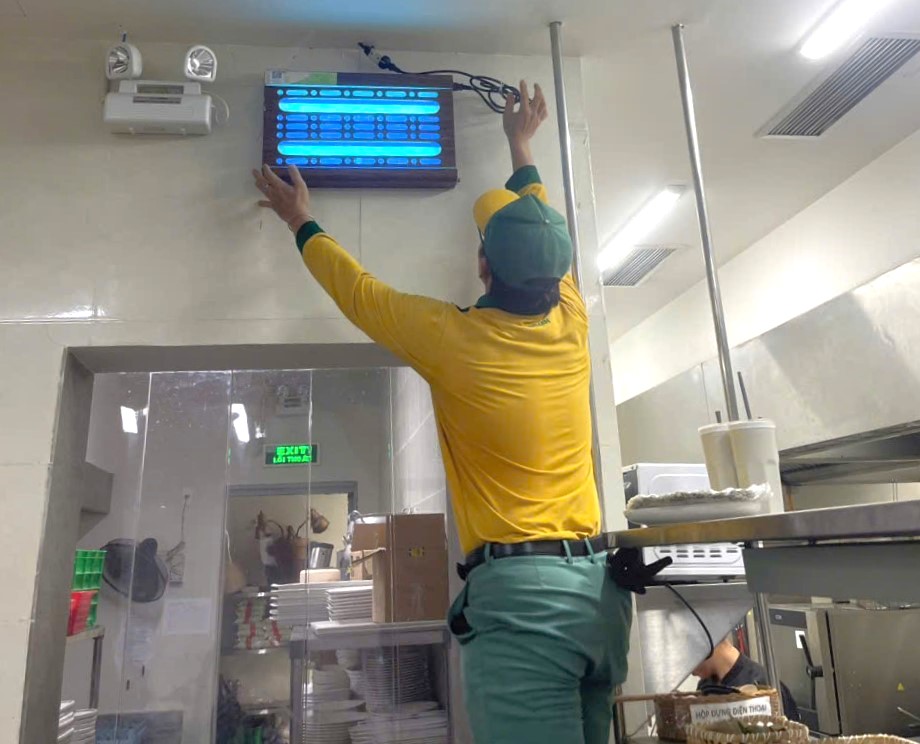
Các loại bẫy và thiết bị giám sát dịch hại trong nhà máy
Bẫy và thiết bị giám sát là một phần quan trọng trong chương trình kiểm…

Pheromone traps: An insect monitoring solution for pest control
Pheromone traps are applied in pest control due to their ability to attract...
Related news


Ready to eliminate audit risks and proactively protect customer experience & brand reputation?





Dear Valued Visitor,
To protect our clients' interests, all materials here are copyrighted and may not be reproduced without permission.
We appreciate your cooperation. Should you need to use our content professionally, please contact us directly.