







 PART
01
By VFC PestMan | 30-09-2026
What should medical device manufacturing plants consider when developing a pest control program?
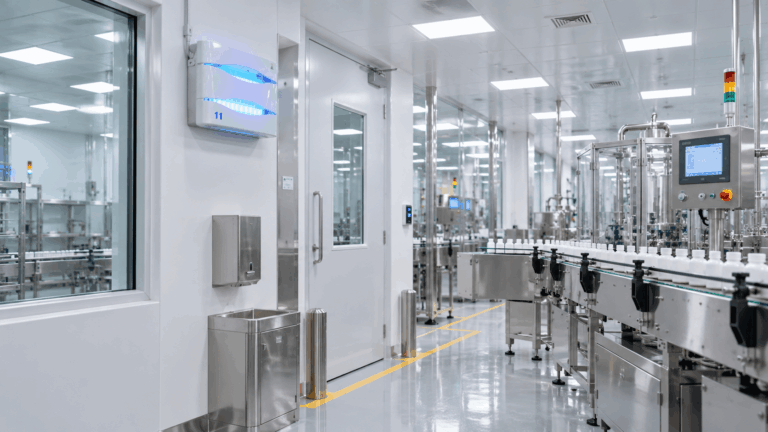
Medical device manufacturing facilities often contain many areas with stringent hygiene, quality control and traceability requirements. Therefore, a pest control programme for a medical device factory needs to be developed according to the risk level of each area, combining prevention, monitoring, entry prevention and monitoring data rather than focusing only on treatment when insects or rodents are detected.
Article content
1. Correctly identify high-risk areas
Medical device factories typically include raw material receiving areas, warehouses, production areas, assembly areas, packaging areas, finished-goods warehouses, technical areas and perimeter zones. Each area has a different level of sensitivity, so the pest control programme also needs to be tiered accordingly.
Areas directly related to products, packaging or clean materials need tighter control than external areas. Conversely, perimeter and receiving areas need to focus on reducing pest pressure before pests move deeper into the factory.
Zoning helps businesses determine device locations, inspection frequency and appropriate methods for each area.
2. Prioritise preventing pests from entering from outside
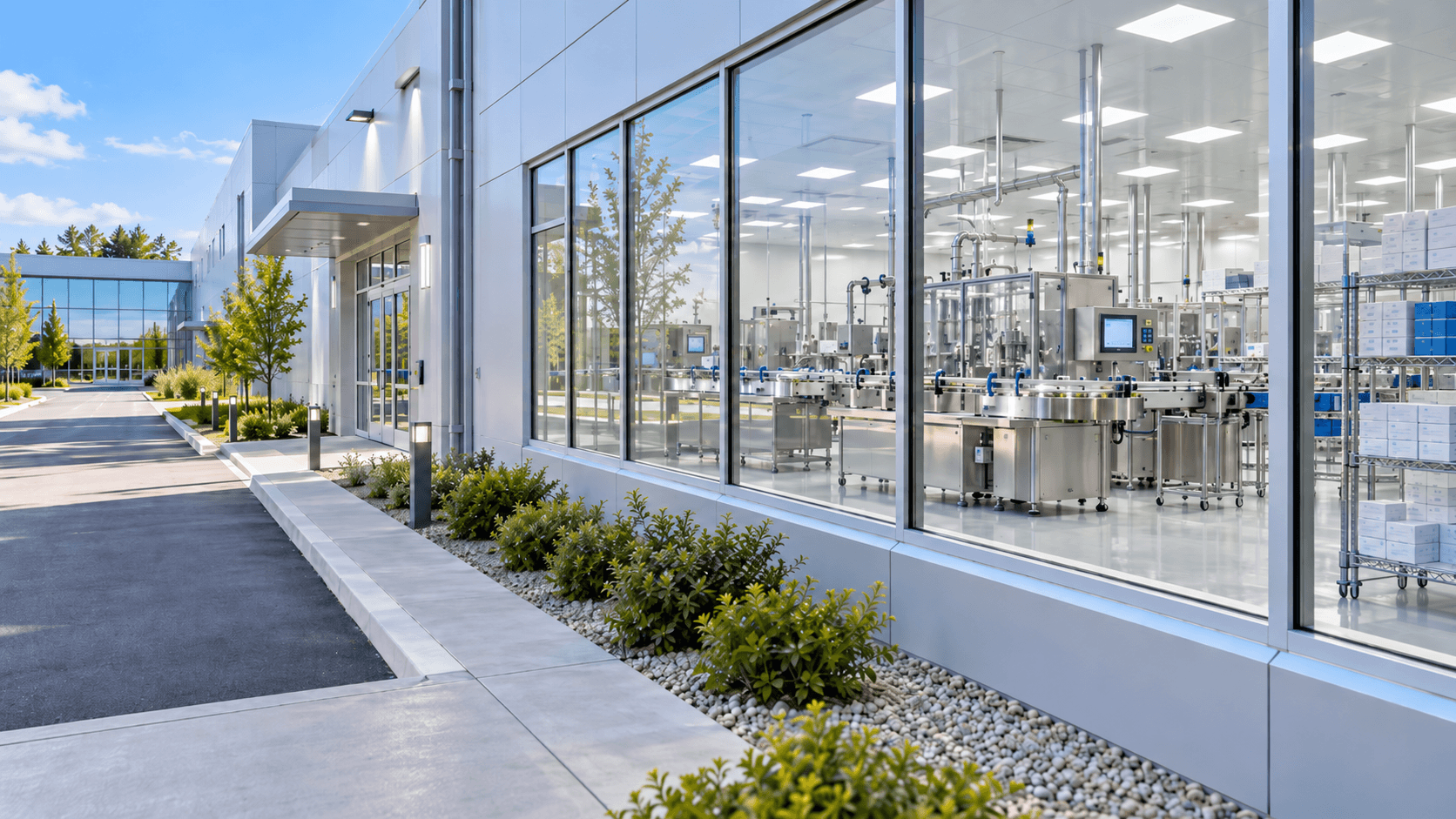
One important principle is to reduce the likelihood of pests entering the factory from the outer perimeter. Doors, gaps beneath doors, pipes passing through walls, roof gaps, service openings and points adjoining the outside environment need to be inspected periodically.
Appropriate openings should be sealed or screened using solutions compatible with the building structure. Doors need to maintain appropriate sealing, particularly in receiving areas and warehouses.
Entry-prevention measures help reduce pressure from rodents, crawling insects and other small pests, while also reducing the need for treatment inside the facility.
For factories expanding production lines or renovating production areas, door gaps, wall penetrations and service openings should be considered from the design stage. Businesses can refer to guidance on implementing pest control from the factory construction stage to reduce entry routes that are difficult to correct once the facility is operational.
3. Receiving and dispatch areas should be treated as important transition zones
Receiving and dispatch areas experience constant movement of vehicles, pallets, cardboard boxes and materials from outside. These are locations where pests may enter with goods or take advantage of open-door periods to gain access.
The factory should maintain regular inspection of doors, pallets, packaging and temporary staging areas. Signs such as rodent droppings, gnaw marks, live insects or dead insects need to be recorded immediately at the receiving area.
If abnormal signs are detected, the business should isolate the area and assess the cause before the goods are moved further into the warehouse or production area.
4. Raw material and supply warehouses need to be controlled according to goods flow
Warehouses often have a high density of goods, numerous racks and many concealed areas. If materials are stacked too close to walls or block monitoring points, the ability to detect pest signs will be reduced.
Rodents, cockroaches and some small insects may harbour in concealed corners, behind pallets or around areas that are cleaned less frequently. Therefore, inspection clearances along walls, packaging condition and areas around rack bases need to be checked periodically.
Data from monitoring points should be cross-checked against goods flow. If one location repeatedly records abnormalities after goods are received from a particular source or during a specific period, the business can expand inspection in that direction.
5. Production and assembly areas require tight control over treatment methods
Areas directly related to medical devices need to limit measures that could affect products, components or production-environment conditions.
Businesses should prioritise prevention, sanitation, mechanical traps and appropriate monitoring devices. The use of pest-control products needs to be evaluated according to internal requirements, area characteristics and risk level.
If pests are detected in a production area, the first step should be to identify entry routes, food sources or harbourage sites. This helps the business address the actual cause rather than simply react at the visible location.
In areas with stringent environmental-control requirements, the factory needs to evaluate treatment methods according to product characteristics and internal procedures. For additional guidance on selecting preventive measures, monitoring traps and controlled interventions, you can read the article on pest control in areas with restricted chemical use in pharmaceutical factories.
6. Packaging areas and finished-goods warehouses should prioritise early detection
Packaging areas and finished-goods warehouses are locations where products are close to completion, so pest signs can create issues related to hygiene, packaging and traceability.
The monitoring system in these areas needs clear point IDs, easily accessible inspection locations and data stored over time. If one point shows an increase, the business needs to review it immediately rather than wait for a more obvious incident to occur.
Changes to the layout, rack positions or transport flow also need to be updated on the control map to avoid creating new blind spots.
7. Rodent control needs to cover both the perimeter and interior
Rodents may access the factory through fences, waste areas, warehouse doors, service routes or receiving areas. Therefore, the rodent-control programme needs to be designed in multiple layers.
The outer perimeter helps reduce entry pressure. Transition areas help detect individuals that enter at an early stage. Inside the factory, mechanical traps and monitoring points are used along high-risk routes.
If rodents repeatedly appear, the business needs to recheck gaps, food sources, trap locations and layout changes. Increasing the number of traps is only effective when combined with assessment of the cause.
8. Flying insects need to be monitored by trend
Flies and other flying insects may enter through doors or be attracted by light. Insect light traps can support monitoring at appropriate locations.
Data from each insect light trap need to be tracked over time. A continuous increase at one point may indicate an issue related to a door, light source, external area or change in operational activity.
Recording numbers without analysing trends will reduce the value of the monitoring system.
When selecting insect light-trap locations, the factory needs to consider light sources, entrances and insect movement routes to avoid inappropriate device placement. The article on controlling flying insects in lighting areas and warehouses using LED light traps provides additional information on this solution.
9. Cockroaches and ants need to be controlled at the source
Cockroaches and ants are often associated with food sources, water, moisture and gaps. Areas such as canteens, break rooms, support areas, technical rooms or locations containing organic matter need to be inspected regularly.
Monitoring traps can help identify locations of activity. When an increase in density is recorded, the business should inspect sanitation conditions, gaps and water sources before deciding on treatment measures.
This approach helps reduce reliance on broad-area spraying in sensitive areas.
If cockroaches appear in canteens, support areas or near drainage systems, the business should inspect harbourage conditions and sources of occurrence before increasing treatment frequency. You can refer to 5 Cockroach hotspots in factories during hot and humid weather to develop a list of locations that should be prioritised for inspection.
10. Technical areas should not be overlooked
Electrical rooms, technical ceilings, tool stores, machinery areas and piping systems often contain many gaps and are inspected less frequently. These areas may become harbourage sites for rodents, cockroaches, lizards or other pests.
These areas need to be included on the pest-control map and assigned an appropriate inspection frequency. Gaps, materials stored for long periods and concealed locations should be reviewed periodically.
Effective control of technical areas also helps reduce the risk of pests moving into production areas through internal connections.
In areas where lizards repeatedly appear, the factory needs to inspect insect food sources, harbourage locations and gaps leading into the building. The maintenance team can refer to the IPM-based guide to lizard control in factories to identify points requiring coordinated action.
11. Control devices need clear IDs and locations
A pest control programme for a medical device factory needs to ensure that devices on site match the map and documentation.
Each control point should have a clear identification code that is neither faded nor missing. When a device is relocated, replaced or removed, the map and related data also need to be updated.
Consistency between actual site conditions and documentation helps QA retrieve information more quickly when cross-checking is required. Discrepancies such as devices with missing IDs, locations on the map that are no longer correct or reports lacking evidence can create difficulties when QA cross-checks documentation against the site.
12. Data must lead to specific actions
A monitoring system only has value when its data are used for decision-making. If one point repeatedly records rodents or increasing insect numbers, the programme needs to show what action has been taken.
Actions may include inspecting door gaps, adjusting sanitation, changing trap locations, repairing structural conditions or increasing monitoring frequency. Each action should have a clear status so that responsible personnel know whether it has been completed or still requires follow-up.
Data over time also help businesses distinguish an isolated incident from a trend that requires deeper intervention.
When a monitoring point repeatedly records abnormalities, the report needs to help QA see the trend, the cause that needs to be checked and the status of corrective actions. You can refer to guidance on how to read and analyse pest-control reports to use data more effectively during monitoring.
13. The App and Dashboard support management of multiple control points
Large factories may have many monitoring points. Manual management can easily create discrepancies between actual site conditions and reports.
The PestMan App supports technicians in recording data for each point on site. The PestMan Dashboard helps consolidate history, trends and areas requiring attention.
Technology makes retrieval more convenient, but on-site inspection is still needed to ensure that device locations and data accurately reflect actual conditions.
For factories with many monitoring points, consolidating data by device ID and time helps responsible personnel identify areas that require deeper inspection. You can see how the PestMan App and PestMan Dashboard support data digitisation, trend analysis and pest-hotspot monitoring.
14. The programme needs to be reassessed when the factory changes
Expanding production lines, relocating racks, adding new doors, building additional warehouses or changing material flow may create new entry routes.
The factory should reassess the risk map after these changes. Trap locations, inspection frequency and the priority level of each area may need to be adjusted.
In addition, if the data show repeated occurrence at the same point, this is also a signal that the programme needs to be reviewed.
When the layout changes or the same location repeatedly records pest occurrence, the factory should not simply increase the number of traps but needs to review the risk map and monitoring method. The article When businesses need to reassess their pest management programme can help QA and maintenance teams identify situations in which the programme needs to be reviewed.
15. Pest control needs to be integrated with interdepartmental coordination
QA, HSE, maintenance, sanitation, operations and the pest control provider each have their own role in the programme.
QA monitors data and impacts on quality. HSE controls methods and safety. Maintenance addresses gaps and infrastructure. Sanitation reduces food sources and conditions that favour pest occurrence. The pest control provider conducts surveys, monitoring and recommends control measures.
Coordination helps ensure that each abnormality leads to a specific action rather than simply being recorded in a report.
Frequently Asked Questions
Should medical device factories use chemicals frequently for pest control?
Methods need to be selected according to risk and the characteristics of each area. Sensitive areas should prioritise entry prevention, sanitation, mechanical traps and monitoring.
How should rodents be controlled in production areas?
Priority should be given to preventing rodents from entering, using appropriate mechanical traps and monitoring routes showing signs of activity. When an abnormality occurs, the cause needs to be checked before increasing the number of devices.
Do technical areas need to be included on the control map?
Yes. Technical areas may serve as harbourage sites or movement routes for pests and need to be assessed according to risk level.
When should the control-point map be updated?
When there are changes to the layout, devices, doors, warehouses or production lines, or when new risk points appear. The map should also be periodically cross-checked against actual site conditions.
Are trend data necessary?
Yes. Trend data help businesses detect areas of increasing risk early and identify when the programme needs to be adjusted.
The pest control programme needs to reflect how the factory actually operates
Pest control in medical device factories needs to be built around risk zoning, entry prevention, control of pest sources and maintenance of a monitoring system with clear data.
When the programme closely reflects the facility layout, goods flow and sensitivity level of each area, the business can detect abnormalities earlier, reduce reliance on chemical treatment and maintain a control system that is appropriate for long-term operational requirements.
If businesses are looking for a pest control company for businesses, need to survey the current pest situation or build a control program suitable for a factory, warehouse, hotel, or building, VFC PestMan can assist with on-site evaluation and propose solutions based on actual risks.
Hotline: (+84) 932669883
Email: contact@pestman.vn

Ready to eliminate audit risks and proactively protect customer experience & brand reputation?






Dear Valued Visitor,
To protect our clients' interests, all materials here are copyrighted and may not be reproduced without permission.
We appreciate your cooperation. Should you need to use our content professionally, please contact us directly.