





By VFC PestMan | 29-08-2026
An effective pest management programme should help businesses identify risks early, track how they develop over time, and maintain protection as operating conditions change. Based on this principle, VFC PestMan developed the Three-Layer Shield System (3P) comprising Prevent – Prove – Protect, connecting on-site prevention, control data, programme review and improvement into a continuous management cycle.
The value of 3P lies in helping businesses answer three important questions: Where are pest risks developing from? What data demonstrate that the programme is under control? What needs to be adjusted in the system to maintain effectiveness over time?
From pest treatment to pest risk management
Under a conventional approach, the effectiveness of Pest Control services is often judged by what is easiest to observe: how many monitoring stations are installed, how many times technicians visit, which areas have been sprayed or treated, and how many insects are recorded after each service visit. This information is necessary, but if the assessment stops there, the business is looking only at treatment activities rather than the entire risk-control system.
For example, instead of only trying to trap or eliminate a rodent when it appears in a warehouse, the business needs to focus on identifying the root cause of the problem. Answering questions such as where the rodents are entering from, where food sources are located, and why rodent activity is increasing helps address the problem at its root. If the conditions allowing rodents to access the facility remain, dealing with the individual animal detected only resolves the immediate situation and does not eliminate the possibility of recurrence.
This is the foundation of the Integrated Pest Management (IPM) approach applied by VFC PestMan in its professional pest management activities. Rather than placing chemical treatment at the centre of the programme, IPM combines site assessment, monitoring, prevention, management of environmental conditions and control measures appropriate to each situation.
For businesses, this approach is particularly important because pest activity is not only a hygiene issue. In manufacturing, warehousing, food production and hospitality environments, pest risks are also directly linked to operations, quality, control records and compliance requirements.
The VFC PestMan Three-Layer Shield System (3P) is built on this same approach. Prevent, Prove and Protect are not three separate services, but three layers of the same pest risk management system.

Prevent - Prevent risks before they develop into incidents
The first layer of the 3P system is Prevent. The objective of Prevent is to reduce the conditions that allow pests to enter, find harbourage and develop within operating areas. To achieve this, the first step is to conduct a detailed site assessment and risk evaluation.
A comprehensive assessment helps technicians view the facility as an integrated system rather than a series of isolated treatment points. Building structures, doors, gaps, receiving areas, raw material staging areas, water sources, food sources, waste areas, external landscaping and pest activity history can all provide input for determining risk levels.
Prevention needs to begin with understanding actual site conditions. Technicians assess building structures, potential entry routes, raw material or goods staging areas, water sources, food sources, potential harbourage locations and the activity history of each pest group. Data from monitoring stations and monitoring activities also need to be considered in relation to actual site conditions rather than being recorded as isolated numbers.
The ability to assess risk also depends on the technician’s professional knowledge and experience. Experience from previous situations in factories, warehouses, hotels, resorts and other facilities helps the team identify early signs that may not be fully apparent from a single observation. Field experience therefore becomes an important part of Prevent.
Consider an area where rodent activity is repeatedly recorded. Adding more traps may be necessary, but that is not the complete answer. Technicians need to identify movement routes, entry points, harbourage conditions and related food sources. When these factors are incorporated into the control plan, the business can reduce pest pressure at its source.
Based on the site assessment and risk evaluation, VFC PestMan establishes a monitoring system appropriate to each target pest and each area. The system may include insect light traps, monitoring traps, rodent bait stations, the Exterra system or other specialised devices. Device locations, quantities and inspection frequencies are determined based on the facility’s actual risk level.
Prevent shifts the focus of Pest Control to the question: “What conditions are creating opportunities for pest activity to develop, and where should control begin?” For factories and other facilities, this preventive approach needs to be translated into a pest control process with clearly defined monitoring, inspection frequencies and actions.
When Prevent is implemented effectively, the business has a clearer risk-management map from the outset. The next step is to demonstrate the entire control process through traceable data.
Prove - Make the control process transparent through data
At businesses with stringent quality and compliance requirements, QA/QC teams need to know which areas have been inspected, what signs have been recorded, what actions have been taken and how risk conditions have changed over time. Therefore, a pest control report should help managers understand pest activity levels, trends, abnormal areas and corrective actions.
Prove is the layer that turns field control activities into data that can be monitored, compared and traced.
Within the VFC PestMan system, technicians use the PestMan App to record field activities, while customers and managers can use the PestMan Dashboard to monitor information. When data are recorded within a unified system, businesses have a stronger basis for reviewing activity history, tracking findings and evaluating changes in each area.
The PestMan App provides real-time data transparency, visualises information and enables comparison between current conditions and historical records. Managers can monitor abnormal findings, areas showing notable signals and images updated from the field.
The value of data becomes clear when a finding is viewed in the context of time. A single trap record may represent an isolated event. A monitoring point showing a continuous increase in pest activity across multiple inspection cycles is a sign that deeper evaluation is needed. Historical comparison helps the team distinguish between short-term fluctuations and trends that require intervention.
Based on monitoring data, VFC PestMan prepares trend-analysis reports that combine numerical data, actual site conditions and professional assessment. The report helps answer practical questions: Is pest activity increasing or decreasing? Which areas are becoming hotspots? Which factors may be related? What measures need to be adjusted in the next inspection cycle?
This is what makes Prove more valuable than a report that simply confirms that work has been completed. Data become the basis for decision-making. Managers can see how risk is developing instead of waiting until the problem becomes visible.
After corrective action is implemented, images and treatment results are also recorded to create an evidence chain: finding – recommendation – corrective action – verification. This documentation process helps the responsible team track the workflow from treatment through to completion and makes records easier to retrieve when needed.
This capability is particularly important for businesses operating under food safety and quality management systems such as AIB, BRCGS, FSSC 22000, ISO 22000, HACCP and GMP. In these environments, Pest Control activities need to generate records to support management and assessment processes.
Businesses can also review common pest management requirements across major food safety standards and systems to understand how Pest Control records are typically reviewed in different contexts.
Data also create the link between Prove and Prevent. When historical data show that an area repeatedly generates abnormal signals, those data become an input for the team to return to the site, assess the cause and adjust preventive measures.
Prove therefore answers a very practical business question: “What evidence shows that the Pest Control programme is moving in the right direction?” The answer lies in data, historical records, site images and trend analysis rather than subjective judgement.
Protect – Maintain protection as operating conditions change
No matter how well a preventive plan is designed, actual operating conditions will continue to change. For example, a factory may change its layout, a warehouse may receive new goods, construction areas may undergo repairs, weather conditions may increase insect activity, or human behaviour may simply create new risk factors.
Protect is therefore designed to help the pest management programme continue adapting to these changes.
One important Protect activity is periodic in-depth assessment, for example quarterly or every six months depending on the programme and risk level. This is when the team reviews overall programme effectiveness rather than looking only at the results of a single service cycle.
The assessment may include changes in pest activity levels, the suitability of the monitoring map, the effectiveness of individual station locations, new entry points, operational changes and the implementation status of previous recommendations. This information helps determine which areas should continue under the current programme, which areas require reinforcement and which factors need adjustment.
When an unsuitable condition is identified, the programme can be proactively adjusted by relocating trap stations, adding monitoring points, adjusting inspection frequency, updating control measures or changing on-site coordination procedures. This allows the programme to be improved according to actual conditions rather than remaining unchanged throughout the contract period.
Major changes within the facility are also a signal that the business needs to consider when the pest management programme should be reassessed. Facility expansion, changes to storage areas, changes to entrances or the introduction of new raw material sources can all alter the risk map.
Protect also extends the protective layer through awareness training for customer personnel. Personnel working at the facility every day are often the first to identify signs such as unusual insect activity, rodent droppings, newly appearing gaps, standing water or changes in sanitation conditions in a particular area. When employees know how to identify and report these signs, the system gains an additional source of information between technician inspections.
Findings can be recorded in the Log Book and forwarded to the responsible person or specialist for timely assessment. This process creates a link between the VFC PestMan team and on-site personnel, allowing pest-related information to enter the system earlier.
Protect focuses on four continuous activities: periodic assessment – identification of unsuitable conditions – programme improvement – raising awareness among on-site personnel.
The result is a system capable of adjusting itself based on data and actual operating conditions. As risks change, the programme changes accordingly.
You may also be interested in: IPM Consulting, Training & Supervision for Businesses
3P creates value only when all three layers work together

The 3P Shield System delivers its highest effectiveness when all three layers (Prevent, Prove and Protect) operate together:
- Prevent helps assess site conditions and address risks at their source.
- Prove helps record data and actual developments for monitoring and comparison.
- Protect helps the system continuously adapt to new changes in the operating environment.
If the layers operate separately, it becomes difficult for the business to address problems comprehensively:
- Prevention without data makes it difficult to evaluate effectiveness.
- Data reports without addressing the root cause mean that risks can continue to recur.
- Responding only to immediate situations without feeding experience back into the prevention process means the system will not continue to improve.
When all three layers are connected, Pest Control becomes a continuous management cycle. Each assessment provides additional data. Each set of data helps identify trends and leads to action. Each action is then verified and fed back into the prevention programme.
Through this mechanism, pest control services no longer operate only according to a fixed schedule, but become a flexible control system that learns from actual conditions and data to improve effectiveness over time.


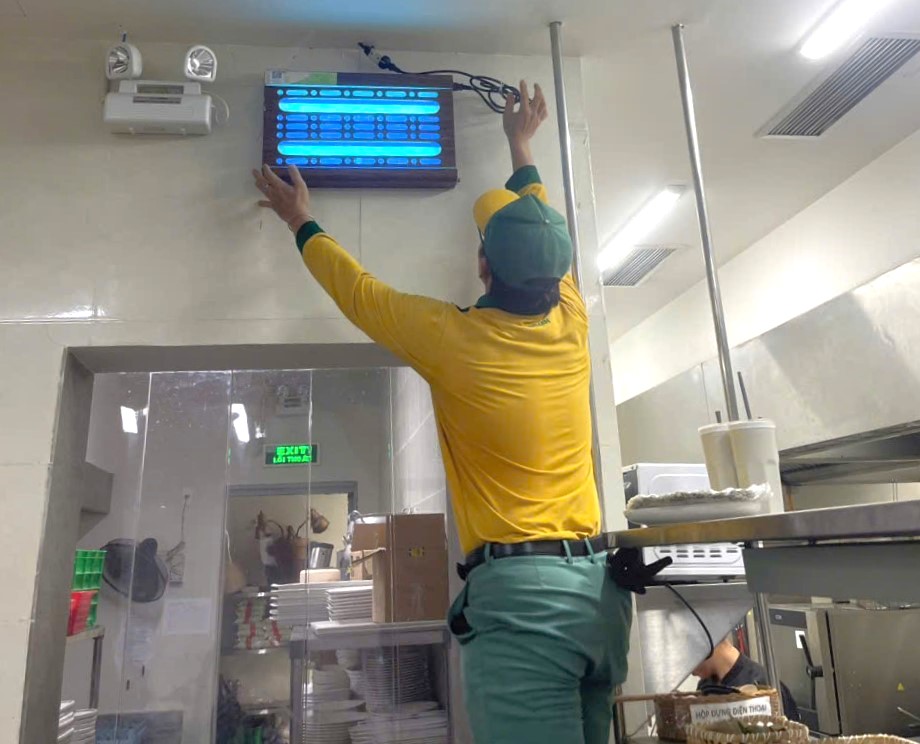
Các loại bẫy và thiết bị giám sát dịch hại trong nhà máy
Bẫy và thiết bị giám sát là một phần quan trọng trong chương trình kiểm…
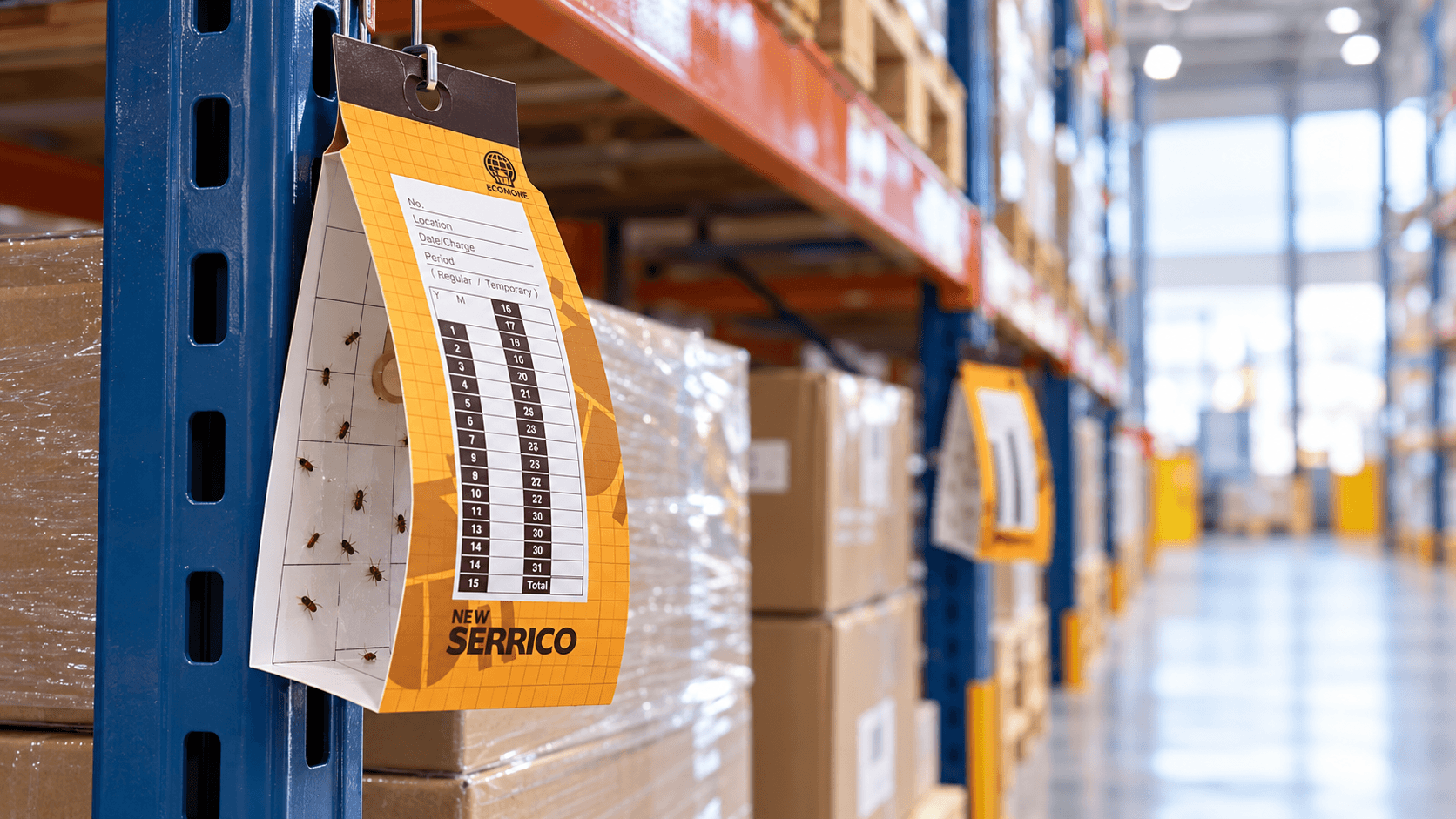
Pheromone traps: An insect monitoring solution for pest control
Pheromone traps are applied in pest control due to their ability to attract...
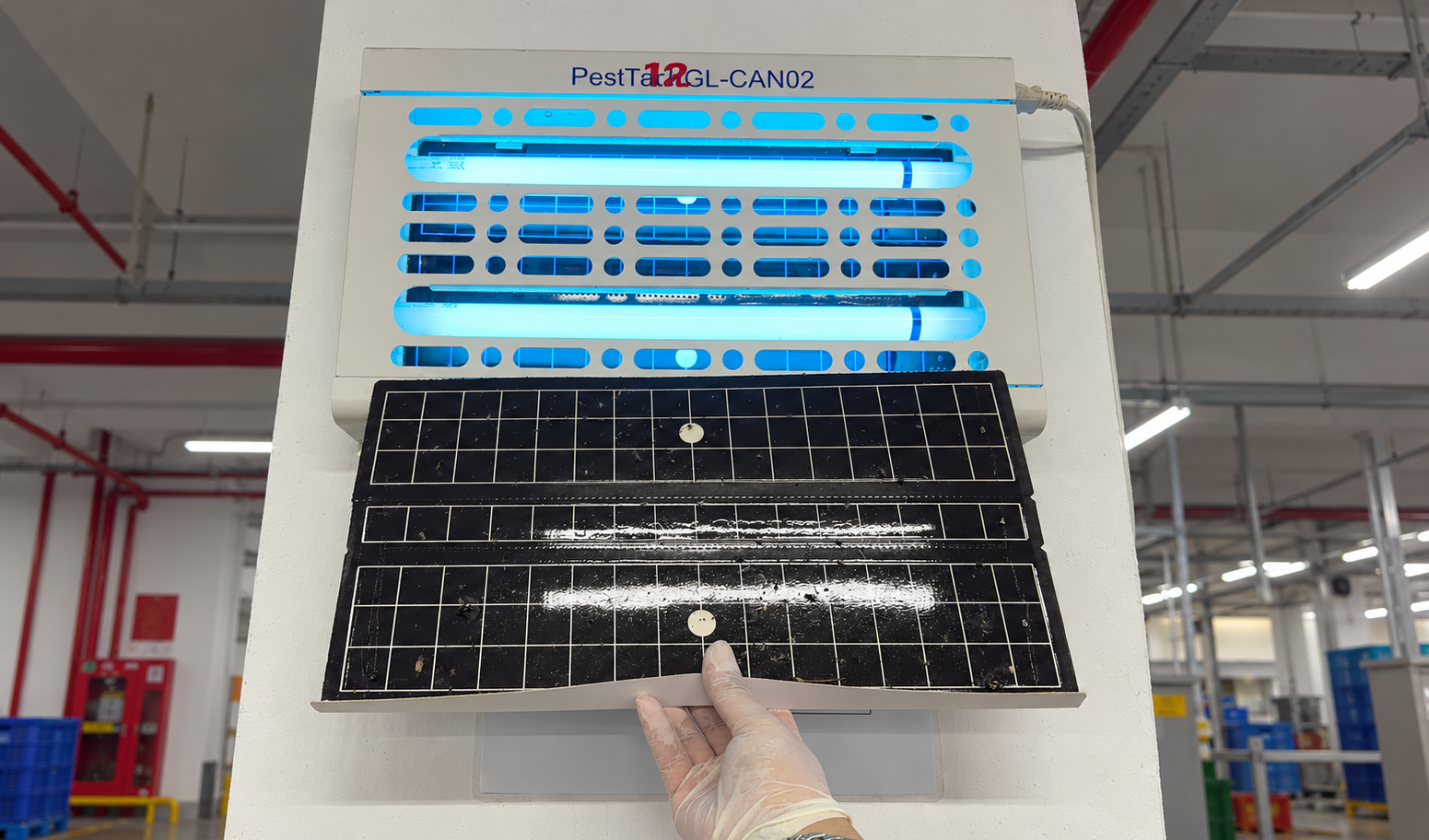
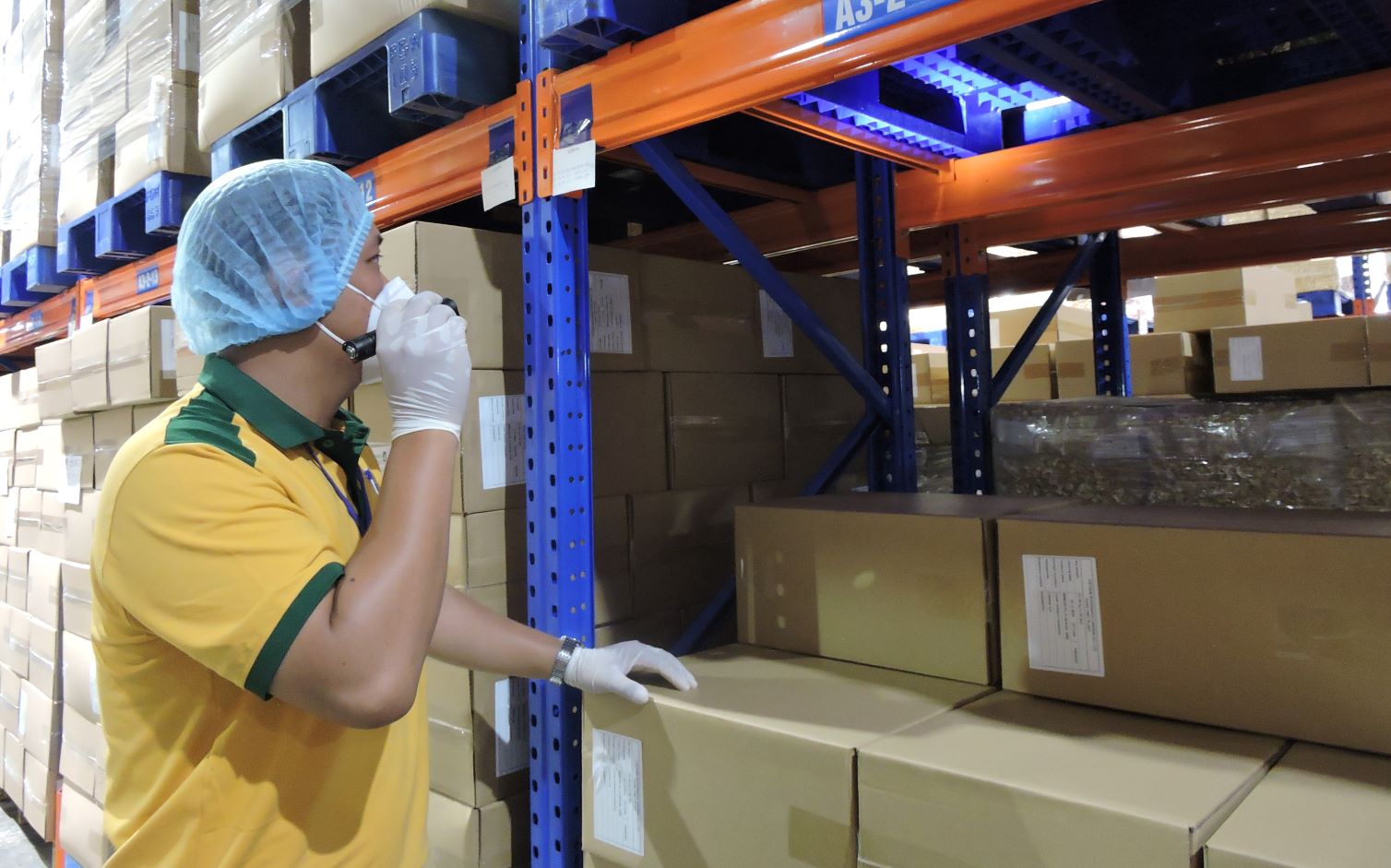
Related news



Ready to eliminate audit risks and proactively protect customer experience & brand reputation?





Dear Valued Visitor,
To protect our clients' interests, all materials here are copyrighted and may not be reproduced without permission.
We appreciate your cooperation. Should you need to use our content professionally, please contact us directly.