





By pestman | 28-01-2026
In the insect world, if ants represent hard work, cockroaches are the embodiment of humanity’s worst nightmares. Beyond the fear they trigger at first sight, these incredibly resilient creatures hide horrifying truths that can completely change the way you understand them. This article uncovers the terrifying secrets about cockroaches that few people know, while also equipping you with advanced strategies to permanently eliminate these “silent destroyers” from your living space.
1. Terrifying secrets about cockroaches
Cockroaches are near-perfect survival machines with adaptive abilities far beyond most other animals on Earth. These insects have survived for more than 300 million years thanks to their unique biological structure and highly effective reproductive defense mechanisms.
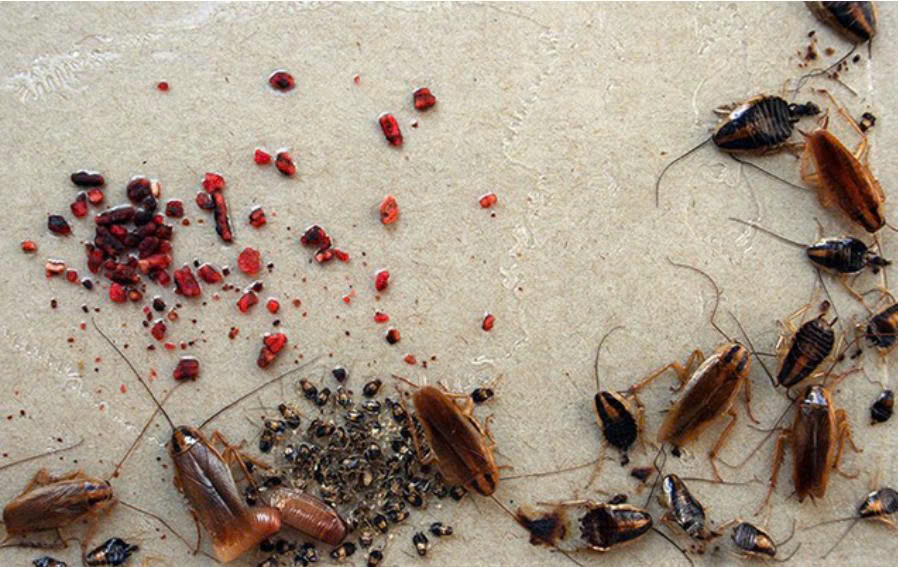
Secrets of cockroaches
1.1. How long can cockroaches hold their breath?
Cockroaches possess an astonishing ability to hold their breath for up to 40 consecutive minutes. Thanks to this capability, they can survive underwater for approximately 30–40 minutes.
- Breathing holes along the body: Cockroaches do not breathe through their nose or mouth like humans. Instead, oxygen enters their body through tiny openings called spiracles located along each body segment.
- Tracheal system: From the spiracles, oxygen travels directly into a network of air tubes connected to every cell. Because they do not rely on their mouth or brain for breathing, a decapitated cockroach can still breathe and survive for several weeks before eventually dying from dehydration and starvation.
1.2. Cockroaches can survive without their heads
Cockroaches can remain alive for days after losing their heads because their bodies do not depend entirely on the brain to maintain life functions. Their nervous system is distributed throughout the body, allowing many biological processes to continue operating normally.
In addition, cockroaches breathe through tiny spiracles along their body instead of using a nose or mouth like humans. This explains why a cockroach can continue “living” even after being decapitated. However, it will eventually die from dehydration and the inability to eat or drink.
1.3. Cockroach reflex speed
Cockroaches are among the insects with the fastest reflexes in nature. Some species can run up to 50 times their body length per second. Relative to body size, this would be equivalent to a human running hundreds of kilometers per hour.
Cockroaches possess highly sensitive sensory hairs on their legs and antennae. They can detect even the slightest vibration or air movement in their surroundings. That is why simply turning on a light or making a small movement can cause them to instantly flee at incredible speed.
1.4. The ability ofcockroaches to survive hunger and thirst
A cockroach can survive for 30–40 days without food as long as it still has access to water. Cockroaches are capable of enduring starvation because they are cold-blooded insects and do not need to consume energy to regulate body temperature like warm-blooded animals. When food becomes scarce, they automatically enter an energy-saving mode by slowing down their metabolism and minimizing movement to preserve stored energy.
In contrast to their hunger resistance, cockroaches are extremely vulnerable to dehydration and can survive only about 7 days without water. This is because they constantly require water to maintain internal fluid pressure and keep their circulatory system functioning. Their small body size and spiracles also cause rapid moisture loss to the surrounding environment. Due to this critical weakness, if deprived of both food and water, cockroaches will die from dehydration within a week—long before starvation kills them.
1.5. The secret bhind cockroach reproduction
The reproductive speed of cockroaches, especially the German cockroach (Blattella germanica), is one of the main reasons this species dominates every corner of factories and buildings. A single German cockroach egg case (Ootheca) can contain between 30–40 eggs, and the eggs may hatch within just 24 hours after being released by the female cockroach.
- Population explosion effect: Starting from only one pair of cockroaches, under the ideal temperature and humidity conditions commonly found in factories, German cockroaches can multiply into populations of tens of thousands within only a few months.
- “Immortal” cockroach eggs: The protective egg casing prevents chemical penetration, ensuring that future generations remain safely protected from most pesticide treatments.
2. How to identify the most common cockroach species today
Accurate identification of cockroach species is the critical first step in selecting effective chemicals and treatment methods. In Vietnam, the three most common cockroach species are the German cockroach, American cockroach, and Oriental cockroach. Each species has distinct biological characteristics and habitat preferences.
- German cockroach (Blattella germanica): This is a small cockroach species (1.1–1.6 cm long) with a light brown body and two distinctive dark stripes behind the head. It is widely recognized as one of the most common household pests due to its strong insecticide resistance and rapid reproduction in homes and restaurants. German cockroaches commonly hide in damp corners, kitchen crevices, and are known carriers of dangerous bacteria.
- American cockroach (Periplaneta americana): This is the largest cockroach species commonly found invading human homes and buildings. Despite its name, the American cockroach actually originated in Africa and spread worldwide through commercial shipping routes centuries ago.
- Oriental cockroach: Adult Oriental cockroaches typically measure between 2.5 cm and 3.2 cm in length, with females generally being larger and broader than males. This species has a glossy black appearance and prefers cool, damp environments.
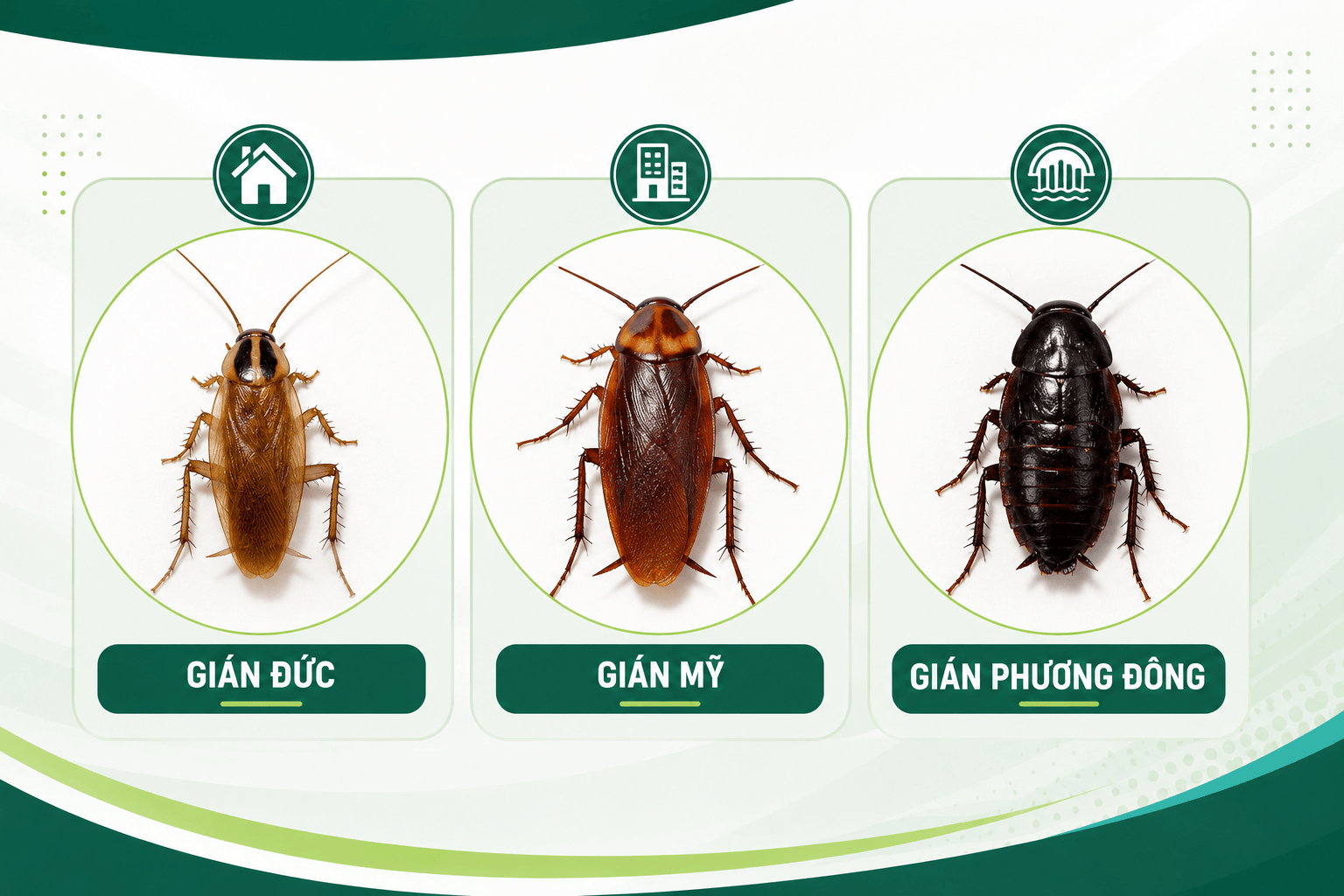
Common cockroach species
2.1. Are German cockroaches dangerous?
German cockroaches do not possess venom for biting or stinging humans. However, they are dangerous disease carriers capable of spreading bacteria such as E. coli and Salmonella, parasites, and allergens that are harmful to human health.
The major health risks associated with German cockroaches include:
- Food poisoning and intestinal disease transmission: Cockroaches crawl through contaminated areas before moving onto food and cooking utensils, spreading bacteria that cause gastritis, dysentery, and diarrhea.
- Allergies and asthma: Cockroach droppings, shed skins, and saliva contain allergenic proteins. When inhaled or touched, sensitive individuals, children, and the elderly may experience skin rashes, sneezing, runny noses, or asthma attacks.
2.2. Where are American cockroaches commonly found?
- Sewer systems and manholes: These areas are considered the primary habitat of American cockroaches because they provide darkness, high humidity, and abundant decaying organic matter.
- Septic tanks: Waste-filled environments with warm temperatures and ideal moisture levels for cockroach development.
- Garbage dumps and trash storage areas: These locations provide an endless food supply from leftover organic waste.
- Under decaying leaves or tree bark: Especially in gardens and flower beds with high humidity levels.
3. Why can cockroaches survive nuclear disasters?
The secret lies in this species’ extremely slow cell division rate. Radiation damages DNA structures most severely when cells are actively dividing, a process that occurs continuously every day in humans. In contrast, cockroach cells divide only during their periodic molting stages, while remaining dormant most of the time, which greatly minimizes radiation damage.
Thanks to this biological trait, cockroaches can withstand radiation levels of up to 10,000 rads, which is ten times higher than the lethal limit for humans. In addition, their flattened bodies and thick chitin exoskeletons act as natural shields, allowing them to crawl deep into rock crevices and underground concrete bunkers to avoid radioactive dust. After a disaster, their open circulatory system, ability to survive without food for up to a month, and omnivorous feeding behavior allow cockroaches to continue reproducing in devastated and resource-scarce environments.
4. What dangerous pathogens do cockroaches carry into food production systems?
Cockroaches act as “disease transport vehicles” by carrying at least 33 different types of bacteria, including Salmonella, E. coli, Shigella, Staphylococcus (staph bacteria), and Streptococcus (strep bacteria). They spread pathogens not only through their legs but also through feces, vomit, and bodily secretions, causing direct cross-contamination on production surfaces.
Field inspections have shown that cockroaches are among the leading causes of HACCP and ISO 22000 violations in food manufacturing facilities. Their presence is clear evidence of serious sanitation system weaknesses.
>> See more: Integrated pest management (IPM) program in international food safety standards
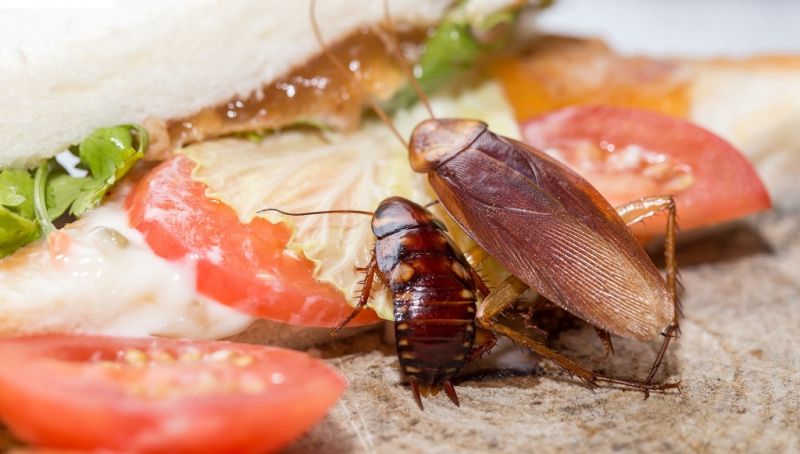
The harmful impacts of cockroaches
>> You may be interested in: Professtional pest control services
5. Why do cockroaches commonly appear in kitchens and food storage areas?
5.1. Abundant water sources and high humidity
As mentioned earlier, cockroaches can survive without food for an entire month but may die from dehydration after only 7 days. Kitchens are essentially their “oasis,” providing countless water sources such as kitchen sinks, leaking pipes, standing water on floors, and high humidity beneath refrigerators. Even a few tiny drops of standing water are enough to keep an entire cockroach colony alive.
5.2. An endless food paradise
Food storage rooms and kitchens contain all of a cockroach’s favorite food sources, from scattered grains of rice and grease buildup on stoves to improperly sealed food packaging. Even when food is stored properly, organic materials such as warehouse cardboard, book-binding glue, soap, and organic waste can still serve as food sources that allow cockroaches to survive.
5.3. Countless warm and dark hiding places
Cockroaches are light-averse insects that prefer warm, narrow spaces for breeding. Kitchens and storage areas contain numerous hidden corners and narrow gaps such as cabinet crevices, spaces beneath gas stoves, behind refrigerators (where motor heat creates warm conditions), and stacked cardboard boxes. These locations provide extremely safe shelters where cockroaches can hide from humans and natural predators.
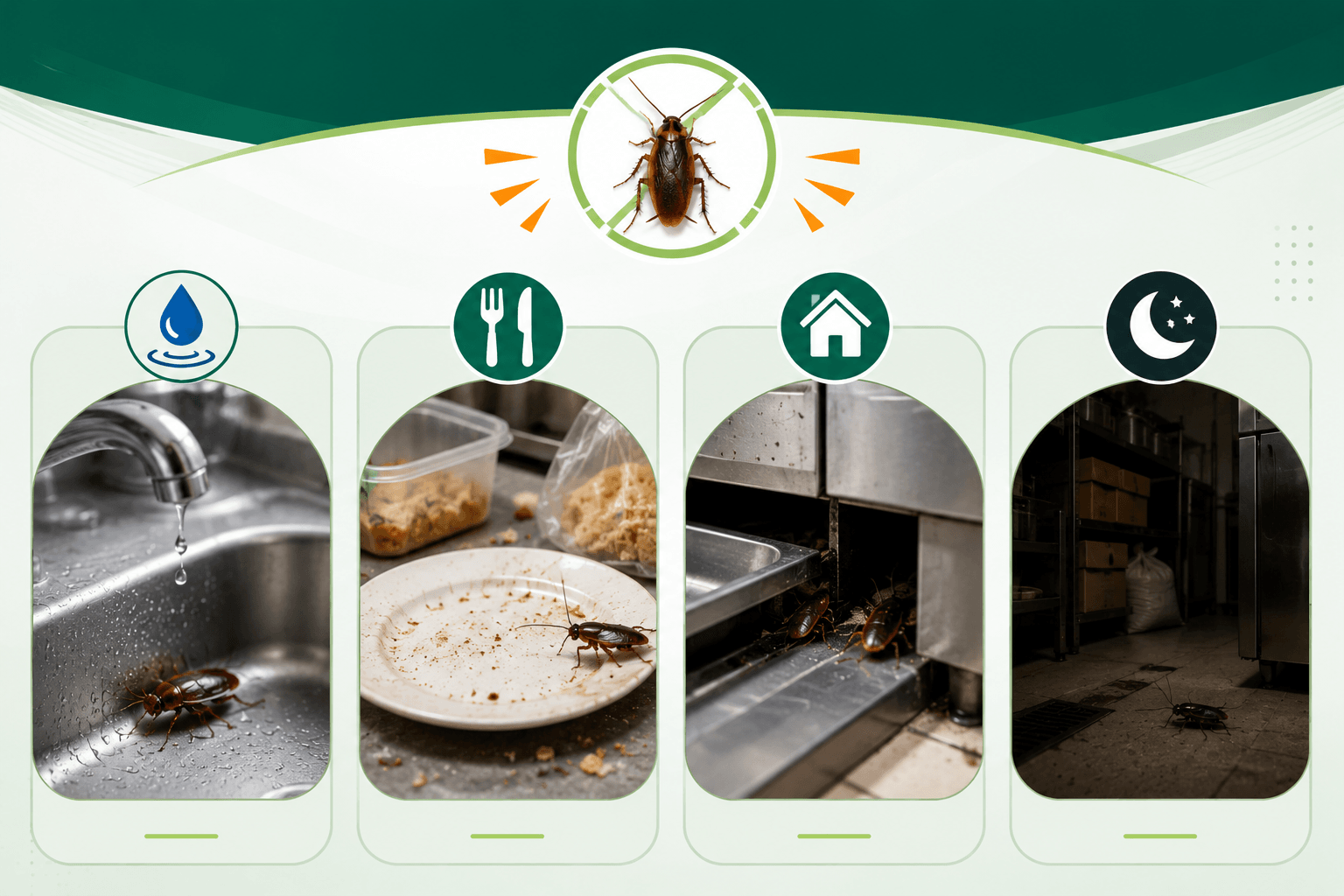
Why cockroaches infest kitchens
>> Read more: 5 high-risk cockroach hotspots in factories during hot and humid seasons


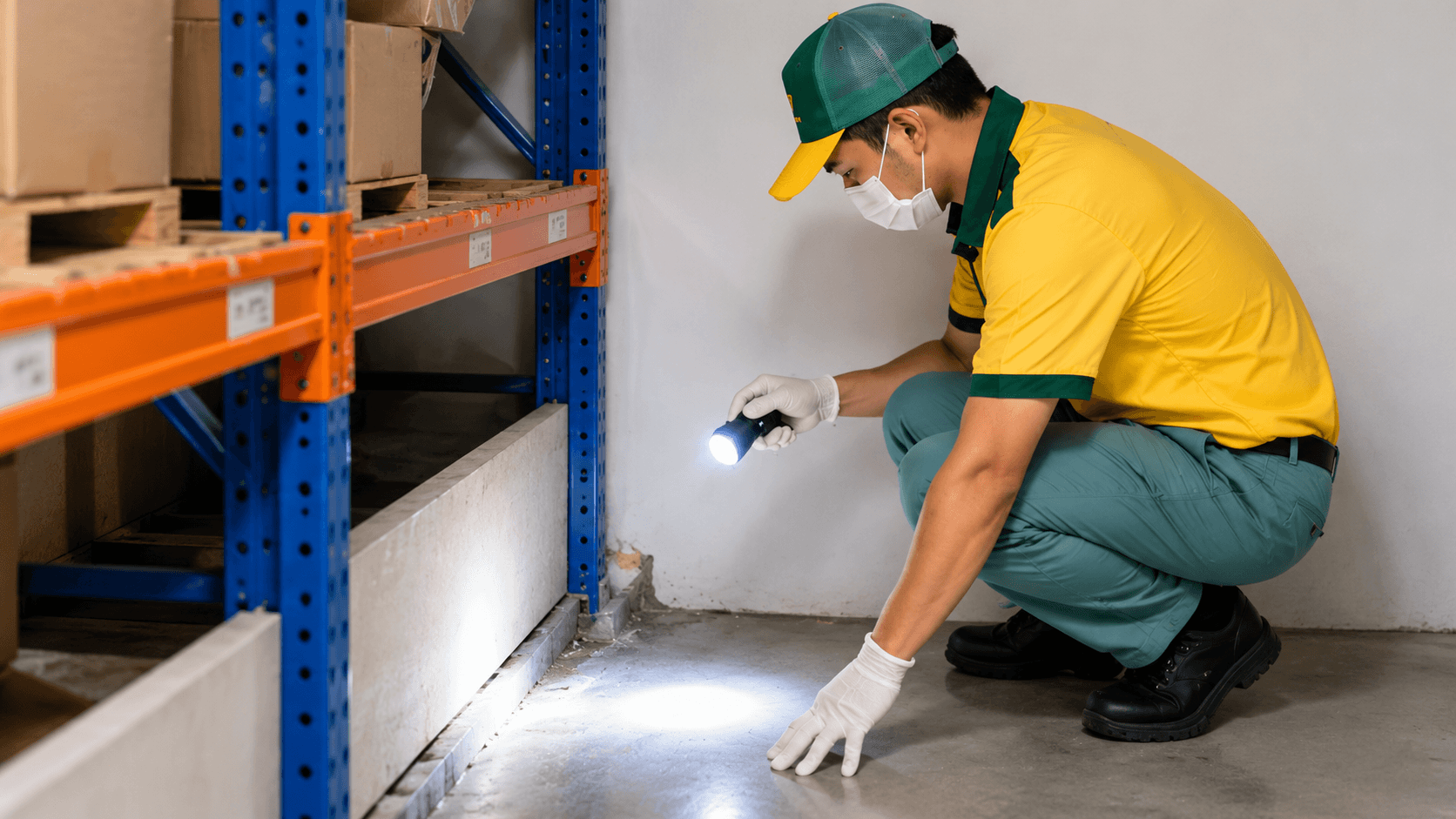
Mistakes that cause insects to recur in warehouses
Insects in warehouses can affect the quality of goods, efficiency, ...
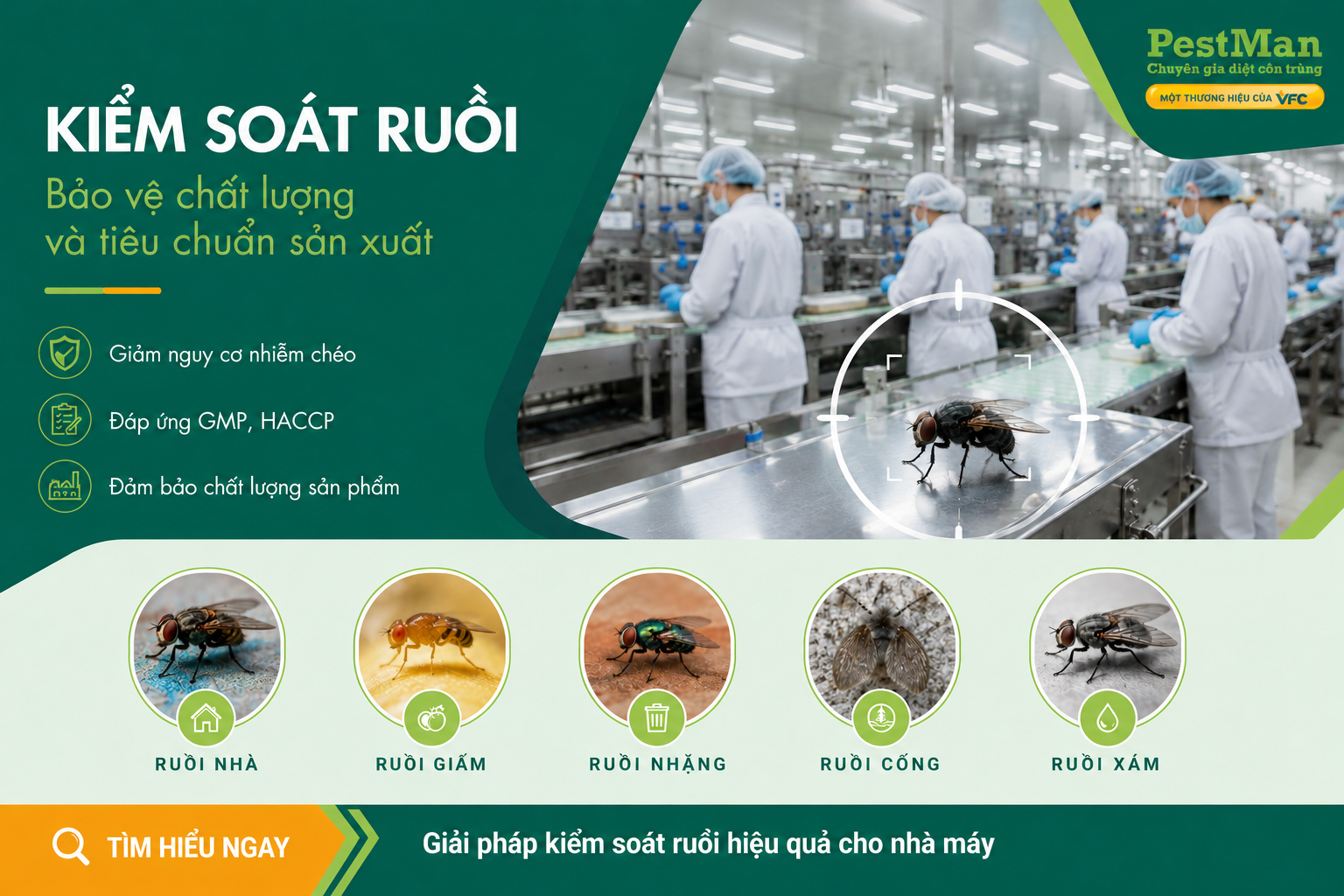
Effective fly control in factories: Identifying the right species for root-cause treatment
In manufacturing environments, especially in food and beverage factories…
Related news

Ready to eliminate audit risks and proactively protect customer experience & brand reputation?






Dear Valued Visitor,
To protect our clients' interests, all materials here are copyrighted and may not be reproduced without permission.
We appreciate your cooperation. Should you need to use our content professionally, please contact us directly.