





By VFC PestMan | 27-09-2026
Businesses need to manage insects through a system capable of controlling risks from their source and entry routes to high-risk areas. With more than 50 years of experience in pest control, VFC PestMan provides solutions for factories, warehouses, hotels, resorts, buildings and various B2B operating models, combining site surveys, IPM principles, monitoring devices and data management.
An insect control company for businesses needs to help customers understand where insects are occurring, which factors are creating risks, which areas need to be prioritised and what actions need to be taken next. This provides a basis for businesses to manage pest occurrence more consistently and reduce impacts on products, operations and internal assessment or audit requirements.

1. Why do businesses need professional insect control services?
Each type of business has a different risk profile. Food factories need strict control of flies, cockroaches, ants, rodents and stored-product insects around raw materials, production lines and packaging areas. Logistics warehouses often face pressure from rodents, insects travelling with goods and entry routes around loading areas.
Hotels and resorts need to pay particular attention to mosquitoes, ants, cockroaches, termites and other pests occurring in landscaped areas, guest rooms or service areas. Construction projects and real-estate properties need to focus on termites, while agricultural warehouses also need to monitor weevils and other insects that damage stored goods.
Therefore, selecting an insect control company for businesses needs to be based on its survey capability and its ability to develop solutions according to actual site conditions. A fixed spraying schedule is unlikely to fully reflect changes in seasonality, goods flow, sanitation conditions, building structure and operations.
2. What should an insect control company for businesses do?
A professional provider usually begins with a site survey. The technical team inspects the insect species present, their locations and density, as well as food sources, water sources, harbourage and potential pest entry routes.
Survey results are used to classify areas according to risk level. Areas with exposed products, raw material warehouses, receiving areas, waste houses, support areas and external landscaping require different measures. This zoning approach helps businesses use the right method in the right location.
The next step is to establish a control and monitoring system. Depending on the target pest, the programme may use insect light traps, mechanical traps, rodent control stations, gels, baits, specialised devices or treatment measures appropriate to the business’s operating conditions.
Inspection data help responsible personnel track trends over time. If a location records a continuous increase in pest density, the business has a basis for reviewing environmental conditions, entrances, incoming goods, sanitation or structures around that area.
Read more: Insect control services for businesses: The process from site survey to periodic monitoring
3. VFC PestMan implements insect control using the IPM model
VFC PestMan applies IPM - Integrated Pest Management. This approach combines identification, risk assessment, prevention, monitoring, control and result tracking.
IPM is suitable for business environments because insect occurrence is often associated with multiple factors at the same time. Flies may originate from waste areas, raw materials or the outside environment. Cockroaches are often associated with gaps, moisture and food sources. Rodents may move through fences, loading doors, pipes or structural openings.
An insect control company for businesses using an IPM approach connects on-site data with causes and treatment actions. This allows businesses to prioritise locations that directly affect operations instead of spreading resources across the entire facility.
3.1. Survey and risk identification
The survey helps identify the correct species and source of occurrence. The technical team needs to inspect both internal and external areas, from fences, landscaping and waste areas to warehouses, production areas, support areas and technical routes. Businesses can begin with a risk assessment service and the development of an IPM programme.
Each sign needs to be linked to its specific context. An increase in flies around warehouse doors may be related to door-opening patterns and lighting. Cockroaches appearing near damp areas require a review of sanitation conditions and harbourage. Rodent signs around warehouses require inspection of entry routes and nearby food sources.
3.2. Prevent pest entry
Businesses can significantly reduce risk by addressing entry routes. This includes sealing gaps at wall bases, addressing spaces beneath doors, screening technical openings, properly finishing wall penetrations and controlling points that connect with the outside environment.
This is an important part of the control programme because pests often use small structural details as movement routes. When entry routes are effectively addressed, pressure on internal trapping systems and treatment measures is also reduced.
3.3. Establish monitoring devices
VFC PestMan uses multiple groups of devices, including insect light traps, rodent control stations, mechanical traps and specialised monitoring devices.
Devices need to be positioned according to a map and clearly coded so that the same location can be monitored across multiple inspection cycles. This management approach helps responsible personnel identify areas with increasing trends and evaluate the effectiveness of actions already implemented.
3.4. Treatment by area
Treatment methods are selected according to pest species, location and sensitivity level. Food-production areas need to prioritise solutions appropriate for product safety. Warehouses need to consider goods and transport flow. Perimeter areas may focus more on monitoring and reducing pest pressure from outside.
This approach helps an insect control company for businesses maintain a balance between treatment effectiveness, safety and operational requirements.
4. Which insect and pest groups does VFC PestMan control?
VFC PestMan provides multiple service groups for businesses, ranging from control of common pest species to the development of Integrated Pest Management programmes. Solutions are selected according to facility type, risk level and actual operational requirements.
4.1. Insect and rodent control
VFC PestMan controls common groups such as flies, mosquitoes, ants, cockroaches, rodents, spiders and other insects commonly found in factories, warehouses, hotels, restaurants and commercial areas. The solution focuses on identifying sources of occurrence, preventing entry routes, monitoring and applying treatment appropriate to each area.
4.2. Termite and stored-product insect control
This service group focuses on termites, weevils and other insects that may affect structures, pallets, packaging, raw materials or stored goods. VFC PestMan conducts surveys, monitoring and solution selection appropriate to each type of building and warehouse.
4.3. Specialised pest control
In addition to common pests, VFC PestMan also controls specialised pest groups such as birds, bats, snakes, bees and wasps, snails, millipedes, lizards and some small wildlife species. Solutions are developed according to the biological characteristics of each species and actual conditions at the facility.
4.4. Risk assessment and pest management programme development
VFC PestMan supports businesses in surveying risk points, identifying critical areas, developing monitoring maps and building pest management programmes appropriate to operational requirements. This provides the foundation for systematic risk management rather than handling each incident separately.
4.5. IPM consulting, training and monitoring
This service supports businesses in implementing an IPM programme in stages. It may include pest-identification training, guidance on site inspections, data-monitoring support and preparation of documentation for internal assessments or audits.
4.6. Pest control for special requirements
For facilities with specific operational, environmental, standard or scheduling requirements, VFC PestMan can develop specialised solutions. The solution is adjusted according to the site layout, pest type, level of impact and safety requirements of each business.
The broad range of services makes VFC PestMan suitable for various B2B models, including factories, warehouses, logistics centres, hotels, resorts, buildings and other facilities. In each case, an insect control company for businesses needs to correctly identify the pest group and control objective before selecting an implementation method.
Explore now: VFC PestMan’s insect and pest control services
5. What requirements should factory insect control services meet?
Factories have higher requirements than many conventional service environments because pest control is directly connected with QA, HSE, sanitation, production and warehouse operations.
An insect control company serving factories needs to understand risk zoning, chemical control, equipment requirements, service timing and access procedures for production areas.
Data also need to be fully recorded. Device maps, inspection history, images, figures and recommended actions help QA assess conditions more clearly and retrieve information when needed.
VFC PestMan implements pest management programmes for environments with requirements related to AIB, BRC/BRCGS, FSSC, ISO and HACCP. Services also include consulting, risk assessment and the development of IPM programmes for businesses.
6. How do the PestMan App and Dashboard support business data management?
VFC PestMan uses digital technology to connect on-site inspection activities with management data. This is particularly important for businesses with many control points, multiple areas or frequent requirements for historical data retrieval.
6.1. The PestMan App supports on-site data recording
The PestMan App supports technicians in updating information during inspections and service activities. Data are recorded by individual control point, creating a clear history for each area.
On-site information can be centralised within the system so that responsible personnel can easily compare data across inspection cycles. This management approach reduces dependence on separate paper records and supports faster data retrieval.
6.2. The PestMan Dashboard supports overall monitoring
The PestMan Dashboard consolidates inspection data, helping managers monitor trends, locations showing changes and the status of control points.
For businesses operating multiple factories or warehouses, the Dashboard enables QA or HSE teams to review data by location and identify areas that need priority inspection.
The connection between the App and Dashboard creates a clear process: on-site recording - data consolidation - trend monitoring - appropriate action.
7. What role does an insect control company for businesses play in audits?
Businesses in food, beverage, pharmaceuticals, warehousing and supply chains often need to demonstrate their pest-control activities during audits or customer assessments.
Documentation may include device maps, inspection logs, periodic reports, on-site images, density data, chemical information and corrective actions. When documentation is clearly managed, QA can quickly retrieve the history of each area. QA should also review 5 pest-control documentation errors that are easily detected during audits.
An insect control company for businesses with experience in audit environments needs to help responsible personnel understand the data and next actions. If a monitoring point records increasing density, the report should indicate the location, trend, factors requiring inspection and coordination needed with relevant departments.
This helps pest control become part of the business’s risk-management system while supporting documentation preparation for audits and assessments.
8. Which businesses are suitable for VFC PestMan’s services?
Manufacturing factories
Food, beverage, packaging and pharmaceutical factories, as well as manufacturing facilities with high hygiene, safety and audit requirements, need systematic pest management programmes.
Warehouses and logistics
Cold-storage warehouses, finished-goods warehouses, distribution centres and logistics warehouses need to monitor rodents, cockroaches, stored-product insects and entry routes associated with receiving and dispatch operations.
Hotels and resorts
Guest rooms, restaurants, landscaped areas, swimming pools and service areas need control of mosquitoes, ants, cockroaches, termites and other insect groups according to schedules appropriate to operations.
Buildings and real estate
Termites are one of the main risks for construction projects, factories and properties containing large amounts of wooden materials. Monitoring and control activities need to be implemented according to each stage of the project.
Agricultural warehouses and processing factories
Weevils, rodents, cockroaches and stored-product insects can directly affect raw materials, packaging and goods quality. The control programme needs to reflect seasonality, storage duration and the characteristics of each type of goods.
9. Criteria for selecting an insect control company for businesses
Businesses should first consider the provider’s survey capability. The provider needs to identify the species, source of occurrence, entry routes and risk areas rather than proposing one general solution for the entire facility.
Experience is also very important. Factories, warehouses, resorts and buildings each have their own operational and safety requirements. Technicians need to understand the customer’s procedures in order to select appropriate timing and methods.
The monitoring and reporting system is another important criterion. An insect control company for businesses needs to provide sufficiently clear data so that managers can understand the condition of each area and track changes over time.
Coordination capability also needs to be evaluated. Many pest issues involve sanitation, maintenance, warehousing, landscaping and QA at the same time. Recommendations need to be specific enough for each department to carry out its corresponding responsibilities.
You may also be interested in: Effective termite control methods without damaging building structures
10. Why do businesses choose VFC PestMan?
VFC PestMan is a pest-control brand of Vietnam Fumigation Joint Stock Company. VFC PestMan operates in Professional Pest Management Services and has more than 50 years of experience implementing pest-control solutions.
VFC PestMan’s capabilities include insect and rodent control, termite control, specialised pest control, IPM, consulting and training. VFC PestMan also has a network of branches and service stations serving multiple areas across the country.
In addition to on-site activities, the PestMan App and Dashboard support digital pest-control data management. This is suitable for businesses that need to monitor multiple points, retrieve historical records or prepare data for assessments and audits.
For an insect control company serving businesses, on-site treatment capability needs to be combined with monitoring, analysis and risk-management capability. This is also the approach VFC PestMan uses when developing programmes for business customers.
11. Frequently Asked Questions about insect control services for businesses
How often should businesses carry out insect control?
Frequency depends on the type of operation, risk level, pest species, occurrence history and management requirements of each facility. Actual monitoring data should be used to adjust inspection and treatment schedules.
When should businesses carry out insect treatment?
Businesses should contact a pest-control provider when increasing pest density is recorded, signs appear in sensitive areas, the facility is preparing for expansion, the layout changes or the programme needs to be reviewed before an audit.
Do factories need an IPM programme?
IPM is suitable for factories because it combines prevention, entry prevention, monitoring, sanitation, treatment and data tracking. This system helps QA manage risk more clearly by area.
What documentation should an insect control company provide to businesses?
Depending on requirements, documentation may include device maps, inspection records, on-site images, pest data, treatment-method information, chemical documentation and improvement recommendations.
Does VFC PestMan serve businesses with multiple locations?
VFC PestMan has a network of branches and service stations in multiple areas, making it suitable for businesses operating multiple factories, warehouses, hotels or other facilities.
12. Select an insect control company for businesses based on risk-management capability
An effective control programme needs to help businesses correctly identify pest species, determine the source of occurrence, monitor changes and implement actions appropriate to each area. This provides the basis for protecting products and assets and maintaining stable operations.
VFC PestMan provides solutions based on an IPM approach, combining site surveys, pest-entry prevention, monitoring systems, technical treatment and data management. For businesses with audit requirements or multiple facilities, the App and Dashboard systems support stronger monitoring and information retrieval capabilities.
If businesses are looking for a pest control company for businesses, need to survey the current pest situation or build a control program suitable for a factory, warehouse, hotel, or building, VFC PestMan can assist with on-site evaluation and propose solutions based on actual risks.
Hotline: (+84) 932669883
Email: contact@pestman.vn


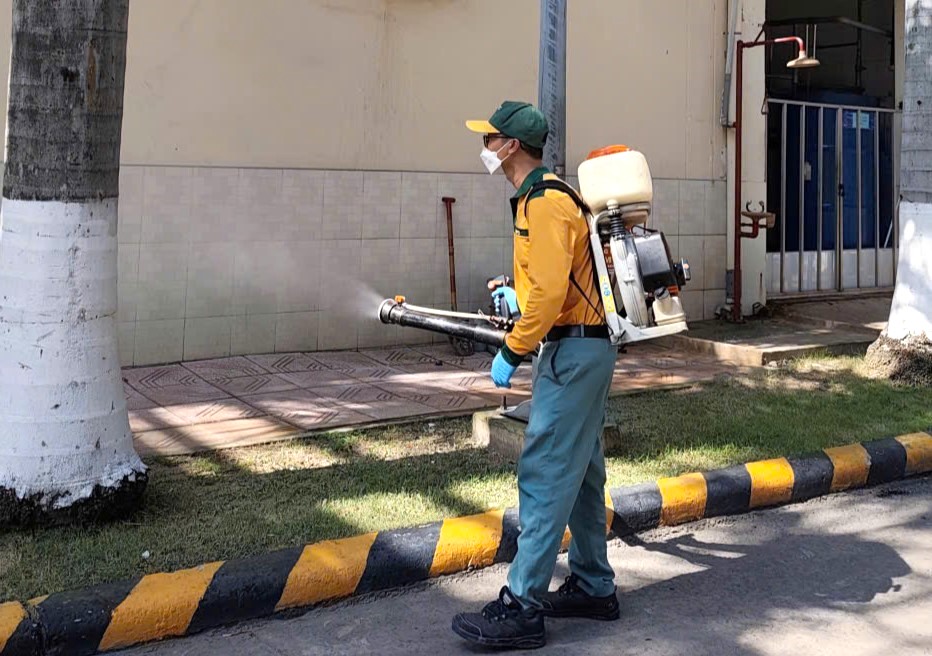
VFC PestMan – đơn vị cung cấp dịch vụ diệt muỗi nhà máy tại Hà Nội
Dịch vụ diệt muỗi nhà máy tại Hà Nội được VFC PestMan triển khai dựa…
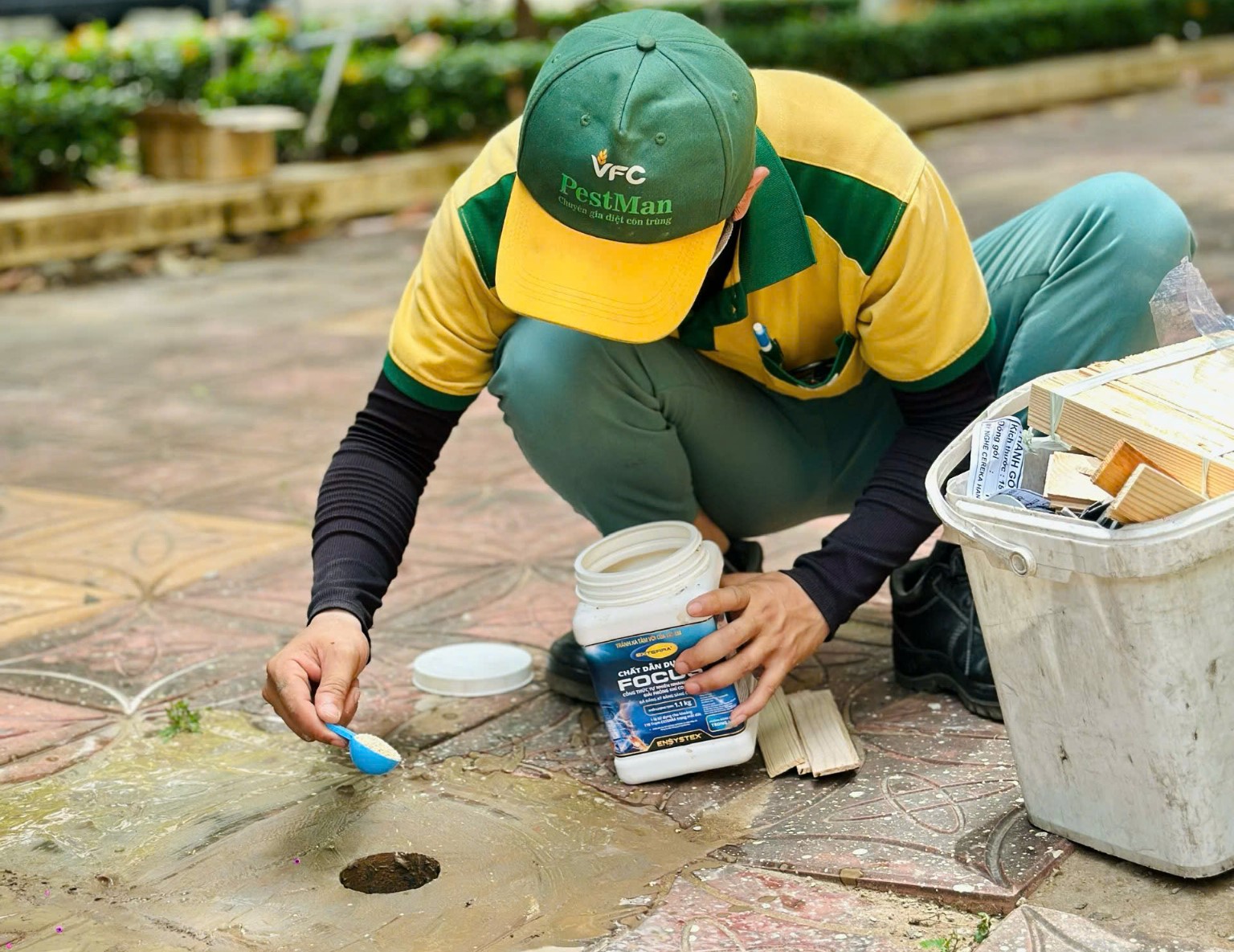
Dịch vụ diệt mối kho hàng, nhà máy hiệu quả, bảo vệ kết cấu công trình
Dịch vụ diệt mối kho hàng, nhà máy của VFC PestMan giúp doanh nghiệp phát…
Related news

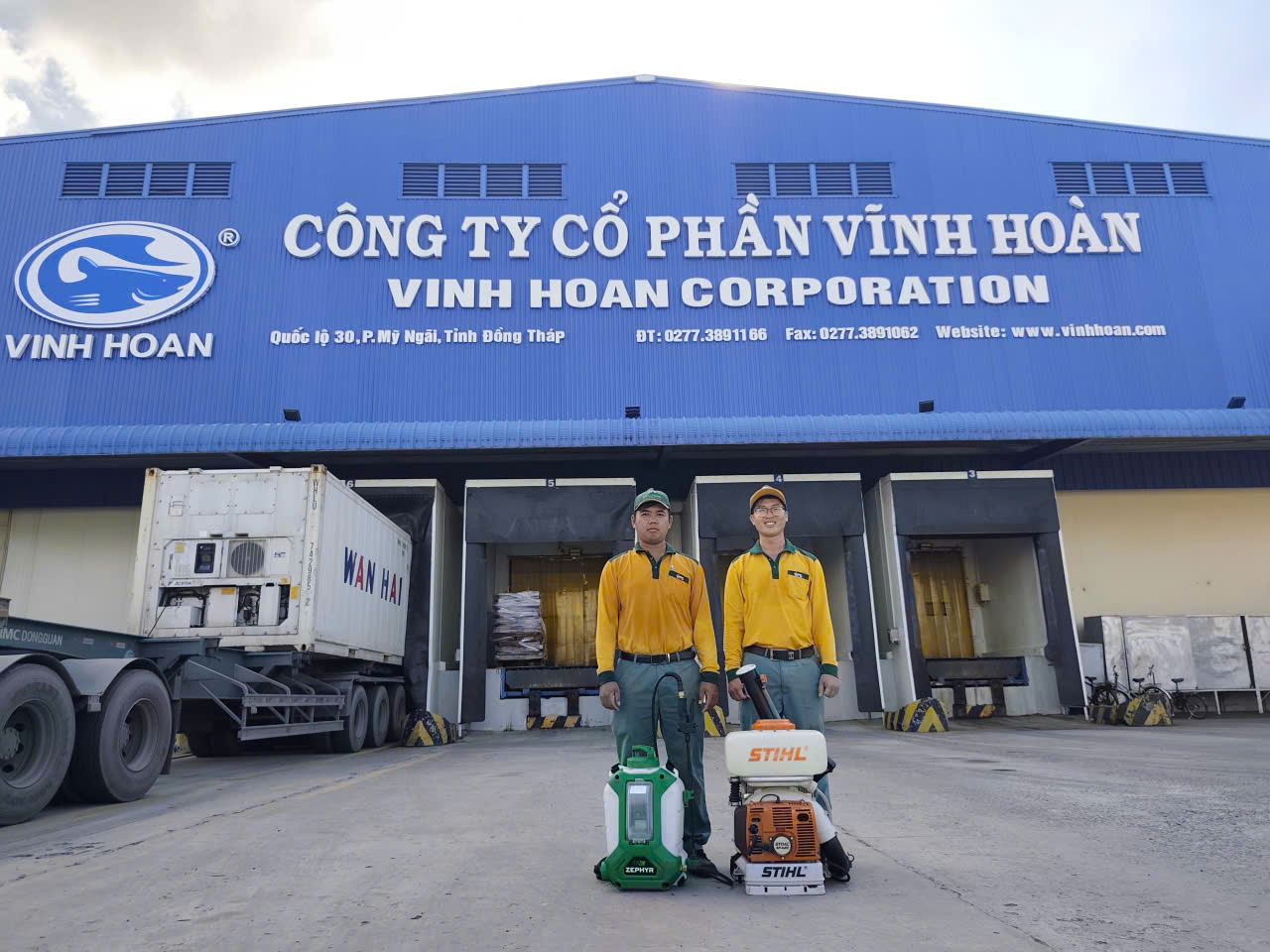

Ready to eliminate audit risks and proactively protect customer experience & brand reputation?





Dear Valued Visitor,
To protect our clients' interests, all materials here are copyrighted and may not be reproduced without permission.
We appreciate your cooperation. Should you need to use our content professionally, please contact us directly.