





By pestman | 28-01-2026
Learning about wasps– Prevention and handling methods
Appearance of wasps
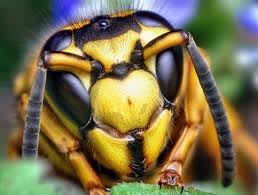
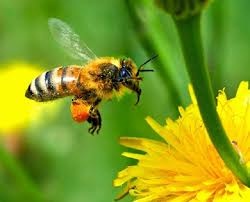
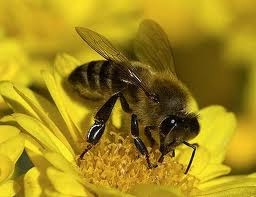
Wasps are insects with four wings, five eyes, and six legs, and their entire bodies are covered with fine hairs. Like other insects, a wasp’s body is divided into three main parts: the head, thorax, and abdomen. The queen wasp is the largest, followed by the drones, while worker wasps are the smallest. Despite their tiny size and simple appearance, the organizational structure of bee colonies is remarkably sophisticated and continues to inspire human society.
Coloration
Wasps are commonly black, pale yellow, or light brown in color. Honey wasps were among the first insects discovered to possess color vision. They can distinguish yellow, blue, and ultraviolet light wavelengths. However, they cannot recognize the color red, which appears similar to green from their perspective.
Characteristics of wasps
Wasps possess a specialized stomach used for storing nectar, while female wasps are equipped with stingers for defense against threats. Wasps collect nectar using their proboscis and store it internally before returning to the hive to regurgitate and share it with other colony members. Throughout its entire lifetime, a single wasp produces less than one teaspoon of honey. To produce approximately half a kilogram of honey, wasps in a colony must collectively travel around 88,000 kilometers and gather nectar from nearly two million flowers.
Habbits
Unlike many other insects, wasps do not hibernate throughout the winter. Instead, they cluster tightly together inside the hive to maintain warmth. A worker wasp typically travels 2 to 3 kilometers from the hive in search of nectar and may visit between 50 and 100 flowers during a single foraging trip before returning.
Colony structure
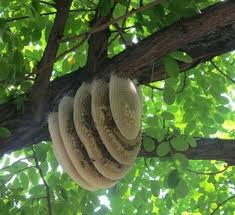
A wasp colony may contain anywhere from several dozen to tens of thousands of individuals, although some smaller colonies may consist of only around ten wasps. A typical honey wasp colony includes one queen wasp, several hundred drones, and thousands of worker wasps. Honeycombs are made of interconnected hexagonal wax cells used for storing honey and raising larvae. Under the leadership of the queen wasp, worker wasps form the largest group within the colony, while drones mainly serve reproductive purposes.
Wasps habitat
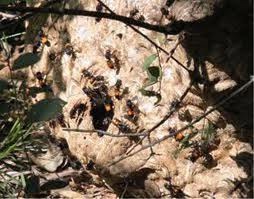
Honey wasps can fly at speeds of approximately 24 kilometers per hour, with wing beats reaching around 11,000 times per minute. When a hive becomes overcrowded, a newly emerged queen wasp may leave the colony to establish a new hive elsewhere. Bees commonly build nests in tree branches, although they may also nest in rooftops, chimneys, walls, or other exposed spaces. Worker wasps make up the majority of the colony population.
Diet and feeding habits
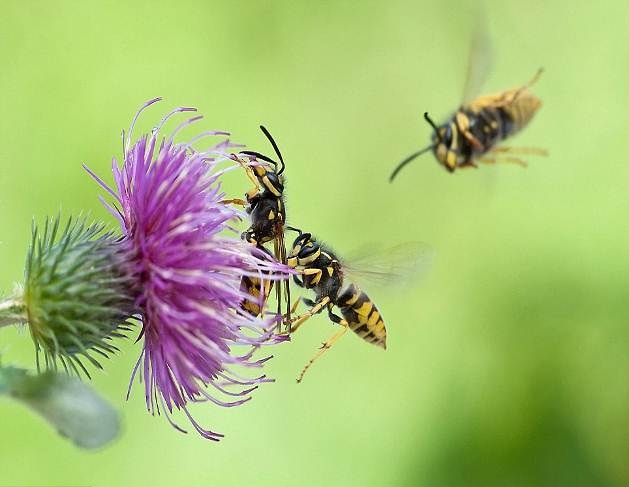
Wasps primarily feed on flowers, and floral scents strongly influence their behavior. Honey wasps produce honey from nectar collected from plants and store it inside honey sacs within the hive.
Flowers serve as the primary food source for wasps, while pollen provides essential fats, proteins, and minerals. Wasps collect both pollen and nectar from blossoms. They convert nectar into honey and consume it together with pollen for nutrition. During foraging activities, wasps unintentionally transfer pollen from one flower to another, contributing to the pollination cycle.
Defense mechanisms
To protect the hive, worker wasps constantly guard the entrance. Wasps become highly aggressive when their colony is threatened. If intruders attempt to steal honey, guard wasps release alarm pheromones that alert other wasps to swarm out and defend the hive.
Reproduction
The primary role of the queen bee is reproduction. During her lifespan of approximately five years, a queen bee may lay up to one million eggs. Bee eggs are tiny, white, and pear-shaped. After about three days, the eggs hatch into small white larvae. The queen bee is responsible for laying eggs, while drone bees exist mainly to mate with the queen for reproduction. Every 24 hours, a queen bee can produce around 1,500 worker bees. Worker bees typically require about 21 days to mature and emerge from their wax cells, whereas drone bees require approximately 24 days.
Life cycle
A worker wasp lives for about four weeks during spring and summer. Worker wasps usually die shortly after losing their stinger. In cooler weather, their lifespan may extend up to six weeks. However, during autumn and winter, because they do not fly out frequently to collect nectar, they can survive for several months.
Dangers caused by wasps
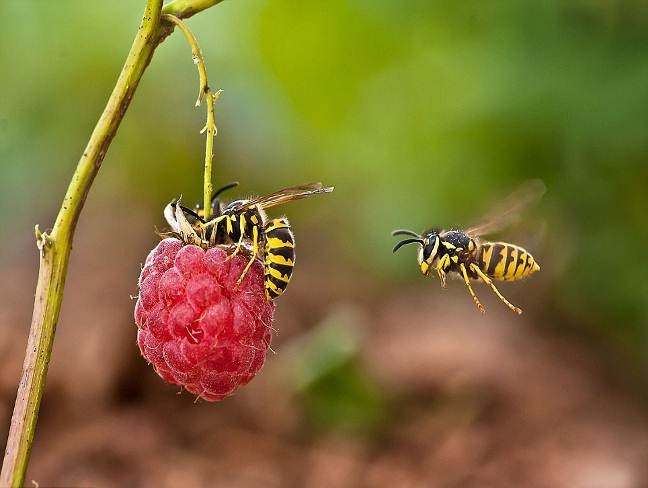
Bees and wasps are considered among the most dangerous insects in Vietnam, including hornets, paper wasps, and yellowjackets.
Among bee and wasp venoms, hornet venom and ground wasp venom are considered the most dangerous. Unlike honey bees, these insects do not leave their stingers behind after stinging, allowing them to attack multiple times without dying. People who accidentally step on a ground wasp nest may only manage to run a few steps before collapsing from the pain and multiple stings.
Benefits
Among all bee species, honey bees are considered the most important because they provide countless benefits to human life. In fact, bees play an essential role in both natural ecosystems and agricultural production. Honey bee venom has traditionally been used to treat rheumatism, neuritis, arthritis, asthma, spinal pain, and high blood pressure. Honey not only provides nutritional value for the body but is also widely used for beauty and skincare purposes. Honey can be used as a natural sugar substitute while also helping strengthen the immune system and support infection prevention.
Bee prevention and safety tips
– Avoid contact with bees and wasps whenever possible.
– Do not provoke, tease, or injure bees, as injured bees release alarm pheromones that attract the entire swarm. Never disturb a hive unless proper safety measures are in place.
– Do not leave houses, upper floors, or unused rooms abandoned, as bees may build nests there.
– Detect and remove bee nests early, especially in crowded areas or residential homes. Newly built nests should be removed immediately.
– When entering forests or natural areas, avoid wearing bright-colored clothing. Do not use perfumes, scented shampoos, or sweet-smelling cosmetics. Avoid walking barefoot or wearing loose clothing. Wear protective hats with mesh nets, gloves, and thick long-sleeved clothing.
– If bees approach, do not run. Stay calm and remain still to avoid attracting their attention.
– Public health education should raise awareness about the risks and dangers of bee and wasp stings, especially hornet attacks. People should also monitor and remove nests located near residential areas.
Read more: What is PCO pest control?
What should you do after a bee sting?
To reduce severe complications and potentially life-threatening reactions caused by hornet stings, victims should receive first aid and medical attention as quickly as possible, ideally within 10 to 15 minutes. This is especially important in cases involving highly venomous species such as hornets.
After a bee sting, the affected area often becomes swollen, painful, and inflamed due to the venom. If someone is stung by a bee, the first step is to remove the stinger immediately without squeezing or pinching it. Doing so helps reduce the amount of venom released into the body. Some individuals may experience severe allergic reactions that can become life-threatening.
Initial first aid measures include washing the sting area with soap or a mild alkaline solution, applying a cold compress, and transporting the victim to a suitable medical facility immediately afterward.
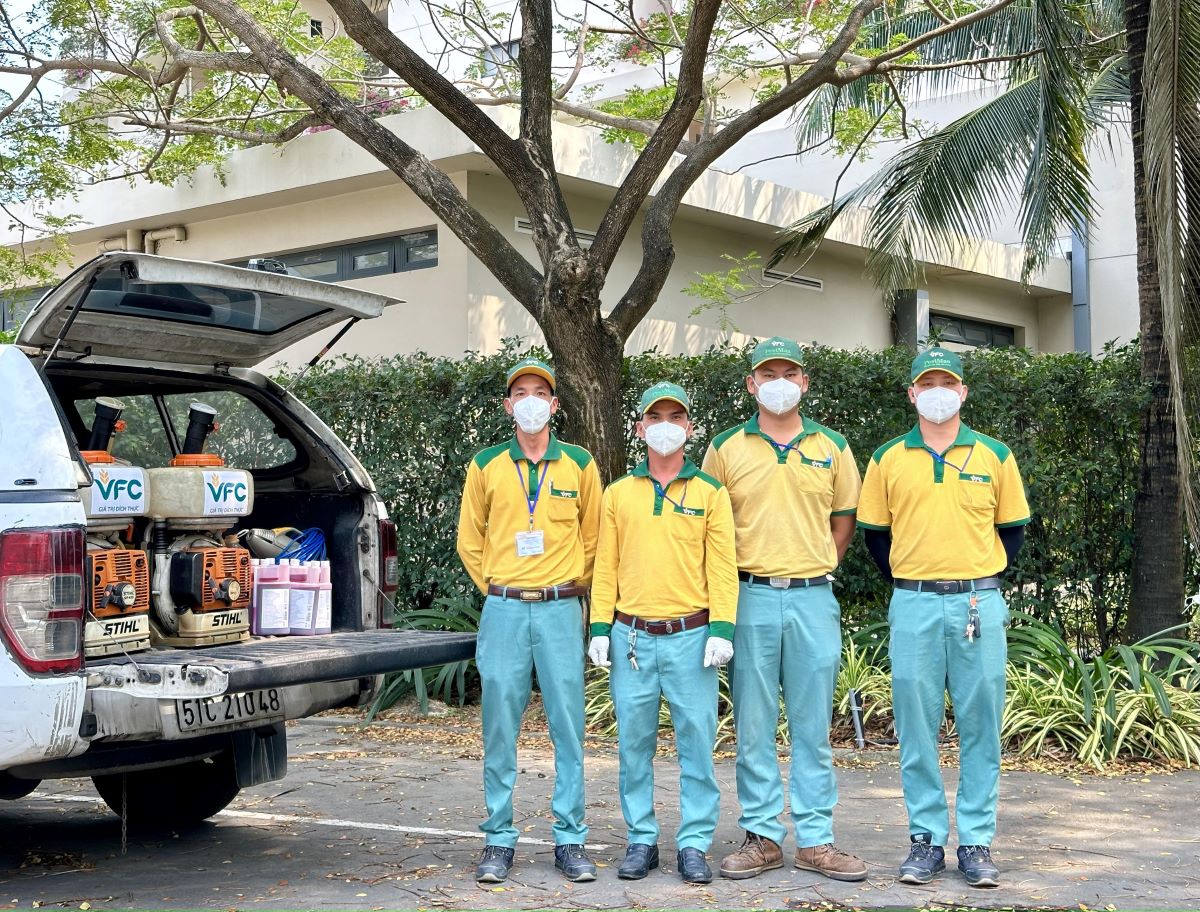
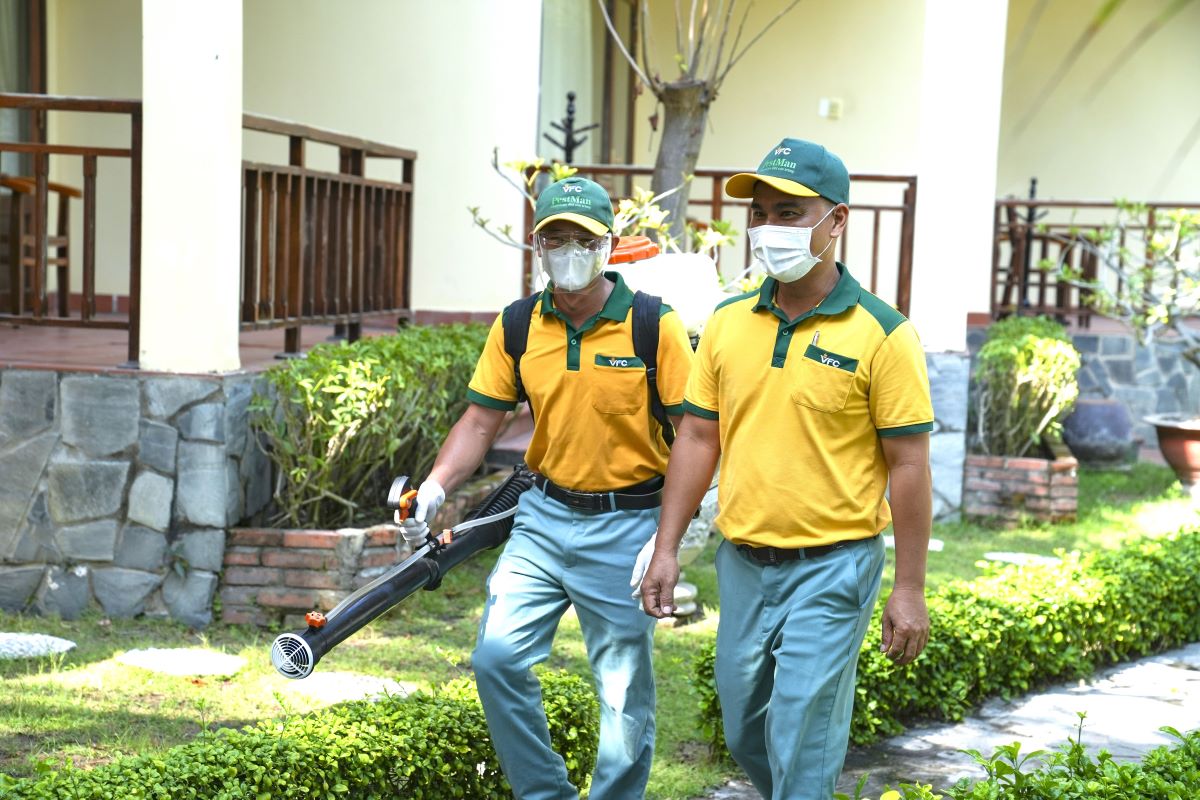
You may also be interested in: VFC PestMan insect & rodent control services.


Featured News
Logistics warehouse
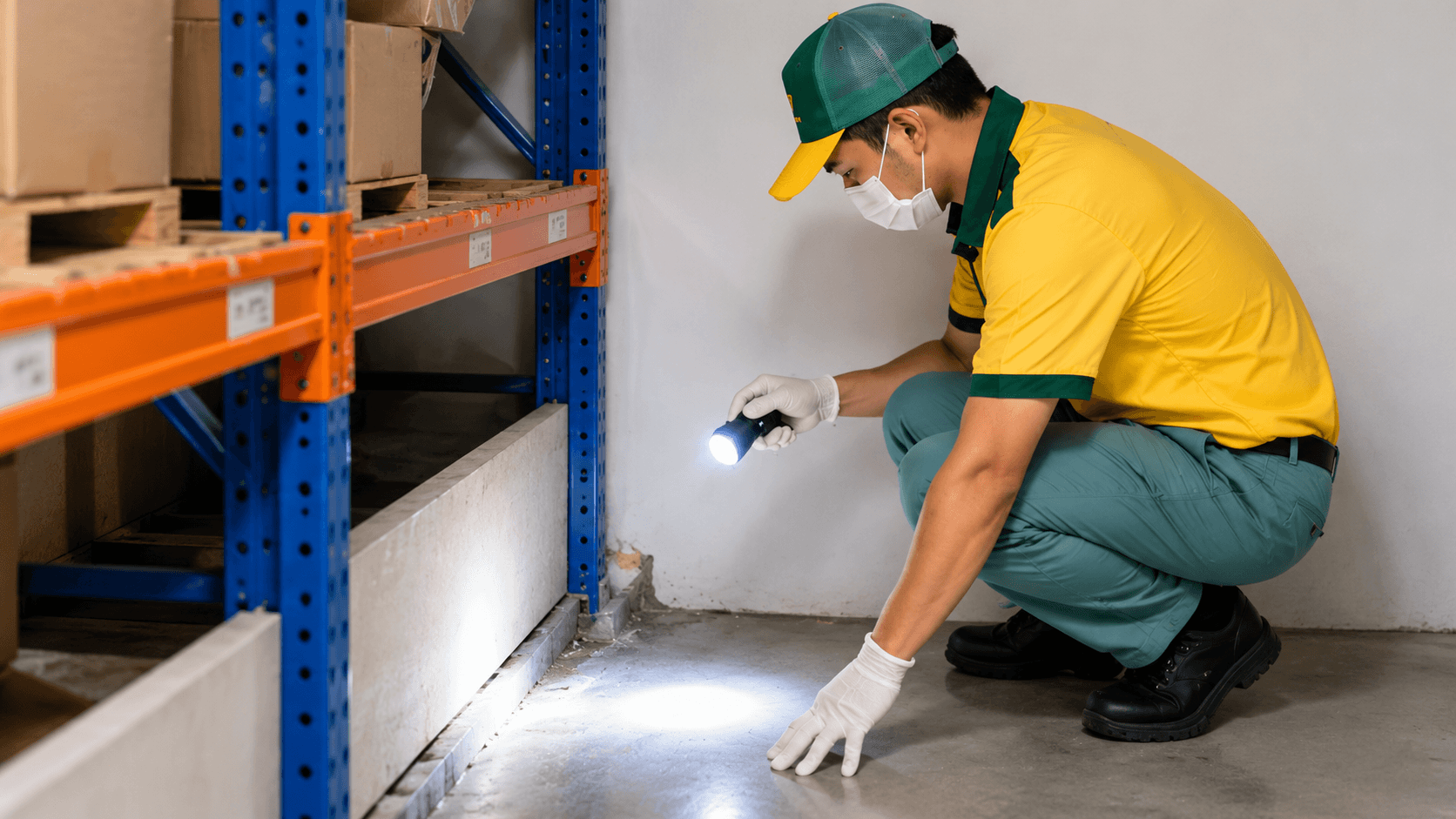
Mistakes that cause insects to recur in warehouses
Insects in warehouses can affect the quality of goods, efficiency, ...
Pest control by industry
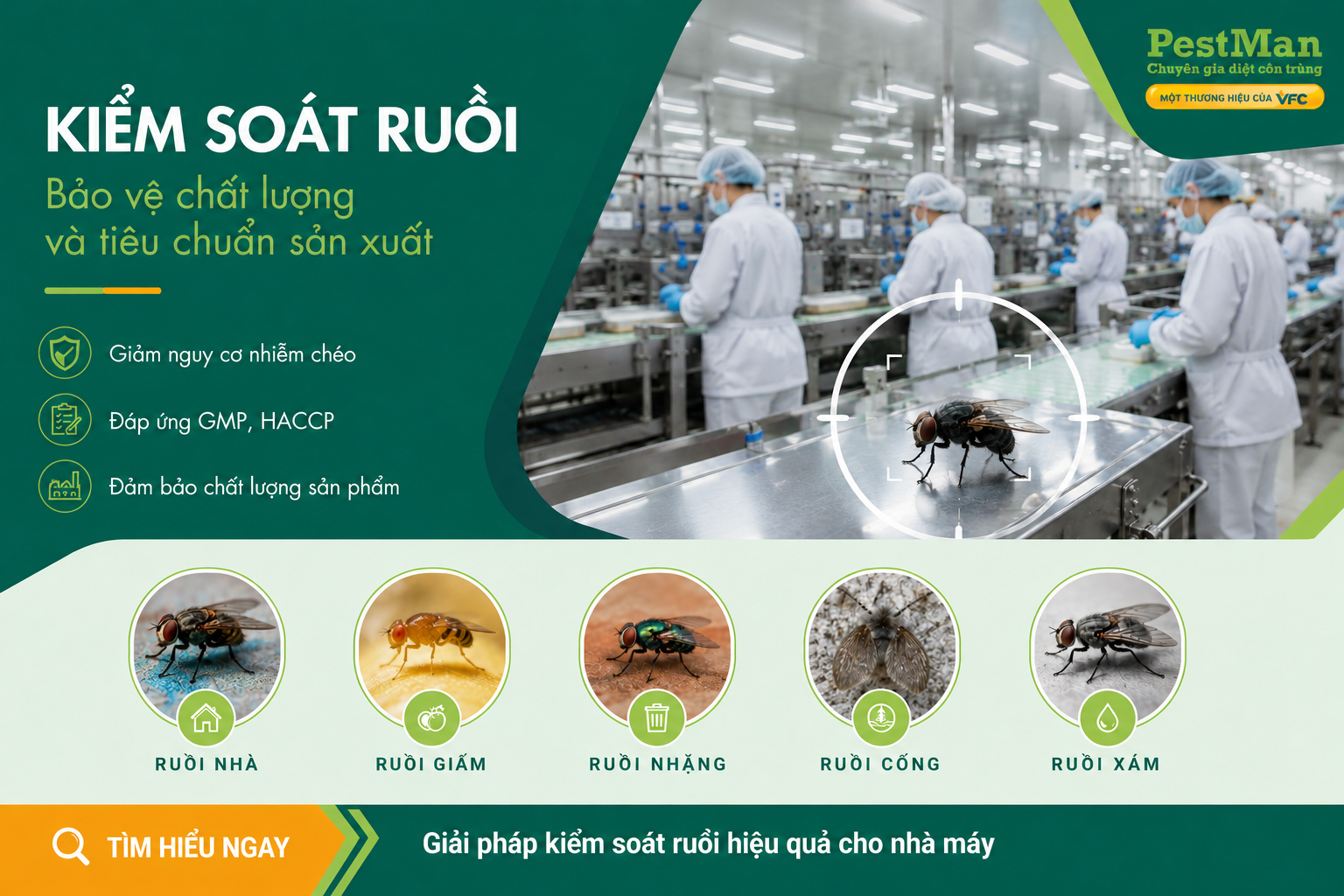
Effective fly control in factories: Identifying the right species for root-cause treatment
In manufacturing environments, especially in food and beverage factories…
Related news

Ready to eliminate audit risks and proactively protect customer experience & brand reputation?





Dear Valued Visitor,
To protect our clients' interests, all materials here are copyrighted and may not be reproduced without permission.
We appreciate your cooperation. Should you need to use our content professionally, please contact us directly.