





By pestman | 28-01-2026
House flies are a constant nightmare in every kitchen, causing not only annoyance with their buzzing sound but also acting as vectors for transmitting over 65 dangerous diseases to humans. Despite appearing daily, not everyone knows how to accurately identify them and implement effective fly control measures.
1. What are houseflies?
House flies are the most common species among all flies frequently encountered in residential areas. In terms of identification, this insect possesses very distinct characteristics to distinguish it from blow flies. An adult house fly typically ranges from 5 to 8mm in length with a dark grey body.
The presence of house flies is closely linked to sanitation conditions . Wherever there is organic waste or domestic garbage, flies will be present. Flies are not only pests but also a "gauge" of the cleanliness of the living environment.
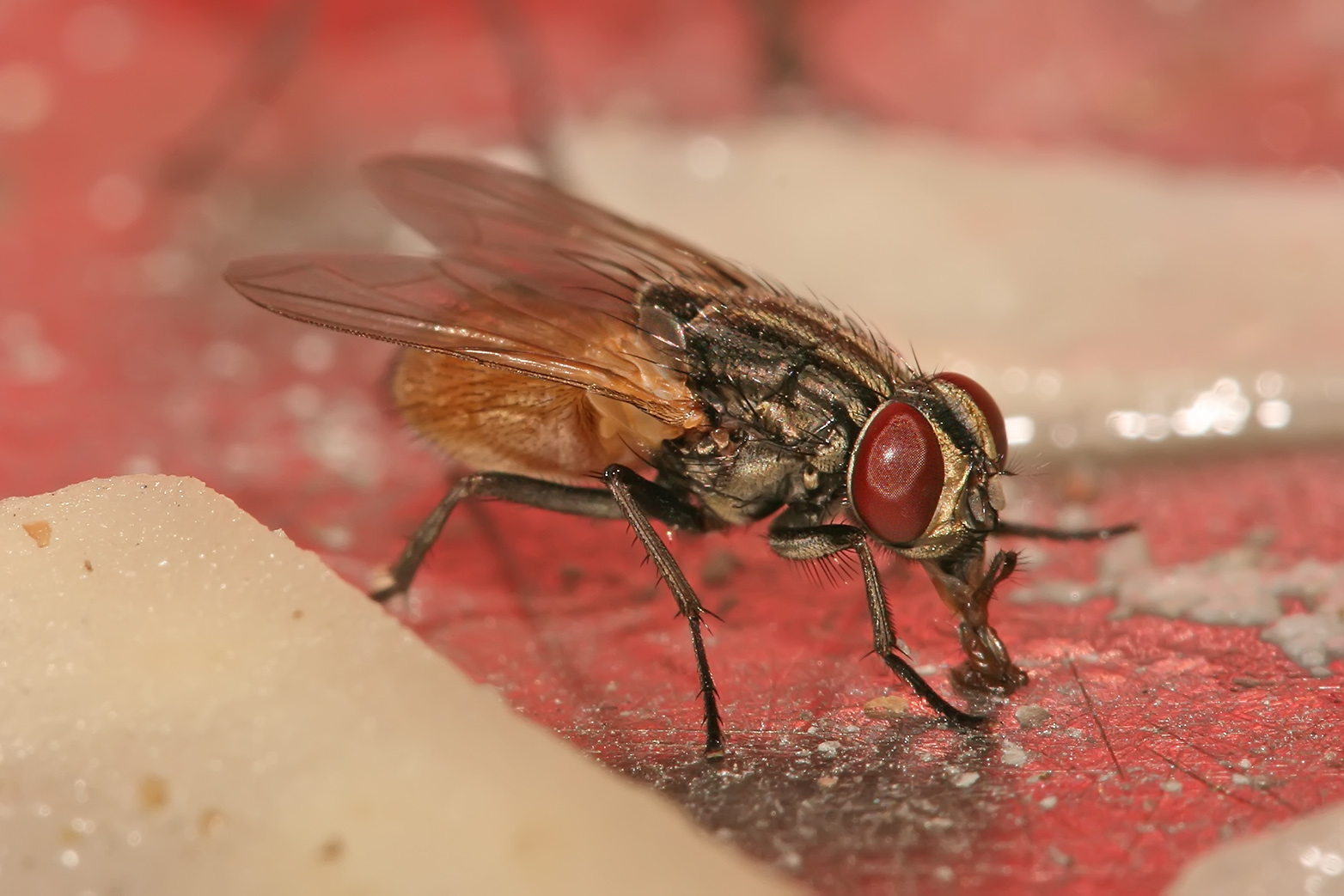
What are houseflies?
2. Identifying characteristics and biological behavior of houseflies
2.1. Morphological structure
Effective control begins with proper identification. An adult house fly typically measures around 6–7mm in length. The body is gray with 4 distinctive dark stripes running longitudinally across the thorax.
The most recognizable feature is the pair of large reddish-brown compound eyes covering most of the head. Their mouthparts are designed for lapping and sucking. Although they cannot chew, they can absorb liquids extremely quickly.
2.2. Life cycle and rapid reproduction capability
The life cycle of the house fly consists of 4 main stages:
- Eggs: Hatch within 8–20 hours.
- Maggots (larvae): Thrive in moist environments.
- Pupae: The transformation stage inside the pupal case.
- Adult flies: Capable of flying and reproducing immediately.
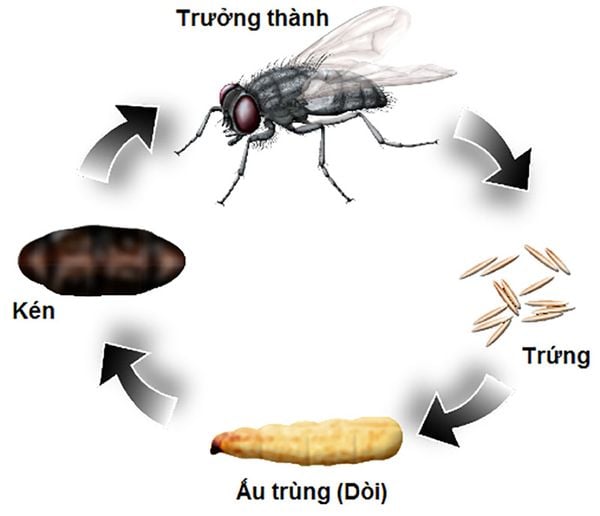
The life cycle of the housefly
You may be surprised to learn that a single pair of flies can produce millions of offspring within just a few weeks. Without timely control measures, infestations can rapidly escalate.
2.3. Feeding and harboring habits
2.3.1. Feeding habits
Preferred food sources: House flies are omnivorous and are especially attracted to decomposing organic matter, spoiled food, animal and human waste, garbage, sputum, vomit, blood, and foul-smelling substances.
Unique feeding behavior: When landing on solid food, flies release saliva containing digestive enzymes to soften and liquefy the food before sucking it up through their proboscis.
Feeding frequency: House flies need to feed 2–3 times per day. They are highly dependent on water and can survive for only around 48 hours without it.
Simultaneous feeding and excretion: House flies frequently regurgitate and defecate directly on food, which is a primary mechanism for transmitting pathogens such as typhoid, cholera, dysentery, and other infections.
2.3.2. Harboring habits (Dwelling and living places)
Resting sites (daytime): When not feeding, flies rest on floors, walls, ceilings, clotheslines, garbage bins, and low shrubs.
Resting sites (nighttime): Flies usually gather at elevated locations such as ceilings, electrical wires, or sheltered corners protected from wind.
Habitat: This fly species prefers warm environments (35–40°C), high humidity, foul odors, and areas protected from wind.
Egg-laying sites: Female flies lay eggs in clusters, with each cluster containing 75–100 eggs, within decomposing organic materials such as household waste, manure, animal carcasses, and moist garbage.
3. How to control house flies effectively and thorough prevention process
3.1. Effective fly control measures
3.1.1. Environmental sanitation measures (core)
- Waste management: Always use trash cans with tight-fitting lids, dispose of garbage daily, and periodically scrub the trash cans to eliminate odors and fly eggs.
- Kitchen sanitation: Wipe away spilled food stains and grease on tables and stoves immediately after cooking, and do not leave dirty dishes overnight in the sink.
- Animal waste management: If there are pets in the house, clean up their feces immediately, as this acts as a "magnet" attracting house flies to lay eggs.
- Moisture elimination: Repair leaking faucets and clear drains to avoid stagnant water and damp conditions.
3.1.2. Mechanical and physical methods (safe)
- Insect screens: Install screens on windows and doors to prevent flies from invading the house from the outside.
- Fly swatters and electric zappers: Use handheld electric zappers for direct elimination when flies appear sporadically.
- Sticky traps: Hang fly glue sheets at locations where they frequently rest (such as near lights or windows).
- Insect light traps: Use purple light traps to attract flies into the internal electric grid of the device.
>>> You may also be interested in: Ensystex LED insect light trap – an effective and safe flying insect control solution for all spaces
3.1.3. Using natural ingredients (Folk remedies)
- Natural essential oils: Spray or use a diffuser with lemongrass, peppermint, basil, or lavender essential oils. Flies are highly repelled by these scents.
- Vinegar and dish soap mixture: Pour apple cider vinegar into a bowl and add a few drops of dish soap. The vinegar scent attracts flies, but the dish soap breaks their surface tension, causing them to sink into the liquid.
- Orange and lemon peels: Place dried orange and lemon peels in kitchen corners or areas where flies frequently visit to repel them with natural essential oil scents.
3.1.4. Chemical measures (When house fly density is too high)
In cases of severe house fly infestations, chemical treatment may be necessary. However, only use fly baits or insecticides approved by the Ministry of Health. Always read the instructions carefully to ensure household safety.
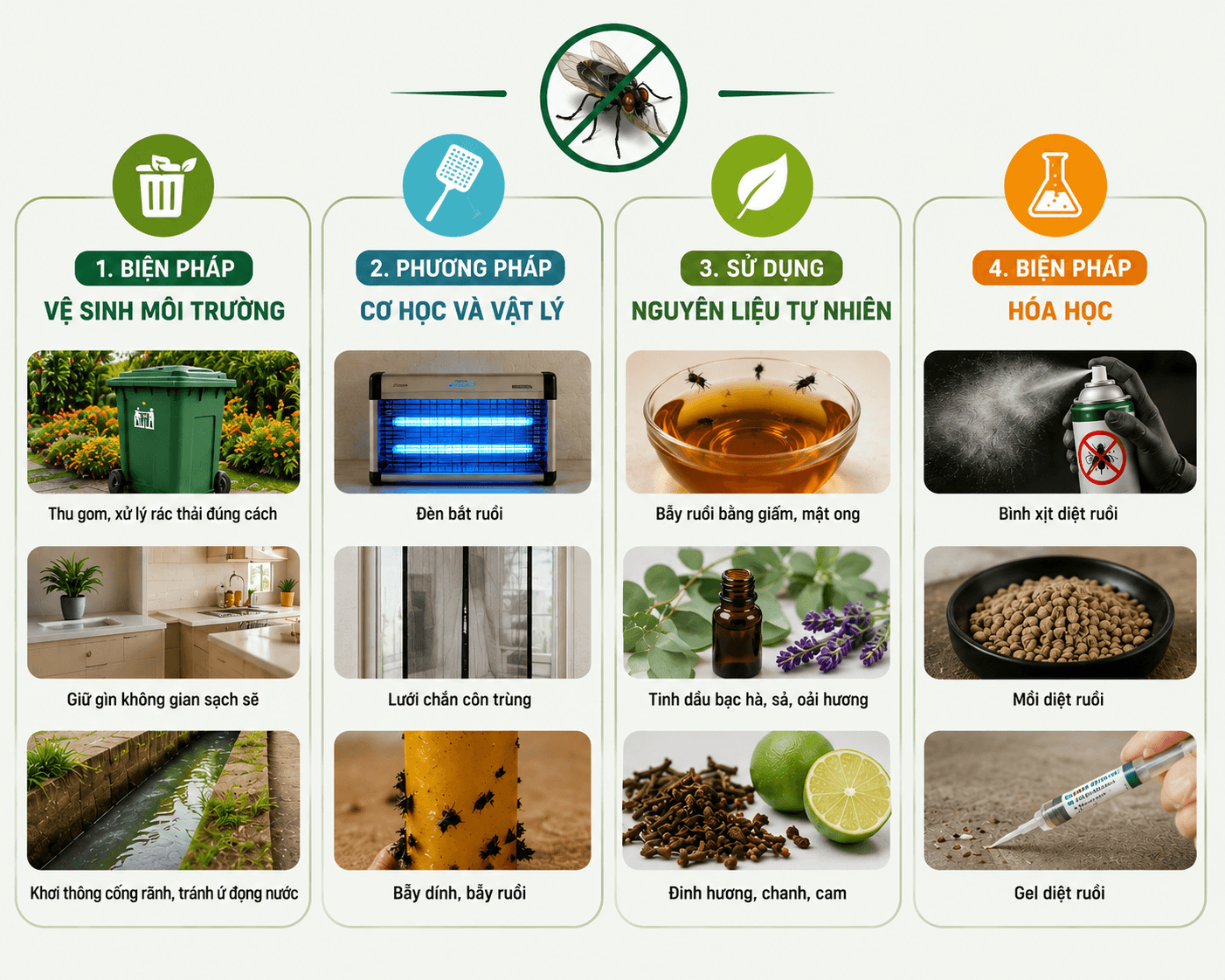
Methods for getting rid of houseflies
If you have tried multiple methods without seeing improvement, or if the infestation area is too extensive, seeking professional support becomes essential. A reputable service provider can eliminate pest sources thoroughly while still maintaining the highest safety standards. Explore the services at Professional insect control company offering fast, safe, and effective solutions to restore a hygienic living environment and complete peace of mind for your family.
3.2. Prevention process to stop house flies from returning
Food source and sanitation management (eliminating attraction): Always use food covers, plastic wrap, or sealed containers for all food items, including ripe fruits. In addition, clean dining tables and kitchen surfaces immediately after cooking with floor cleaner or vinegar to remove organic odors. Finally, avoid leaving dirty dishes overnight in the sink, as this creates an ideal “feast” for flies in the early morning.
Strict waste management (eliminating breeding sites): Prioritize garbage bins with foot pedals and tightly sealed lids to prevent odors from escaping. Do not wait until organic waste (leftover food, fruit peels) accumulates before disposal. In addition, clean garbage bins with detergent at least once per week to remove contaminated residue collecting at the bottom.
Physical exclusion measures (building protective barriers): First, inspect cracks around window frames, doors, and pipe openings, then seal them using silicone caulk or rubber gaskets. Combine this with insect screens, which are considered the most sustainable solution. Fine mesh screens allow ventilation while blocking 100% of house flies and mosquitoes. For frequently used entryways such as kitchens or storage areas, install PVC strip curtains or air curtains to disrupt fly entry paths.

Process for preventing house fly reinfestation
4. Reasons why VFC Pestman is the most perfect choice for house fly control
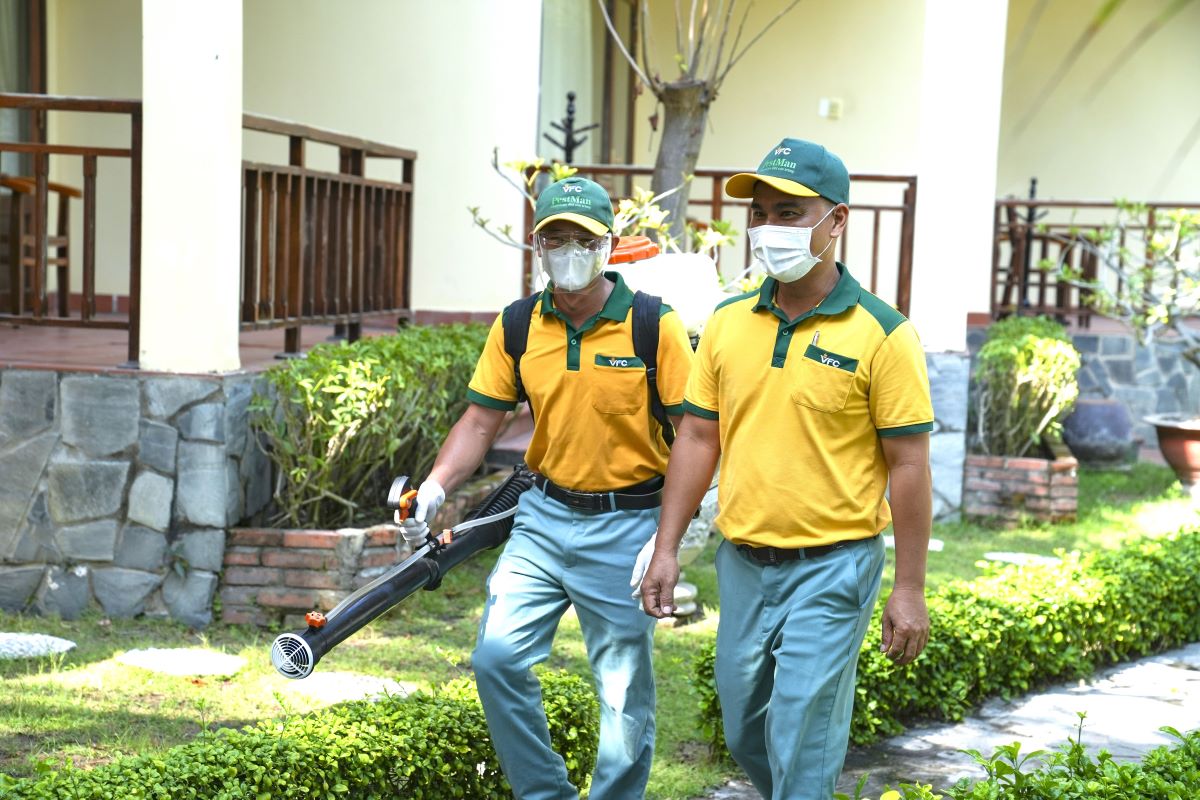
If you have tried multiple manual methods but house flies continue to return, it may be time for professional intervention. VFC PestMan is proud to be a leading and trusted provider in the fields of pest control and insect extermination, delivering safer living environments to thousands of customers.
Why choose VFC PestMan services?
The biggest difference at VFC PestMan lies in our pest control mindset rather than conventional pest extermination alone. While insect extermination focuses only on eliminating visible pests, our pest control process addresses the root causes of infestation. We combine food source elimination, habitat disruption, and long-term protective barriers to sustainably prevent house fly reinfestation.
In addition, VFC PestMan has a highly experienced team of technicians with extensive knowledge of the biological behavior of each pest species. We are committed to using insecticides and chemicals approved by the Ministry of Health, combined with modern spraying technologies to ensure maximum fly control effectiveness while maintaining absolute safety for humans and pets. With an extensive service network, we are always ready to respond quickly and professionally to any pest-related issue.
5. How to distinguish house flies from other fly species
5.1. House flies
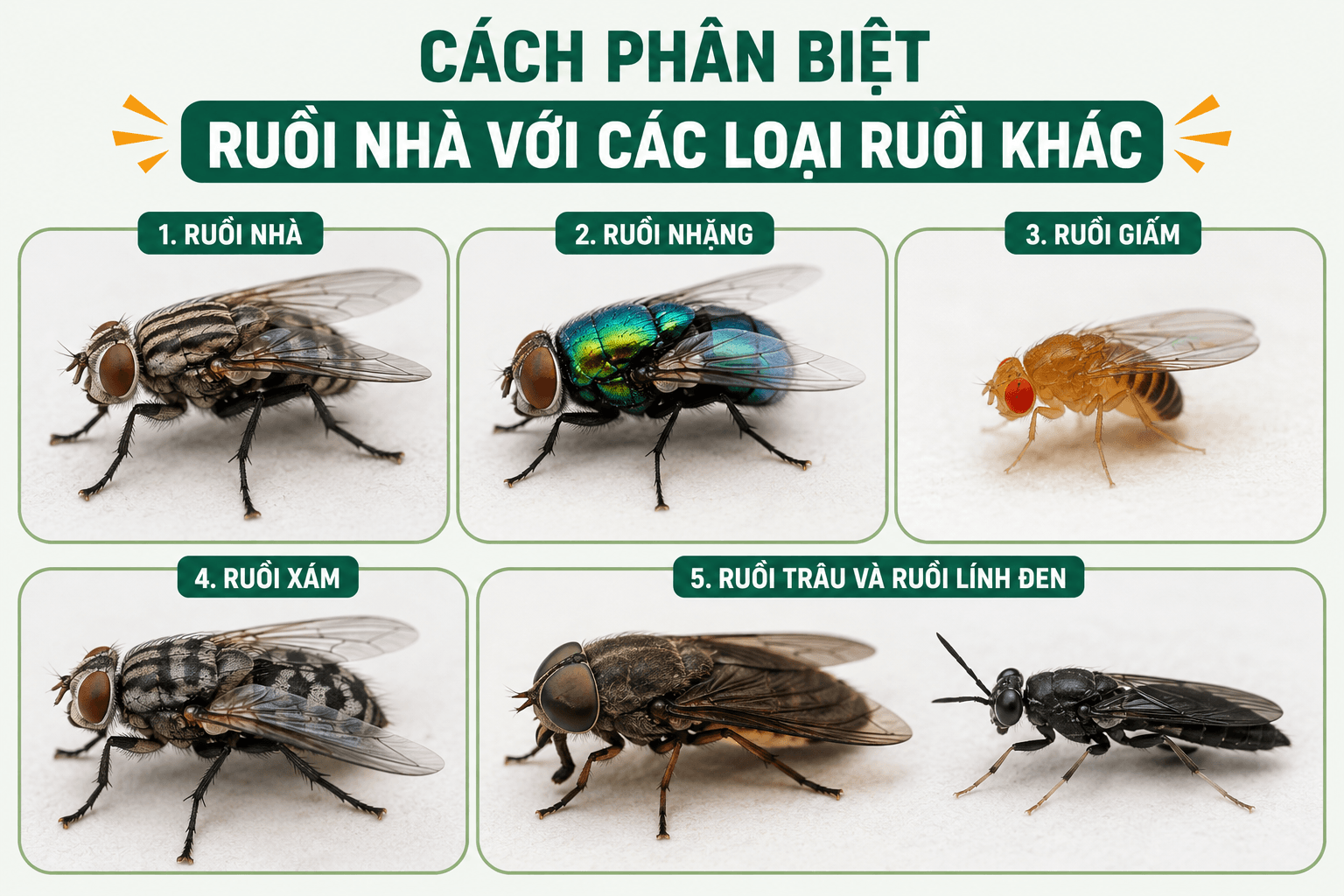
House flies are the most frequently encountered species in living spaces. This species can be identified by its moderate size (equivalent to a mung bean) with an ash-grey body. The most distinctive feature is the presence of four distinct longitudinal black stripes on the fly's thorax. Houseflies typically appear around dining tables, perch on walls or ceilings, and move around quite nimbly but don't make much noise.
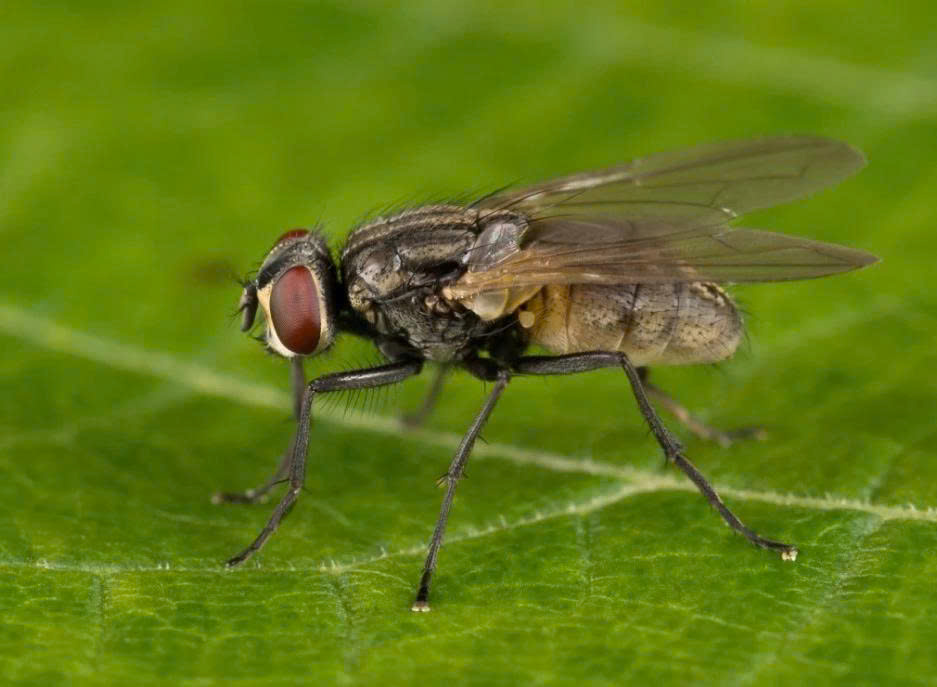
House flies
5.2. Blow flies
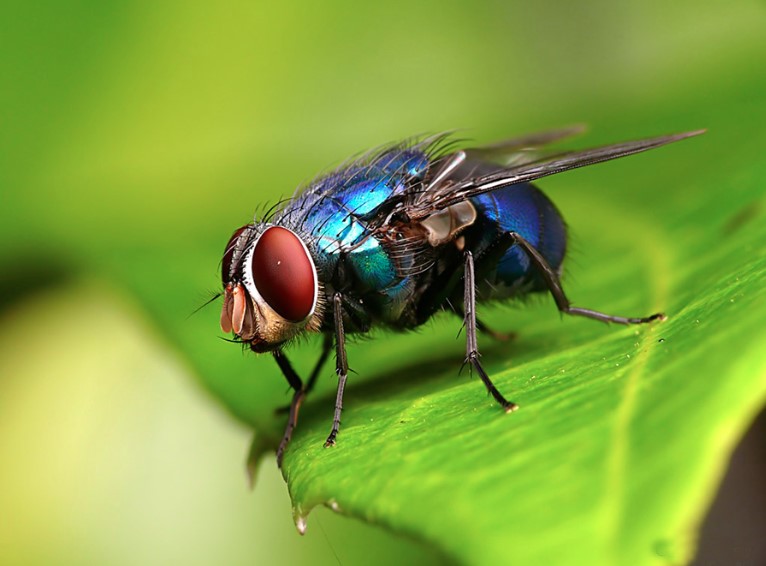
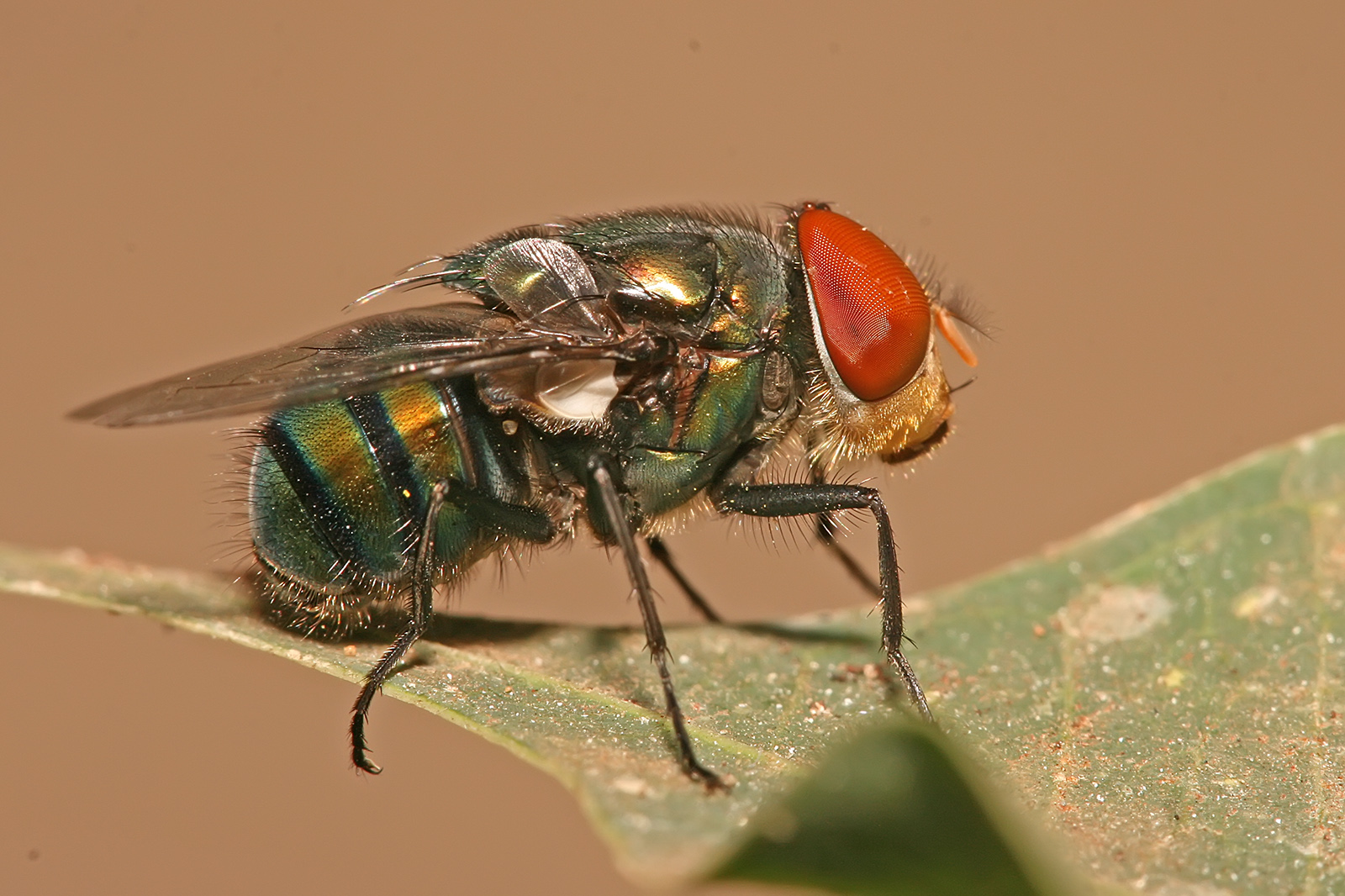
In contrast to house flies, blow flies (also commonly known as bluebottle flies) are highly noticeable due to their large size and metallic blue-green body coloration. This species often produces a loud buzzing sound during flight and possesses an extremely sensitive sense of smell toward decaying odors. These insects rarely remain on clean food for long periods and are more commonly found around unsanitary areas such as garbage dumps, animal carcasses, or spoiled meat and fish.
Blow flies
5.3. Fruit flies
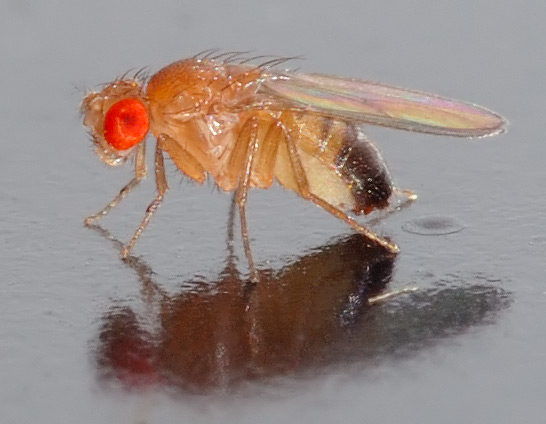
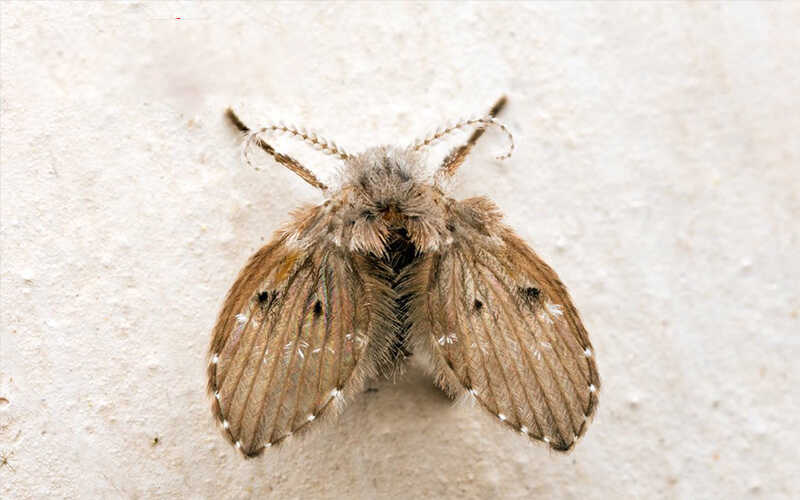
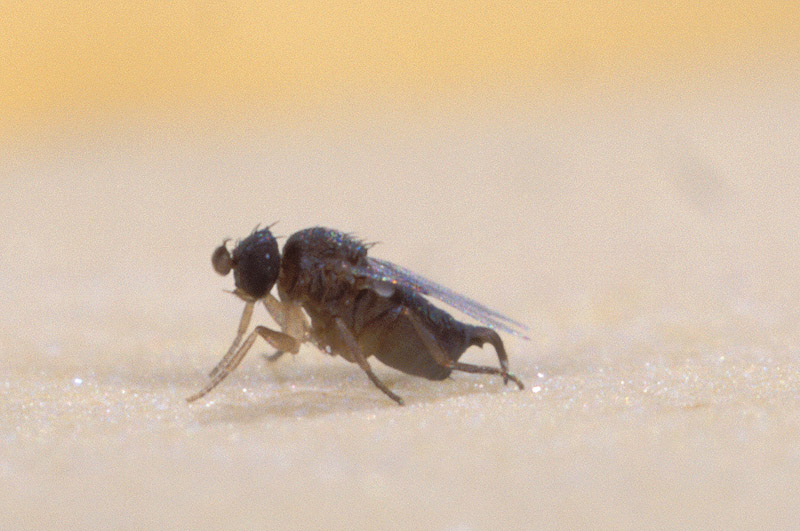
In kitchen areas, you will frequently encounter fruit flies. This is a microscopic fly species, only the size of a toothpick head, featuring a yellowish-brown body and characteristic bright red eyes. This species does not favor meat or fish but is strongly attracted to overripe fruits, soft drinks, or fermented food. Because of their small size, fruit flies often fly in swarms, hovering around fruit baskets or kitchen trash cans.
Fruit flies
5.4. Flesh flies
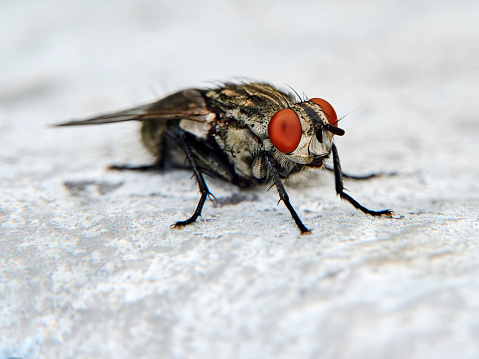
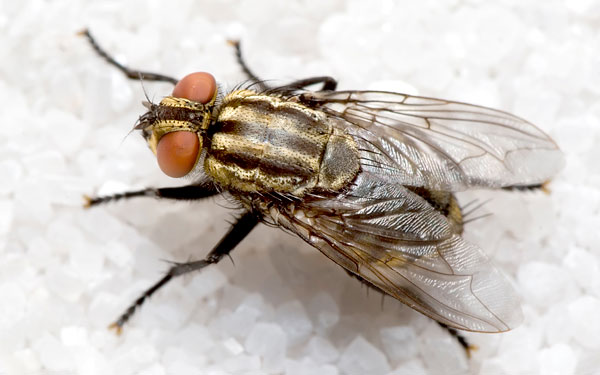
Another species easily confused with the house fly is the flesh fly. However, if observed closely, you will notice that the flesh fly is slightly larger than the house fly and has only three black stripes on its back instead of four. The biggest difference lies in the abdomen, featuring mottled patterns that look like a chessboard. As the name suggests, meat flies are attracted to protein-rich foods and decaying organic matter.
Fresh flies
5.5. Horse fly and black soldier fly
Finally, there are two species with distinctly different physical characteristics: the horsefly and the black soldier fly. Horse flies are very large, fly extremely fast, and are the only species in this group capable of biting humans and livestock, causing sharp pain. Meanwhile, black soldier flies have a long, jet-black body, looking more like a wasp than a fly. A plus point for black soldier flies is that they are quite "harmless," do not transmit diseases, and usually only appear around organic composting pits.
Distinguishing houseflies from other types of flies
>>> See more: Common fly species
6. Are house flies dangerous? potential hazards
6.1. Main potential hazards
Transmission of gastrointestinal diseases: This is the most common risk associated with flies. They transfer pathogens from feces and waste onto food, causing illnesses such as diarrhea, dysentery, E. coli infections, and food poisoning caused by Salmonella and Shigella.
Parasitic transmission: Flies can carry the eggs of parasites such as roundworms, hookworms, pinworms, and tapeworms into food and drinking water.
Eye and skin diseases:
- Contact with flies can lead to trachoma, bacterial eye infections, or eye worm disease.
- House flies also spread skin diseases such as ringworm, warts, acute dermatitis, and even leprosy.
Other serious diseases: House flies are identified as capable of transmitting pathogens that cause tuberculosis, polio, and anthrax (a dangerous acute infection caused by the rod-shaped bacterium Bacillus anthracis).
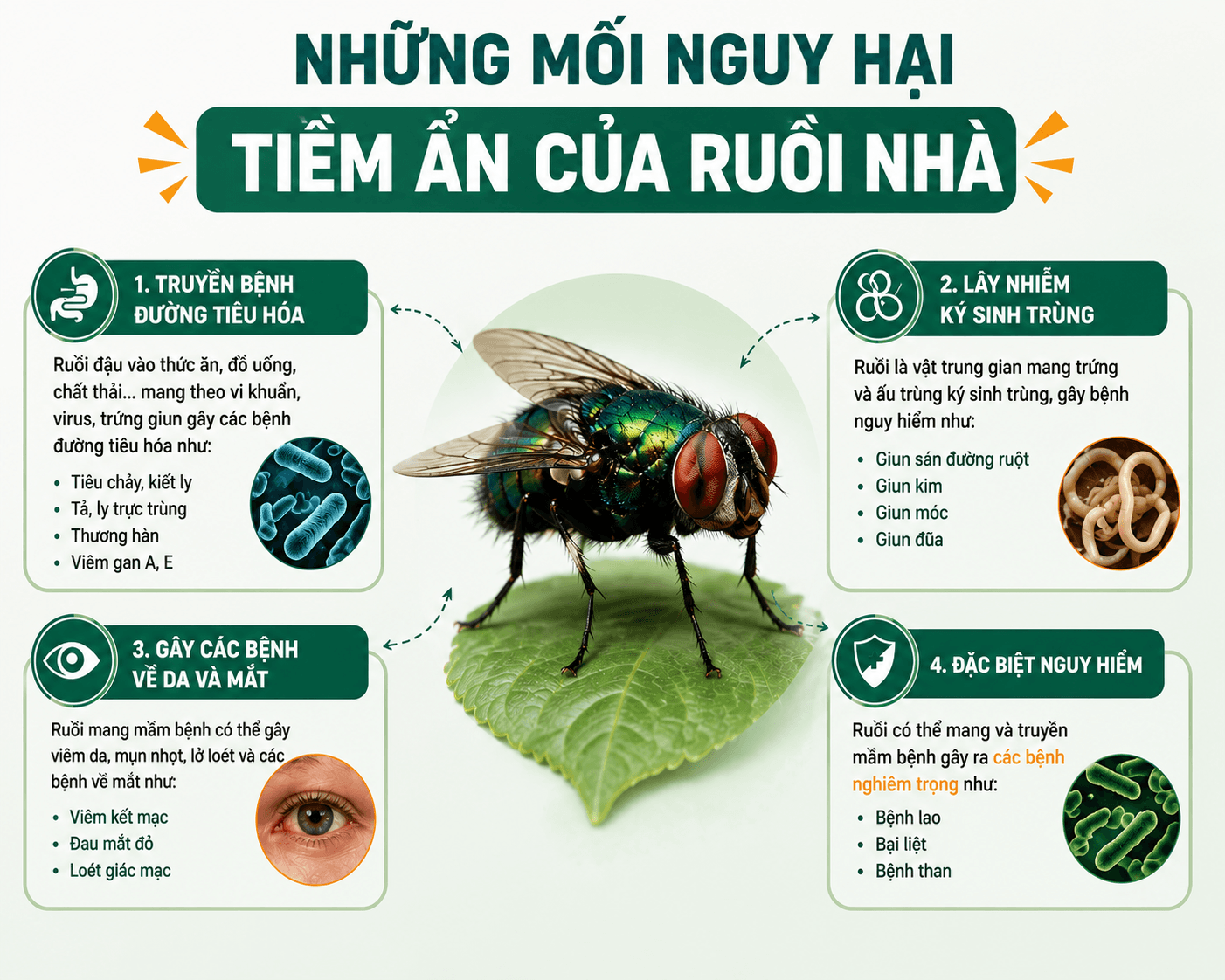
The potential dangers of houseflies
6.2. Harm mechanism of house flies to humans
- Indirect transmission mechanism: House flies act as “transport vehicles” for bacteria from garbage sites to dining tables. Through body parts such as their legs, body hairs, and proboscis, they pick up pathogens from contaminated environments and release them immediately upon landing on food, increasing the risk of intestinal infections in humans.
- Direct transmission mechanism: More dangerously, house flies habitually regurgitate digestive fluids and excrete feces while feeding. This behavior not only contaminates food but also directly introduces viruses and bacteria living inside the fly’s digestive system onto human food, potentially causing severe food poisoning cases.


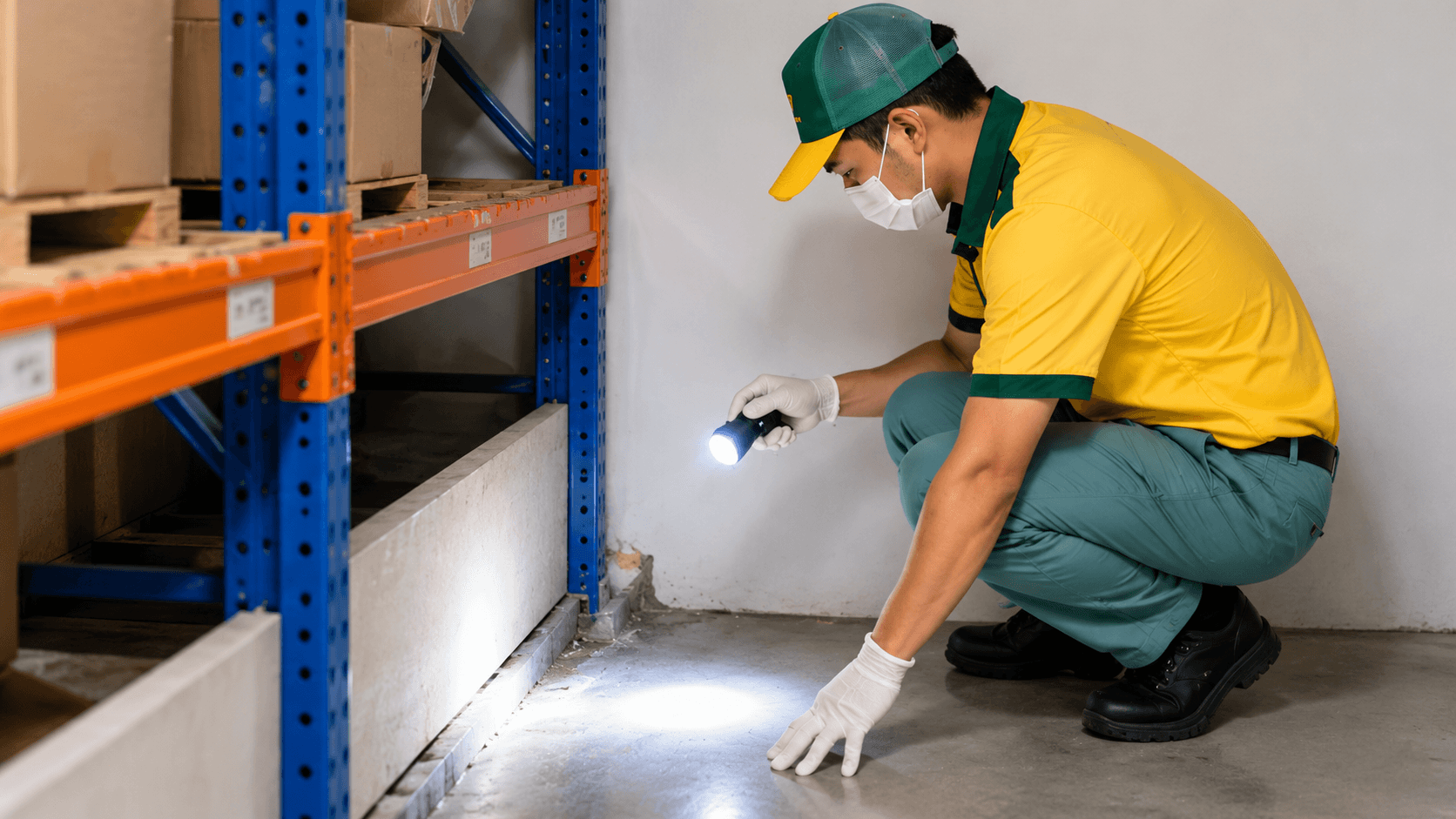
Mistakes that cause insects to recur in warehouses
Insects in warehouses can affect the quality of goods, efficiency, ...
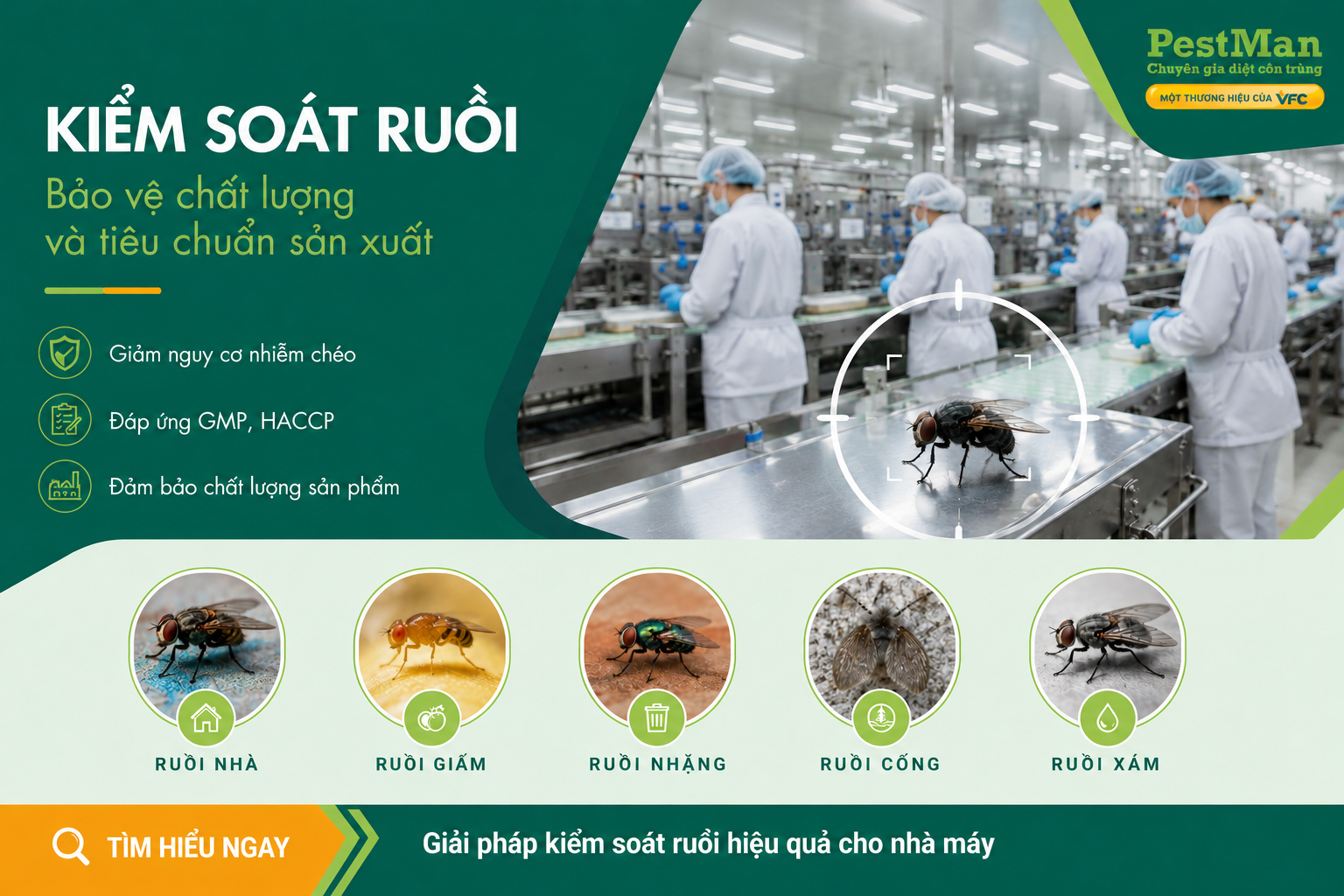
Effective fly control in factories: Identifying the right species for root-cause treatment
In manufacturing environments, especially in food and beverage factories…
Related news

Ready to eliminate audit risks and proactively protect customer experience & brand reputation?





Dear Valued Visitor,
To protect our clients' interests, all materials here are copyrighted and may not be reproduced without permission.
We appreciate your cooperation. Should you need to use our content professionally, please contact us directly.