





By VFC PestMan | 24-10-2026
Choosing a pest control provider for a factory is not simply about finding a supplier capable of handling rodents, flies, cockroaches or termites. A suitable contractor also needs to understand manufacturing operations, manage chemical risks, maintain a monitoring system and provide sufficient data for the business to evaluate service effectiveness.
For QA/QC, HSE and factory management teams, the contractor selection decision is also directly related to product quality, operational activities and the ability to meet audit requirements.
Below are seven important criteria to help businesses evaluate a service provider’s capabilities before signing a contract.
1. Why do factories need to carefully evaluate the capabilities of a pest control provider?
Unlike residential environments, manufacturing facilities contain many areas with different operating characteristics and sensitivity levels. A control method that is suitable for perimeter areas may not necessarily be applied directly in packaging areas or on production lines.
For example, rodents may enter through receiving doors, structural gaps or technical routes. Flies and cockroaches may occur around waste areas, drainage systems or places where raw materials remain. Termites may affect structures and materials that provide suitable conditions for their development.
If a contractor focuses only on treating pests that have already appeared without identifying the cause, pest activity may continue even after the business has used the service multiple times.
In particular, for food, beverage and pharmaceutical factories, as well as facilities with strict quality-management requirements, pest control is also related to:
- The risk of contamination of raw materials, packaging and finished products.
- Risks affecting equipment, technical systems and production activities.
- Requirements for suitable chemicals, equipment and treatment methods.
- The ability to provide pest-control records and evidence during internal assessments or audits.
- Additional costs when pests reappear or incidents are not handled in time.
Therefore, businesses need to evaluate the provider’s ability to develop and maintain a pest control programme rather than comparing only the unit price of each treatment.
2. Seven criteria for choosing a pest control provider for factories
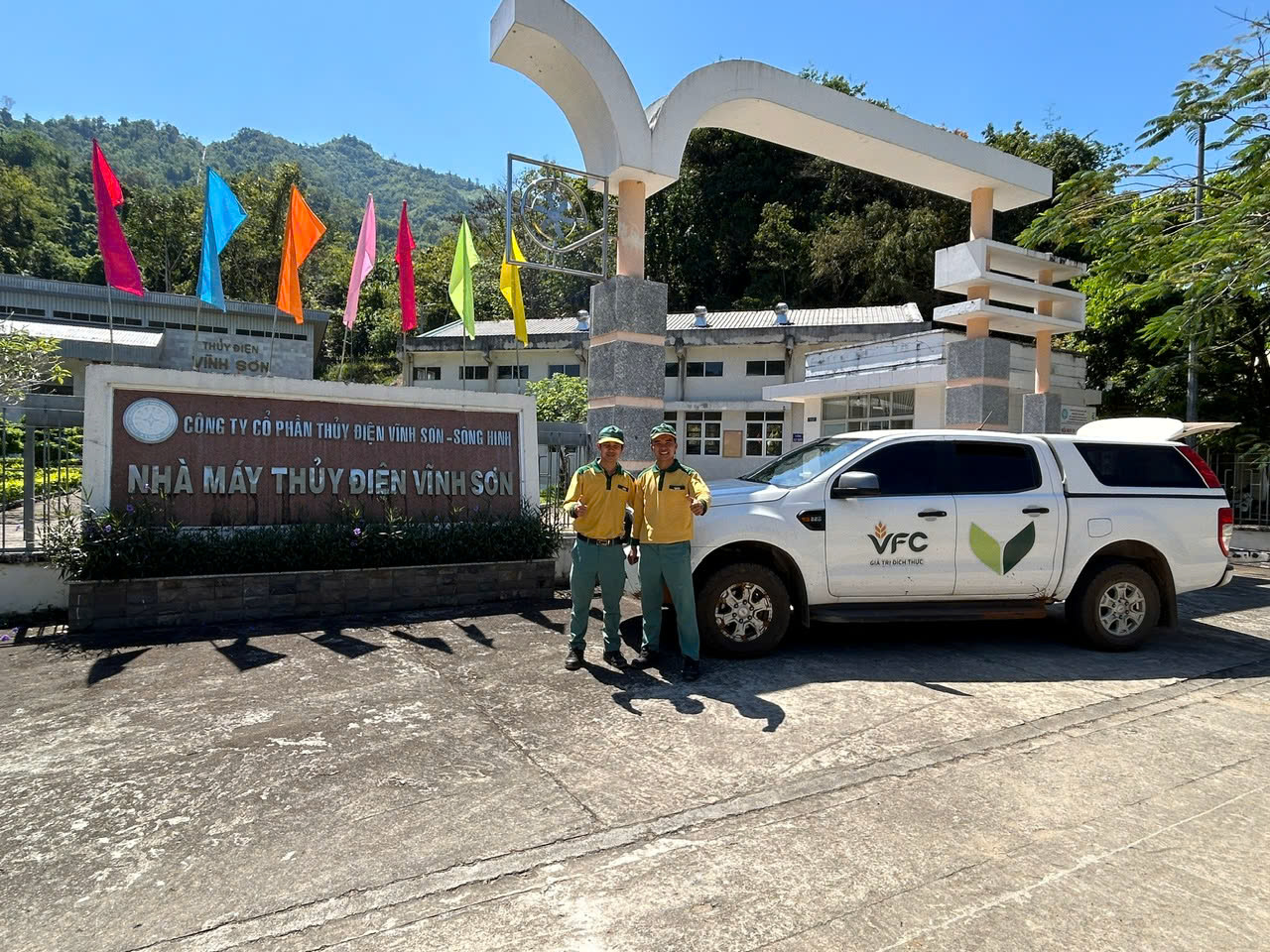
2.1. Practical experience in industrial manufacturing environments
The first criterion is experience in facilities with similar operating characteristics.
A pest control company with factory experience needs to understand how pests appear and move through different areas, from raw material receiving and production to packaging, storage and dispatch.
This is important because each manufacturing industry has different risks.
| Factory type | Risks requiring attention |
|---|---|
| Food and beverage | Flies, cockroaches, rodents and product contamination risks |
| Packaging manufacturing | Insects entering paper storage, packaging-material and finished-product areas |
| Agricultural processing | Weevils, rodents and insects associated with stored raw materials |
| Pharmaceuticals | Pests in sensitive areas and strict treatment-method requirements |
| Electronics | Rodents around cable systems, technical rooms and equipment areas |
Practical experience helps contractors quickly identify high-risk locations and recommend solutions suitable for each operating condition.
When evaluating a supplier, businesses can request a company profile, a list of projects with similar scopes or documents illustrating technical solutions previously implemented.
The key point is not only the number of customers, but also the scope of work, the pest groups controlled and the ability to maintain effectiveness under continuous factory operations.
A contractor with experience in food factories may better understand requirements for protecting raw materials and products. However, experience in one industry does not automatically demonstrate the ability to meet the needs of every other industry. Businesses still need to evaluate the provider according to the specific characteristics of their own facility.
A contractor that has implemented pest control in food factories may have a better understanding of risks in raw material warehouses, production lines and packaging areas.
2.2. Ability to conduct surveys and develop a suitable IPM programme
A professional pest control provider should not apply the same solution to every factory.
Before proposing a solution, the contractor needs to conduct a site survey to identify target pests, attractants, harbourage, entry routes and the risk level in each area.
The survey results must form the basis for developing an IPM programme (Integrated Pest Management).
This programme combines prevention, monitoring and targeted treatment measures rather than relying entirely on chemical spraying.
A suitable IPM programme generally needs to clarify:
- Which pest species should be prioritised for control.
- High-risk areas and the causes of pest activity.
- Measures to prevent pest entry.
- Types of monitoring devices, installation locations and inspection frequency.
- Treatment methods when action thresholds are exceeded.
- Coordination responsibilities between the contractor and factory departments.
For example, when rodents appear near a receiving door, the solution should not stop at adding more traps. The contractor needs to inspect the gap beneath the door, door-opening frequency, sanitation conditions, goods-staging areas and possible movement routes from outside.
Ask the contractor to present its survey approach and a sample control programme with risk zoning.
A proposal that only states the number of spraying visits per month, without a site-assessment basis, is generally not sufficient for the business to determine whether the service is suitable.
2.3. Technical capability and safety during treatment
Safety is an important criterion for factories with continuous production lines, areas containing sensitive raw materials or strict access-control procedures.
A contractor needs a technical team trained in treatment methods, specialised equipment, chemicals and safety procedures appropriate to the work being performed.
In particular, treatment methods must be selected according to the actual conditions of each area.
For example, in food-production areas, chemical use needs to be carefully considered in terms of potential impact on raw materials, products, contact surfaces and production activities. Some locations may be more suitable for monitoring measures, mechanical traps or controlled spot treatment. For sensitive areas, businesses can refer to how to control pests where chemical use is restricted.
For work requiring chemicals, businesses should ask the contractor to provide information on:
- Product name, active ingredient and intended use.
- Safety Data Sheet (SDS).
- Legal documentation related to the product and treatment activity.
- Treatment method, area and timing.
- Personal Protective Equipment (PPE).
- Measures to protect raw materials, finished products and workers.
- Re-entry conditions after treatment, where required.
In addition, the contractor needs to coordinate with the HSE department to complete internal safety procedures such as work registration, confirmation of treatment scope and control of restricted areas.
Businesses should not rely only on a statement that chemicals are used safely. The contractor needs to demonstrate that the method is appropriate through product documentation, operating procedures, risk-control measures and personnel capability.
This provides the basis for the HSE department to evaluate the work before allowing treatment activities inside the factory.
2.4. A monitoring-device system and effectiveness evaluation
The number of installed devices is not the only measure of a pest control contractor’s capability.
What matters more is whether the devices are selected for the correct target pest, positioned correctly and inspected according to an appropriate programme.
Depending on the pest group, the contractor may use:
- Rodent boxes and monitoring stations.
- Insect light traps for flying insects.
- Glue traps for monitoring cockroaches and some crawling insects.
- Pheromone traps for suitable insect species.
- Termite detection devices and termite monitoring systems.
Each device has a specific function. An insect light trap cannot replace a rodent-control system; similarly, a pheromone trap is only useful for insect groups that respond to the corresponding attractant.
The contractor needs to explain why a device is selected, why it is placed at a particular location and how inspection results are used to assess risk. Before making a selection, businesses should ask the provider for a sample device-layout map and inspection records.
A good monitoring system should allow each device to be identified by code, location, operating condition and inspection history. If pest activity continues to increase in one area, the contractor needs a basis for recommending appropriate action rather than simply replacing traps or adding chemicals.
2.5. Providing records, data and reports for audits
For factories applying quality-management or food-safety systems, record management is an important criterion when choosing a pest control provider.
A service may have been completed, but if inspection records, monitoring data or related documents are missing, the business may face difficulties when reviewing results. QA should review 5 pest control record issues that are easily identified during factory audits. in advance.
Normally, the required documentation should be determined according to the factory type, applicable standards and customer requirements.
Documents may include:
- Pest control programme and plan.
- Monitoring-device location map.
- Inspection, maintenance and treatment logs.
- Chemical information, SDS and related documents where applicable.
- Monitoring data from each inspection cycle.
- Pest trend analysis reports.
- Site photographs and abnormal findings.
- Corrective and preventive recommendations and follow-up results.
However, complete documentation does not simply mean storing a large number of documents. The data need to reflect pest status, changes over time and the measures that have been implemented.
For example, if cockroach numbers in a packaging area increase across three consecutive inspection cycles, the report needs to help the factory identify the area requiring inspection and assess related causes.
A table showing cockroach numbers without comments or recommended actions has limited management value.
For further reference, businesses can review: Pest and insect control reports: How to read density data and take effective preventive action.
Ask to see a sample report with customer information removed. Then evaluate its traceability by time, location, pest type and corrective action.
For factories audited against BRCGS Food Safety Issue 9, FSSC 22000, IFS Food 8 or other systems with pest-control requirements, the contractor also needs to understand the documentation structure appropriate to the business’s management programme. Having a professional contractor does not automatically mean that the factory complies with or achieves certification.
2.6. Ability to coordinate with production operations and handle incidents
Factories cannot freely stop production lines or change production schedules every time a contractor needs to perform a service.
Therefore, the ability to coordinate with operations needs to be considered from the supplier-selection stage.
A suitable provider needs to clarify working times, accessible areas, safety conditions and tasks requiring coordination with factory personnel.
For example, monitoring-device inspections in warehouse areas can be arranged around receiving and dispatch operations. Meanwhile, some specialised treatment measures may require area isolation, raw-material protection or implementation outside production hours.
The contractor also needs to establish a mechanism for receiving and handling incidents when unusual pest activity occurs.
Situations may include rodents found in a finished-goods warehouse, cockroaches appearing near a production line or insects occurring in raw-material storage areas.
In such cases, the business needs to know:
- Who is the contact point for receiving information?
- Within what period will the contractor respond?
- Which situations require an urgent survey or treatment?
- Which departments need to coordinate?
- How will treatment results be recorded and evaluated?
Response time, on-site attendance time, routine inspection schedules and any after-hours support mechanisms need to be clearly defined.
These indicators should be stated as specific service commitments appropriate to the factory location rather than relying only on general claims such as “fast support” or “24/7 service”.
2.7. A mechanism for evaluating effectiveness and improving the programme after implementation
A pest control programme should not remain unchanged throughout the contract period if operating conditions and risk levels have changed. Businesses need to determine when the pest management programme should be reassessed.
A business may expand its warehouse, add production lines, change receiving and dispatch flows or create new storage areas. These changes may create entry points or pest attractants that were not anticipated in the original plan.
Therefore, the contractor needs a periodic evaluation mechanism to determine whether the programme is operating effectively or requires adjustment.
The evaluation should be based on several factors, such as:
- Pest-activity trends across monitoring cycles.
- Number and nature of incidents.
- Completion status of corrective actions.
- Condition of devices and monitoring points.
- Changes in layout, infrastructure and production activities.
- Feedback from QA/QC, HSE and operations teams.
For example, if one area repeatedly records rodent activity even though the trapping system is maintained, the contractor needs to reassess possible entry from outside, sanitation conditions and device placement.
Service effectiveness is not determined only by the number of pests captured. More importantly, the programme should help the business detect abnormalities early, address root causes and reduce the risk of recurrence.
Before signing a contract, ask the provider to explain its effectiveness-evaluation method, programme-review frequency and process for proposing changes.
A contractor capable of improving the programme based on data is more suitable for facilities that need to maintain long-term pest control.
3. Summary of the 7 criteria for evaluating a pest control provider
When comparing multiple pest control providers, businesses should use the same set of criteria to reduce the risk of selecting a supplier based only on quoted price.
| Criteria | Evidence to request |
| 1. Factory experience | Company profile, similar projects |
| 2. IPM development capability | Survey approach, risk zoning and control plan |
| 3. Technical capability and safety | Personnel records, safety procedures, SDS and chemical documentation |
| 4. Monitoring equipment | Equipment list, layout map and inspection plan |
| 5. Records and reports | Sample reports, monitoring data and trend analysis |
| 6. Operational coordination | Service schedule, responsible contacts and incident response times |
| 7. Review and improvement | Periodic evaluation and programme-adjustment procedures |
Businesses can develop an internal scoring system for each criterion while also identifying mandatory requirements before reviewing pricing.
For food or pharmaceutical factories, safety-control capability and compliance documentation generally need closer evaluation. For warehouses and logistics facilities, preventing pest entry, handling incidents and coordinating with receiving and dispatch schedules are also important factors.
4. Common mistakes businesses should avoid when choosing a pest control company
Comparing price without comparing service scope
Two contractors may offer different prices while providing different scopes of work. Therefore, businesses should review the terms that should be clarified in a periodic pest control contract before comparing quotations.
A quotation covering only periodic treatment is different from a programme that includes surveys, monitoring-device setup, data analysis, incident support and effectiveness reviews.
If these items are not clarified, the business will have difficulty determining which option actually meets its needs.
Focusing only on spraying frequency
Treatment frequency does not fully reflect the capability of a pest control provider.
A well-designed programme may use multiple preventive and monitoring measures to reduce unnecessary chemical treatment.
Conversely, frequent spraying without removing attractants or preventing entry routes may allow pest activity to continue.
Not requesting a sample report before signing the contract
This is an omission that can create difficulties for QA/QC after the service has been implemented.
Businesses need to know what data the contractor will provide, how the information will be presented and whether it is suitable for internal management requirements.
Failing to define responsibilities between the contractor and the factory
Not every pest issue can be solved solely through the contractor’s activities.
Repairing doors, sealing gaps, improving sanitation or changing waste-management procedures often requires coordination from maintenance, sanitation and factory operations teams.
Without a clear responsibility mechanism, many recommendations may not be implemented, allowing recurrence risks to remain.
5. VFC PestMan – Professional pest control solutions for factories
VFC PestMan is a pest control brand of Vietnam Fumigation Joint Stock Company (VFC), building on more than 50 years of experience in fumigation and pest control.VFC PestMan is a pest control brand of Vietnam Fumigation Joint Stock Company (VFC), building on more than 50 years of experience in fumigation and pest control.
For factory customers, VFC PestMan provides IPM-oriented pest control solutions combining site surveys, risk assessment and programme development suited to the characteristics of each facility.
For factory customers, PestMan’s risk assessment and IPM programme development service begins with a site survey and an understanding of each facility’s operating characteristics.
Key capabilities include:
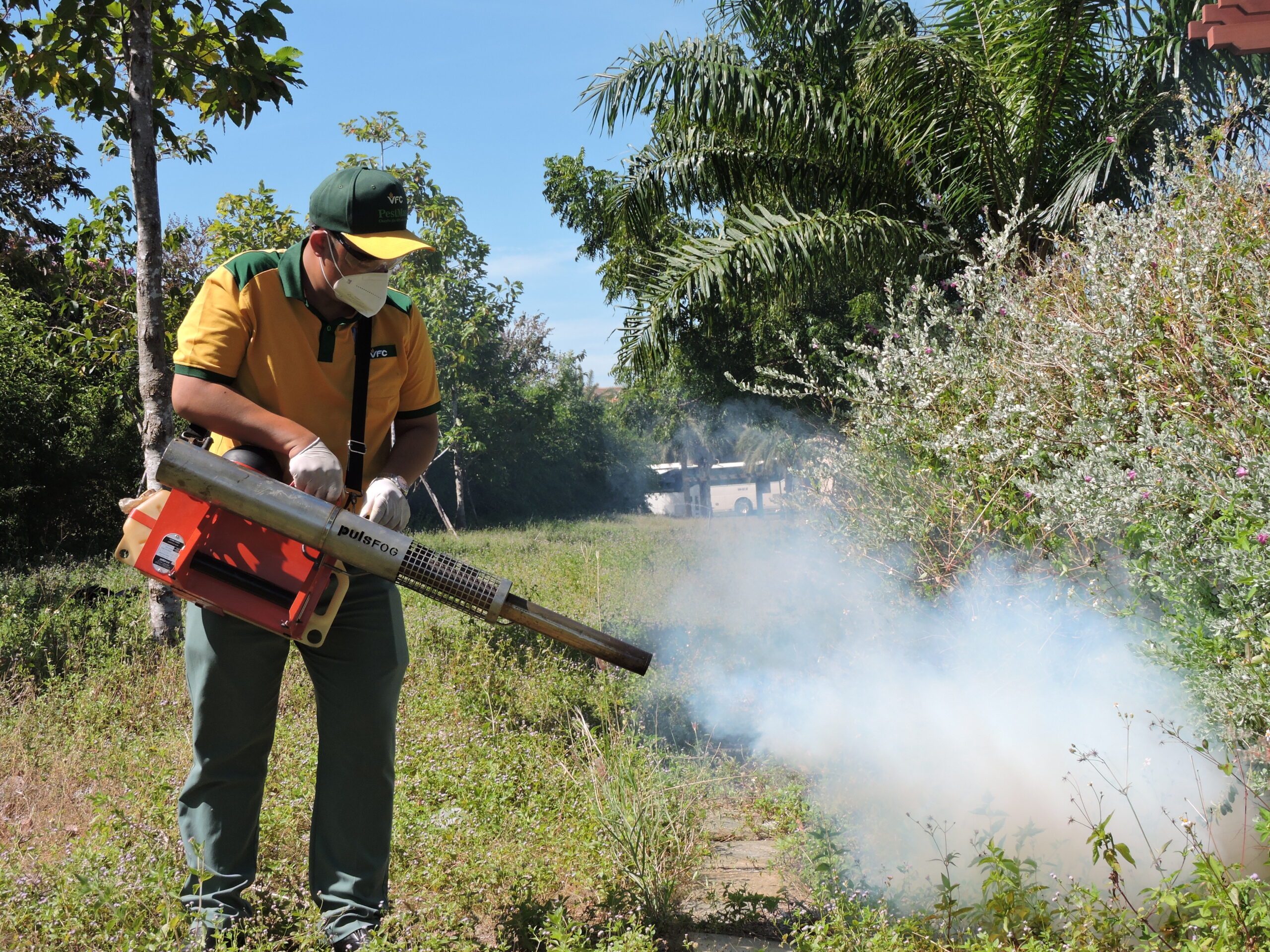
Risk assessment and development of tailored solutions: The technical team surveys production areas, warehouses, infrastructure and locations where pests may enter to select appropriate control methods.
Use of monitoring equipment and technology: VFC PestMan uses traps, insect light traps, rodent monitoring devices and Exterra termite-control technology according to the characteristics of each project.
Data management through the PestMan App and Dashboard: The system supports service-activity recording, monitoring-data tracking and information provision for evaluating programme effectiveness.
Support for documentation and quality-management requirements: Inspection activities, reporting and data analysis help businesses monitor their IPM programme more conveniently and prepare evidence related to pest control.
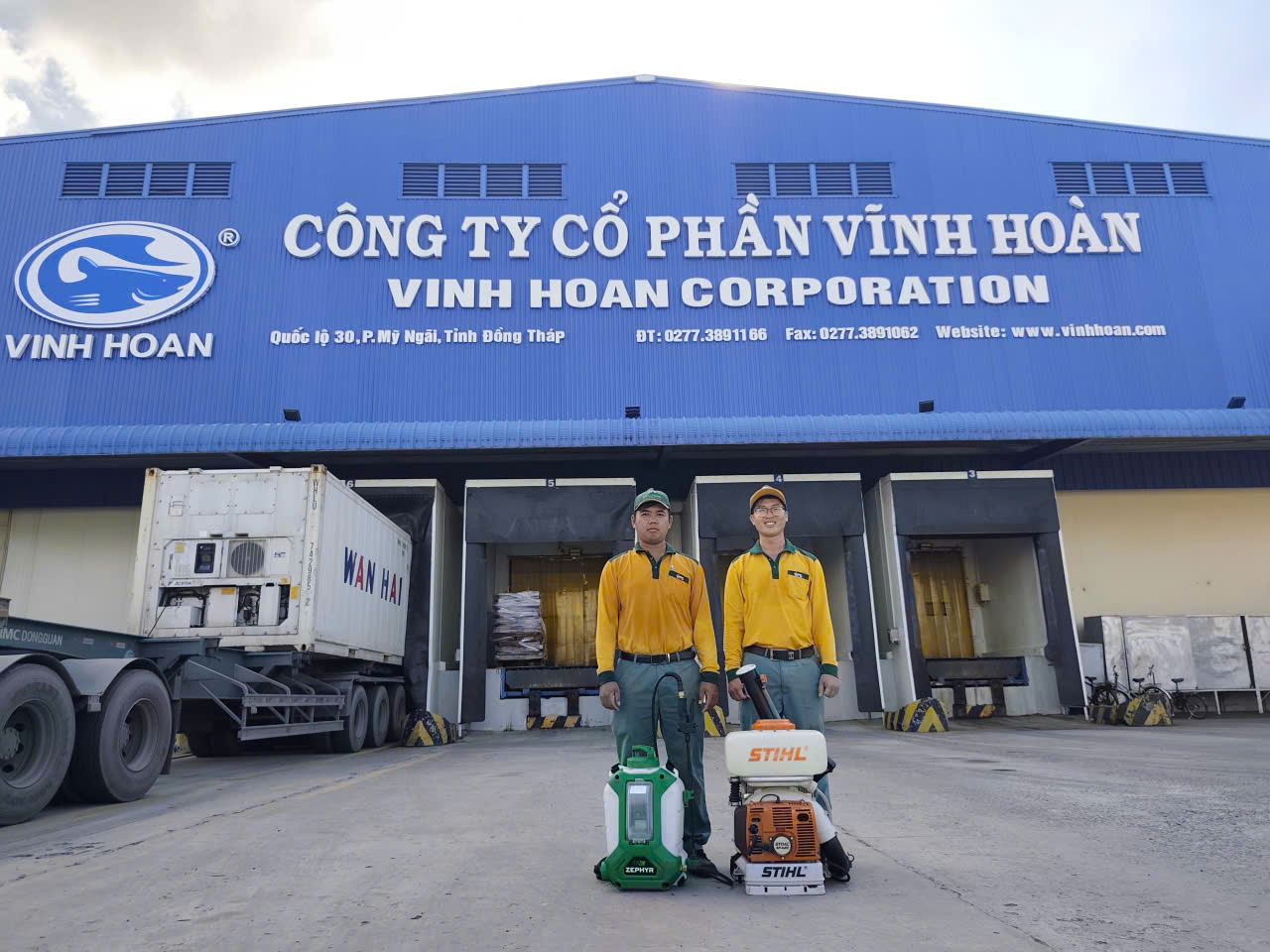
Implementation suited to operating conditions: Service plans are developed based on the characteristics of each area, together with safety requirements and the factory’s operating schedule.
Businesses can learn more about VFC PestMan’s insect and pest control capabilities for businesses before selecting a suitable programme.
Choosing a pest control provider for a factory should be based on technical capability, control methods, safety level, monitoring systems and the ability to maintain long-term effectiveness.
A suitable contractor does more than carry out scheduled work. It also helps the business identify risks, monitor changes in pest activity and obtain sufficient information to take preventive action.
Carefully evaluating these seven criteria before signing a contract will help QA/QC, HSE and factory management teams choose a provider that better fits production, quality-control and actual operating requirements.
VFC PestMan supports businesses in developing professional pest control programmes with systematic monitoring and transparent data.
If businesses are looking for a pest control company for businesses, need to survey the current pest situation or build a control program suitable for a factory, warehouse, hotel, or building, VFC PestMan can assist with on-site evaluation and propose solutions based on actual risks.
Hotline: (+84) 932669883
Email: contact@pestman.vn


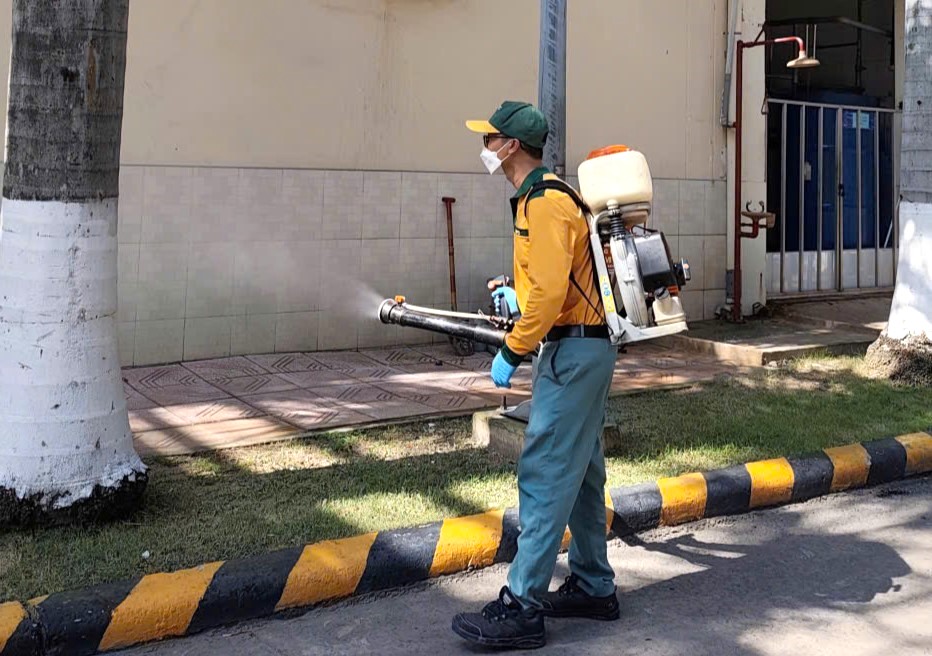
VFC PestMan – đơn vị cung cấp dịch vụ diệt muỗi nhà máy tại Hà Nội
Dịch vụ diệt muỗi nhà máy tại Hà Nội được VFC PestMan triển khai dựa…
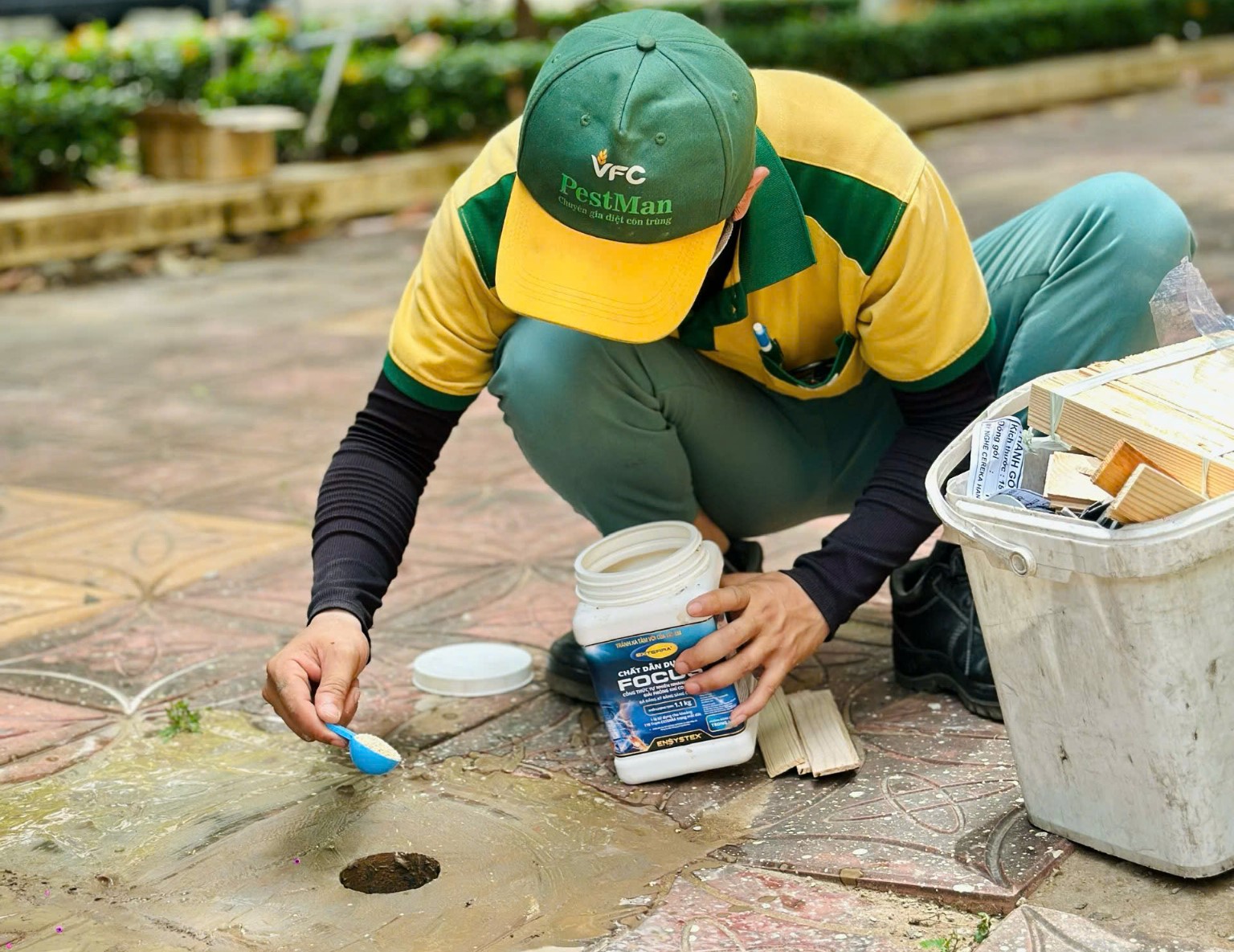
Dịch vụ diệt mối kho hàng, nhà máy hiệu quả, bảo vệ kết cấu công trình
Dịch vụ diệt mối kho hàng, nhà máy của VFC PestMan giúp doanh nghiệp phát…
Related news


Ready to eliminate audit risks and proactively protect customer experience & brand reputation?





Dear Valued Visitor,
To protect our clients' interests, all materials here are copyrighted and may not be reproduced without permission.
We appreciate your cooperation. Should you need to use our content professionally, please contact us directly.