




By VFC PestMan | 10-04-2026
IPM and traditional insect spraying: Which is the optimal pest control solution for businesses? IPM in pest control is gradually replacing the traditional spraying method at many businesses. Not only treating when there are insects, IPM focuses on controlling the root cause and long-term prevention. So what is IPM, how is it different from spraying and which is the right choice for factories, hotels or logistics?
1. What is IPM in pest control?
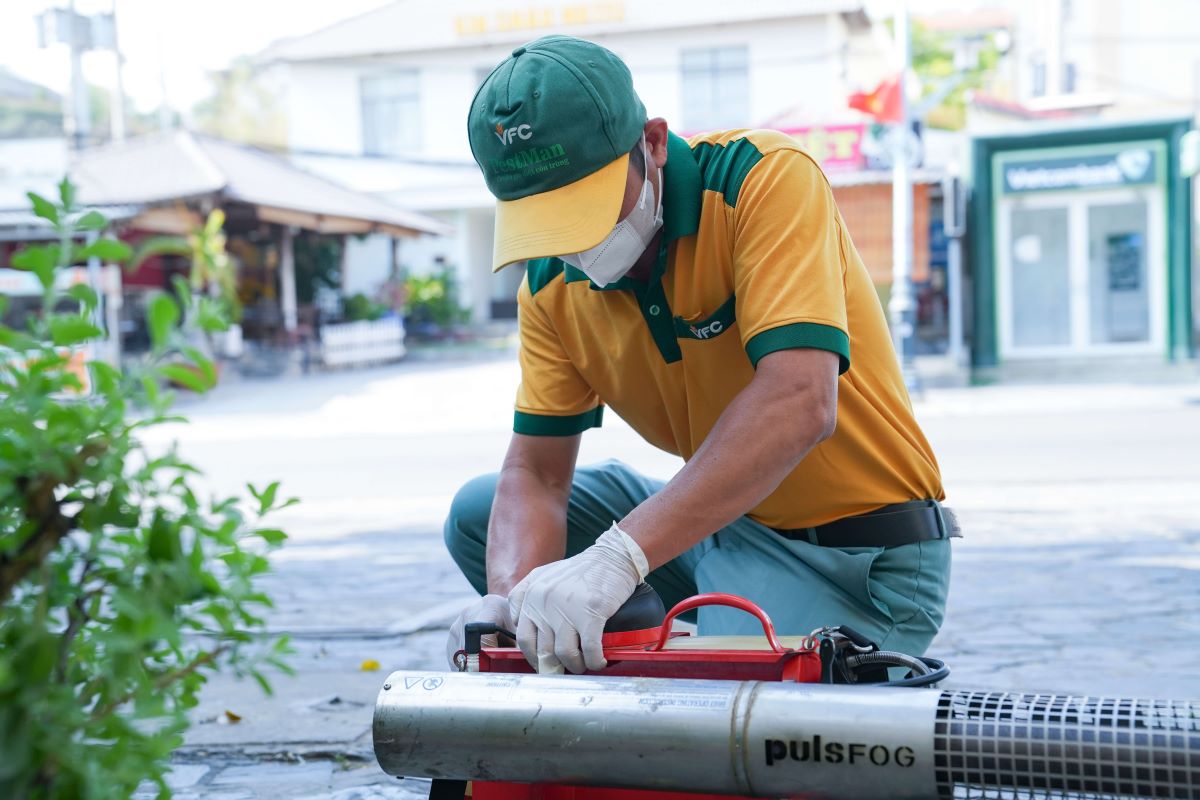
In many businesses, pest control is often simply understood as: whenever there are insects, treat them. However, this approach only solves the surface part of the problem.
IPM (Integrated Pest Management) is an integrated pest management program, in which pests are viewed as a factor that needs to be controlled throughout the entire operation process, instead of only being treated upon appearance. This method combines many different solutions to minimize generating conditions, while reducing dependence on chemicals.
A full IPM program usually includes:
- Surveying and assessing the current pest status
- Identifying causes and sources of generation
- Applying sanitation and exclusion measures
- Prioritizing physical, biological solutions, limiting chemicals
- Monitoring, supervising and preventing recurrence
The core of IPM is not about "quick kills", but about stable and sustainable control over time. When pest survival conditions are eliminated, treatment frequency gradually decreases instead of recurring periodically like traditional methods. In practice, monitoring activities are only valuable when data from control points is retained sufficiently to analyze density trends, identify hotspots, and detect areas showing signs of recurrence.
2. Why should businesses not just spray insects?
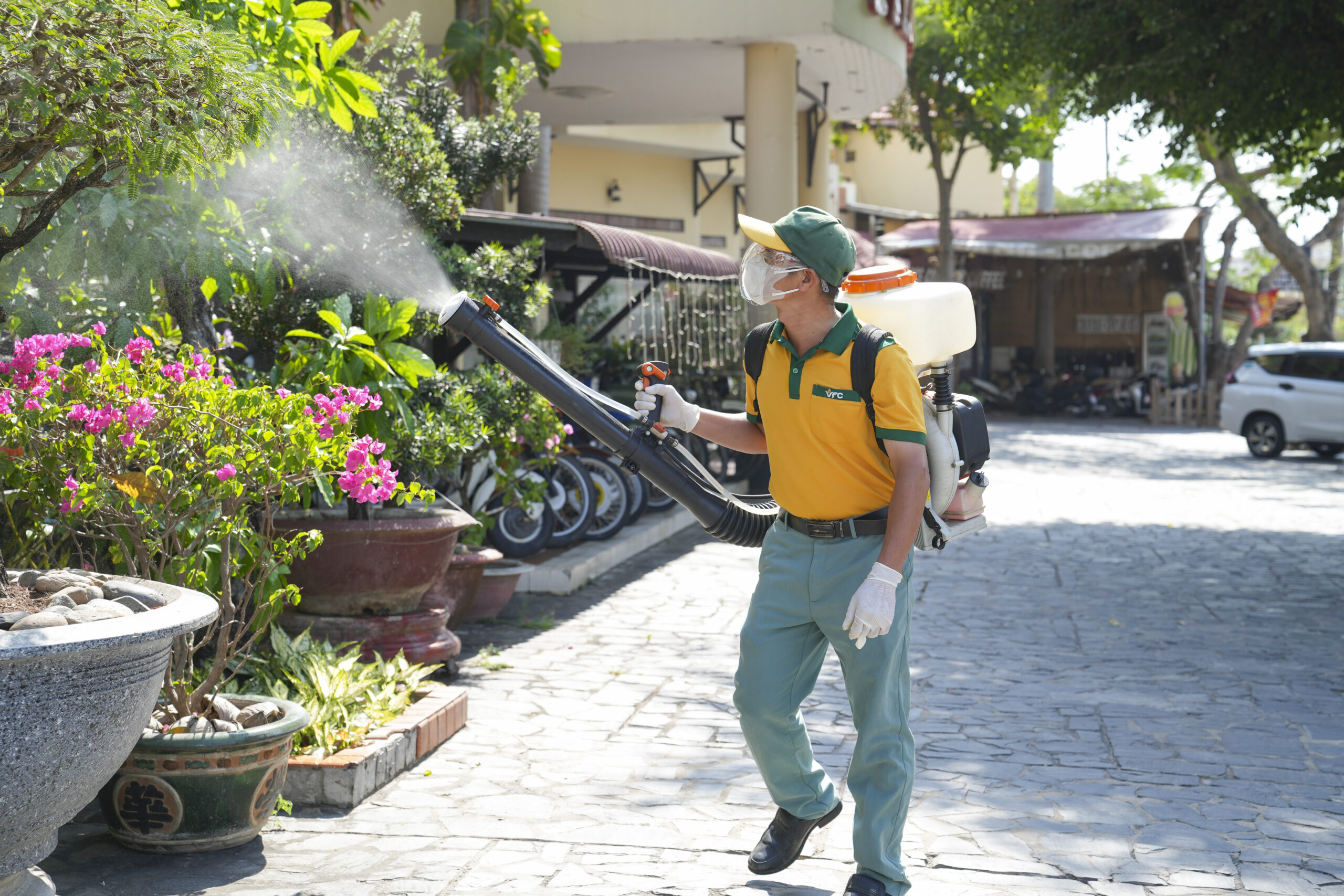
Spraying is a familiar method and still has a certain role in pest control. However, if only relying on spraying, businesses often encounter problems that are not easily recognized from the beginning.
First of all, spraying only treats the "top" of the problem. When insects appear, the use of chemicals can help reduce the number quickly. But if the source of generation still remains, pests will return after a short time. This creates a loop: treatment – reduction – recurrence – continued treatment.
The consequence is that the cost does not lie in a single treatment, but lies in having to repeat the treatment many times. In the long run, this is the largest cost part that businesses have to bear.
Besides, the abuse of chemicals can also lead to drug resistance, making pests increasingly difficult to control. At the same time, this also poses risks to the working environment, especially in industries with high requirements such as food, manufacturing or accommodation services.
In the context of businesses increasingly having to meet inspection and audit standards, simply spraying without a clear tracking and control system also makes demonstrating effectiveness difficult. To prove effectiveness, businesses need a reporting system that shows pest density, trends over time, abnormal areas, and corrective actions taken.
3. How are IPM and traditional spraying different?
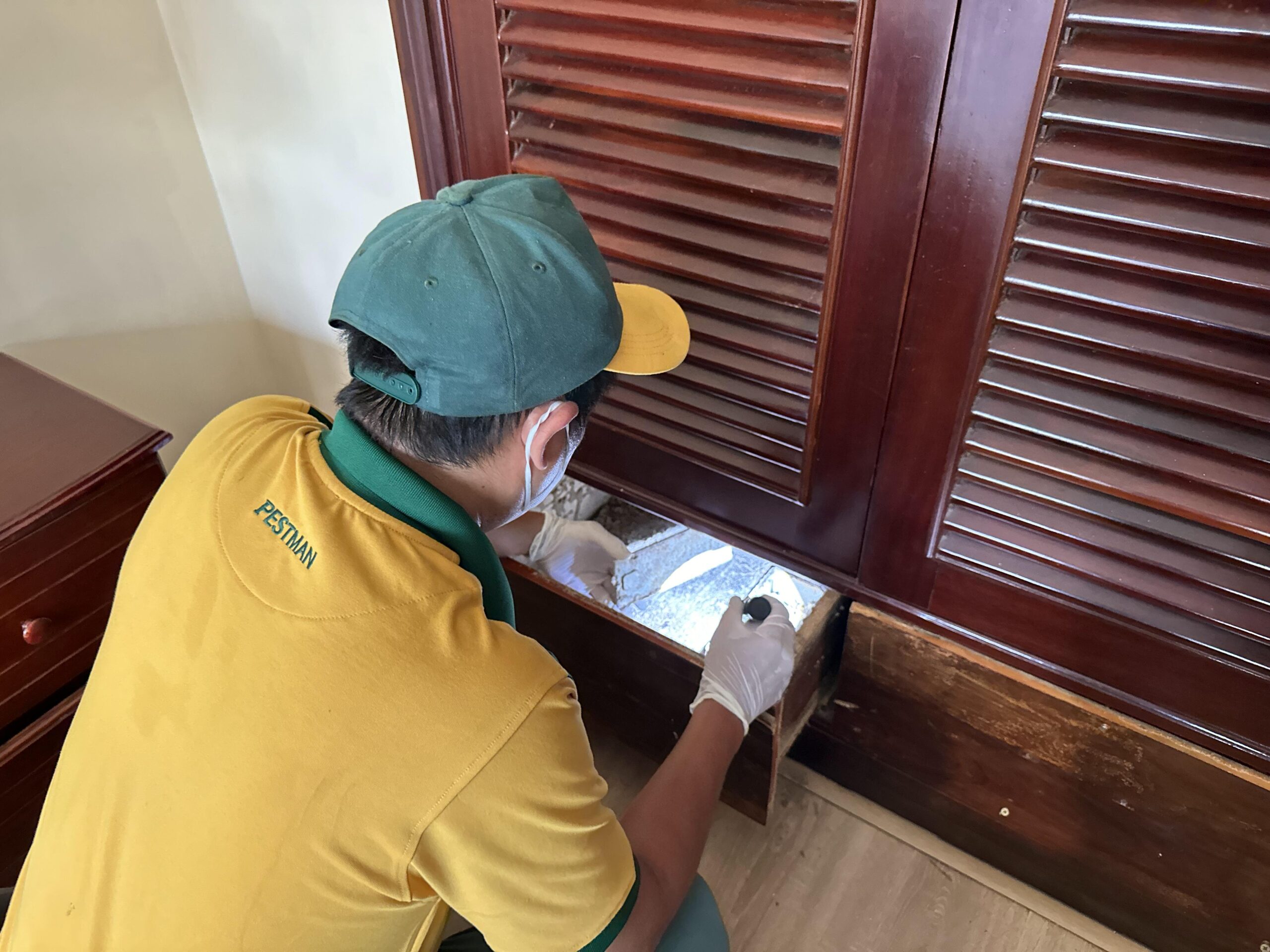
The difference between IPM and traditional spraying does not lie in "whether it can kill or not", but lies in the approach and the results brought in the long term.
Spraying focuses on treatment when the problem has already occurred. Meanwhile, IPM starts from preventing pests from appearing right from the beginning. This leads to a big difference: one side continuously treats, one side gradually reduces the need to treat.
In terms of effectiveness, spraying can bring quick results in the short term, but is often unstable. IPM does not create such a clear immediate effect, but helps maintain a stable control state over time.
In terms of cost, spraying can have a low cost at each implementation, but the total cost increases gradually due to having to repeat many times. Conversely, IPM optimizes costs in the long term, when the treatment frequency decreases and generation risks are better controlled.
In other words, the difference does not lie in heavy or light treatment, but lies in the approach and long-term effectiveness.
Below is a summary table of the difference between these 2 methods
| Criteria | IPM (Integrated Pest Management) | Traditional spraying |
| Approach | Prevent from the root | Treat when arising |
| Effectiveness | Stable, long-term | Quick but short-term, easy to recur |
| Treatment frequency | Gradually decrease over time | Continuously repeat |
| Cost | Long-term optimization | Gradually increase by cycle |
| Chemicals | Controlled, limited | Highly dependent |
The key point is not to completely eliminate spraying, but to place this measure into a pest management program with risk assessment, prevention, monitoring, and clear criteria to decide when intervention is needed.
You may also be interested in: 3 criteria for choosing an effective and economical pest control PCO
4. Which method should businesses choose?
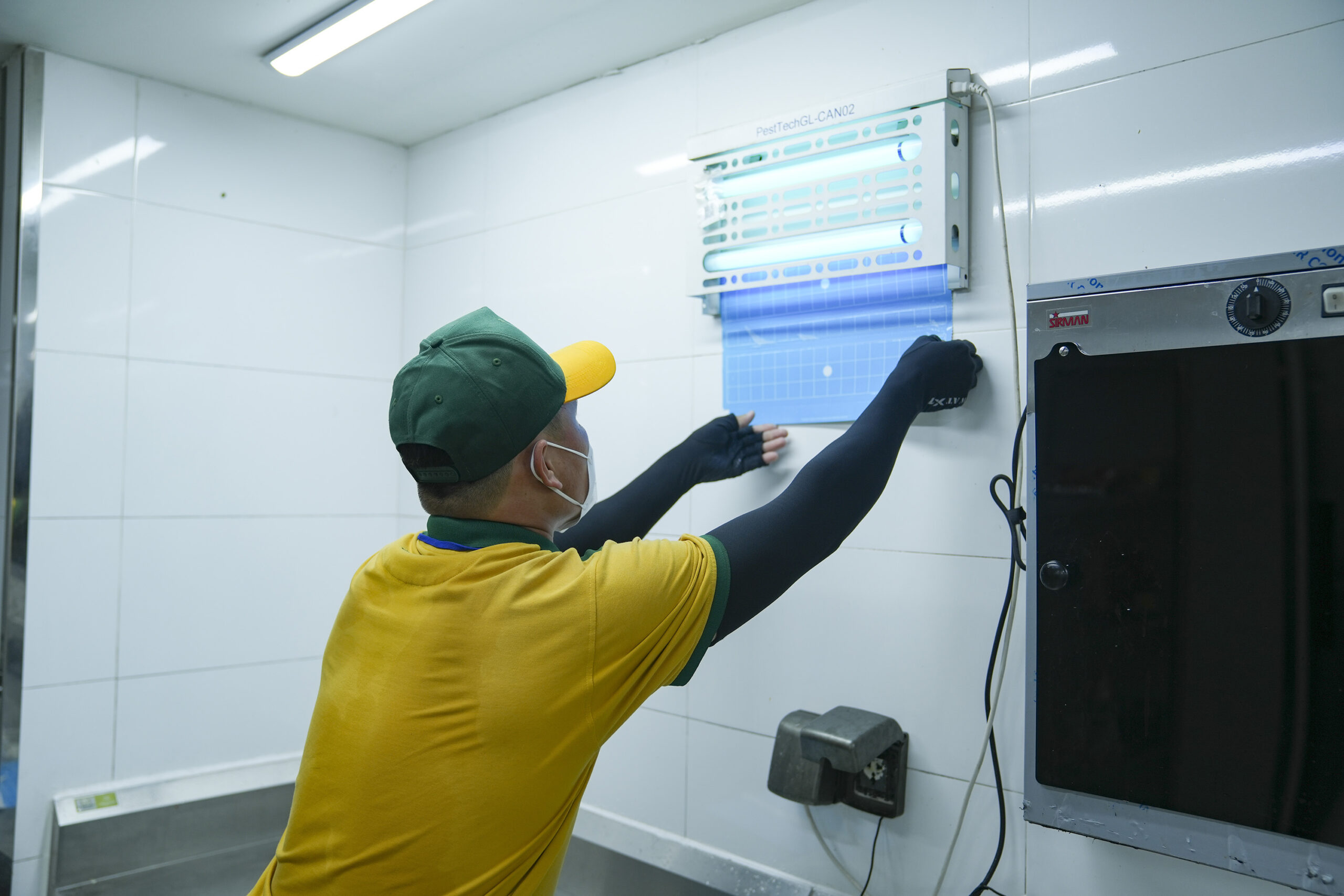
In fact, spraying is not a wrong method. The problem lies in the fact that many businesses think this is the only solution.
Meanwhile, IPM does not completely eliminate spraying, but views it as a part of the overall control system. When necessary, chemicals are still used, but based on specific assessment instead of being applied periodically in a mechanical way.
For businesses with high requirements regarding quality, operations, or standards, IPM is a suitable choice. Not only does it help control pests, but this method also enables businesses to be more proactive in risk management and cost optimization. To manage risks instead of merely reacting when pests appear, businesses need to identify in advance target species, attraction sources, entry pathways, and key areas that require priority control.
5. Benefits when businesses apply IPM
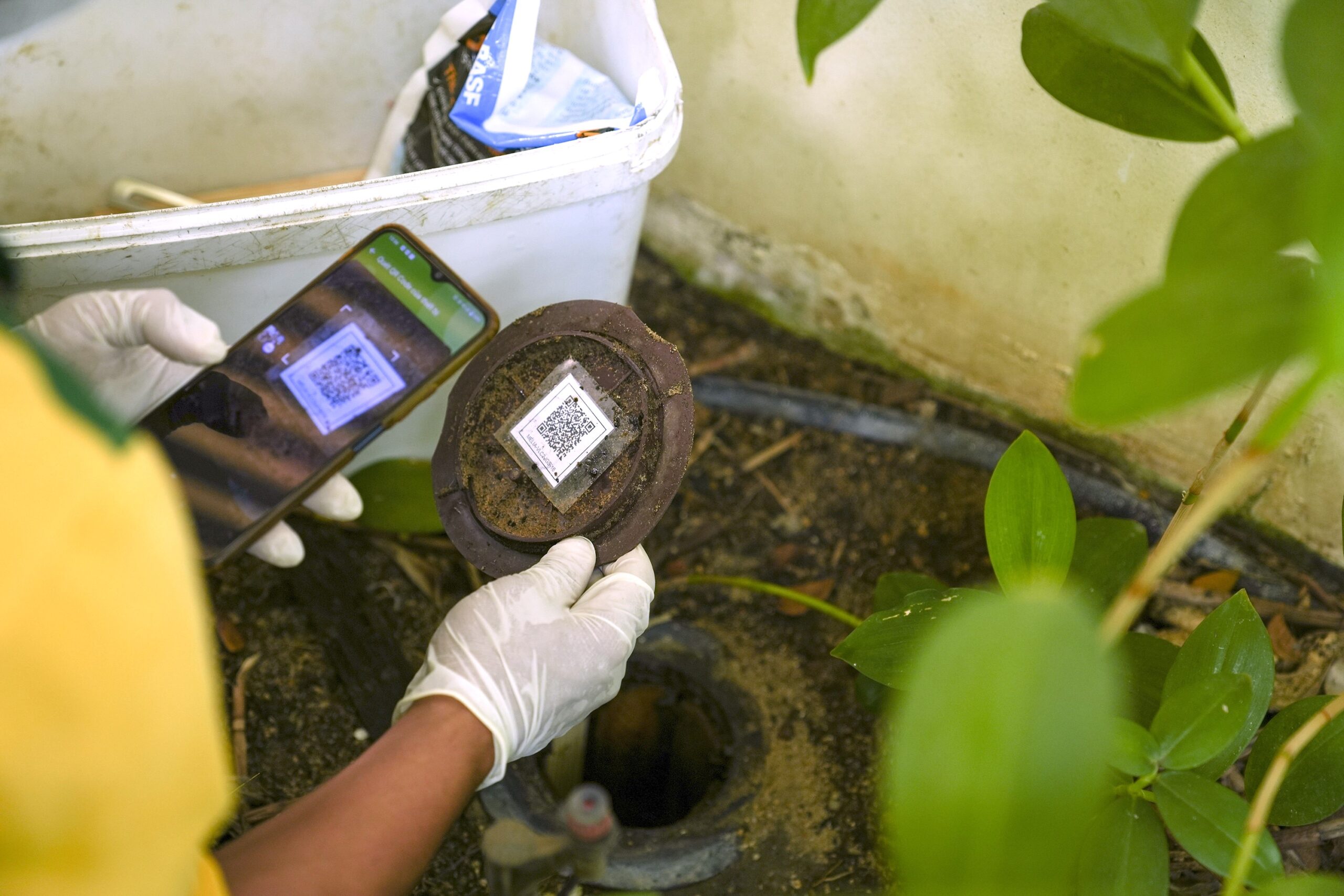
For factory QA/QC, resort managers or shopping centers, IPM is not only a pest control program, but also a part of quality management standards.
- Meeting strict standards: Standards such as ISO 22000, HACCP, or AIB all consider IPM a prerequisite requirement. Having a proper IPM system helps businesses easily pass inspections by international partners.
- Absolute safety for humans and products: Minimizing chemical spraying helps eliminate the risk of cross-contamination into the production line or causing irritation to customers in sensitive areas such as restaurants, hotel rooms.
- Optimizing hidden costs: Prevention from the root helps reduce the rate of goods destroyed due to insect damage, protects building structures (such as electrical wires, warehouses) and maintains brand reputation in the market.
6. How does VFC PestMan implement IPM in pest control?
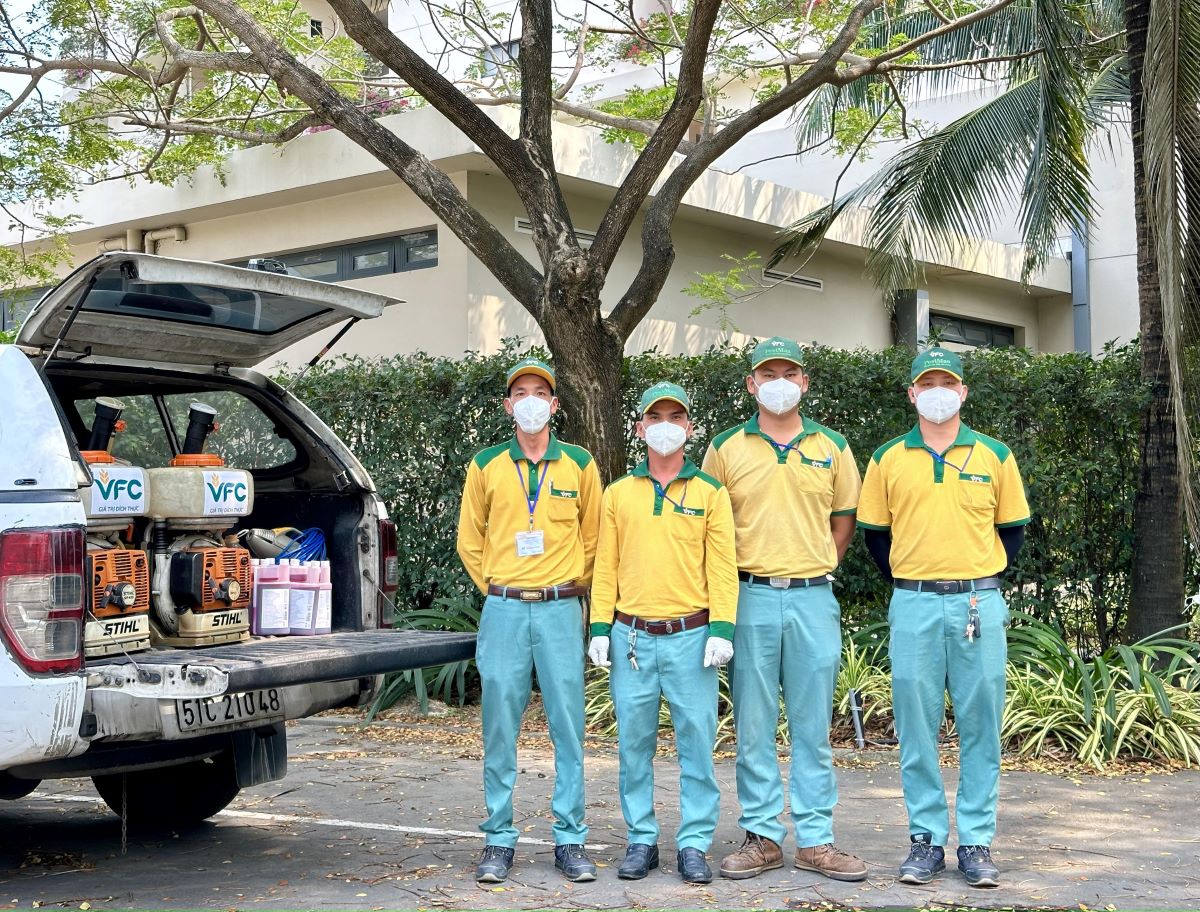
At VFC PestMan, we do not sell a mere spraying service, we provide a comprehensive pest risk management solution. Each IPM program is custom-designed based on the characteristics of each type of business, from logistics warehouses to electronic component manufacturing factories.
Our process starts from field survey and data analysis. We use modern monitoring systems to track fluctuations in pest density. Instead of mass spraying, VFC PestMan technicians will focus on advising businesses on how to reinforce doors, gaps and improve internal sanitation processes. When chemical intervention is needed, we prioritize insect products of biological origin, safe and licensed by reputable health authorities.
VFC PestMan's digitized reporting system helps businesses not only see results after each inspection but also understand risk hot-spots to proactively respond. This is exactly the professionalism that a leading unit brings to its customers.
Choosing between IPM or traditional spraying will determine the level of stability and reputation of the business in the future. When shifting from the mindset of "treating when an incident occurs" to "managing and preventing from the beginning", you are not only protecting assets but also building a sustainable and world-class operating foundation.


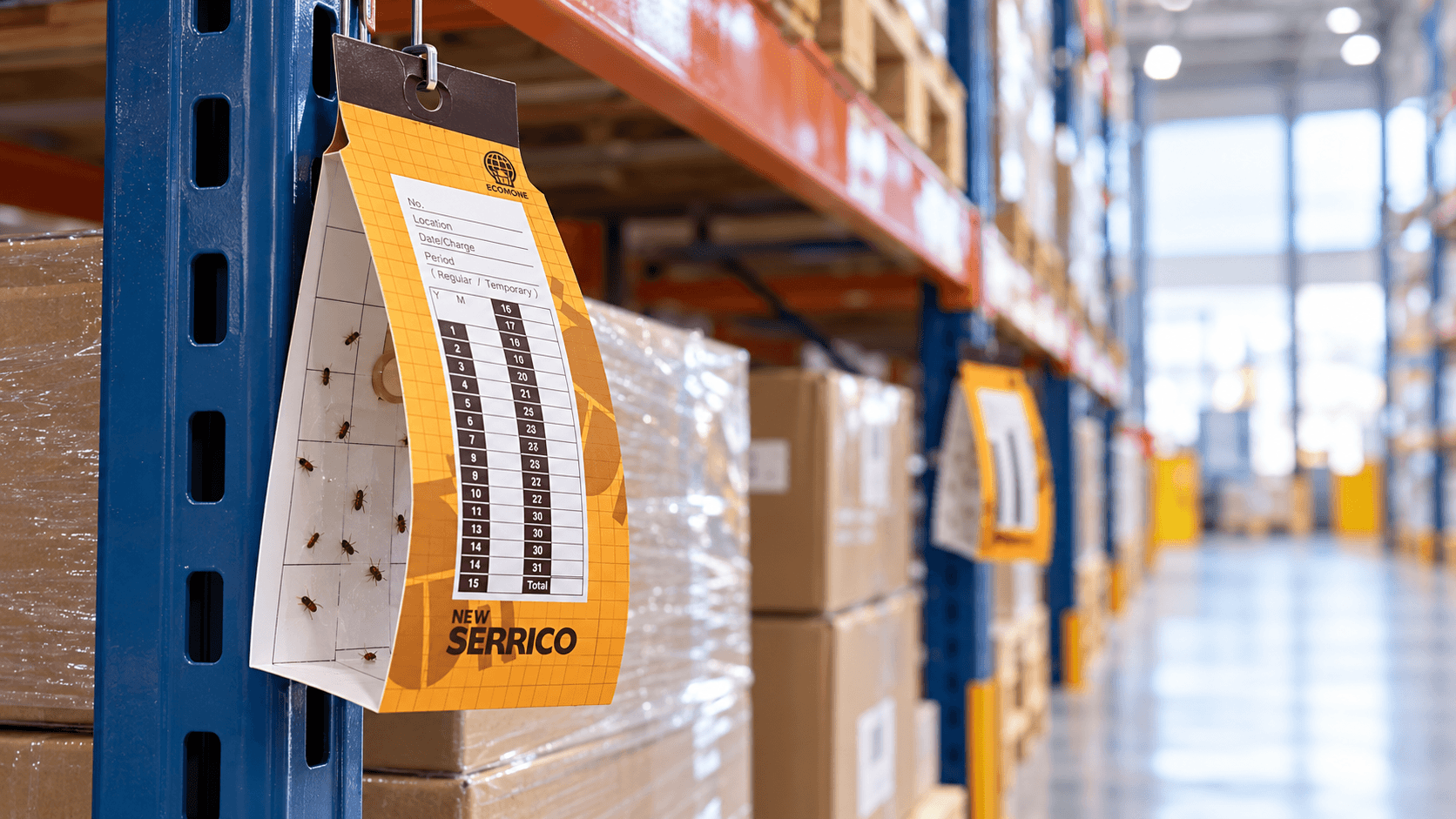
Pheromone traps: An insect monitoring solution for pest control
Bẫy Pheromone được ứng dụng trong kiểm soát dịch hại nhờ khả năng dẫn dụ…
Phương pháp và quy trình kiểm soát côn trùng trong kho hàng hiệu quả
Kho hàng là nơi tập trung nguyên liệu, thành phẩm, bao bì, pallet và lượng…
Related news



Ready to eliminate audit risks and proactively protect customer experience & brand reputation?





Dear Valued Visitor,
To protect our clients' interests, all materials here are copyrighted and may not be reproduced without permission.
We appreciate your cooperation. Should you need to use our content professionally, please contact us directly.