


By VFC PestMan | 28-01-2026

Fire ants – identification information and effective fire ant control methods

Fire ants can bite to grip the skin and then use their stinger to inject venom, causing a burning sensation, redness, swelling or small pustules. To control these pests effectively, it is necessary to identify the nest location, assess the extent of their activity and select appropriate ant control products and ant baits. 

What are fire ants?

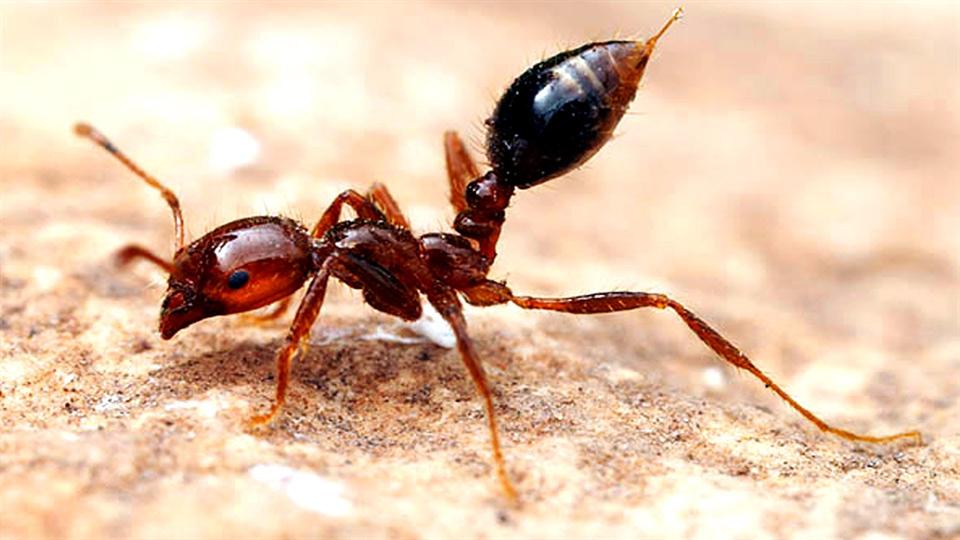
Fire ants are a common name for several ant species belonging to the genus Solenopsis. Depending on the species and the individual caste within the colony, these insects may be reddish-brown, dark red or dark brown.

What are the identifying characteristics of fire ants?

Some common signs used to identify fire ants include:

  • The body may be reddish-brown, dark red or dark brown.
  • Worker ants within the same colony may vary in size.
  • They move quickly and react aggressively when the nest is disturbed.
  • Large numbers of ants may emerge onto the surface at the same time when the soil mound is disturbed.
  • Nests are commonly found in soil, lawns, planting beds or areas that are not frequently disturbed.

At the field level, identifying a species accurately from a photograph of a single ant is often insufficient. Technicians should assess the specimen together with the location where it was found, nest structure and colony behaviour. Some ant species may have similar appearance or colour but very different nesting habits. For example, carpenter ants are commonly associated with damp wooden structures, while fire ants primarily nest in soil.

Where are fire ant nests commonly found?

Fire ants commonly build nests in soil where moisture, temperature, food availability and disturbance levels are suitable.

Areas that should be inspected include:

  • Lawns and open ground.
  • Planting beds, landscaped gardens and medians.
  • Edges of internal roads or fence lines.
  • Areas around waste collection points.
  • Areas near pipelines, utility pits or water sources.
  • Soil beneath materials stored outdoors.
  • Peripheral areas that are infrequently cleaned or inspected.

Some nests form clearly visible soil mounds. However, not every fire ant nest has an easily visible entrance. Nest entrances may be located along the sides of the mound or concealed by grass and surrounding materials.

Why do factories and manufacturing facilities need to control fire ants?

The risks associated with fire ants are not limited to the number of ants that can be seen. These pests may affect people, landscaping and facility operations.

Key risks include:

  1. Risk to employees
    Fire ants may sting employees working on lawns, loading areas, technical zones or locations near nests.
  2. Risk to visitors and contractors
    Nests located along walkways, parking areas or outdoor spaces may increase the risk of accidental contact.
  3. Risk of entering buildings
    Worker ants may move into canteens, warehouses, raw material storage areas or locations where food residues are present.
  4. Risk of recurrence
    If you only spray foraging individuals without identifying the nest and attracting conditions, ant activity may continue.
  5. Risk of lacking management data
    For facilities with quality management requirements, each detection point needs to be recorded, monitored, and evaluated instead of treated in isolation.

kien-luaWhat are fire ants?

What signs indicate a fire ant infestation?

The presence of a few isolated ants is not enough to conclude that an entire facility is heavily infested. However, when ants appear continuously, multiple foraging trails are observed or nests are found within the premises, factories and manufacturing facilities should conduct a systematic inspection.

Which signs require immediate inspection?

Common signs include:

  • Newly formed soil mounds in lawns or planting beds.
  • Large numbers of ants emerging when a mound is disturbed.
  • Ant trails moving from outdoor areas into the building.
  • Ants gathering around organic waste, food or dead insects.
  • Employees being stung repeatedly in the same area.
  • Ants reappearing after multiple spraying treatments.
  • Multiple activity points being found without the primary nest being identified.
  • Ants appearing near raw material warehouses, canteens or sensitive areas.

Which areas should be prioritised during inspection?

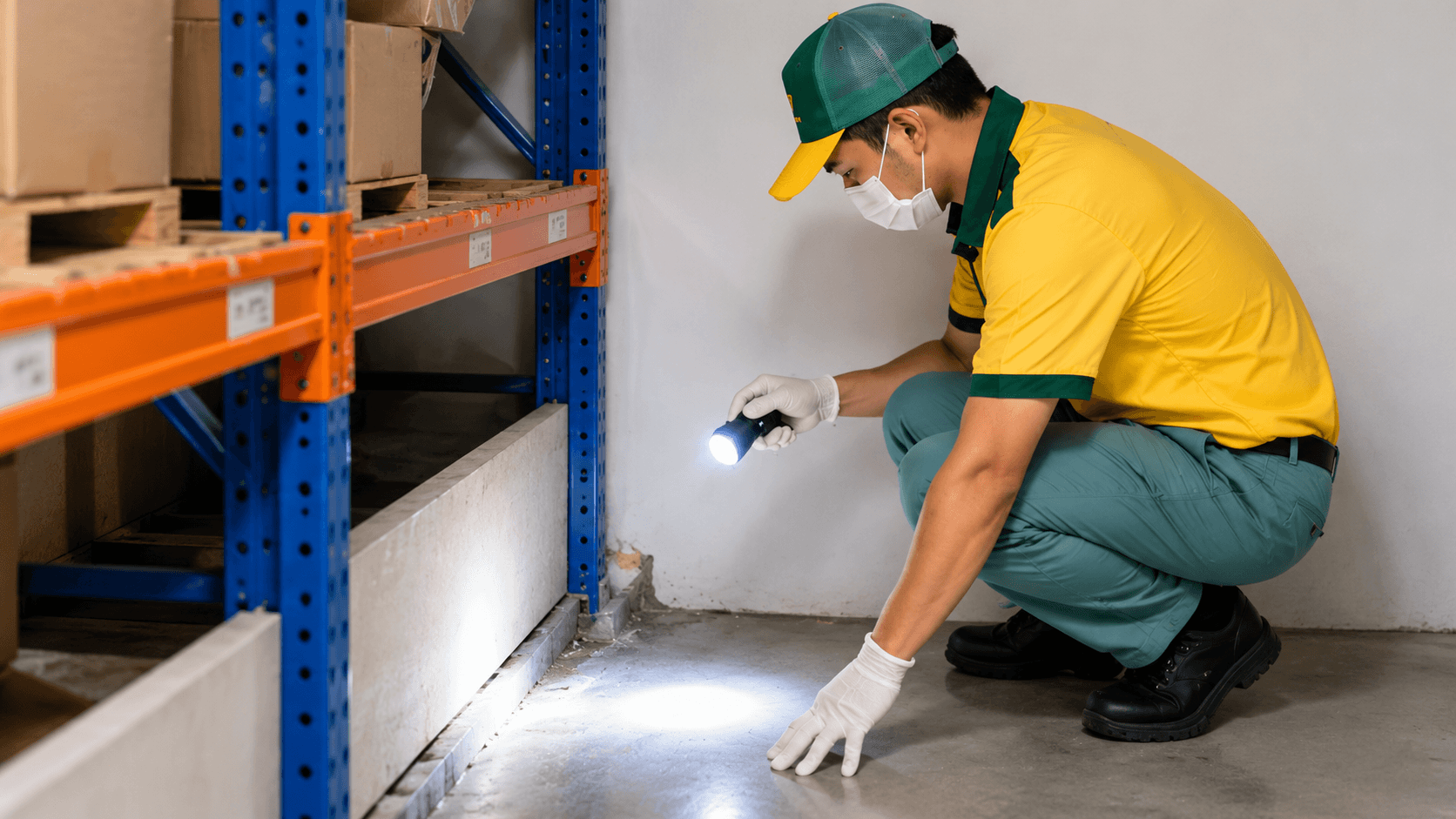
The inspection should proceed from the external perimeter towards the interior of the facility. This approach helps identify ant movement routes and the conditions supporting colony survival.

External areas:

  • Lawns and planting beds.
  • Waste collection areas.
  • Fence lines.
  • Internal roads.
  • Pallet or material storage areas.
  • Drainage channels and utility pits.
  • Areas with damp soil or standing water.

Transition areas:

  • Door gaps.
  • Wall bases.
  • Cable and pipe penetrations.
  • Expansion joints.
  • Interfaces between soil and building structures.

Internal areas:

  • Canteens and kitchens.
  • Food storage areas.
  • Packaging areas.
  • Waste storage areas.
  • Employee break rooms.
  • Locations where ant trails have previously been recorded.

For large premises or areas with interconnected sections, assessing risks and mapping entry points helps determine which areas should be prioritized for control.

What are the steps in an IPM-based fire ant control process?

IPM, or integrated pest management, does not mean eliminating pesticide use entirely. It is an approach that combines inspection, prevention, physical measures, sanitation, monitoring and targeted treatment.

The objective is not to spray as much as possible. The objective is to identify the cause, select appropriate measures and monitor results through data.

Step 1: Inspect and correctly identify the pest

Technicians inspect:

  • Morphological characteristics of the ants.
  • Nest locations.
  • Foraging trails.
  • Periods of peak activity.
  • Food and water sources.
  • Gaps or entry points.
  • Areas with frequent human traffic.
  • Sensitive production or storage areas.

Correct identification is important because different ant groups have different feeding behaviours, nesting locations and responses to control methods.

Step 2: Assess the severity and extent of the infestation

Infestation severity should not be assessed solely by the number of ants visible at a single point in time.

Factors that should be recorded include:

  • Number of nests identified.
  • Number of foraging trails.
  • Activity level at each point.
  • Distance from nests to the building.
  • Number of employee sting incidents.
  • Potential access to food or raw materials.
  • Previous treatment history.
  • Recurring activity after treatment.

From this data, areas can be classified by priority level to select appropriate control measures. When there are multiple monitoring points, businesses can track pest trends and hotspots on the Dashboard instead of manually summarizing individual reports.

Step 3: Remove favourable conditions

Fire ants are more likely to persist where food, water and suitable harbourage are available. Sanitation and structural improvements should therefore be implemented alongside direct treatment.

Actions may include:

  • Cleaning up food spills.
  • Keeping waste bins securely covered.
  • Reducing the storage time of organic waste.
  • Eliminating standing water.
  • Removing stored materials from building perimeters.
  • Trimming excessively dense vegetation.
  • Sealing gaps around doors, walls and pipe penetrations.
  • Adjusting designated employee eating areas.
  • Managing food intended for pets or ornamental animals.

Removing food sources does not automatically eliminate the colony. However, it reduces attractive conditions and supports the overall effectiveness of the control programme.

Step 4: Select appropriate treatment measures

The control plan may combine:

  • Baits in areas where ants are actively foraging.
  • Individual nest treatments.
  • Contact insecticides at locations where activity needs to be reduced quickly.
  • Measures to prevent ants from entering buildings.
  • Control of food, water and harbourage sources.
  • Restricting access to areas with a sting risk.
  • Temporary warnings for employees and contractors.

In areas with multiple nests or widespread infestation, Texas A&M materials commonly describe an approach combining area-wide baiting with treatment of nests that remain active as a two-step method. However, the specific treatment programme must be based on products permitted for use, facility characteristics and applicable safety requirements in Vietnam.

Step 5: Monitor after treatment

Following treatment, inspections should determine:

  • Whether ants are still active at the nest.
  • The level of bait consumption.
  • Whether new ant trails have appeared.
  • Whether new nests have developed in nearby areas.
  • Whether employees are still reporting stings.
  • Whether sanitation recommendations have been implemented.

The absence of visible ants during a single inspection is not enough to conclude that the programme has achieved its objective. Results should be assessed across multiple time periods and monitoring points.

Step 6: Record data and improve the control plan

Each inspection should record:

  • Date and time.
  • Location.
  • Activity level.
  • Measures implemented.
  • Materials used.
  • Post-treatment results.
  • Recommendations requiring action.
  • Person responsible.

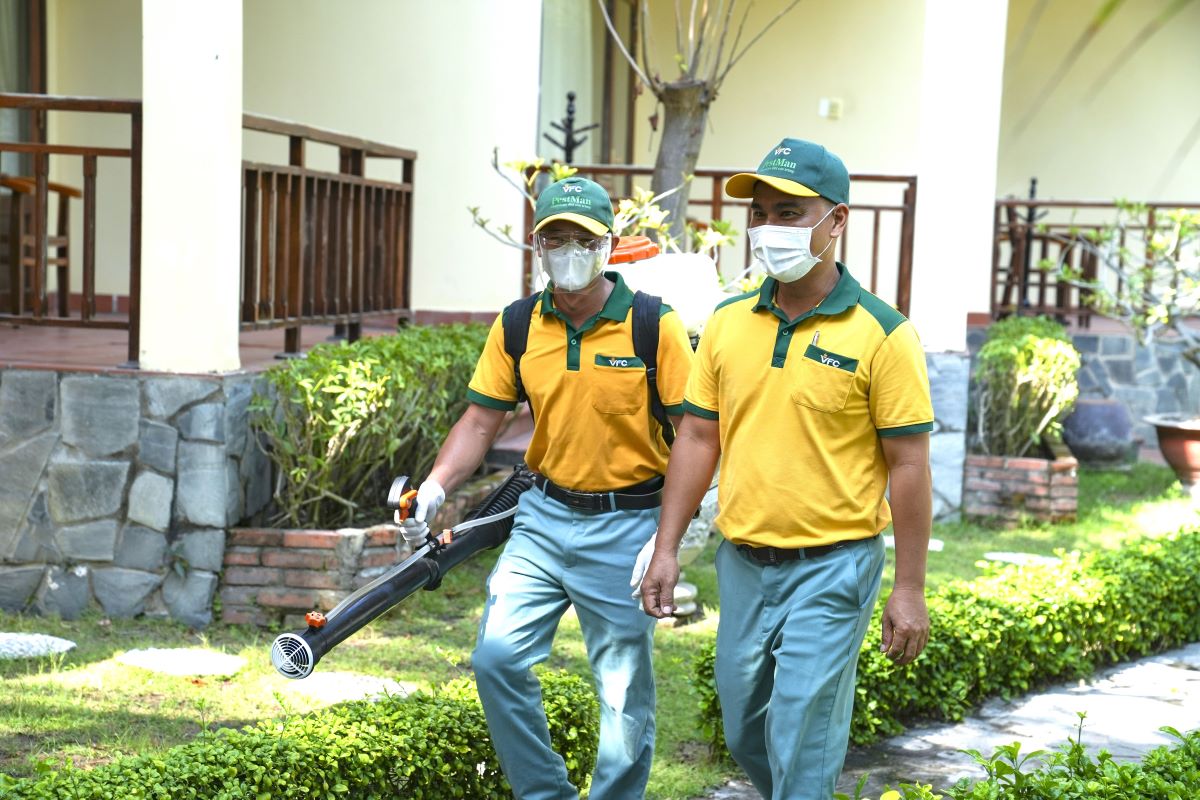
VFC PestMan's approach emphasizes inspection, risk assessment, monitoring, reporting, and traceable data, rather than viewing periodic spraying as the entire IPM program. This information serves as input data to build pest control reports and evaluate trends over time.

When should factories and manufacturing facilities use a professional ant control provider?

A small ant nest in an isolated area may be managed under an internal procedure if the facility has appropriately trained personnel, suitable products and safe conditions for treatment.

Factories and manufacturing facilities should consider contacting a professional pest control provider when:

  • Ants appear in production areas or food warehouses.
  • Multiple nests are present within the premises.
  • Employees or visitors are repeatedly stung.
  • The primary nest cannot be identified.
  • Ants reappear after repeated treatments.
  • Pesticides need to be used in sensitive areas.
  • Chemical documentation and service records are required.
  • Data is required for QA, HSE or internal assessments.
  • Treatment activities may affect the production schedule.
  • The facility does not have a post-treatment monitoring programme.

If the facility is experiencing one or more of the above situations, you can refer to PestMan's insect and rodent control services for inspection, accurate species identification, and area-specific solution development.

What should factories and manufacturing facilities prepare before a site survey?

To ensure that the survey is supported by sufficient data, the facility should prepare:

  • A site layout.
  • A list of locations where ants have been detected.
  • Photos of nests or ant trails.
  • Times of peak activity.
  • Previous spraying or baiting history.
  • Names of products previously used.
  • Areas where employees have been stung.
  • Operating schedules for each area.
  • Safety requirements or re-entry intervals.
  • The person responsible for on-site coordination.

In addition to site information, companies should assess the capabilities of the service provider before entering into a contract, particularly in relation to IPM, data management and audit support.

>> See more: 3 criteria for selecting a professional pest control operator.

5. VFC PestMan – professional pest control solutions

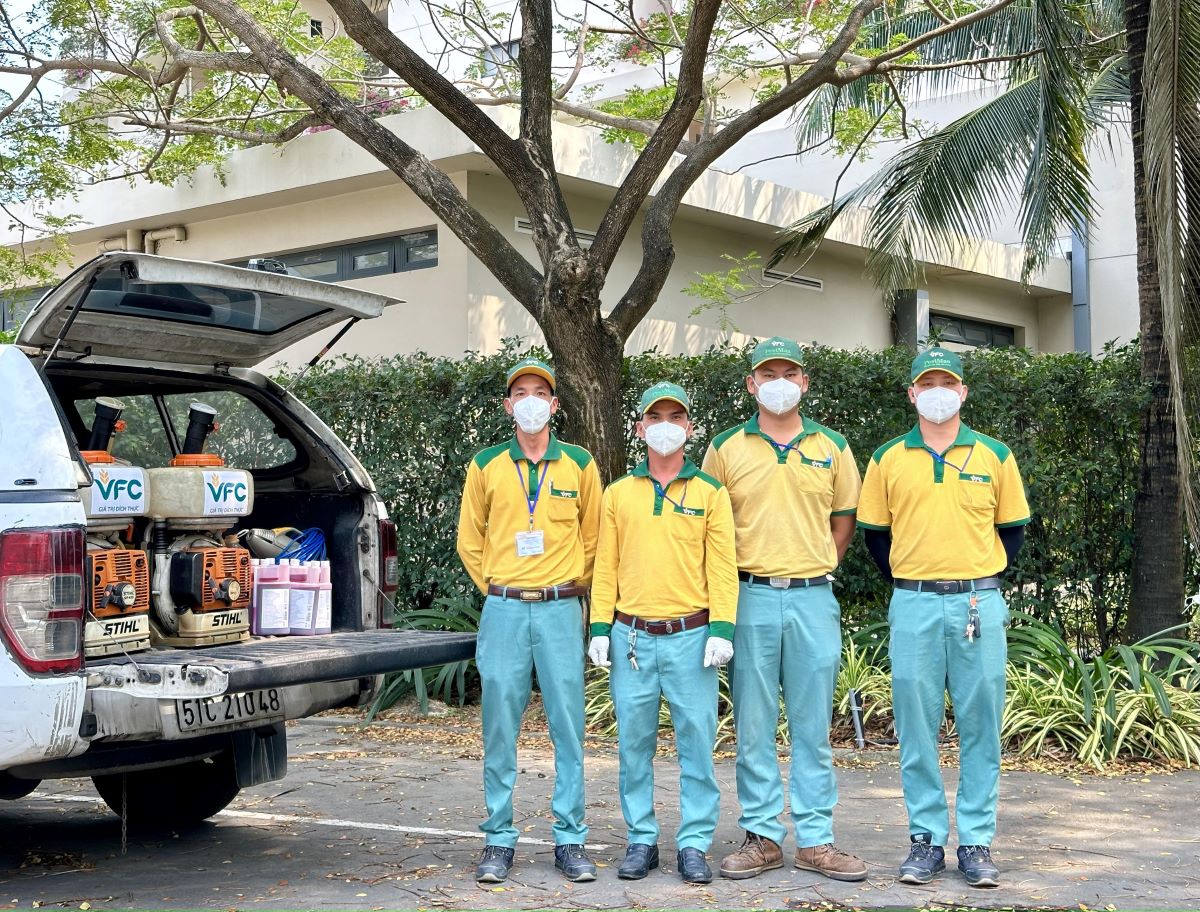
VFC PestMan is a leading prestigious brand in Vietnam specializing in providing international standard insect and pest control solutions. Not simply eradicating pests, VFC PestMan acts as a strategic partner helping factories, hotels, and facilities protect their brand reputation and fully meet strict audit standards such as AIB, BRC, or HACCP.

Applying a modern digital technology platform, VFC's online data management system continuously updates trap layouts and insect trend charts in real time. As a result, the management board can proactively demonstrate compliance to auditors at any time without prior preparation. In particular, VFC PestMan's experts spend most of the survey time providing technical recommendations on sealing gaps and controlling moisture, helping businesses proactively prevent pest intrusion risks right from the perimeter.

Frequently asked questions about fire ants

1. Are fire ants venomous?

Fire ants produce venom and inject it through their stinger. Common reactions include burning, itching, redness or local swelling. Some people may experience a severe allergic reaction and require immediate medical attention.

2. Are fire ant stings dangerous?

Most cases cause only local reactions. However, difficulty breathing, severe swelling, chest pain, nausea, difficulty speaking or dizziness are signs that medical attention should be sought.

3. How long does a fire ant sting take to heal?

Recovery time depends on the individual, the number of stings and the severity of the skin reaction. A specific recovery period should not be assumed if the affected area becomes increasingly swollen, painful, produces discharge or is accompanied by systemic symptoms.

4. Where do fire ants usually build their nests?

Nests are commonly found in soil in lawns, planting beds, medians, along fence lines or in peripheral areas. Some nests form visible soil mounds, although entrances may be located along the sides and can be difficult to see.

5. Why do fire ants appear in factories?

Food sources, organic waste, water, vegetation, structural gaps and nests around the external perimeter may allow ants to move into buildings. Both indoor areas and the surrounding perimeter should therefore be inspected.

6. How can fire ants be prevented from returning?

Food spills should be cleaned promptly, waste should be properly managed, standing water should be eliminated, stored materials should be cleared from problem areas, planting beds should be inspected and locations with previous nests should continue to be monitored.

7. When should a professional pest control provider be contacted?

Professional support should be considered when multiple nests are present, ants repeatedly return, employees are frequently stung or ants have entered production areas, warehouses or food-handling areas.

Featured News
con-trung-trong-kho-hang
Logistics warehouse

Các loại côn trùng trong kho hàng: Nhận diện và giải pháp kiểm soát toàn diện

Khu vực lưu trữ hàng hóa và kho nguyên liệu tập trung mật độ cao…

kiem-soat-dich-hai-kho-lanh-vfc-pestman
Pest control by industry

Kiểm soát dịch hại trong kho lạnh: 5 điểm mù doanh nghiệp thường bỏ qua

Kho lạnh giữ vai trò quan trọng trong chuỗi cung ứng thực phẩm, dược phẩm…

Kiem-tra-moi-mot-bang-Termatrac-iTracker
Pest control technology

Termatrac iTracker – Thiết bị hỗ trợ phát hiện mối trong công trình trước khi đục phá

Mối có thể hoạt động phía sau tường, sàn, trần và nội thất gỗ suốt…

Building

Quy trình IPM kiểm soát côn trùng toàn diện cho trường nội trú

IPM trường nội trú là phương pháp quản lý dịch hại theo hướng phòng ngừa, giám…

Related news

thieu-than
Insects & rodents

Vì sao thiêu thân bị thu hút bởi ánh sáng?

Thiêu thân bay quanh bóng đèn, tập trung tại các nguồn sáng hoặc xuất hiện…

gian-duc
Insects & rodents

Gián Đức ở khách sạn: Nguyên nhân xuất hiện, dấu hiệu nhận biết và giải pháp kiểm soát hiệu quả

Gián Đức ở khách sạn là một trong những vấn đề dịch hại gây nhiều…

Pest species

Rệp giường là gì? Dấu hiệu nhận biết và cách xử lý rệp giường tận gốc

Rệp giường là một trong những loài côn trùng gây phiền toái phổ biến trong…

kiem-soat-muoi-van-sot-xuat-huyet
Pest species

Muỗi vằn truyền bệnh sốt xuất huyết: Nhận diện và giải pháp kiểm soát hiệu quả

Muỗi vằn truyền bệnh sốt xuất huyết là một trong những loài côn trùng gây…

image

Ready to eliminate audit risks and proactively protect customer experience & brand reputation?
    Fill out the form below and a PestMan specialist will contact you as soon as possible.

    Dear Valued Visitor,
    ​To protect our clients' interests, all materials here are copyrighted and may not be reproduced without permission.
    ​We appreciate your cooperation. Should you need to use our content professionally, please contact us directly.