





By pestman | 28-01-2026
Fruit fly infestations in food processing facilities are not merely a sanitation issue but also a direct threat to international certifications. Understanding their biological characteristics and implementing professional pest control procedures is the only effective way to protect a company’s brand reputation.
1. What are fruit flies and where do they come from?
1. What are fruit flies?
Fruit flies are small insects belonging to the Drosophilidae family (approximately 3–4 mm in length), commonly recognized by their red eyes. These insects are strongly attracted to ripe fruits, decaying vegetables, sugar, and fermenting organic matter. According to entomological studies, the species Drosophila melanogaster is especially attracted to ethanol and sugary odors generated during organic decomposition.
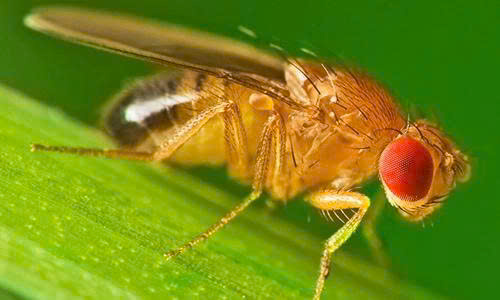
What are fruit flies?
1.2. Common hiding and activity areas of fruit flies
1.2.1. Raw material receiving and storage areas
- Fruit and agricultural pallet storage areas: Locations where ripe, bruised, or fermenting produce releases sugary odors.
- Leaking raw material packaging: Torn or leaking sugar bags, syrup containers, or fruit concentrate drums spilling onto the floor.
- Sorting and preprocessing areas: Cutting tables, peeling machines, and areas where moist food residues become trapped beneath machinery.
1.2.2. Drainage and waste treatment systems (Primary hotspots)
- Drain channels and manholes: Areas where biofilm, organic sludge, and nutrient-rich wastewater accumulate.
- Cracks in factory flooring: Gaps and cracks in concrete floors or peeling epoxy coatings that collect water and organic debris after sanitation washing procedures.
- Damaged underground drainage pipelines: Leaking wastewater creates layers of moist organic-contaminated soil beneath the factory foundation.
1.2.3. Production and packaging lines
- Conveyor belts and machine gears: Mechanical gaps in filling and bottling machines (especially for beer, soft drinks, and fish sauce) where sweet liquid splashes accumulate into moldy residues.
- Ventilation and exhaust systems (HVAC): Filter areas that accumulate grease, organic fine dust, and moisture generated during cooking and processing operations.
1.2.4. Waste collection and sanitation zones
- Industrial waste bins and garbage carts: Particularly bins with cracked bottoms or torn liners that allow waste liquid to accumulate over long periods.
- Laundry rooms and sanitation equipment storage areas: Wet mops, cleaning cloths, and floor scrubbers that are not properly emptied of residue or dried after use.
1.2.5. Employee living and break areas
- Canteens and staff dining areas: Locations where leftover food and tray washing activities are concentrated.
- Workers’ personal lockers: Fruit flies are attracted to candy wrappers, ripe fruits, or unfinished milk containers stored inside by employees.
1.3. Why are fruit flies commonly found around fruits?
Fruit flies (especially Drosophila melanogaster) feed on sugars and fermented substances. Ripe, bruised, spoiled fruits, and decomposing organic matter provide ideal environments for feeding and egg-laying activities.
With an extremely short life cycle of only around 9–10 days, fruit flies can reproduce and increase in population at a remarkably rapid rate. This biological characteristic allows them to maximize short-lived but abundant food sources.
The highly sensitive olfactory system of fruit flies is strongly stimulated by volatile organic compounds. The smell of fermenting fruit, similar to alcoholic odors, acts like a “magnet” that attracts fruit flies from considerable distances.
Dirty garbage bins, stagnant water, and exposed food continuously release organic odors that attract fruit flies. These moist environments function as breeding and harboring sites that sustain their populations.
1.4. How quickly do fruit flies reproduce?
Exceptional reproductive capacity: Fruit flies possess an extraordinary reproductive ability due to the massive number of eggs produced during their life cycle. A single adult female fruit fly can lay up to 500 eggs throughout its lifetime. Instead of depositing them all at once, the eggs are laid continuously in clusters of 5 to 20 directly onto ripe fruit surfaces or yeast-rich areas to ensure an immediate food source once the eggs hatch.
Extremely short life cycle: The life cycle of fruit flies progresses very rapidly, requiring only 8 to 10 days under ideal room-temperature conditions. The process begins when eggs hatch into larvae within approximately 24 hours. The larvae then feed on decomposing organic material for 4 to 5 days before pupating, followed by another 3 to 4 days inside the pupal case before fully metamorphosing into adult flies.
Exponential population growth potential: The rapid population explosion of fruit flies is driven by their ability to mature and mate almost immediately after emergence. Within just 8 to 12 hours after exiting the pupal case, adult flies are already capable of initiating a new reproductive cycle. This accelerated generational turnover enables a single pair of fruit flies to multiply into millions of offspring within only a few weeks under warm conditions with abundant food availability.
>> Read more: Information and identification of blow flies
2. Are fruit flies harmful to human health?
Food contamination: Fruit flies frequently come into contact with garbage, drains, and spoiled food materials. These insects can carry bacteria, molds, and pathogens such as E. coli, Salmonella, and Listeria, contaminating fresh food once fruit flies land on its surface.
Digestive disorders: If humans accidentally consume food contaminated by fruit flies or containing fruit fly eggs or larvae (maggots), it may lead to food poisoning, diarrhea, or gastrointestinal irritation.
Allergic risks: Secretions, feces, or decomposed bodies of fruit flies dispersed in the air or food may trigger allergic reactions or asthma symptoms in sensitive individuals.
Fruit flies are not considered an immediate medical threat because they do not transmit highly lethal viruses. However, they remain a significant food hygiene and sanitation risk in both households and industrial facilities.
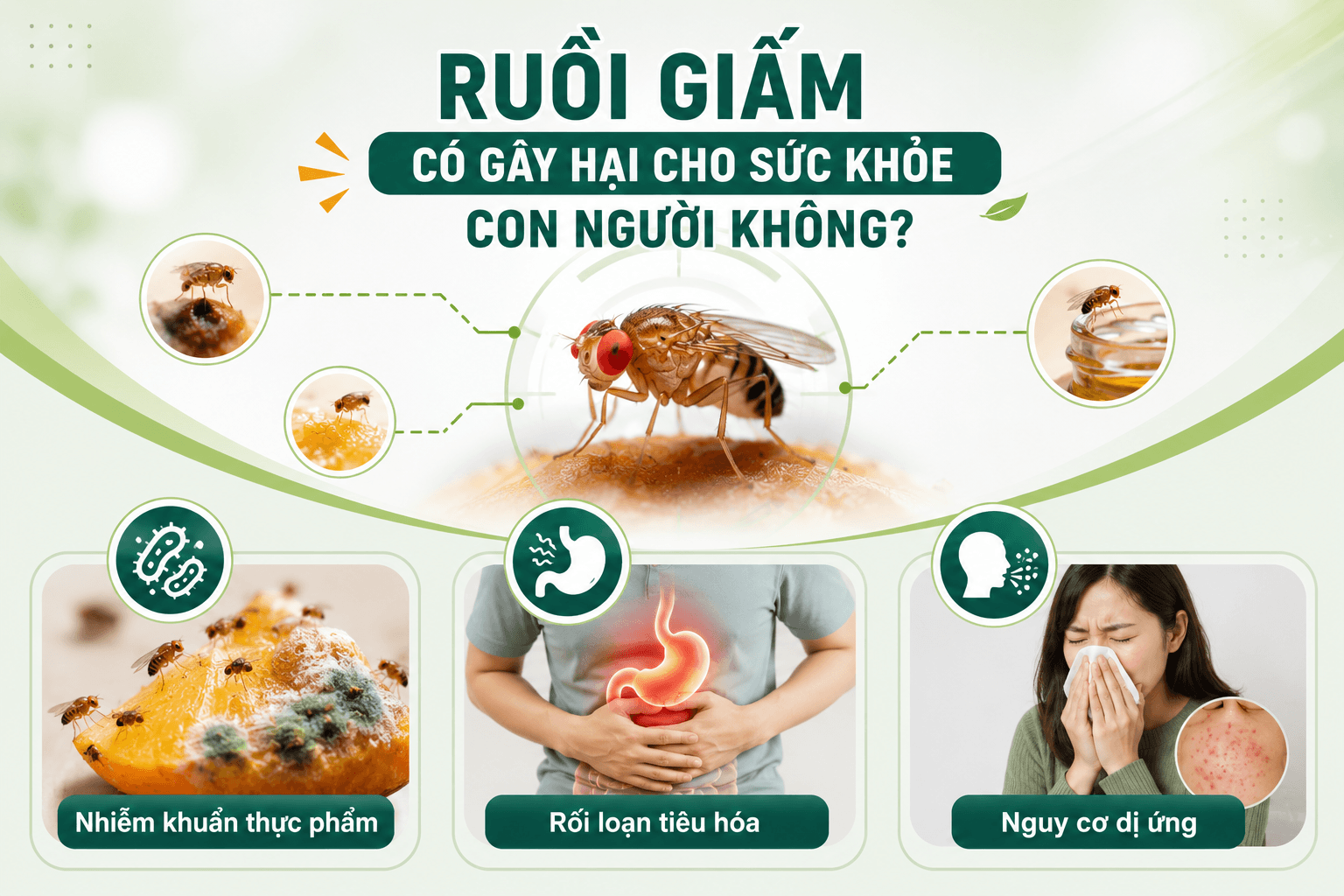
Are fruit flies harmful to human health?
3. The most effective ways to eliminate fruit flies
3.1. The fastest methods to trap and eliminate adult fruit flies
Apple cider vinegar and dish soap mixture: Pour apple cider vinegar into a cup and add 3–4 drops of dishwashing liquid. The fermented vinegar odor attracts fruit flies, while the dish soap reduces surface tension, causing the insects to sink and drown.
Paper funnel trap with ripe fruit: Place several pieces of overripe banana or mango into a glass jar. Roll a sheet of paper into a funnel and position the narrow end downward inside the jar (without touching the fruit). Fruit flies can easily enter but cannot escape.
Plastic wrap trap: Pour apple cider vinegar or beer into the bottom of a bowl, tightly cover the top with plastic wrap, and use a toothpick to poke several small holes. Fruit flies enter through these holes and become trapped inside.
Using yellow sticky traps: Place yellow biological sticky traps near fruit baskets or potted plants. The bright yellow color strongly attracts fruit flies, causing them to land and become firmly stuck.
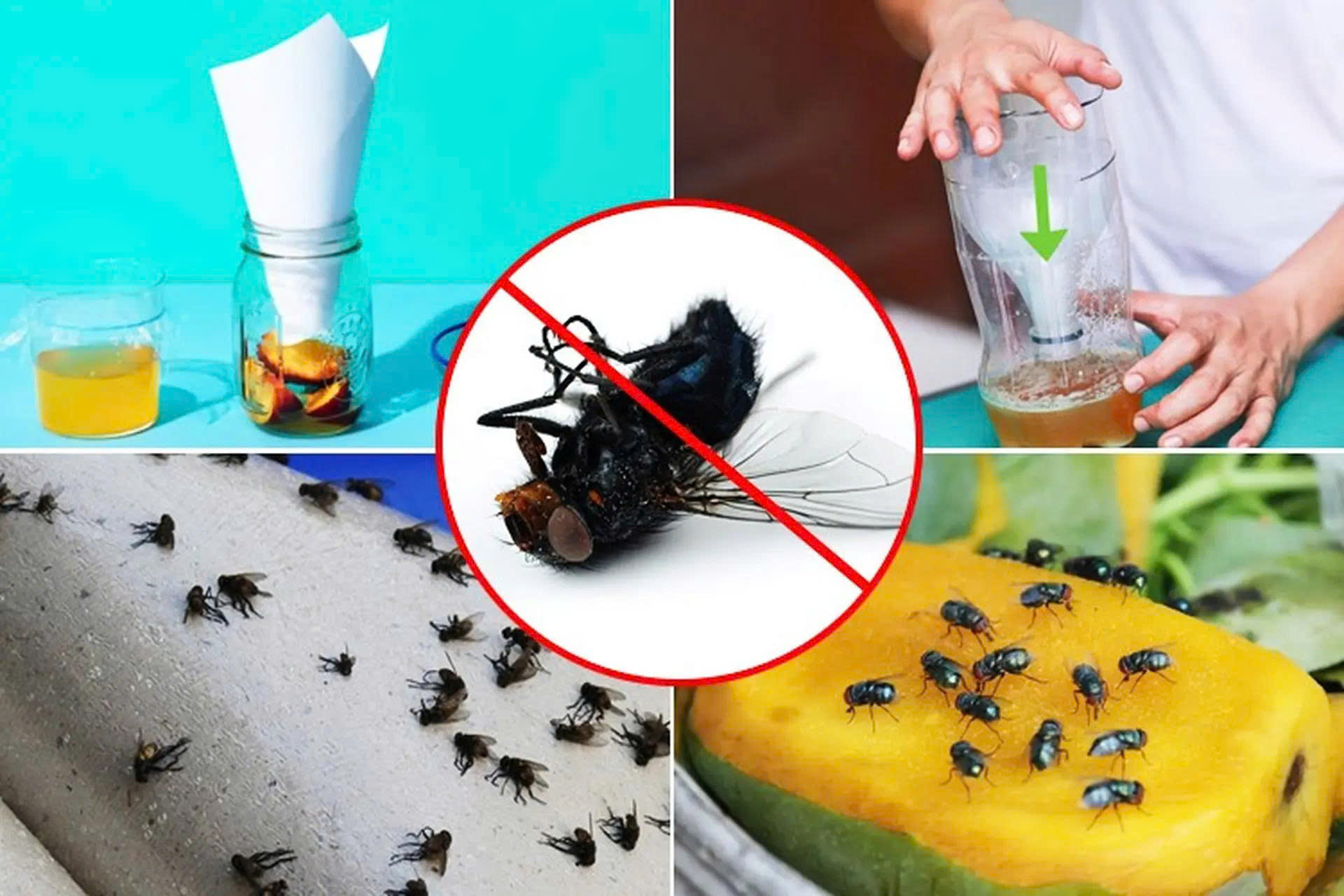
The most effective ways to eliminate fruit flies
3.2. Eliminating breeding sites, eggs, and larvae at the source
Treating drainage systems: Pour boiling water or a mixture of baking soda and vinegar directly into sinks and floor drains. This method helps remove organic biofilm while eliminating all eggs and larvae (maggots) inside.
Eliminating food sources: Store all ripe fruits in the refrigerator. Dispose of kitchen waste daily and scrub garbage bin bottoms with soap to remove leaked waste liquids.
Drying damp areas: Wash and thoroughly dry dishcloths and floor mops. Regularly empty stagnant water from refrigerator drain trays and plant pot saucers.
4. VFC PestMan – Professional pest management solutions
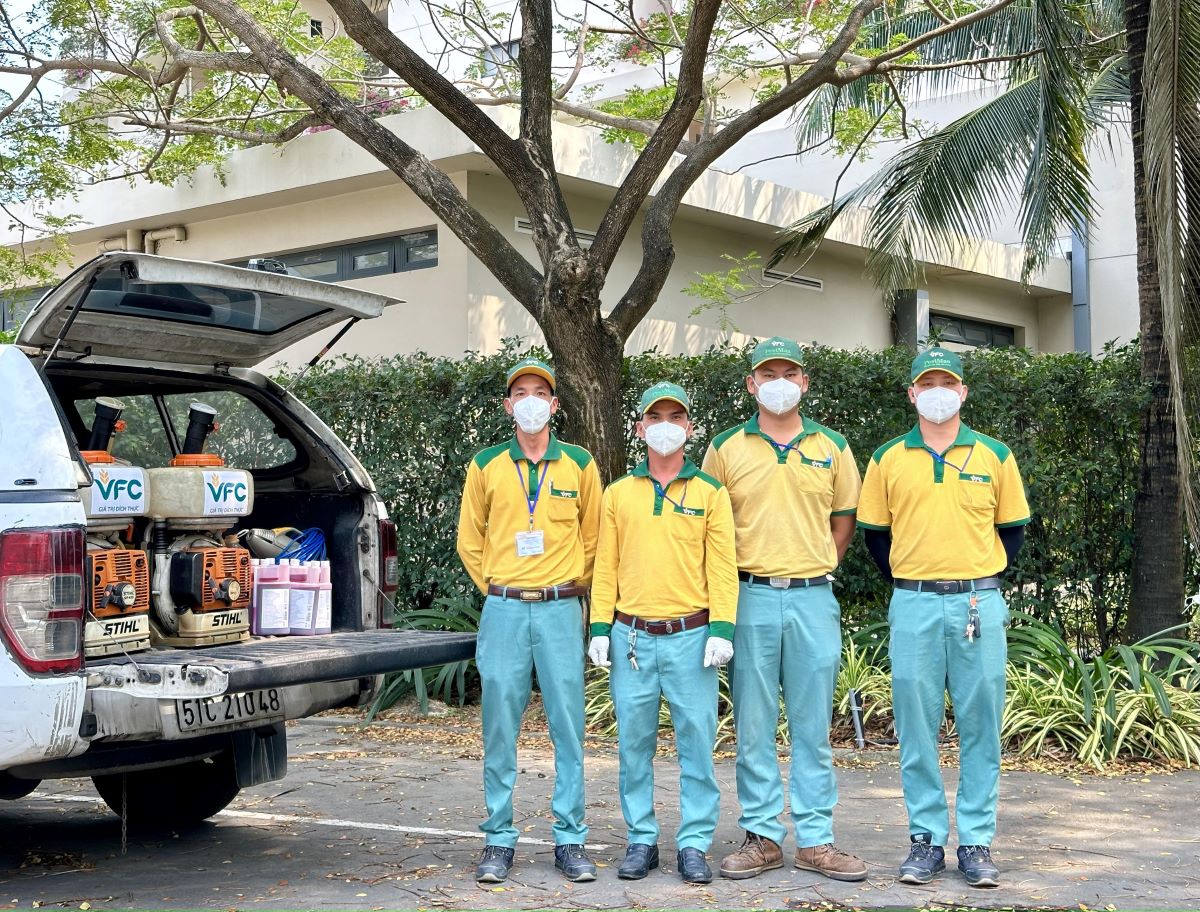
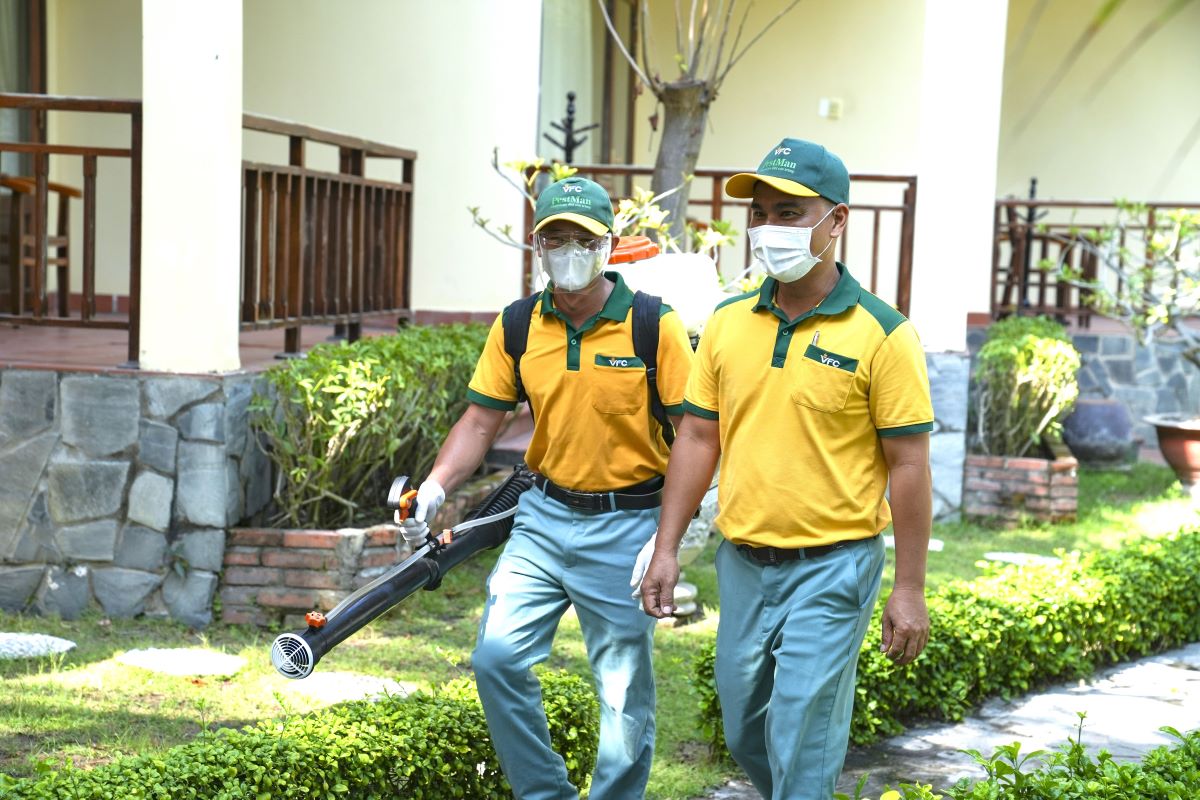
VFC PestMan is one of Vietnam’s leading companies in insect and pest management services. Beyond insect elimination, VFC PestMan also supports businesses in maintaining clean supply chains and successfully passing global audit and quality inspection programs.
VFC PestMan’s transparent electronic reporting system allows managers to instantly access insect population density indicators. This enables businesses to remain fully prepared for unexpected audit inspections. The VFC team is ready to provide infrastructure improvement consultation to optimize the factory’s natural pest defense capabilities.
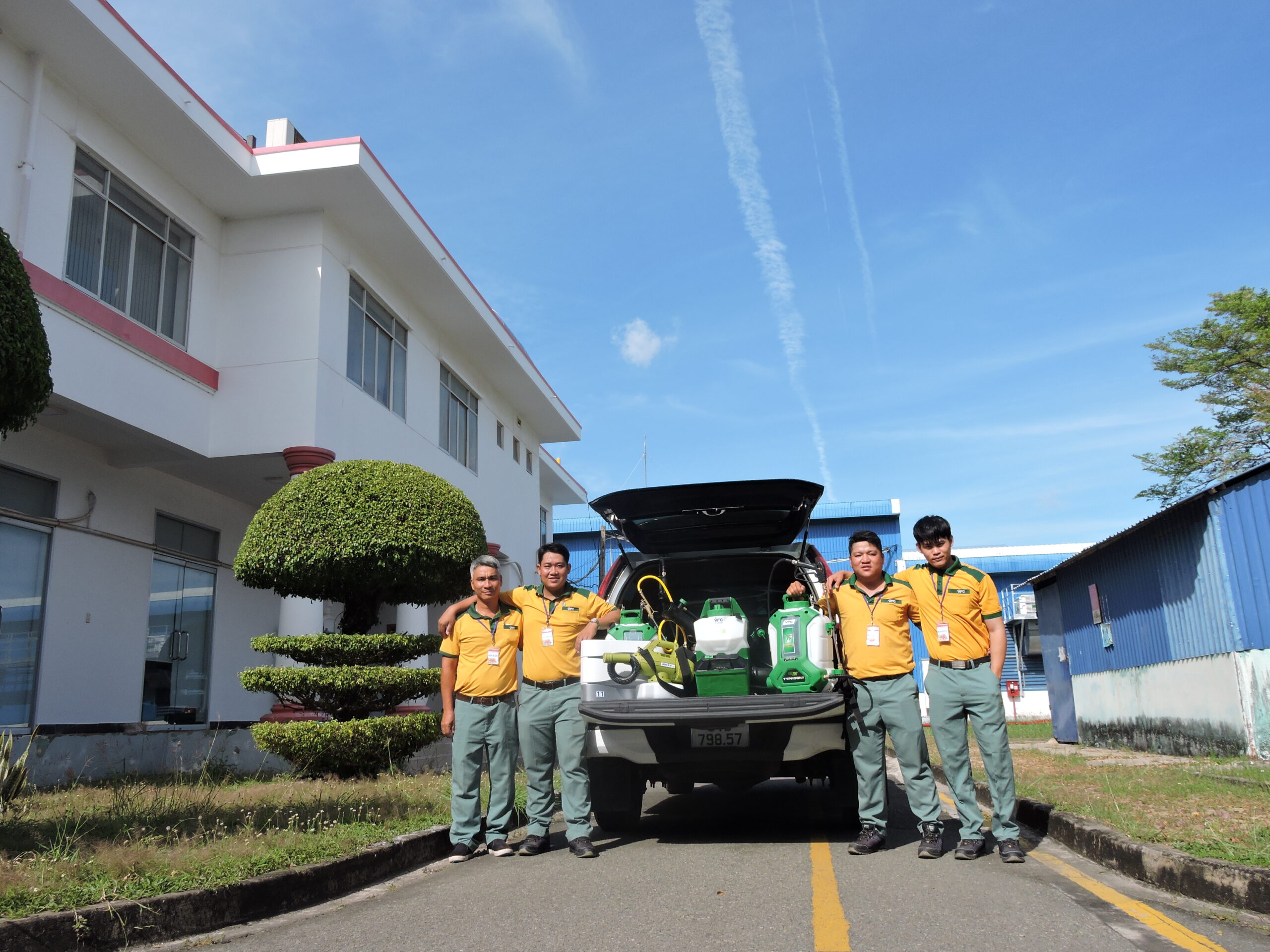
VFC PestMan – Professional pest management provider
>> Read more: Effective fly control in factories: Proper species identification for complete eradication


Mistakes that cause insects to recur in warehouses
Insects in warehouses can affect the quality of goods, efficiency, ...
Effective fly control in factories: Identifying the right species for root-cause treatment
In manufacturing environments, especially in food and beverage factories…
Related news

Ready to eliminate audit risks and proactively protect customer experience & brand reputation?





Dear Valued Visitor,
To protect our clients' interests, all materials here are copyrighted and may not be reproduced without permission.
We appreciate your cooperation. Should you need to use our content professionally, please contact us directly.