





By VFC PestMan | 30-08-2026
Rodents, cockroaches, flies, ants, stored-product insects, mosquitoes, birds and termites can all occur in factories when the environment provides suitable food, water, harbourage or entry routes. Each pest leaves different signs and affects different areas in its own way. Correctly identifying common pests in factories helps businesses determine risk sources, select appropriate control measures and build data for monitoring, internal assessments or customer audits.
1. Why is correct pest identification important in factories?
A single pest found in a production area is often the first sign of a larger problem. Behind the visible sign may be structural gaps, spilled materials, standing water, goods carrying insects or a sanitation area that is difficult to access. Correct species identification helps the responsible team investigate the cause more specifically.
Each pest group has its own behaviour, life cycle and harbourage. Rodents often move along wall bases and technical routes; cockroaches prefer damp, enclosed areas; flies are strongly associated with organic matter and waste; stored-product insects develop within or around raw materials. Applying one solution to every pest can waste time and overlook the true source.
For food, beverage, pharmaceutical, packaging or logistics facilities, pests are also linked to hygiene, product quality, packaging integrity and the ability to meet internal control requirements. Therefore, factory pest management programmes need to begin with accurate identification, risk zoning and data recording over time. For food and beverage facilities in particular, identification should be combined with risk zoning across the perimeter, receiving areas, raw material warehouses, production zones, drainage areas and waste areas so that every finding is assessed according to its location.

2. Rodents in factories
Rodents are highly adaptable pests and often seek areas with food, water, nesting materials or shelter. In factories, they may gain access from the surrounding grounds, drains, warehouses, receiving and dispatch doors and technical routes. Door gaps, wall penetrations and spaces around pipes can all become entry routes.
Rodent risks include damage to packaging, raw materials, electrical wiring and insulation materials. Droppings, urine, hair or footprints may affect hygiene conditions in storage and production areas. Gnawing can also damage equipment, disrupt operations and create corrective costs.
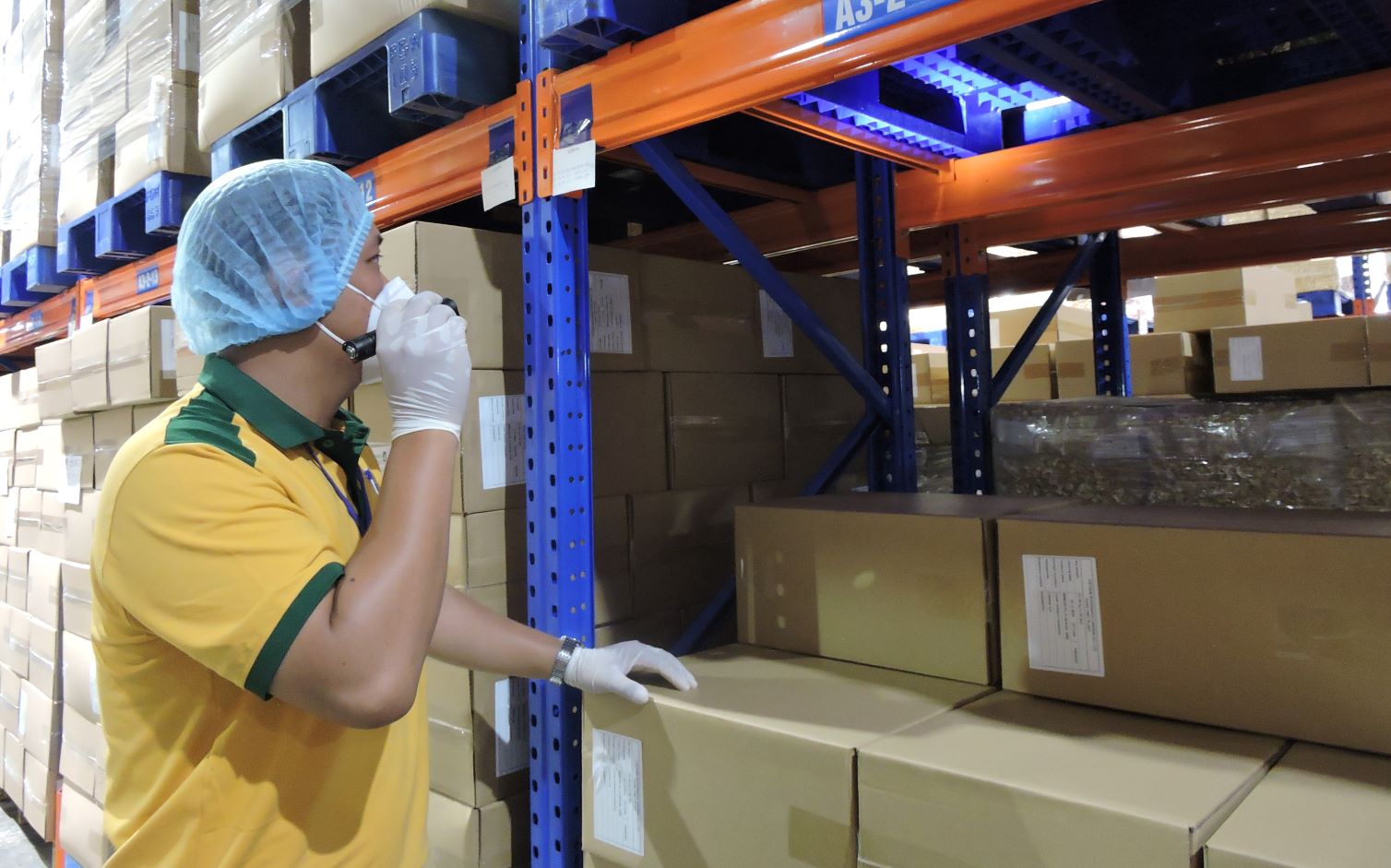
Common signs include fresh droppings, gnaw marks, torn packaging, grease marks along wall bases, footprints on dusty surfaces and sounds during low-activity periods. When a sign is detected, businesses need to inspect the entire movement route, food sources and entry points rather than focusing only on the location where the animal was seen.
Rodent control in factories usually combines sanitation, goods management, entry prevention and a monitoring-station system. Each station needs an identification code, a location on the map and a defined inspection schedule. Data on bait consumption, signs or frequency of detections help assess activity levels in each area.
3. Cockroaches in factories
Cockroaches commonly occur in areas with moisture, heat and food. Canteens, kitchens, changing rooms, washing areas, drains, electrical cabinets and spaces behind equipment are locations that require attention. Some cockroach species can hide in very small gaps, meaning visual inspection alone may not fully reflect the level of activity.
Cockroaches can move through dirty areas, drains and waste-storage locations before reaching other surfaces. Carcasses, droppings, egg cases and secretions can affect hygiene conditions in production environments. In food or pharmaceutical factories, cockroach activity in production zones is a sign that needs early investigation.
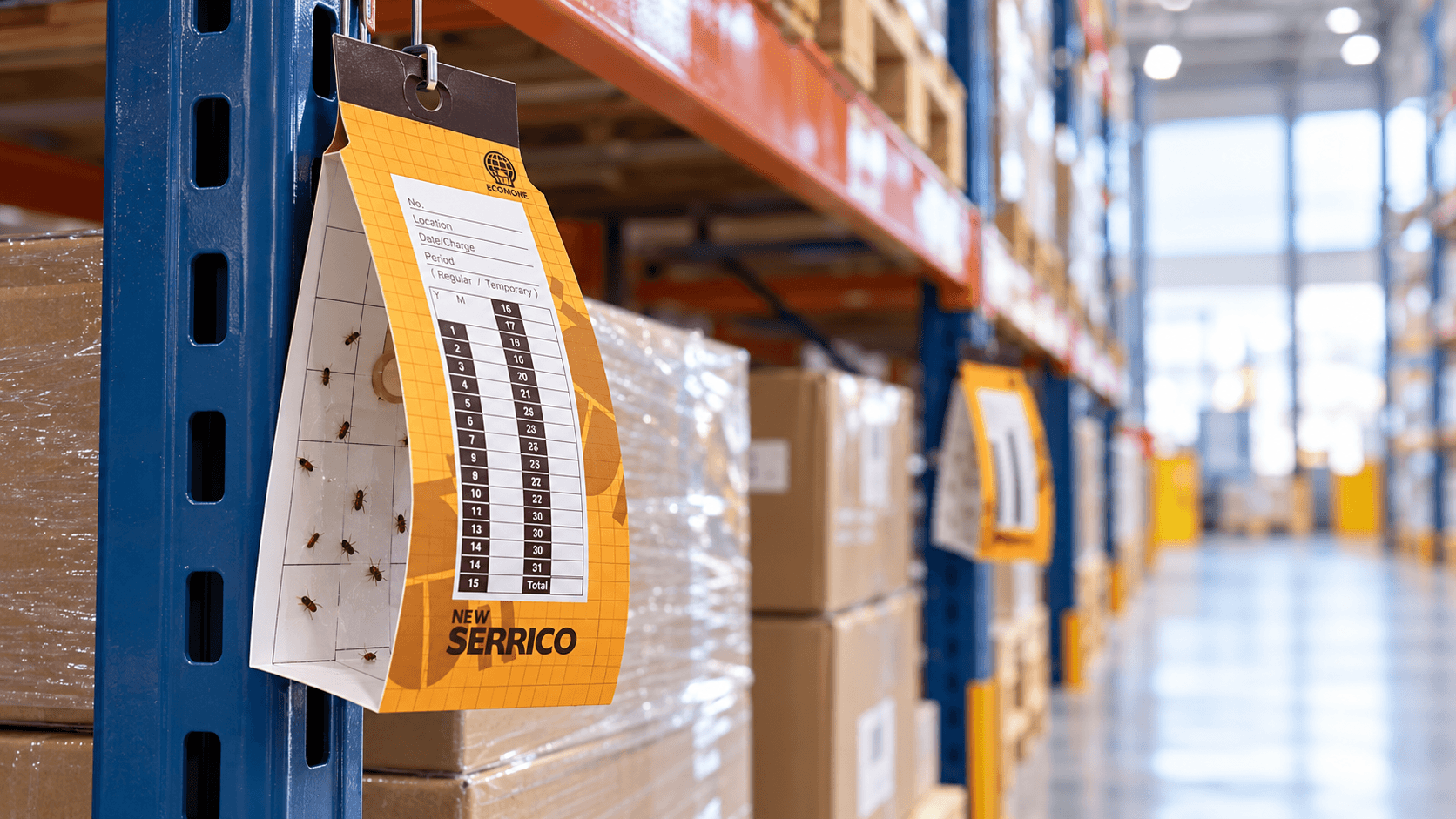
Common signs include black speck-like droppings, egg cases, cockroach carcasses, a characteristic odour and individuals appearing in illuminated areas during the daytime. The presence of cockroach nymphs often indicates that a breeding site is nearby. Glue monitoring traps help identify species, movement direction and areas of concentration.
Control measures need to address spilled food, grease, water leaks and harbourage at the same time. Trap positions should be numbered and compared across inspection cycles. When numbers increase at the same point, the responsible team needs to review environmental conditions and sanitation activities around that area.
4. Flies and flying insects in factories
House flies, fruit flies, drain flies and other flying insect groups are commonly associated with organic matter, fermenting materials, wastewater, waste and damp areas. Each species has a different breeding source, so identifying the correct fly group is important when selecting a treatment method. Because sources differ between house flies, fruit flies, drain flies and other fly groups, businesses should identify the correct fly species before choosing treatment points and control measures.
House flies are commonly attracted to waste, food residues and waste-collection areas. Fruit flies are more common around sugary materials, fruit, beverages and fermenting organic matter. Drain flies are often associated with organic build-up inside drains, manholes or persistently damp surfaces.
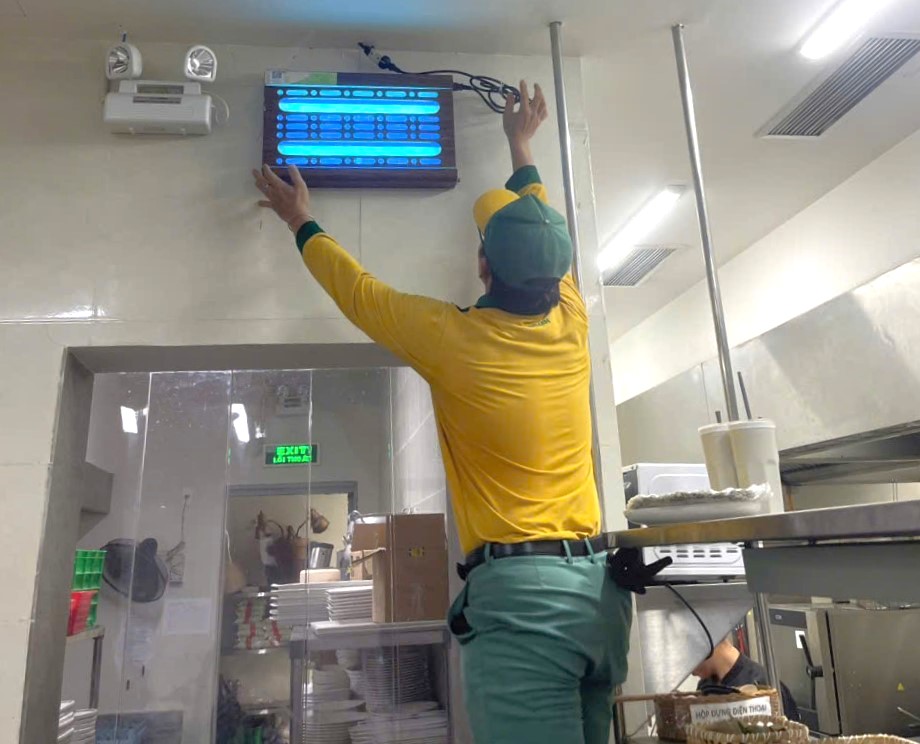
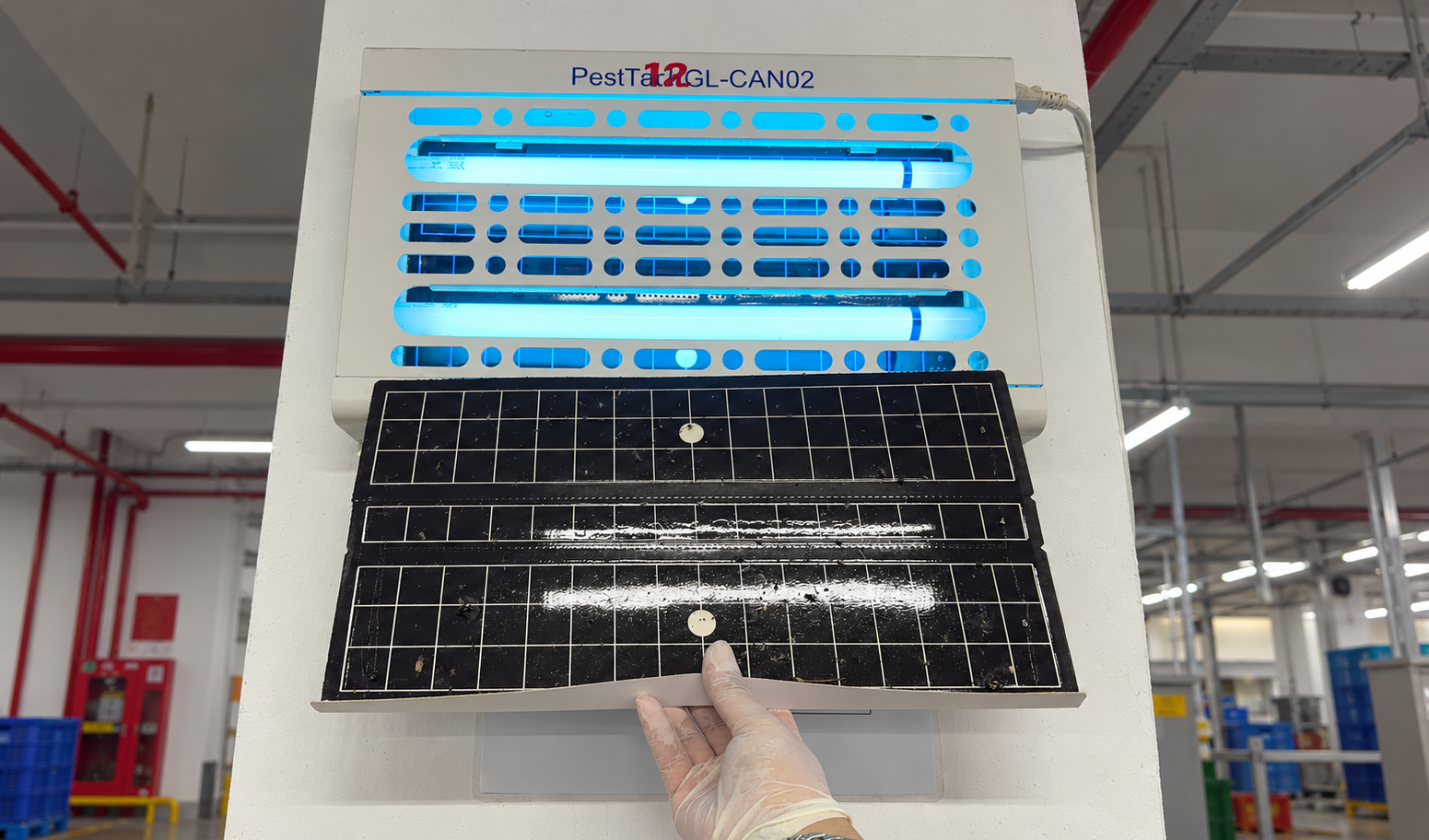
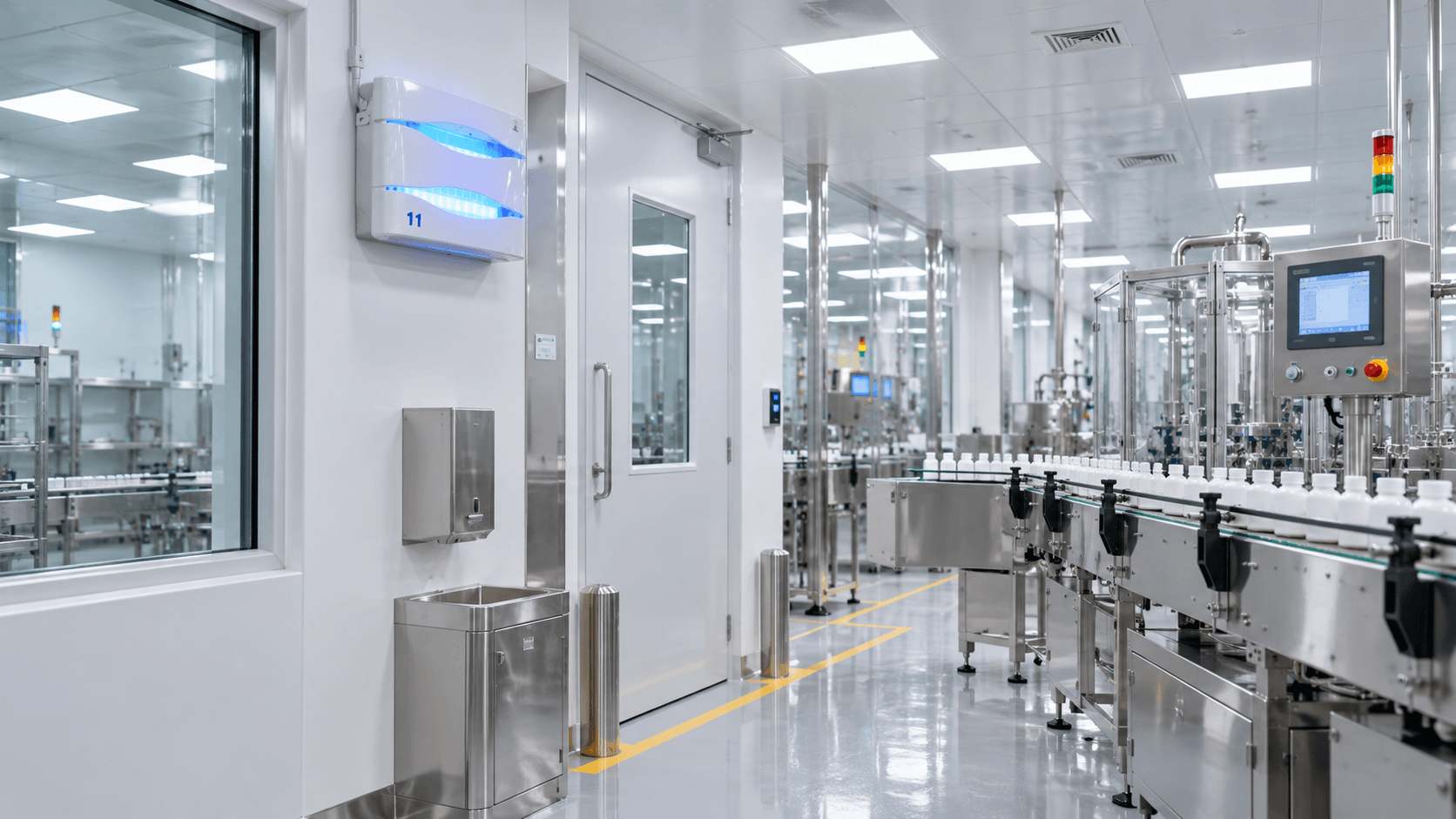
The main risk lies in their ability to move between contamination sources and production areas. In food factories, flying insects may reach raw materials, surfaces or exposed packaging. Increasing fly density can also indicate problems in waste areas, drains, entrances or sanitation procedures. When insect light traps are used to monitor flying insects, factories also need to check UV-A intensity, light-source condition, device placement and glue-board data rather than simply confirming that the lamp is still illuminated.
Fly control needs to combine source management, door protection, screens, appropriate air pressure or airflow in protected areas and correctly positioned insect light traps. Devices should not be positioned in a way that attracts insects from outside deeper into production zones. Captured insects need to be classified and monitored for trends.
5. Ants in factories
Ants are commonly attracted to sugar, grease, food and water. Their movement routes may follow wall bases, tile gaps, cables, pipes and structural junctions. In offices, canteens and packaging areas, ants may appear around cabinets, tables, waste bins or beverage equipment.
A few foraging ants can lead to an entire activity trail extending from the nest to the food source. Wiping away visible ants only provides temporary results. The survey needs to trace movement routes, identify entry points and inspect perimeter areas with vegetation, damp soil or cracks.
Control measures usually include removing food sources, keeping surfaces dry, sealing gaps and using suitable bait according to the species. Data on location, timing and direction of movement help technicians select more accurate bait-placement points while reducing unnecessary treatment across production areas.
6. Stored-product insects
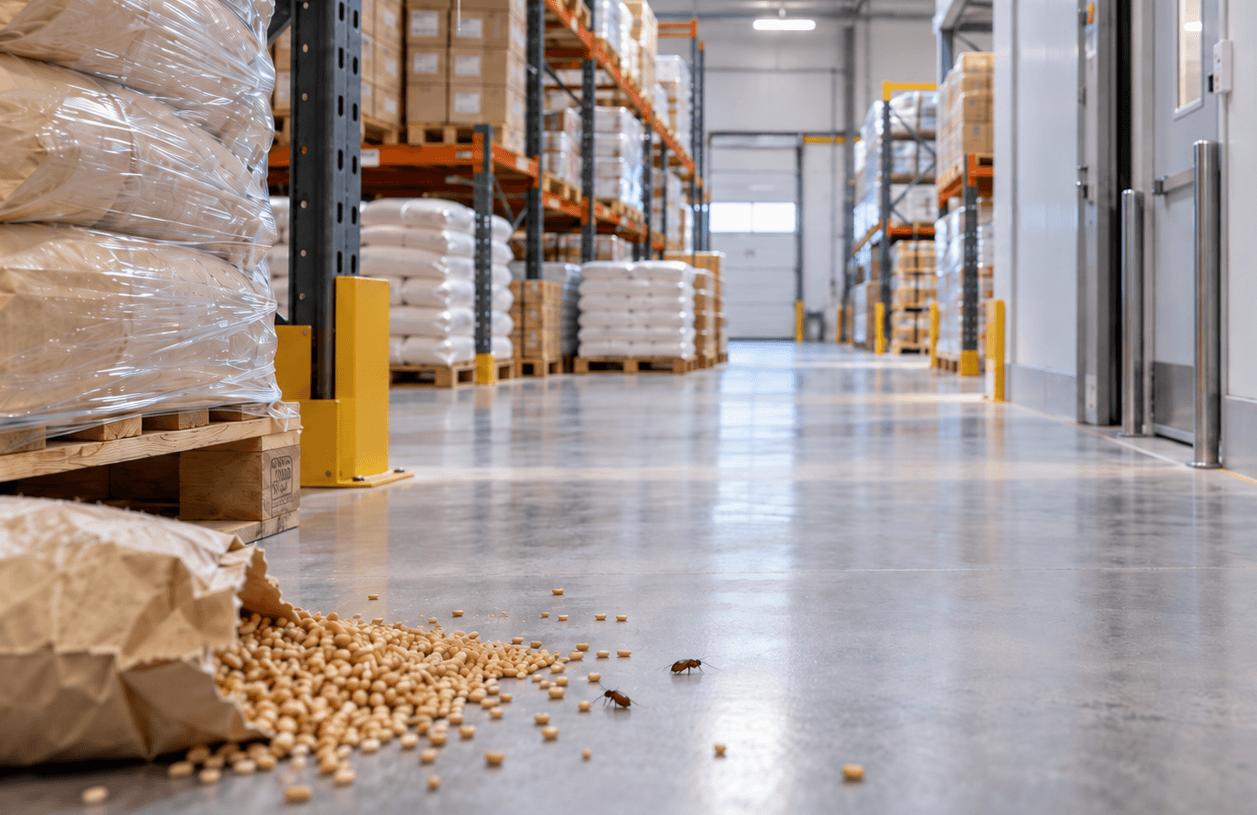
Stored-product insects are an important risk group in factories processing grains, flour, animal feed, spices, seeds, agricultural products and other dry products. Rice weevils, flour beetles, sawtoothed grain beetles, other beetles and stored-product moths are commonly recorded groups. Sources may include incoming raw materials, old stock, material dust or residue inside equipment. In F&B factories, signs of weevils, beetles or stored-product moths need to be cross-checked against raw-material lots, storage time, packaging condition and receiving areas to trace the source.
6.1. Weevils and beetles
Some species develop inside grains, while others live among raw materials or product dust. Signs may include small holes in grains, fine powder, live insects, insect carcasses and clumped materials. Temperature, humidity and storage duration directly affect development rates.
6.2. Stored-product moths
Stored-product moths often leave webbing, cocoons or larvae around packaging, wall corners, ceilings and warehouse structures. Adults may fly away from the raw-material source, meaning the location where they are observed may differ from the actual breeding source. Surveys need to follow larval signs and inspect lots near the detection area.
Stored-product insect control needs to be integrated with incoming-material inspection, silo and equipment sanitation, inventory management, first-in, first-out principles and monitoring with suitable traps. When a lot shows signs of infestation, businesses need to assess the risk of spread to nearby goods or equipment.
7. Mosquitoes around factory premises
Mosquitoes are often associated with standing water in drains, collection trays, outdoor containers, technical pits, landscaped areas and water-treatment zones. After rainfall, even small water-holding points can become larval development sites. Factories with large perimeter areas need to maintain post-rain and seasonal inspection schedules.
Mosquito presence can affect employee health, comfort and working conditions in offices, canteens and production shifts. Surveys should focus on breeding water sources rather than only monitoring adult mosquitoes. Removing water-holding containers, improving drainage and cleaning accumulated residue are fundamental actions.
When intervention is required, the treatment method needs to be based on mosquito species, development stage and area characteristics. Data on density, weather and standing-water points help build a more suitable inspection schedule for the factory pest management programme.
8. Birds in factories and warehouses
Birds may access roofs, beams, warehouse doors, loading areas and elevated structures for perching or nesting. Spilled food, grain materials and open areas can create strong attraction. Droppings, feathers, nests and nesting materials may fall into storage areas or goods-transport routes.
Bird control should prioritise food-source management and preventing access through suitable structural measures. Warehouse doors, roof openings, screens and perching points need to be surveyed both inside and outside the building. Each measure needs to consider safety, animal welfare and current regulations.
9. Termites and material-damaging pests
Termites are commonly associated with wood, paper, cardboard boxes, pallets, document storage areas, offices and structural components containing cellulose. Mud tubes, hollow wood, swollen surfaces or discarded wings are signs that require attention. Termite activity may remain concealed within structures before becoming clearly visible externally.
In factories, termites can damage warehouses, interiors, records, pallets or structural components. Surveys need to identify the species, extent of activity and access routes from soil or structural elements. The control method is selected according to building conditions and the risk level of each area. If the survey confirms pressure from subterranean termites or colonies entering from areas around the building, businesses may consider a long-term colony monitoring and control approach rather than only treating the visible point.
10. Where do pests commonly occur in factories?
Receiving areas carry the risk of introducing pests from outside through goods, packaging, pallets and vehicles. Raw material warehouses provide food sources and many concealed locations. Production areas may contain spilled materials, product dust, water or heat generated by equipment.
Waste areas, drains, canteens, changing rooms and toilets often attract flies, cockroaches, ants or rodents. Perimeter areas with vegetation, standing water, fences and vacant land are more commonly associated with mosquitoes, rodents and pests from the surrounding environment. Each zone needs a monitoring level appropriate to its risk.
Risk zoning helps businesses understand the relationship between the location of a finding and its possible source. A fly captured inside production may be linked to an external waste area; rodent signs in a warehouse may originate from a door gap at the loading area. A risk map helps connect individual signs into one unified management picture.
11. Which signs indicate active pest activity?
Direct signs include live individuals, carcasses, droppings, eggs, shed skins, nests, webbing or cocoons. Indirect signs may include gnawed packaging, holes in grains, fine powder, grease marks along walls, unusual odours, sounds or increasing insect numbers on traps across inspection cycles.
The time and location of detection provide important information. Cockroaches appearing during the day may indicate high density or disturbed harbourage. Stored-product insects found near windows may have flown from raw materials located some distance away. Data should clearly record the date, area, species or morphological description and action taken. As the number of control points increases, data can be digitised to track density trends, identify hotspots, retrieve the history of each point and detect areas showing abnormal increases.
A sign that repeatedly appears at the same location indicates that the root cause is still present. The responsible team should inspect sanitation, infrastructure, goods and operational activities in the relevant area. Consistent recording helps businesses move from incident treatment to trend management.
12. What should a factory pest management programme include?
The programme should begin with an overall survey and risk assessment by area. Survey results identify target species, attractants, harbourage, entry routes and priority levels. From there, the business establishes a device map, inspection frequency and suitable action thresholds. Frequency should not be fixed solely according to a monthly schedule but needs to be adjusted based on pest species, risk areas, monitoring data, seasonality and operational changes.
Preventive measures include sanitation, waste management, water control, gap repairs, raw-material inspection and proper goods arrangement. The monitoring system may use rodent stations, glue traps, insect light traps and stored-product insect traps. Each device needs to be identified, maintained and recorded.
When data exceed limits or abnormal signs appear, corrective measures need to address the cause. Reports should show findings, trends, professional actions, recommendations for the factory, responsible persons and completion deadlines. Clear documentation supports internal assessments, customer audits and programme improvement.
Staff training is also an important part of the programme. Warehouse, production, sanitation, maintenance and quality-safety employees are often the first to detect pest signs. Guidance on identification and reporting helps reduce the time between occurrence and investigation.
13. How does VFC PestMan support factory pest control?
VFC PestMan is a professional pest control service brand of Vietnam Fumigation Joint Stock Company. Backed by more than 50 years of VFC experience and a broad operating network, VFC PestMan provides solutions for factories, warehouses and businesses with high requirements for safety, operations and pest-control documentation.
The programme is developed according to an Integrated Pest Management (IPM) approach, beginning with an actual site survey and risk zoning. VFC PestMan controls common groups such as rodents, flies, mosquitoes, ants, cockroaches, termites and specialised pests while also supporting monitoring systems, device maps, trend reports and corrective recommendations.
For businesses applying HACCP, ISO 22000, FSSC 22000, BRCGS, AIB or GMP, service data and documentation need to be organised to support traceability. Technicians coordinate with quality, production, warehouse, sanitation and maintenance teams to convert each finding into an action with a responsible person and a specific deadline.
The value for the business is the ability to clearly understand which pest species are present, which areas show increasing trends and which causes need priority treatment. Based on these data, the factory pest management programme is adjusted according to actual risks and the operating requirements of each facility. For factories that have not yet clearly identified weaknesses in their current programme, the first step may be to assess attractant sources, entry routes, critical areas and the monitoring system across the entire facility.
14. Frequently Asked Questions
Which pests are most commonly found in factories?
Rodents, cockroaches, flies, ants and stored-product insects are among the groups most frequently recorded. Mosquitoes, birds and termites may also become risks depending on the industry, geographic location, raw materials, building design and surrounding environment.
Why do pests reappear after treatment?
Food sources, water, harbourage or entry routes may still remain in the area. A treatment targeting individual pests may be effective at the time of application, while a long-term programme needs continued sanitation, infrastructure repairs, monitoring and analysis of recurring causes.
How often should the pest control system be inspected?
Frequency depends on the type of factory, risk level, standard requirements and actual data. Raw material areas, warehouses, production zones, drains and waste areas generally require closer monitoring. Frequency should increase when trap density rises, new findings appear or operating conditions change.
What should a factory do when a pest is detected?
Personnel need to record the time, location, photographs or specimen where appropriate and report the finding to the responsible contact. The related area needs to be inspected for sanitation conditions, goods, water, gaps and monitoring devices. Complete data help technicians identify the cause more quickly.
Is chemical spraying the main method of pest control?
An IPM programme prioritises prevention, sanitation, building maintenance, goods management and monitoring. Chemicals are selected when assessment results clearly identify the species, location and level of intervention required. The appropriate method helps control the correct point while protecting production operations.
Common pests in factories include rodents, cockroaches, flies, ants, stored-product insects, mosquitoes, birds and termites. Each group is associated with its own sources, signs and risks. Accurate identification helps businesses determine the correct cause, control the correct area and use resources more effectively.
A factory pest management programme needs to combine surveys, prevention, monitoring, treatment, reporting and coordination between departments. VFC PestMan supports businesses in building IPM programmes based on actual site conditions and data, working toward a clean, safe production environment that is ready for assessment requirements.


Các loại bẫy và thiết bị giám sát dịch hại trong nhà máy
Bẫy và thiết bị giám sát là một phần quan trọng trong chương trình kiểm…
Pheromone traps: An insect monitoring solution for pest control
Pheromone traps are applied in pest control due to their ability to attract...
Related news

Ready to eliminate audit risks and proactively protect customer experience & brand reputation?





Dear Valued Visitor,
To protect our clients' interests, all materials here are copyrighted and may not be reproduced without permission.
We appreciate your cooperation. Should you need to use our content professionally, please contact us directly.