





By hoangnga | 29-06-2026
Upon discovering termites in a building, many people prioritize treating them as quickly as possible. However, immediate termite treatment and root-cause termite elimination represent two entirely different approaches. Clearly understanding the difference helps property owners select the right solution, reduce re-infestation risks, and protect structures effectively over the long term.
Why do many buildings still experience termite recurrence after treatment?
This is a question raised by many homeowners and businesses after investing in termite treatment, only to face the same issue again a few years later. The cause is not necessarily related to execution quality, but often stems from the control method chosen at the outset.
In many cases, treatment focuses solely on areas where active termites are spotted. While surface individuals are eliminated, the main nest persists underground or in areas beyond the treatment scope. As the population continues to grow, termites expand their foraging trails and return to the building.
The hot and humid climate in Vietnam also causes the effectiveness of many traditional treatment methods to degrade over time. Chemical barriers residual in the soil can be weakened by moisture and rainfall, preventing the protective barrier from performing as intended. This is why many businesses are moving away from reactive troubleshooting to seek long-term termite control solutions.
What is immediate termite treatment?
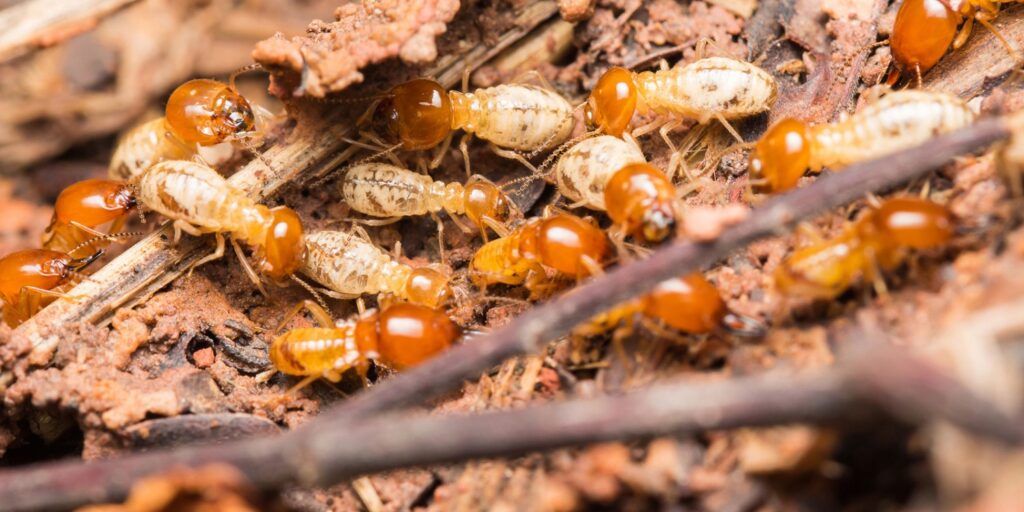
Immediate termite treatment is a method that rapidly clears actively infested areas by spraying chemicals, slab drilling, trenching, or injecting pest control chemicals into detected spots.
The advantage of this method lies in its fast application, quickly reducing active termite density. For localized infestations or emergency situations, this remains a suitable choice.
However, the objective of immediate treatment is primarily to resolve the visible symptom. If the nest is not eliminated, the population continues to thrive and form new foraging paths. As a result, many structures require repeated treatments after a period of operation.
For operating factories, hotels, or warehouses, repeated treatments also increase maintenance costs and interrupt facility operation schedules.
What is root-cause termite elimination?
Unlike immediate treatment, root-cause termite elimination aims to eliminate the entire termite colony, including the queen, soldiers, and workers.
This method leverages the biological behavior of termites rather than merely using chemicals to kill surface individuals. As worker termites carry bait back to the nest and distribute it to other colony members, the active ingredient spreads throughout the population. This process continues until the entire colony declines and is eliminated.
By targeting the colony's source, root-cause elimination significantly reduces re-infestation risks. This explains why many enterprises view termite control as a long-term asset management activity rather than a reactive fix.
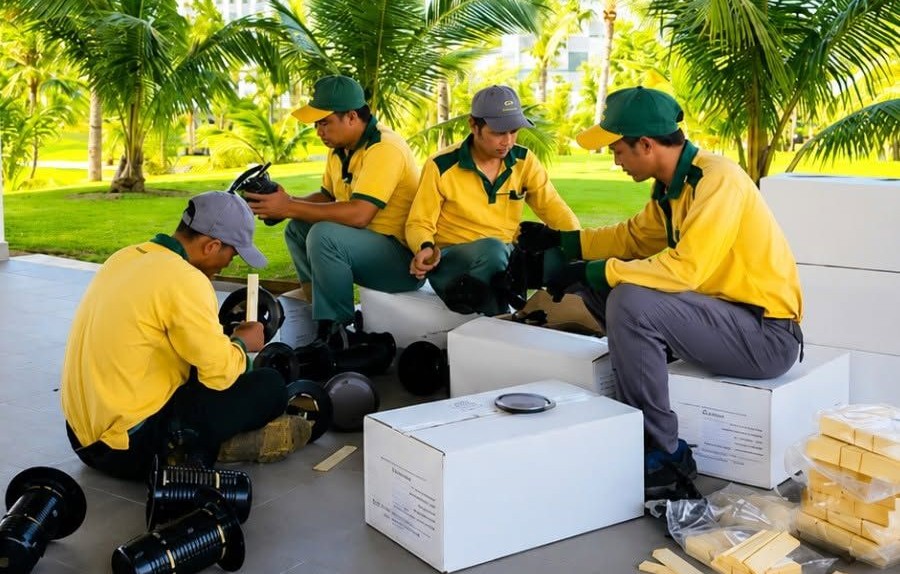
One technology developed under this principle is Exterra. The system uses monitoring stations combined with biological bait to detect termite activity and control populations at an early stage. If you wish to learn more about its operational principle, you can refer to the article "Exterra termite control technology protecting structures with long-term biological solutions".
How does root-cause termite elimination differ from immediate treatment?
While both share the goal of termite control, they differ in their approach and long-term effectiveness.
| Criteria | Immediate termite treatment | Root-cause termite elimination |
| Objective | Address actively infested areas | Eliminate the entire colony |
| Scope of impact | Individuals in contact with chemical | The entire nest |
| Effectiveness | Quick but short-term, easy to recur | Slower but sustainable |
| Recurrence risk | Higher if the nest persists | Lower once the colony is eliminated |
| Suitability | Localized emergency response | Long-term structural protection |
The key distinction lies in the control mindset. Immediate treatment focuses on the present issue, whereas root-cause elimination aims at eradicating the root cause and mitigating future recurrence risks.
Not all properties require the exact same solution. For minor infestations, immediate treatment can still be effective. However, for high-value properties or long-term operational facilities, relying solely on periodic spot fixes is rarely optimal.
You may also be interested in: Top 5 reputable termite control companies in Vietnam
Benefits of root-cause termite elimination for structures
The greatest benefit of root-cause elimination lies not in immediate kill speed, but in sustaining protection over time. When a colony is controlled at its origin, re-infestation risks drop significantly compared to surface-only treatments.
For businesses, this translates to tangible asset management value. The cost of repairing damaged foundations, timber structures, electrical systems, or materials far exceeds the initial investment in a preventive strategy. Minimizing repetitive treatments also allows companies to be more proactive in maintenance planning.
Several modern root-cause technologies utilize periodic monitoring systems to track termite activity. Consequently, new intrusion signs are caught early rather than after structural damage has already occurred.
When should you choose root-cause termite elimination?
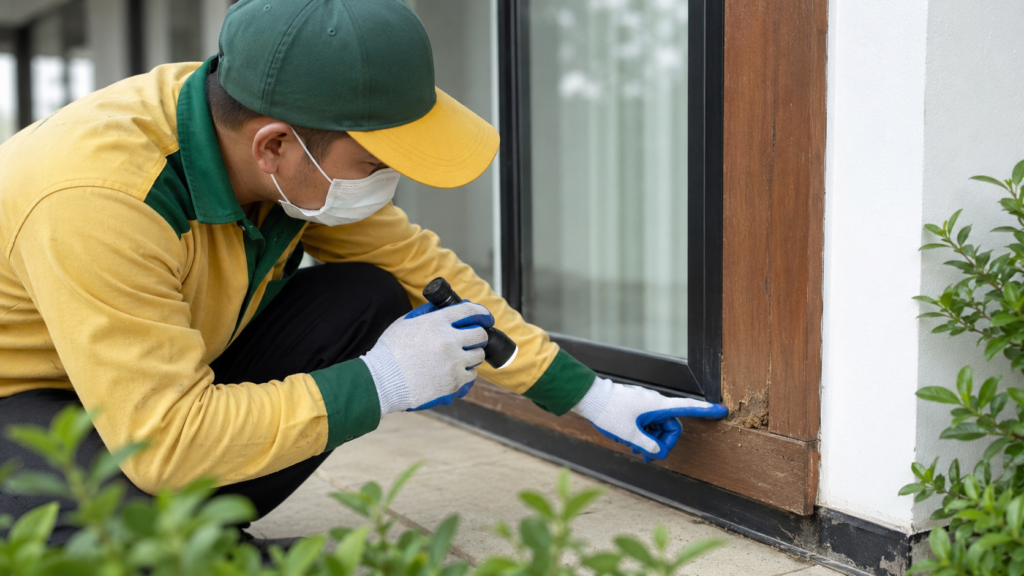
Not every termite occurrence calls for immediate root-cause elimination systems. However, for high-value investments, continuously operating facilities, or buildings designed for multi-decade use, this is usually the preferred option due to its long-term risk mitigation capability.
Manufacturing plants, warehouses, logistics centers, hotels, resorts, office towers, and luxury villas are particularly vulnerable to termite intrusions. Damage extends beyond wooden structures to technical systems, archived documents, inventory, and business continuity. In such scenarios, reactive spot treatments often incur higher cumulative costs than implementing an upfront control system.
Root-cause elimination is also suitable during the construction phase. Deploying a control system early creates a protective zone before building handover, mitigating termite intrusion into foundations or future finishing elements.
See more: Proper termite control at home can help prevent termites from returning.
Choosing technology is only one part of the solution
Many assume that adopting advanced technology alone completely solves termite issues. In practice, solution effectiveness also hinges on deployment execution and post-installation monitoring capabilities.
A termite control system must begin with a thorough survey to identify high-risk zones, evaluate geological conditions, landscape, and structural design. Based on survey findings, technicians build a tailored layout plan rather than applying a blanket process across all projects.
Following deployment, routine inspections play a pivotal role. This activity monitors each control point's status, catches early warning signs, and addresses issues promptly. This distinguishes long-term termite management from reactive, piecemeal interventions.
Read more: Pest control technology
How does VFC PestMan execute root-cause termite elimination solutions?
For commercial and industrial properties, VFC PestMan goes beyond supplying termite control solutions by tailoring deployment workflows to individual project traits. Every property undergoes site surveys, risk evaluations, and intrusion pathway assessments prior to proposing a suitable plan.
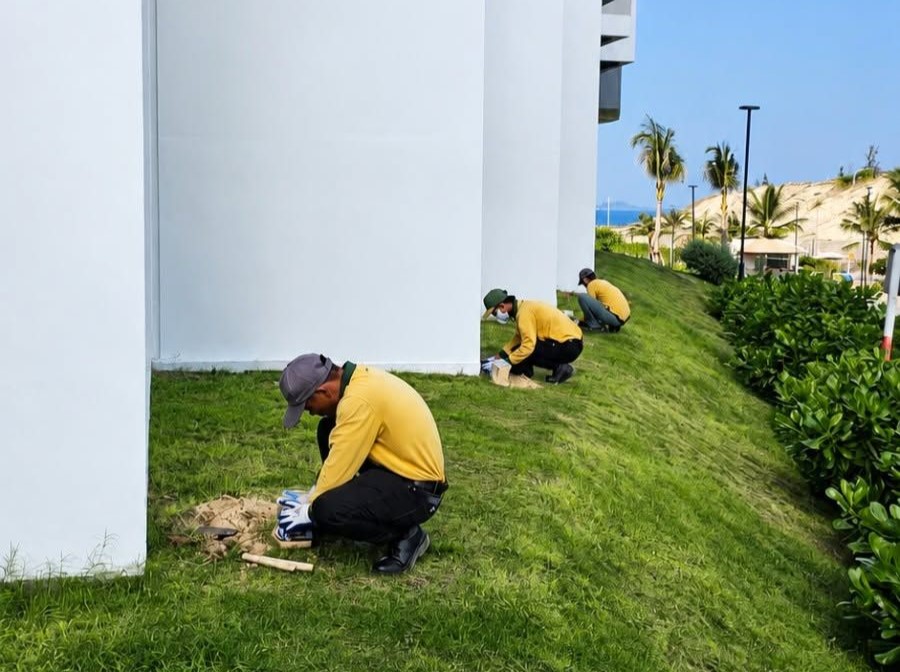
During implementation, technical teams install systems per designated engineering designs while scheduling periodic audits to track control efficacy over time. Audit data is logged to evaluate termite activity trends and make proactive adjustments. This approach helps enterprises manage risks better than reacting only after incidents occur.
Beyond technology, VFC emphasizes consultation and continuous support throughout facility operation. Leveraging pest control expertise across manufacturing, food processing, hospitality, logistics, and commercial real estate, the company delivers solutions aligned with industry-specific standards and operational needs.
Frequently asked questions about root-cause termite elimination
Does root-cause termite elimination guarantee termites will never return?
The objective of root-cause elimination is to eradicate the existing colony and minimize re-infestation risks. However, for long-standing structures, periodic inspections remain necessary to detect potential new colonies encroaching from surrounding areas.
Does root-cause termite elimination require floor drilling or wall chiseling?
This depends on the technology used. Advanced systems such as Exterra utilize perimeter monitoring stations, significantly minimizing invasive drilling and broad-scale chemical distribution.
How often should termite control systems be inspected?
Inspection frequency depends on facility type, risk level, and the chosen solution. For factories, warehouses, or hotels, routine checks ensure early detection of termite activity and sustain long-term protective performance.
Both root-cause elimination and immediate treatment have roles in termite management, but each suits distinct objectives. While immediate treatment rapidly resolves active local infestations, root-cause elimination focuses on eradicating the colony, lessening re-infestation risks, and safeguarding structures long term.
For high-investment properties or continuously operating facilities, selecting the right strategy from the start reduces maintenance costs, limits structural degradation, and improves proactive risk management. Alongside technology, selecting a vendor with structured survey, deployment, and auditing processes is critical to achieving durable control efficacy.
Learn more: Pestman's pest control services


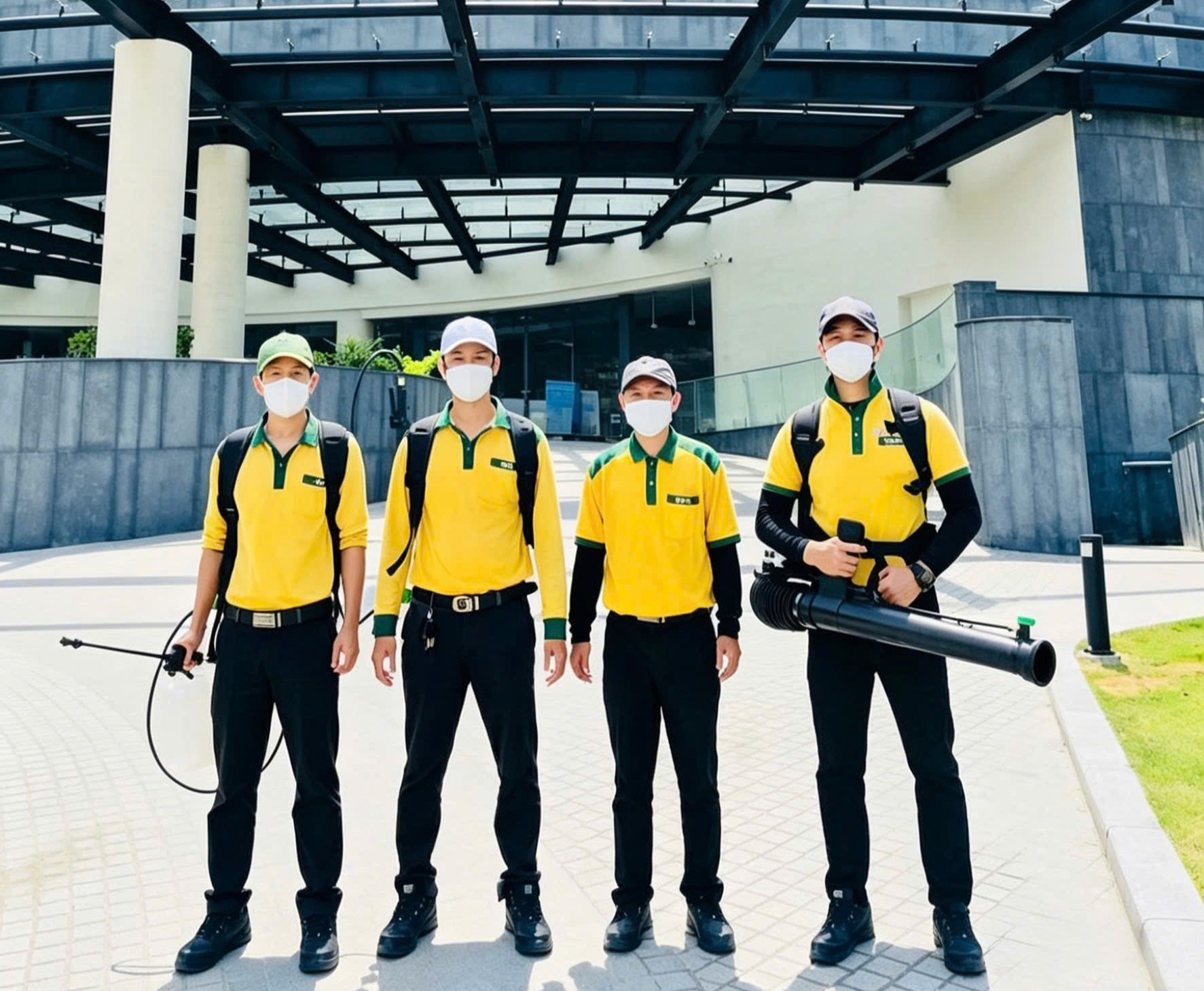
Top 5 reputable termite control companies in Vietnam
Finding a suitable termite control company not only helps deal with termites…
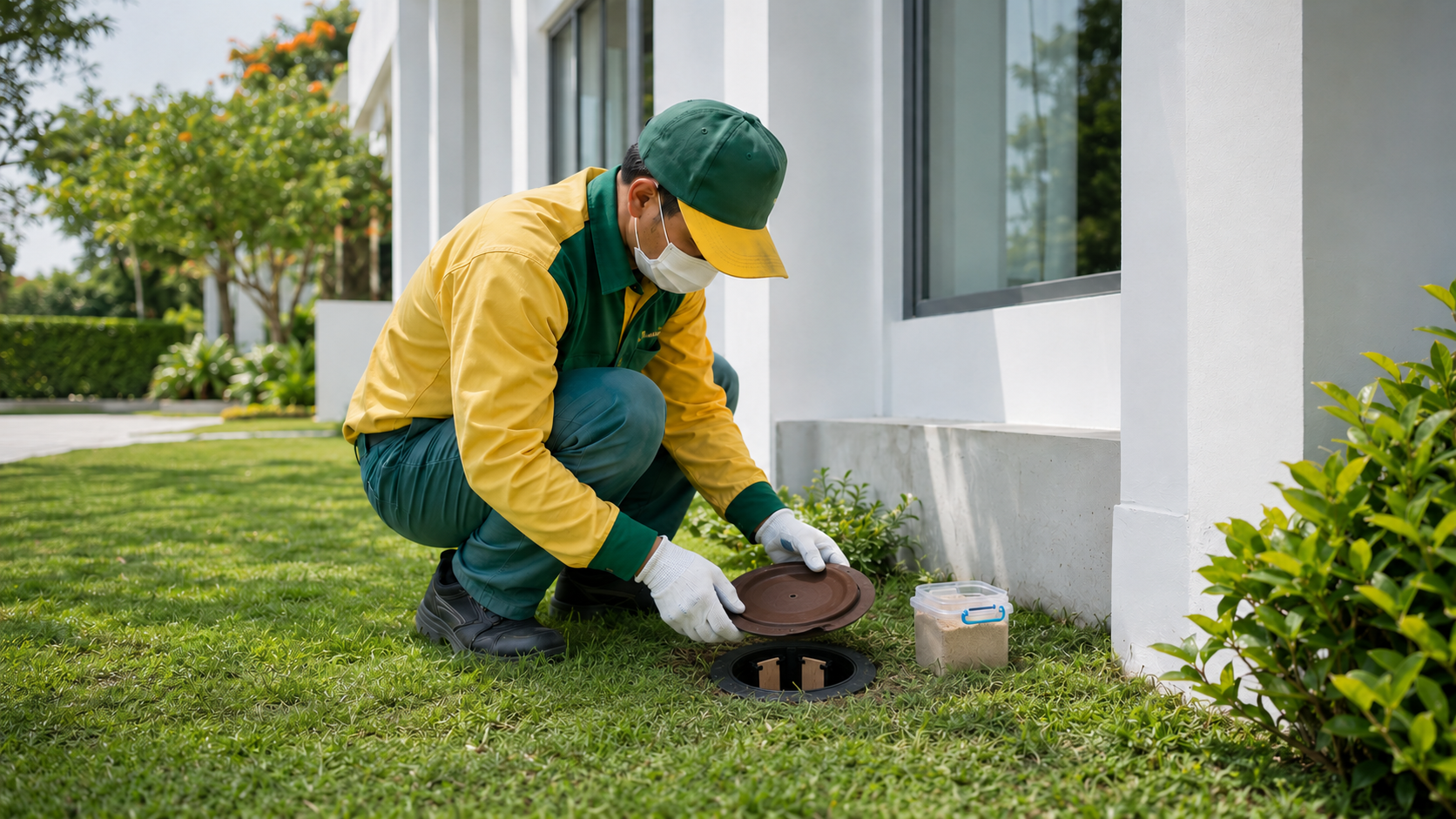
Proper termite control at home can help prevent termites from returning.
Termites and wood borers can silently destroy wooden furniture and many items in…
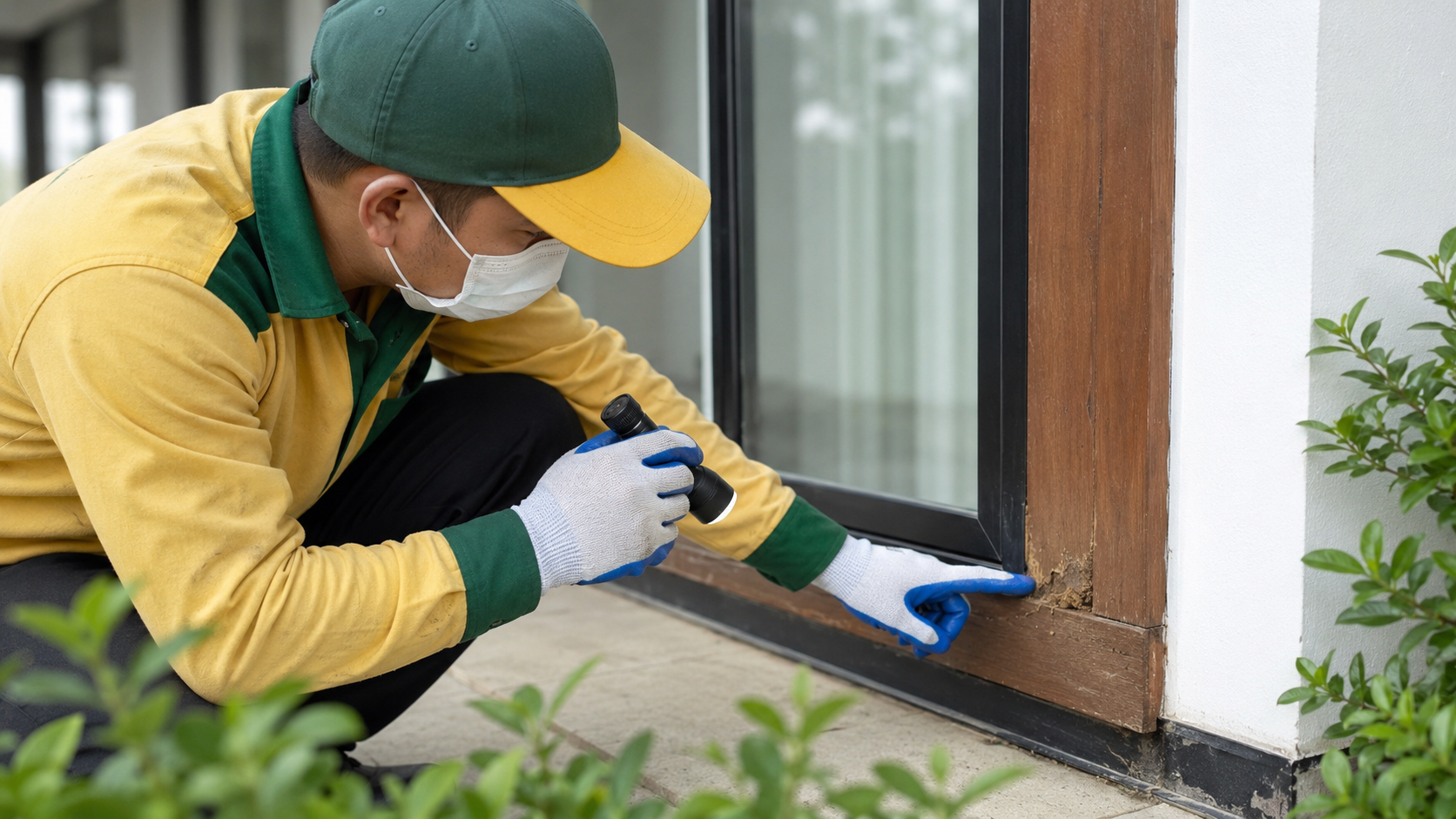
How is eradicating termites completely different from treating them temporarily?
When detecting termites appearing in a structure, many people often prioritize treating…

Food Testing in 2026: Mandatory Testing Parameters and Compliance Procedures for Food Businesses
Food testing in 2026 remains a fundamental legal requirement for all organizations and businesses involved in the production, import, and distribution of food and beverage (F&B) products in Vietnam.
Related news

4 Diseases Associated with Reptiles That Can Affect Humans and How to Prevent Them Safely
The presence of reptiles in homes, factories, warehouses, or production facilities is not only a sign of pest-related risks but may also indicate the potential transmission of several dangerous diseases. Understanding diseases associated with reptiles and the appropriate preventive measures helps businesses and households proactively protect human health and maintain a safer environment.

Ready to eliminate audit risks and proactively protect customer experience & brand reputation?





Dear Valued Visitor,
To protect our clients' interests, all materials here are copyrighted and may not be reproduced without permission.
We appreciate your cooperation. Should you need to use our content professionally, please contact us directly.