





By pestman | 14-03-2026
In high-end properties such as resorts and hotels, detecting termites is always a major challenge for facility operators. The hospitality industry requires spaces to consistently maintain aesthetics and quietness for guests. Therefore, inspection methods such as wall breaking or removing wooden flooring are almost impossible to apply. Thanks to modern detection technologies, termites can be identified early and accurately without interfering with the building structure, helping protect assets and maintain a premium service experience.
1. The importance of “non-invasive” termite control in the hospitality industry
In the luxury resort segment, wooden interiors, hardwood flooring, and intricate decorative details are the soul of the space. However, these are also attractive “food sources” that lure termites. Termites not only damage property but also create unpleasant guest experiences: scratching sounds inside wooden walls at night, wood dust scattered on beds, or worse, swarming termites appearing directly inside guest rooms.
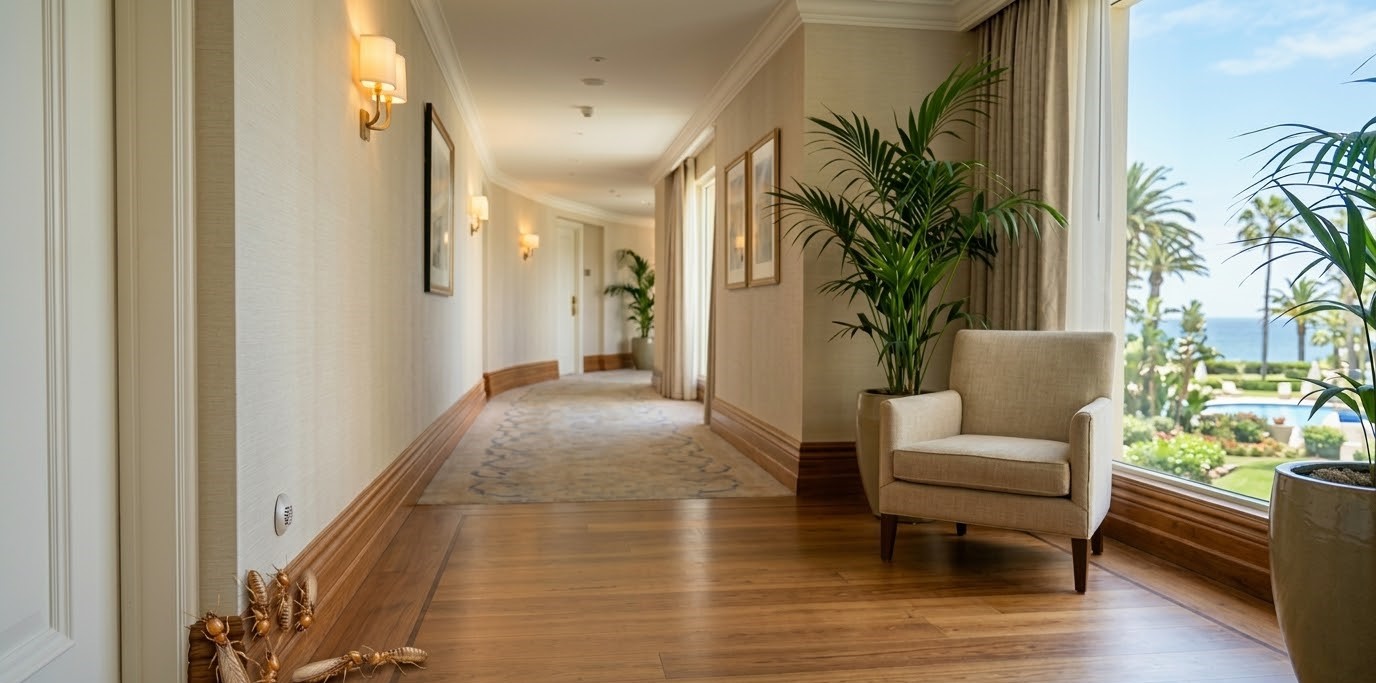
Early termite detection is the key factor in minimizing damage. However, if manual inspection methods such as exploratory drilling, wall breaking, or dismantling decorative moldings are used, hotels and resorts may face room closures, costly renovations, and disruptive noise.
2. How to detect termites without breaking walls
2.1. Using the Termatrac T3i termite detector
This is one of the world’s leading professional termite detection devices, manufactured in Australia and utilized by VFC PestMan in premium projects. The TERMATRAC T3I operates using three core technologies: motion detection radar, temperature sensors, and moisture sensors.
Unlike conventional listening methods, Termatrac emits radar waves capable of penetrating most construction materials such as brick, plaster, wood, and concrete. When the radar waves detect termite movement inside a structure, signals are returned to the display screen in the form of fluctuation graphs.
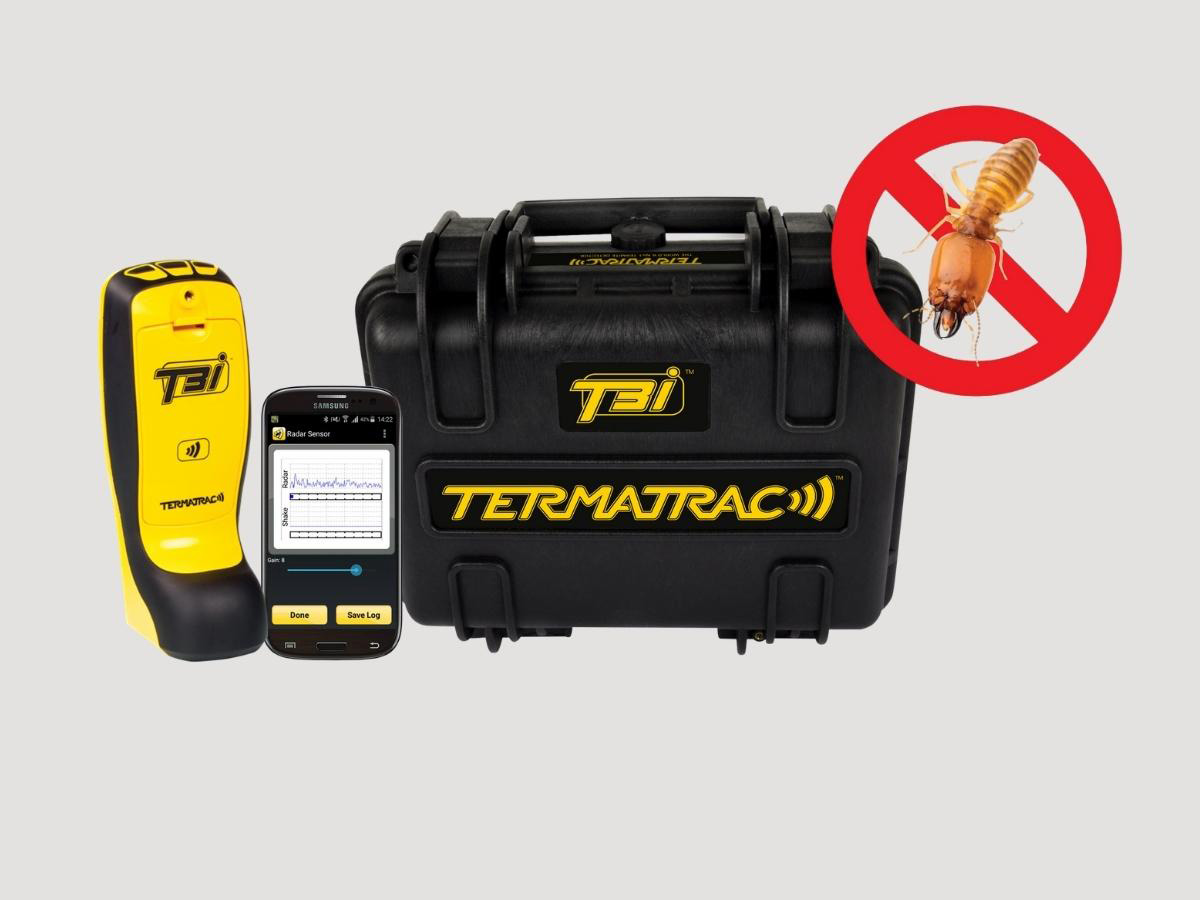
Termites are moisture-loving insects and typically maintain nest temperatures slightly higher than the surrounding environment to nurture their larvae. The infrared sensors and moisture probes on the T3i help technicians accurately pinpoint “suspected infestation” areas before using radar to confirm termite activity.
You may also be interested in: Detailed information about the Termatrac T3i / I-Tracker
2.2. Using industrial borescope cameras for confined cavities
In resorts, termites often utilize technical voids such as electrical shafts, building expansion gaps, or spaces above plaster ceilings to travel. These are locations that cannot be inspected with the naked eye.
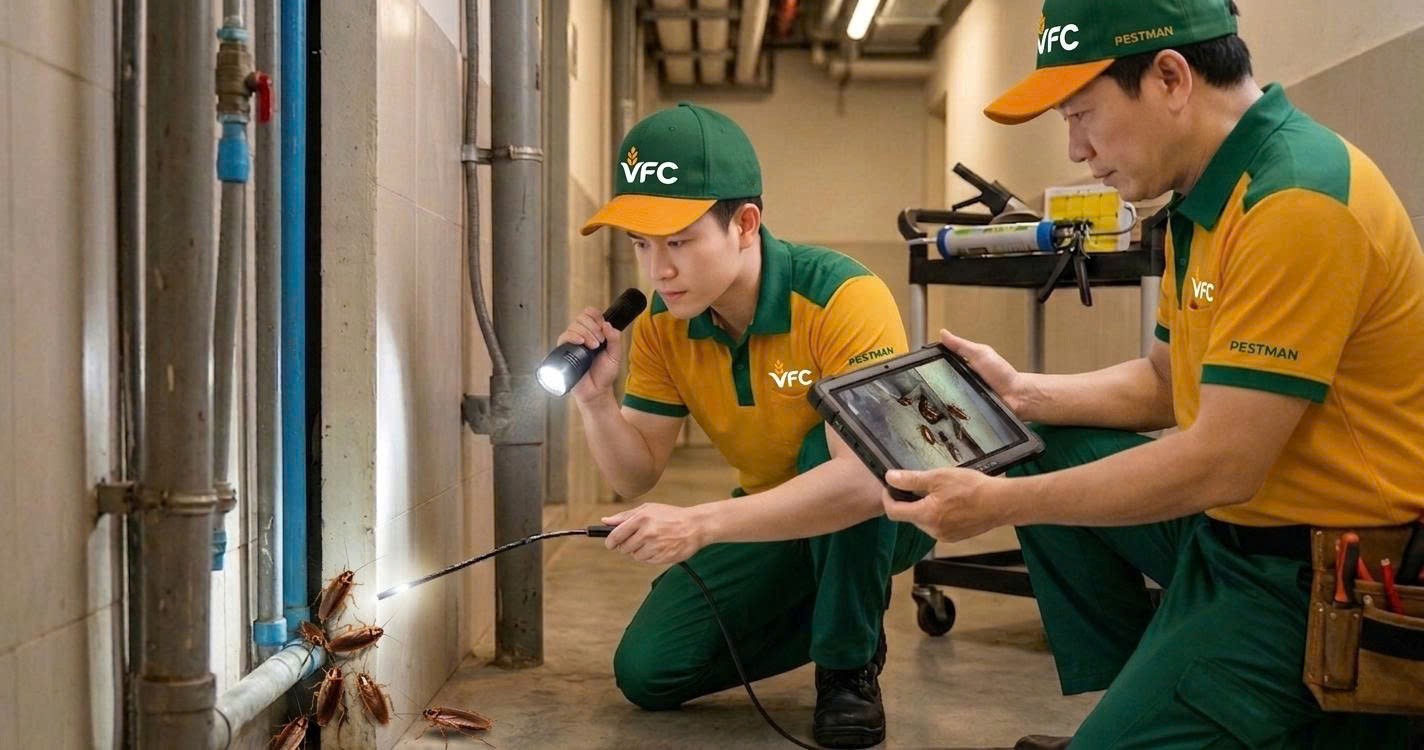
Borescope cameras equipped with flexible cables and ultra-miniature LED camera heads allow technicians to navigate through even the smallest gaps, sometimes only a few millimeters wide. Live images from inside wall cavities are transmitted to a handheld monitor, helping determine whether mud tunnels or termite remains are present.
This method is extremely useful for inspecting concealed electrical systems. Termites often damage the plastic insulation of electrical cables while creating pathways, leading to extremely dangerous fire and short-circuit risks for hotels. Camera inspection helps identify these risks early without dismantling entire ceiling systems or wall partitions.
2.3. Identifying termites through characteristic biological signs (Expert-level skills)
No matter how advanced technology becomes, hands-on field experience still plays a decisive role. At VFC PestMan, specialists are professionally trained to recognize the “telling signs” of termite activity that ordinary people often overlook.
Subterranean termites require moisture to survive, so they build mud tubes to travel from underground areas to upper levels. In open-design resorts, these mud tubes are often hidden behind decorative plant pots, beneath outdoor wooden decking, or along tiny cracks in the building foundation.
When termites hollow out wood internally, the exterior paint or varnish may blister or become discolored. When lightly tapped, the wooden surface produces a hollow sound. Specialists use dedicated wooden tapping hammers to “listen” to the wood without damaging the surface.

2.4. The Exterra termite control system – a proactive and comprehensive protection solution
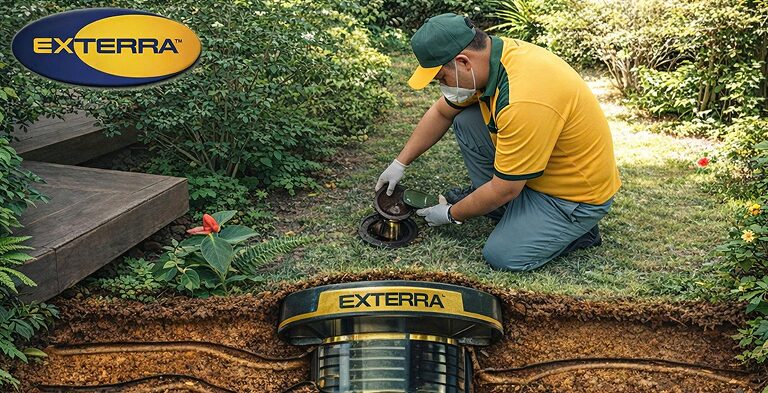
In addition to early detection, luxury resorts and hotels also require a proactive and long-term termite control solution. The Exterra termite control system, developed in the United States, is one of today’s most advanced solutions and is widely used in large-scale properties such as resorts, luxury villas, and hotel complexes.
Exterra operates by establishing termite bait stations around the property, creating a protective barrier surrounding the entire area. These stations contain biological attractants capable of drawing termites from the surrounding environment. Once termites consume the active ingredient and carry it back to the colony, the transfer process gradually controls and eliminates the entire termite population in the area. As a result, termites are redirected away from the building structure before they can cause serious damage to interiors and structural components.
For luxury resorts and hotels, the Exterra system provides numerous important benefits. The bait stations are compact and installed underground, ensuring they do not affect the visual aesthetics of the property landscape. At the same time, this method produces no noise, dust, or airborne chemical contamination within guest areas, ensuring the safety of guests and operational staff. Through routine monitoring and inspections, the system also enables management teams to proactively track termite activity and respond promptly to signs of infestation.
For large-scale properties such as beachfront resorts, luxury villa compounds, and high-end hotels, implementing the Exterra system not only delivers effective termite control but also creates a sustainable layer of protection for the entire property, helping maintain facility quality and a premium guest experience.
Read more detailed information about: The exterra termite interception system
3. Why do resorts & hotels need periodic termite inspections before the peak season?
The hot and humid season (typically from April to October in Vietnam) is the period when termites develop most aggressively. High temperatures combined with elevated humidity create ideal conditions for termites to reproduce and expand their colonies. Conducting proactive inspections before the tourism peak season offers several important benefits:
- Prevent unexpected damage: Detecting and treating termites before they cause severe damage to expensive wooden interiors. A luxury lounge furniture set worth hundreds of millions of VND can be effectively protected.
- Prevent incidents during full occupancy: Nothing is worse than discovering termite activity when the resort is fully booked. Treatment in this situation becomes extremely difficult and can negatively impact the experience of multiple guests at the same time.
- Optimize the budget: The cost of periodic inspections and preventive treatments is always significantly lower than major repairs after termite damage has already occurred. The principle of “prevention is better than cure” is especially true in termite control.
4. Recommended termite inspection schedule for resorts
Quarterly inspections: Recommended for high-risk areas such as restaurants, landscaped zones, and wooden structures.
Pre-rainy season inspections: Conduct a comprehensive assessment of the entire property to identify early warning signs before conditions become favorable for termite activity.
Post-flood inspections: Floodwater can force termites to relocate and seek new shelter, making thorough inspections necessary after unusual weather events.
Emergency inspections: Required when suspicious signs appear, such as discarded termite wings, unusual sounds inside walls, or during renovation and repair activities.
Detecting termites without breaking walls is no longer impossible thanks to modern technology and advanced biological solutions. Investing in periodic inspections is one of the smartest ways to protect both the reputation and assets of a resort or hotel.
With many years of experience, VFC PestMan is proud to be a pioneer in applying high-tech solutions for pest management in Vietnam. If you are managing an accommodation property and are concerned about hidden termite infestations, contact VFC PestMan today. We will conduct a completely free site survey and risk assessment using advanced professional equipment.
Learn more: VFC PestMan termite & wood-boring beetle control services


Mistakes that cause insects to recur in warehouses
Insects in warehouses can affect the quality of goods, efficiency, ...
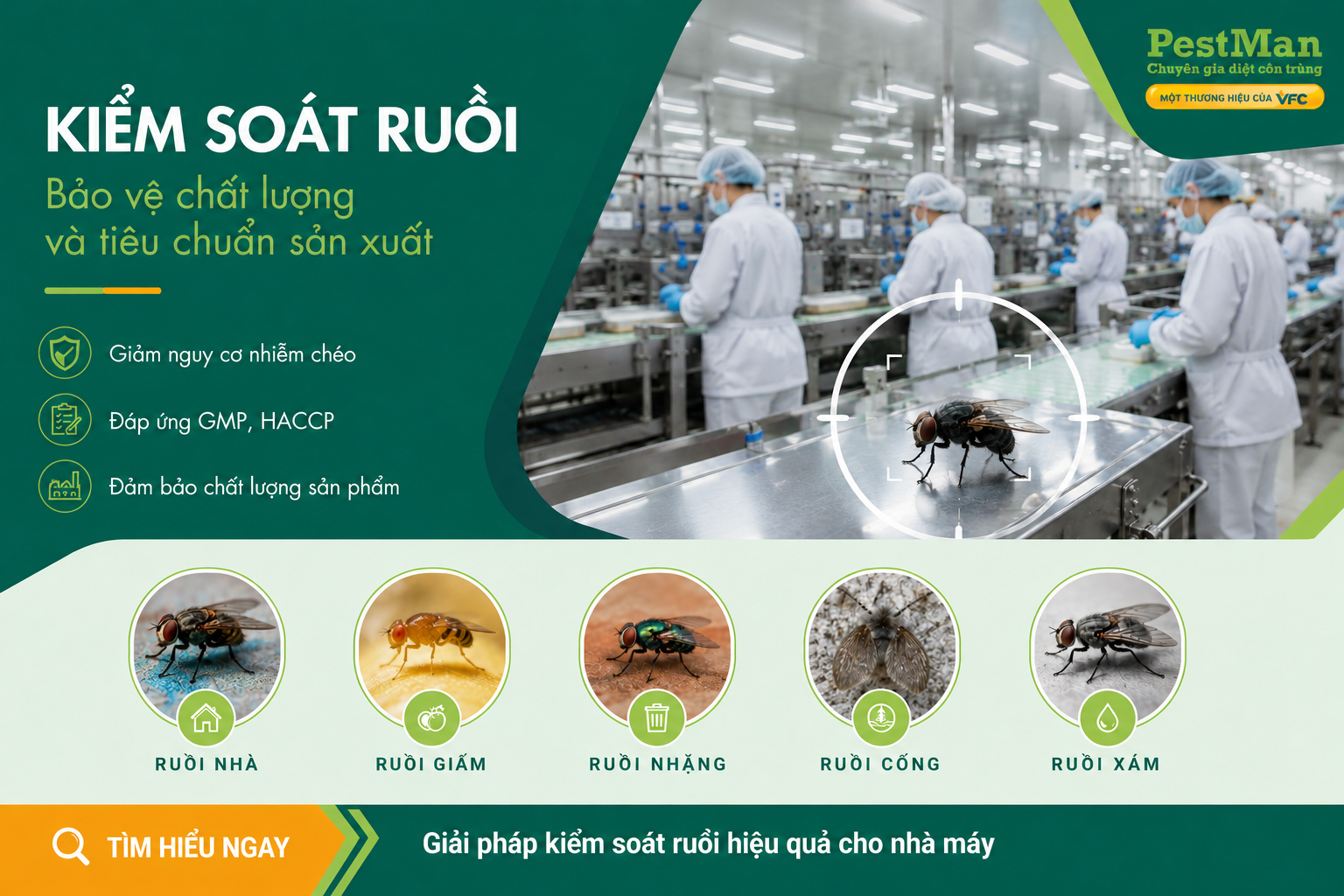
Effective fly control in factories: Identifying the right species for root-cause treatment
In manufacturing environments, especially in food and beverage factories…
Related news


Ready to eliminate audit risks and proactively protect customer experience & brand reputation?





Dear Valued Visitor,
To protect our clients' interests, all materials here are copyrighted and may not be reproduced without permission.
We appreciate your cooperation. Should you need to use our content professionally, please contact us directly.