





By VFC PestMan | 25-08-2026
“Insect control” often focuses on treating what a business can already see: spraying when flies appear, placing traps when cockroaches are detected, or taking action to eliminate rodents when they are found. For factories, warehouses and facilities with stringent product-safety requirements, this approach increasingly reveals its limitations. Businesses need to move towards pest management, where risks are continuously prevented, monitored and controlled based on actual data.
1. What is the difference between “insect control” and “pest management”?
Insect control is commonly understood as using one or more measures to deal with pests that are present at a particular point in time. These measures remain necessary in many situations, but their effectiveness is difficult to maintain if the underlying causes of pest activity have not been identified and addressed.
Pest management has a broader scope. Businesses need to determine where pests are coming from, what factors are attracting them, which areas are at higher risk and how pest activity trends are changing. From there, the control programme is built around risk assessment, prevention, monitoring, data analysis and the selection of appropriate control measures.
This is the principle behind Integrated Pest Management (IPM). Rather than relying on a single treatment method, IPM combines multiple measures, from infrastructure improvements, sanitation and removal of attractant sources to monitoring-device installation and pesticide use when necessary.
2. Treating pests only after they appear often addresses only the symptoms
When a cockroach is detected in a production area, the common response is to locate and immediately treat that area. However, the individual pest that is seen is only one sign of the problem. The entry route may be through the drainage system, structural or service gaps, or a goods-staging area; the harbourage source may also be located outside the area being treated.
The same situation can occur with flies, rodents and many other pests. If doors are frequently left open, standing water remains unmanaged, food spills are still present or structural gaps have not been sealed, conditions favourable to pests will continue to exist. If the same area continues to experience recurring pest activity despite repeated treatment, the business should consider this a signal to reassess its pest management programme rather than continue repeating the same measures.
Pest management directs control efforts towards the underlying causes. Each abnormal sign needs to be assessed together with monitoring data and actual site conditions to identify its source. This approach helps businesses progressively reduce conditions favourable to pests and maintain long-term control effectiveness.
3. Pest management begins with prevention
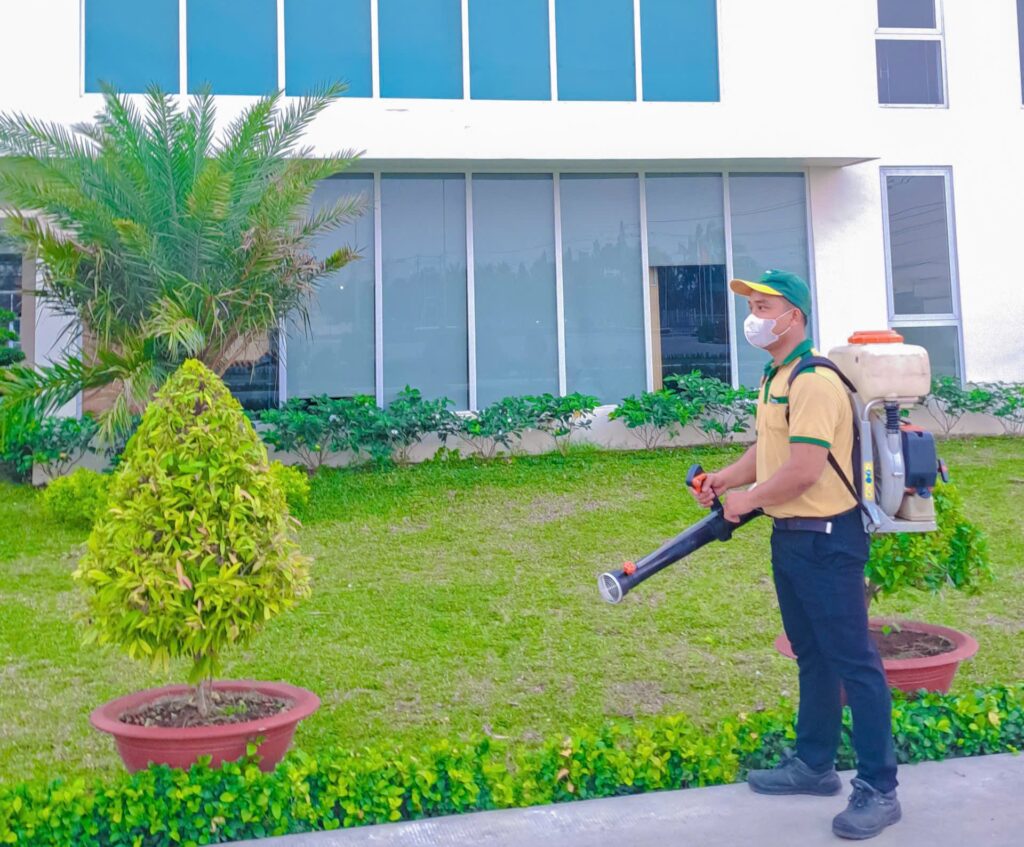
Prevention is one of the key principles of IPM. The objective is to limit the ability of pests to reach protected areas from the outset, particularly in food, beverage, pharmaceutical and food-packaging facilities and other production environments with stringent hygiene requirements.
Businesses can begin by controlling entry routes such as doors, loading docks, drains, utility penetrations and other structural or service gaps. External landscaping, waste areas, water sources, raw material storage and material flows also need to be considered because they may attract pests or provide routes for pests to enter the facility. These areas need to be incorporated into a structured pest control process with clearly defined risk zones, monitoring points, inspection frequencies and responsibilities rather than being inspected only after an incident occurs.
When these risks are identified early, control measures can be implemented before pest activity increases. This allows the facility to reduce the need for emergency treatment, limit pesticide use and take a more proactive approach to maintaining stable production conditions.
4. From point-by-point treatment to multiple layers of protection
An effective pest management programme needs to treat the entire facility as one system rather than focus only on individual pest-occurrence points. Pests may move from the external environment onto the site, approach the building and eventually enter sensitive areas. Therefore, the earlier pests are detected and intercepted away from sensitive areas, the lower the risk to production zones.
This is also the thinking behind VFC PestMan’s 3P Shield, with continuous layers of control extending from the external perimeter to the interior of the facility. Businesses can explore the 3P Shield article in more detail to understand how to build a multi-layered pest prevention system rather than waiting until pests reach production areas before taking action.
A multi-layered approach is particularly suitable for large facilities with multiple receiving and dispatch doors, raw material warehouses and production areas with different levels of sensitivity. Each protective layer serves a different role, while data from the entire system help the business identify where risks are developing so that early action can be taken.
5. Pest management should be based on data rather than isolated observations
The absence of visible insects during a single inspection is not sufficient to conclude that the programme is operating effectively. Pests have different behaviours, activity cycles and levels of occurrence depending on the area, season and environmental conditions. Businesses need continuous data to understand these changes.
Trap systems and monitoring devices help record pest activity levels, locations and the timing of occurrence for different pest groups. When data are collected across multiple inspection periods, businesses can perform trend analysis, compare different areas and identify locations showing abnormal increases in pest activity. For facilities with multiple monitoring points, data can be digitised through the PestMan Dashboard for trend analysis, hotspot identification and historical traceability for each control point.
For example, a continuous increase in flying-insect captures across a group of insect light traps may indicate the need to reassess doors, air curtains, sanitation conditions or the surrounding environment. The data then provide a basis for investigating the cause and selecting appropriate control measures rather than increasing pesticide-spraying frequency across the entire facility. For QA/QC teams to use these data in programme management, monitoring results need to be converted into reports showing pest activity levels, trends, abnormal areas and preventive or corrective actions.
6. Reducing reliance on pesticides in manufacturing facilities
Pesticide spraying remains a necessary tool in pest management programmes, but it needs to be used at the right time, in the right area and against the appropriate target pest. Treatment according to a fixed schedule without first assessing the level of risk may increase pesticide use without addressing the underlying cause of pest activity. Therefore, inspection and intervention frequency should be determined by risk levels and monitoring data rather than assuming that every area needs to be sprayed on the same cycle.
IPM prioritises preventive and physical control measures first. Sealing entry routes, improving sanitation, managing waste, eliminating standing water and appropriately positioning monitoring devices can significantly reduce conditions favourable to pests. Pesticides are applied when monitoring results indicate that treatment is required.
This approach is particularly important in food and beverage facilities, where pesticide use needs to be tightly controlled. Businesses can maintain pest-control capability while reducing unnecessary treatment and limiting disruption to production schedules.
7. Pest management helps businesses prepare more proactively for audits
Standards and management systems such as ISO 22000, FSSC 22000, BRCGS Food Safety, AIB, HACCP and GMP all include requirements related to pest prevention and control. For facilities applying these systems, site conditions need to be supported by a management programme with appropriate records and evidence. Businesses can further compare pest management requirements across common food safety standards and systems to determine what records and evidence are required by the system they apply.
During an audit, businesses may need to provide device maps, inspection history, pest-detection data, trend reports and records of corrective actions taken. Auditors may also review how the business responded to an abnormal finding and how effectiveness was evaluated after corrective action.
IPM-based pest management helps these records and data develop as part of day-to-day operations. QA/QC teams can track historical information, identify risk areas and prepare supporting data more effectively rather than concentrating on completing documentation only when an audit is approaching.
8. Pest management helps businesses manage long-term costs
A single pesticide treatment may cost less than implementing a complete IPM programme, but pest-management costs need to be considered across the entire operating lifecycle. When a pest issue develops into an incident, the business may need to intensify sanitation, carry out emergency treatment, inspect products, modify infrastructure or temporarily stop operations in part of the production area.
A pest management programme helps direct resources towards areas with actual risk. Areas showing increasing pest activity can receive more frequent inspections, while stable areas continue to be monitored according to an appropriate schedule. This allows businesses to allocate resources on a more informed basis and limit broad-area treatment when it is not necessary.
More importantly, early detection helps reduce the likelihood that a small issue will develop into an incident affecting products or production activities. The value of pest management therefore also lies in its ability to prevent potential losses before they occur.
9. Where should businesses begin when moving towards pest management?
The first step is to reassess current conditions rather than immediately adding more traps or increasing pesticide-spraying frequency. Businesses need to identify the pest species that may occur, potential entry routes, areas containing attractant sources, pest activity history and locations that are sensitive in relation to product quality.
Businesses can begin by reviewing the signs that their current pest management programme may not be operating effectively.
Based on the assessment results, an IPM programme is established with an appropriate monitoring system, inspection frequency and action thresholds. Data from each inspection need to be stored and analysed to identify trends, while corrective actions must be followed up to confirm that the issue has been brought under control.
When using an external service provider, businesses should also evaluate the PCO’s IPM capability, data transparency and audit-documentation support.
With more than 50 years of experience in pest management, VFC PestMan implements IPM programmes for manufacturing facilities based on prevention, monitoring and data-driven management. From site assessment and risk evaluation to monitoring-system setup and trend analysis, each programme is developed to suit the operating conditions and requirements of the individual business.
Moving from “insect control” to “pest management” helps businesses proactively address underlying causes, detect risks early and reduce reliance on treatment after incidents occur. This also provides a foundation for facilities to maintain a safe production environment, manage the programme through data and better meet quality, food safety and audit requirements.
VFC PestMan works with businesses to develop Integrated Pest Management (IPM) programmes tailored to the characteristics of each facility, with the aim of proactively managing pest risks and maintaining long-term control effectiveness.


Dịch vụ kiểm soát côn trùng cho doanh nghiệp: Quy trình từ khảo sát đến giám sát định kỳ
Một chương trình kiểm soát côn trùng hiệu quả cần được xây dựng theo quy…

VFC PestMan – công ty diệt côn trùng cho doanh nghiệp
Doanh nghiệp cần xử lý côn trùng theo một hệ thống có khả năng kiểm…


Related news

Ready to eliminate audit risks and proactively protect customer experience & brand reputation?





Dear Valued Visitor,
To protect our clients' interests, all materials here are copyrighted and may not be reproduced without permission.
We appreciate your cooperation. Should you need to use our content professionally, please contact us directly.