





By pestman | 11-03-2026
Vietnam's marine strategy has determined that by 2020, the marine and coastal economy will strive to contribute about 53-55% of the country's GDP, of which beach tourism and island economy will contribute about 14-15% of GDP. However, the current issue raised is that the marine environment is being seriously polluted right from the construction and operation process of tourism projects.
Current marine environmental pollution situation
In Binh Thuan province, although transport infrastructure and many projects in recent years have been heavily invested to help develop tourism, before being exploited as expected, pollution has become alarming. The reason is that tourism business units do not have waste treatment systems yet. In addition, the volume of domestic waste is increasing rapidly, mostly untreated, or treated by landfill methods, direct discharge has greatly affected the natural environment and water quality.
Besides surface pollution, the chemical treatment process during the construction of tourist areas also contributes to harming groundwater and seawater in neighboring areas. Vietnam is a tropical country, a favorable condition for termites to develop. Therefore, the procedure for preventing termites from attacking construction works, especially in coastal areas, is always a top priority for investors.
Resort capital seeks sustainable solutions
Currently, the most common method to prevent termites is spraying chemicals onto the building foundation before construction. However, this approach is costly and ineffective, because after 2-3 years, more must be pumped due to the old chemicals losing their effect. Not only is it expensive, but the risk of polluting groundwater and nearby sea areas is also quite high due to having to use a large amount of chemicals sprayed to permeate into the ground to control termites. According to the World Bank, Vietnam is losing at least 69 million USD/year in tourism revenue due to pollution.
To contribute to completely resolving the above issues, besides raising public awareness, the authorities of Binh Thuan province have encouraged tourism establishments to focus on using clean energy and having appropriate waste disposal systems, limiting the use of chemicals during the construction of coastal tourism projects.
In late September, the Department of Natural Resources and Environment of Binh Thuan Province organized the "Conference on Disseminating Laws on Environmental Protection and Water Resources for the Tourism Industry" in Phan Thiet, attracting nearly 80 guests who were representatives of tourist areas and resorts operating within the province. In addition to disseminating new regulatory documents on environmental protection in tourism operations, the Department's representative also introduced Exterra termite prevention and interception system (USA), which helps limit chemical usage in construction.
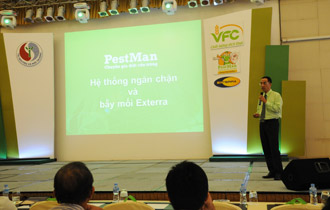
Mr. Nguyen Bao Son, Deputy General Director of Vietnam Fumigation Company, presenting about the Exterra product
According to Mr. Nguyen Bao Son, Deputy General Director of Vietnam Fumigation Joint Stock Company (VFC), the co-organizer of this workshop alongside the Binh Thuan Department of Natural Resources and Environment, the Exterra system not only controls termites effectively but also fulfills eco-friendly requirements.
Exterra has been implemented in several renowned tourism properties in Vietnam, such as Pandanus, The Cliff (Phan Thiet), Vinpearl Luxury Resort (Nha Trang and Da Nang), Da Nang Golf Club, Furama (Da Nang), and Laguna Lang Co (Hue). The prominent advantage of this system is providing permanent prevention and control for structures.
According to the representative of VFC's PestMan brand, the exclusive distributor of Exterra, this system requires only a one-time installation during construction, and the annual maintenance costs are highly modest while still delivering effective termite prevention. Globally, the Exterra system has been installed at prestigious landmarks such as Warner Bros. Movie World, Dreamworld (USA), Darling Harbour (Australia), and Disneyland (Hong Kong).



Xu hướng mới trong ngành kiểm soát dịch hại (Pest Control): Làm thế nào để doanh nghiệp thích nghi?
Khi nhắc đến kiểm soát dịch hại (Pest Control), không ít người vẫn hình dung…
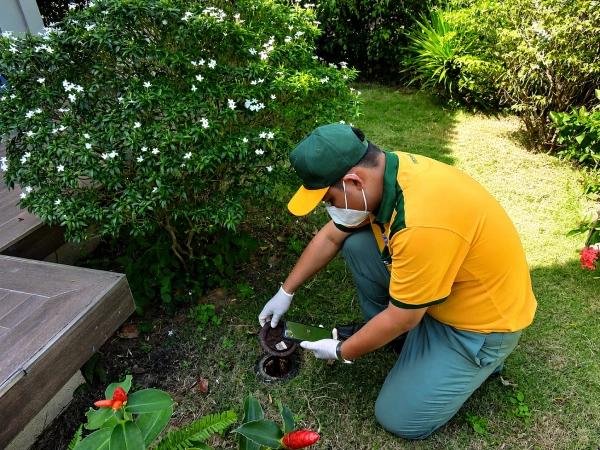
Data-driven pest management: Experience real-time analytics dashboards on the PestMan App
Data-driven pest management is becoming an essential trend in...
Related news
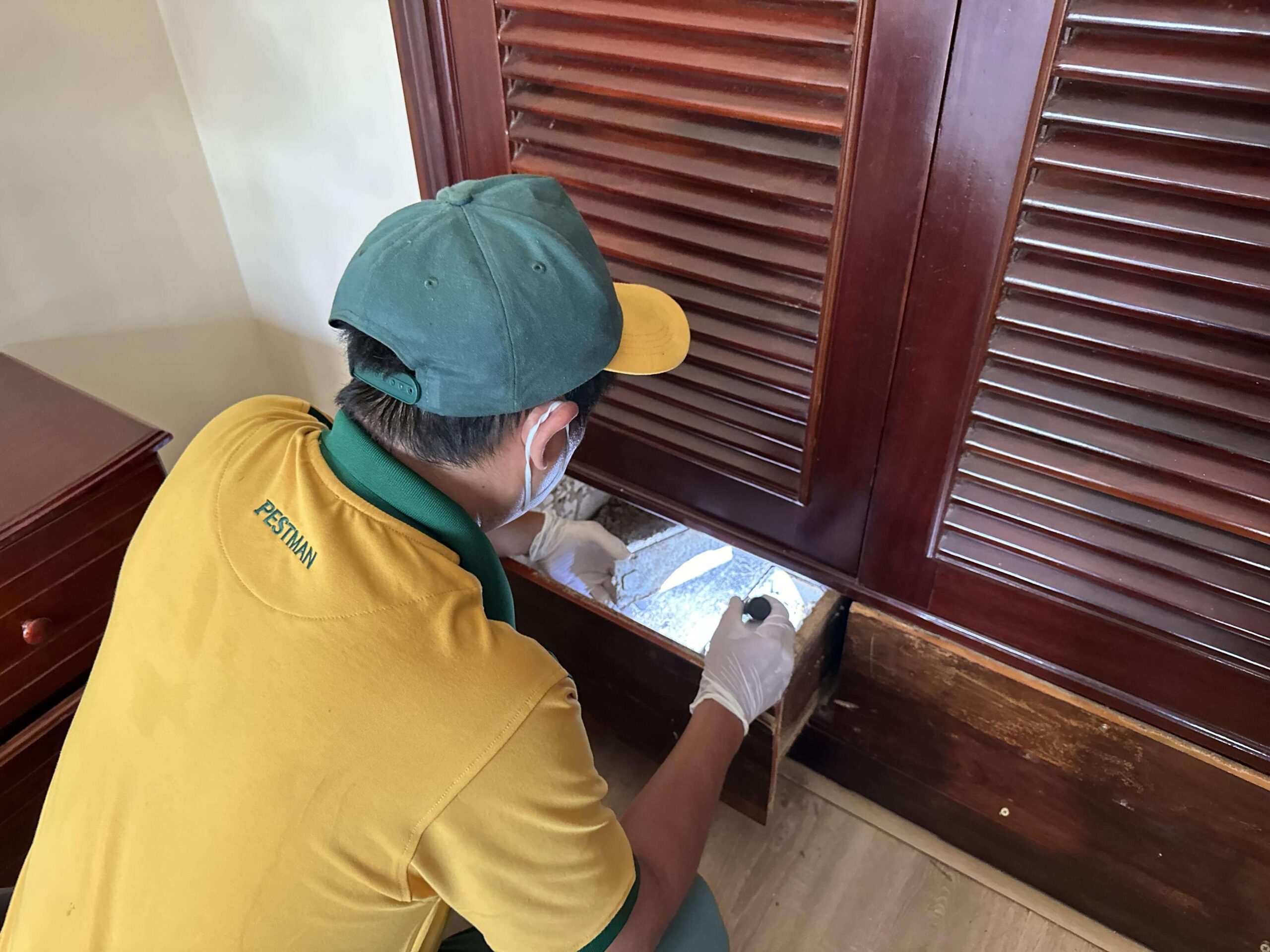
Exterra termite elimination technology – Protecting structures with long-term biological solutions
Termites can silently destroy building structures for years before being detected. Therefore, businesses need to distinguish between immediate termite treatment and root-cause termite control before choosing a solution. Exterra termite elimination technology is developed to control termite populations at their source, combining a system of monitoring stations and biological bait to maintain long-term protection for residential homes, factories, hotels, and commercial properties.

Ready to eliminate audit risks and proactively protect customer experience & brand reputation?






Dear Valued Visitor,
To protect our clients' interests, all materials here are copyrighted and may not be reproduced without permission.
We appreciate your cooperation. Should you need to use our content professionally, please contact us directly.